Quick answer
Pitch the Sarvis VST 3 on a cleared, level site with the fly fully deployed and vents open, then clean and dry it completely before storage. The tent's hybrid single/double wall design and integrated ventilation reward a few setup habits that keep airflow moving and fabric protected.
Why the Sarvis VST 3 rewards a careful first pitch
The Sarvis VST 3 is built around HyperBead fabric and a hybrid single/double wall construction, which means parts of the tent rely on a single layer of fabric while others use a double-wall setup. That design saves weight and adds usable space, but it also means the tent depends on proper tension and open ventilation to manage condensation. A rushed pitch can leave fabric sagging or vents closed, and that is when a lightweight shelter feels clammy.
New campers often treat the first pitch as a race. With this tent, a slower first setup on a sunny afternoon teaches you where the vents sit, how the fly should sit away from the inner, and how much tension the fabric needs. Do that once at home or in a park before your trip, and the same process becomes quick on the trail.
Ventilation is part of the setup, not an afterthought
The integrated ventilation system is one of the Sarvis VST 3's main features, but it only works when you open it. Before you stake anything, decide which vents will face the prevailing breeze and which will stay leeward for exhaust. In cool, damp conditions, keep both sides open; in driving rain, close the windward vent and leave the leeward one cracked.
A common mistake is sealing the tent completely on a calm, cold night. That traps moisture from breathing and damp gear. If condensation forms on the inner wall, wipe it with a dry cloth before packing rather than letting it soak into the fabric.
Cleaning and storage that protect the fabric
HyperBead fabric is designed to be durable and reliable, but grit and sunscreen are its enemies. Clean the tent with plain water and a soft cloth or sponge, and avoid detergents, solvents, and abrasive pads. For sticky zippers, a soft brush and water are enough; do not lubricate them with oil, which attracts dirt.
Never store the Sarvis VST 3 compressed in its stuff sack for long periods. Loosely fold or roll it and keep it in a breathable storage bag in a dry, cool space. A damp tent left in a stuff sack can develop mildew, which weakens fabric and leaves a permanent smell. If you must pack it wet, set it up to dry as soon as you get home.
Step-by-step: first setup and care routine
- Choose and clear a level site: Pick a spot free of sharp rocks, roots, and pine cones, then clear a footprint area slightly larger than the tent. Check for overhead dead branches before you unpack. A groundsheet or footprint adds protection but is not required; if you use one, make sure it does not extend beyond the tent floor, or it will channel rain underneath.
- Lay out the tent and stake the corners: Unroll the tent with the door facing away from the prevailing wind, then stake the four corners in a rectangle. Keep the floor taut but not stretched; a wrinkled floor wears faster and feels colder. Stake corners at a low angle, roughly 45 degrees, so the tent body stays tensioned without stressing the stake loops.
- Set up the inner and check the hybrid walls: Assemble the poles and feed them through the sleeves or clips, then lift the inner until it stands. Look along the seams and panels; the hybrid construction should sit smooth, with no single-wall panel sagging inward. If a panel sags, adjust the corner stakes or tensioning points before adding the fly; fixing it later is harder.
- Fit the fly and align the vents: Drape the fly over the inner and attach it at the corners and along the pole ends. Locate the integrated vents and orient the largest opening toward the breeze, keeping the leeward vent open for exhaust. In rain, close the windward vent but leave the leeward one cracked; sealing both traps condensation.
- Tension the fly and guy out in wind: Stake the fly's guy-out points so the fly sits a few inches away from the inner wall. That gap is what lets moisture escape. In exposed spots, use all available guy lines and keep them angled outward. A fly touching the inner wall transfers condensation; if you cannot create a gap, loosen the fly's corner tension slightly.
- Do a ventilation and weather check: Walk around the tent and confirm every vent is either open or deliberately closed for the conditions. Check that the door zips run freely and that no fabric is trapped in the zipper teeth. On calm, cold nights, leave at least one vent open; the small draft is worth the reduced condensation.
- Clean and dry before storage: Shake out debris, wipe the floor and fly with a damp cloth, and let the tent air-dry completely in the shade. Never pack it wet. Store it loosely in a breathable bag, not compressed in the stuff sack. Set a reminder to check the tent a day after storage; any lingering dampness should be dried immediately.
Product facts
-
Sarvis VST 3: HyperBead fabric with Hybrid Single/Double Wall construction and an integrated ventilation system. This combination saves weight and adds usable space, but it also means you should pitch with vents open and keep fabric tension even to manage condensation.
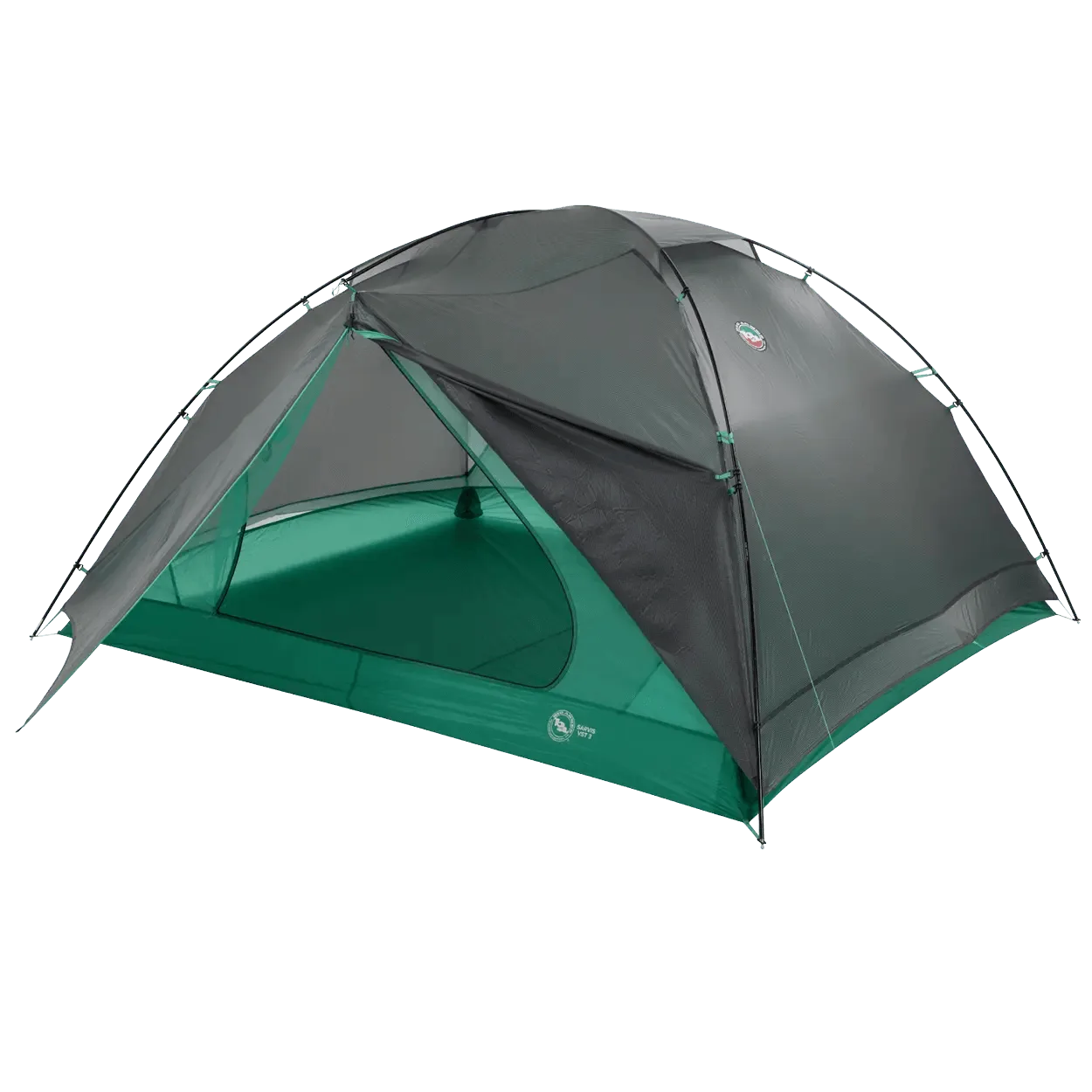
Sarvis VST 3