Quick answer
After each use, wipe down the sauna tent interior to remove moisture and debris, then allow it to dry completely before storing. Never pack it away damp. A consistent routine of cleaning, drying, and proper storage prevents mould, odours, and material damage, keeping your sauna tent ready for years of use.
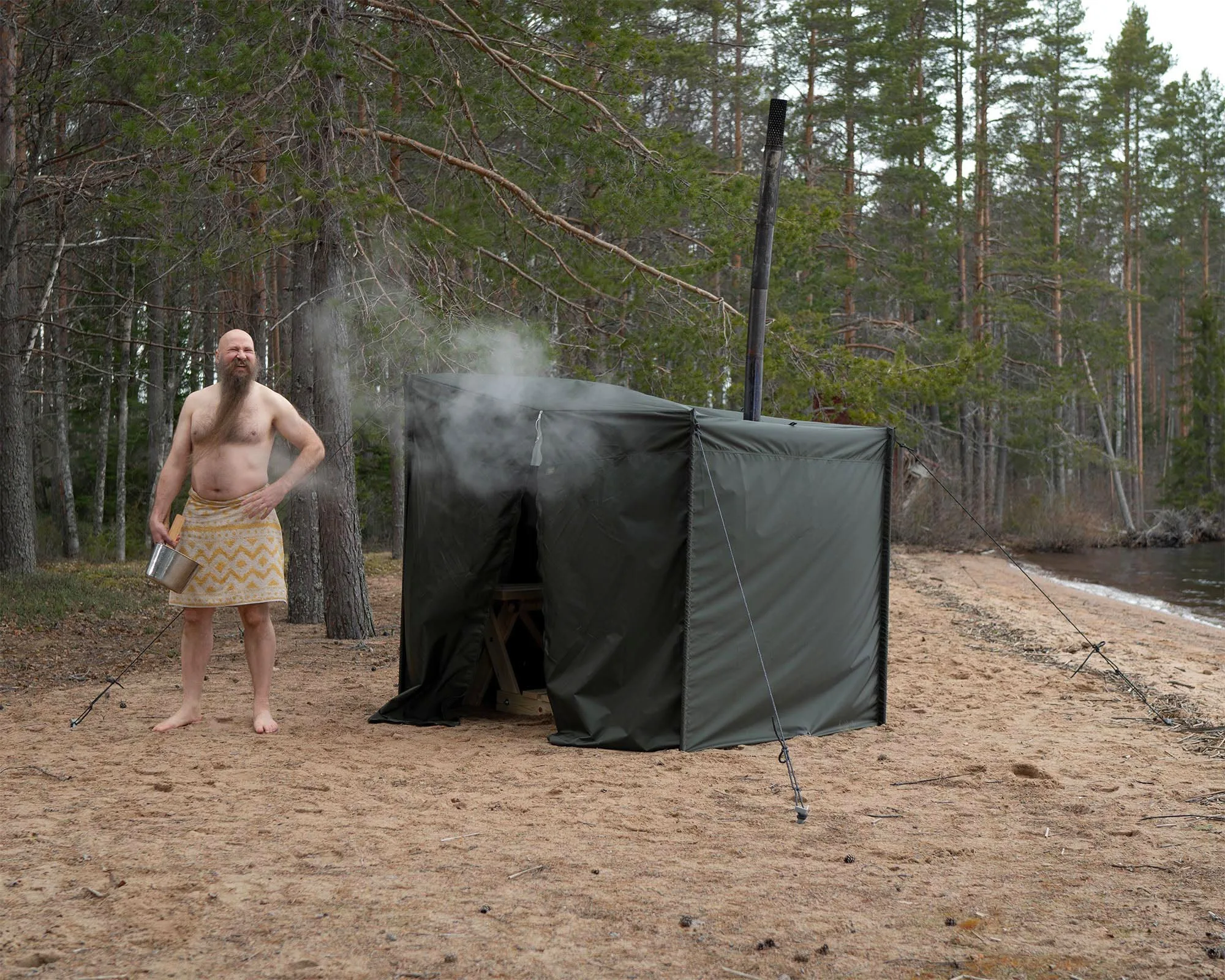
sauna tent
Why sauna tent maintenance matters
A sauna tent is exposed to high heat, steam, and perspiration, creating an ideal environment for mould and mildew if moisture is left trapped. Regular care not only protects the fabric and seams but also ensures a hygienic experience every time. Unlike a permanent sauna, a tent relies on its coatings and stitching to stay waterproof and structurally sound; neglect can lead to delamination, leaks, and unpleasant smells. The good news: maintenance takes only a few minutes after each session and pays off in longevity and performance.
Gather your cleaning supplies
Before you start, assemble the right tools: a soft brush or sponge, mild soap (such as castile or dish soap), a bucket of warm water, and a clean towel. Avoid harsh chemicals, bleach, or abrasive scrubbers that can damage the fabric's water-repellent finish. For stubborn spots, a diluted vinegar solution works well. If your tent has a floor, a small handheld vacuum can help remove loose debris before washing.
Step-by-step cleaning process
Cleaning your sauna tent is straightforward if you follow a logical order. Start by removing any loose dirt or leaves from the exterior with a brush. Then, mix a few drops of mild soap in warm water and wipe down the interior and exterior surfaces with a sponge. Pay attention to corners and seams where sweat and condensation collect. Rinse with a clean damp cloth to remove soap residue. For the floor, scrub gently and rinse thoroughly. Finally, wipe everything dry with a towel to speed up the drying process.
Drying techniques for different conditions
Proper drying is the most critical step in sauna tent care. After cleaning, set up the tent in a well-ventilated area, preferably outdoors in the shade. If weather doesn't permit, use a fan indoors to circulate air. Never use a tumble dryer or direct heat sources like a heater, as they can melt coatings or shrink fabric. Hang the tent upside down if possible to let water drain from seams. Allow several hours; the tent must be bone-dry before storage. In humid climates, a dehumidifier can help.
Storage best practices
Once completely dry, store your sauna tent loosely folded in a cool, dry place away from direct sunlight. Avoid compressing it tightly for long periods, as sharp folds can create weak spots. A breathable cotton storage bag is ideal; plastic bags trap moisture. Keep it off concrete floors, which can wick moisture. If you have accessories like a stove or floor, store them separately to prevent abrasion. Check periodically for any signs of moisture or pests.
Accessory care and maintenance
Your sauna tent accessories also need attention. Stove components should be cleaned of soot and ash after each use, and checked for rust. Tent poles and stakes should be wiped dry to prevent corrosion. If you use a groundsheet, clean and dry it thoroughly before folding. For any fabric accessories, follow the same gentle cleaning and drying principles as the tent itself. Regular inspection of all parts ensures nothing compromises your next sauna session.
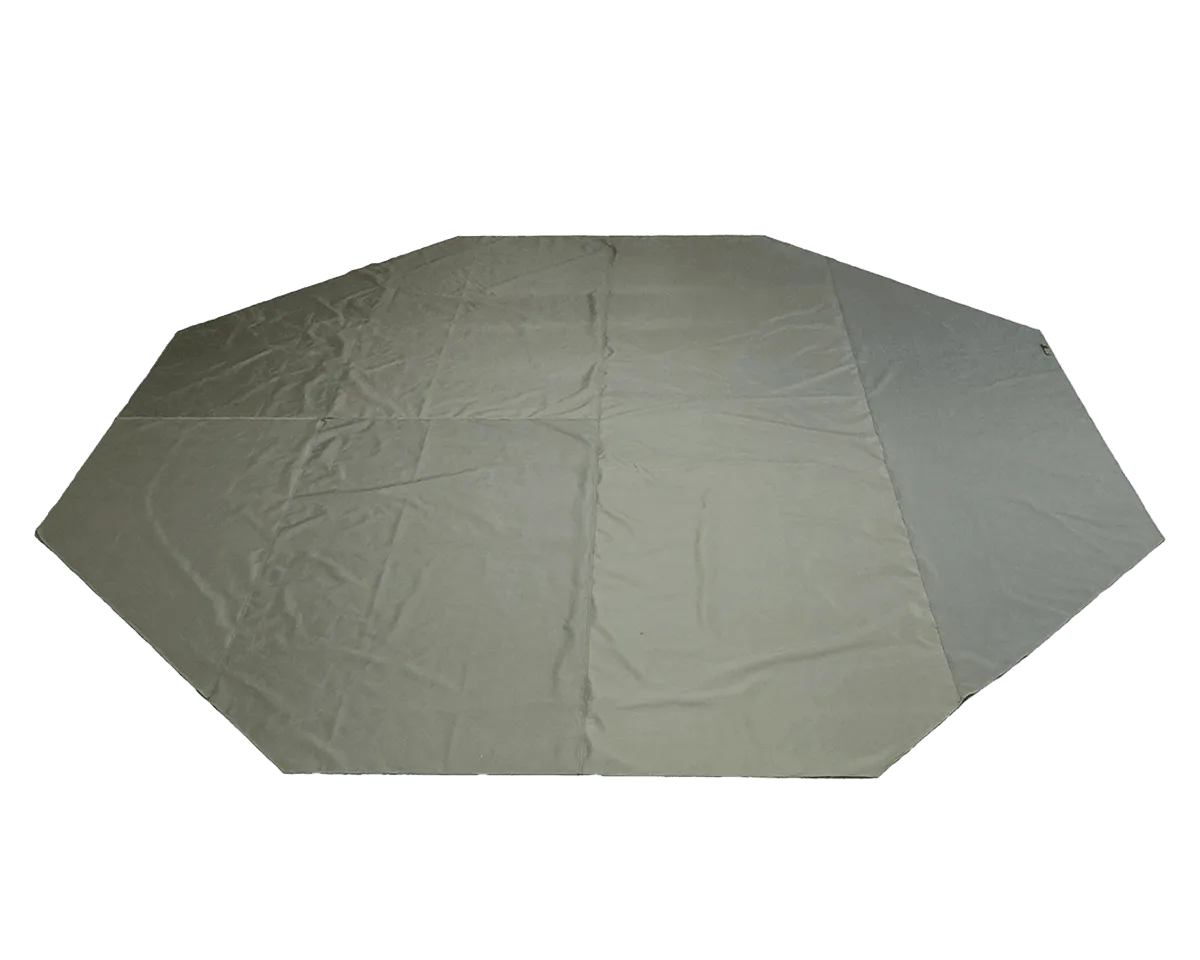
groundsheet
Sauna tent care steps
- Clean after every use: Wipe down interior and exterior with mild soap and water, focusing on seams and corners where sweat accumulates. Rinse with a damp cloth. Checkpoint: No soap residue left; all surfaces visibly clean.
- Dry completely before storage: Set up the tent in a shaded, ventilated area or use a fan indoors. Never use heat. Allow several hours until bone-dry. Checkpoint: Touch seams and corners—if any dampness remains, continue drying.
- Store loosely and protected: Fold loosely and place in a breathable bag in a cool, dry location away from sunlight and concrete floors. Checkpoint: Tent is not compressed tightly; storage area is dry and pest-free.
- Inspect accessories: Clean stove parts, dry poles and stakes, and check for wear. Store separately to avoid abrasion. Checkpoint: All accessories are clean, dry, and functional for next use.
Product facts
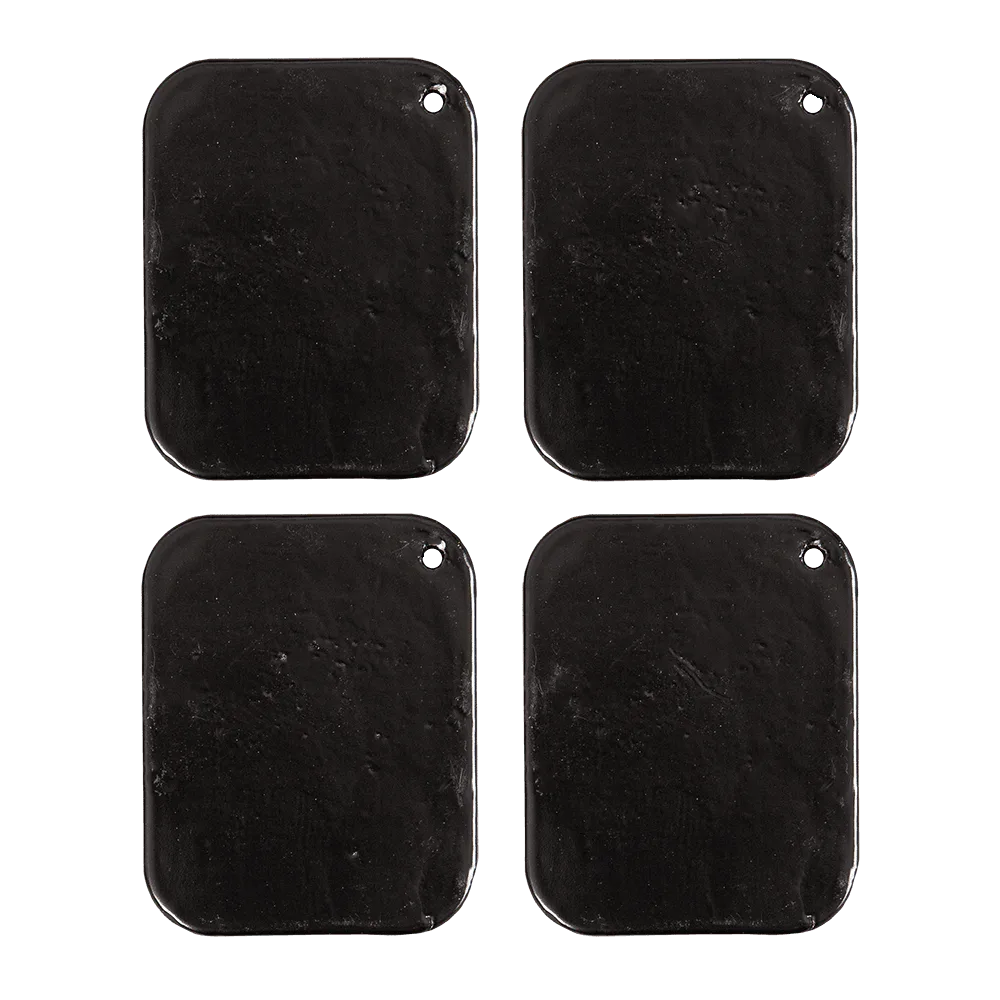
- NVD counterweight kit: A set of four 150 g lead weight discs, fully coated. The weight disc model belongs to Finnish optronics manufacturer Senop, these weight discs are used as counterweights for their night vision devices. This kit includes four lead weight discs, fully compatible with our counterweight pouches. Each disc weighs 150 g and the kit in total weighs 600 g, enough to counter the weight of most night vision devices etc. out... If you use night vision devices with your sauna tent setup (e.g., for evening activities), these counterweights can help balance helmet-mounted gear, improving comfort during extended wear.