Quick answer
If you mostly need a dry, insulated place to sit during breaks, a sitting pad is the lighter, cheaper choice. If you plan to sleep outdoors, a sleeping pad is the only one that will keep you warm through the night. Many Savotta users carry both, but if you must pick one, match it to how you actually use your gear.
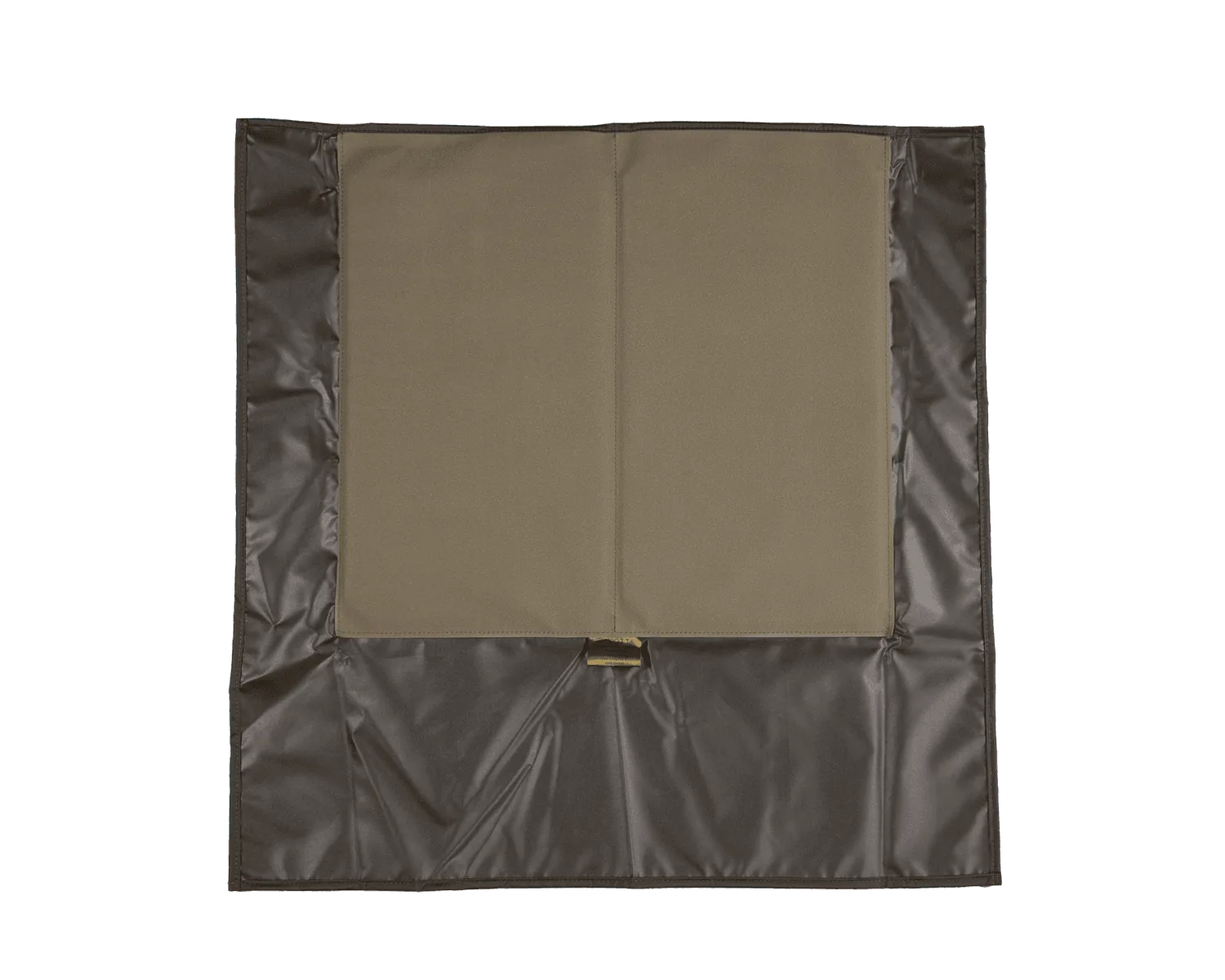
sitting pad
What each pad is actually for
A sitting pad is a small square of closed-cell foam. It goes under your hips on a log, rock, or snow so you stay dry and insulated while you rest, eat, or glass. It is not sized or shaped for sleeping. A sleeping pad is a full-length layer that goes under your whole body inside a tent or under a tarp. It provides insulation and cushioning from shoulder to hip to heel, which is what keeps you warm overnight. The two solve different problems: one is for short stops, the other is for hours of sleep.
Insulation and comfort: the real trade-off
A sitting pad gives you a small, high-density foam barrier. It stops cold and moisture from seeping up through your trousers during a break, but it only covers a small area. A sleeping pad has to insulate your entire body and support your weight for hours. That usually means thicker foam or an air chamber, which adds bulk and cost. The trade-off is simple: a sitting pad is light and cheap but limited in coverage; a sleeping pad is heavier and more expensive but necessary for overnight warmth.
Weight, pack space, and where each fits
A sitting pad can be rolled tight or folded flat and strapped to the outside of a pack. It takes up almost no room and adds negligible weight. A sleeping pad takes up more space, often a significant portion of your pack volume, and adds more weight. If you are counting grams or using a small daypack, the sitting pad is the obvious choice. If you are carrying a full overnight kit, the sleeping pad is part of your sleep system and earns its place.
When you might want both
Cold-weather trips, long hunting days, or any outing where you stop for extended periods are more comfortable with a sitting pad even if you carry a sleeping pad. The sitting pad protects your sleeping pad from punctures when you use it outside the tent, and it gives you a dry seat without unrolling your whole sleep setup. Many Savotta users keep a sitting pad permanently attached to their belt or pack. It is a small addition that solves a specific, frequent problem.
Trade-offs at a glance
- Sitting pad: weight and packability: Very light and small; can be strapped outside a pack or worn on a belt. It adds almost nothing to your load. Best if you want zero-fuss insulation for short stops.
- Sitting pad: coverage: Only covers your seat. It will not keep your legs, back, or shoulders warm during sleep. Not a substitute for a sleeping pad on overnight trips.
- Sleeping pad: warmth and comfort: Full-length insulation and cushioning for sleeping. Bulkier and more expensive than a sitting pad. Required if you plan to sleep outdoors in cool conditions.
Grounded Savotta products that support this choice
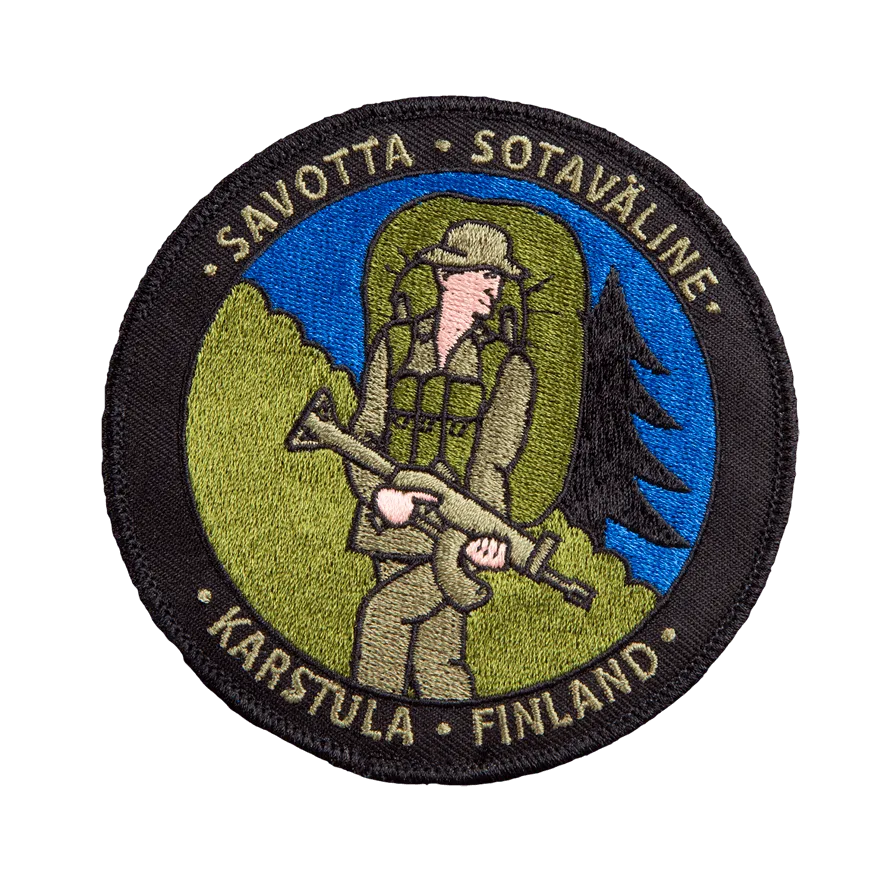
- Savotta sotaväline patch: Savotta sotaväline patch is a morale patch based on the old Savotta retkeilyväline logo, a backpacker hiking up a hill. It is a small, light add-on for marking your gear, not a piece of load-carrying or insulation equipment. If you are choosing between pads, this patch does not affect warmth or comfort.
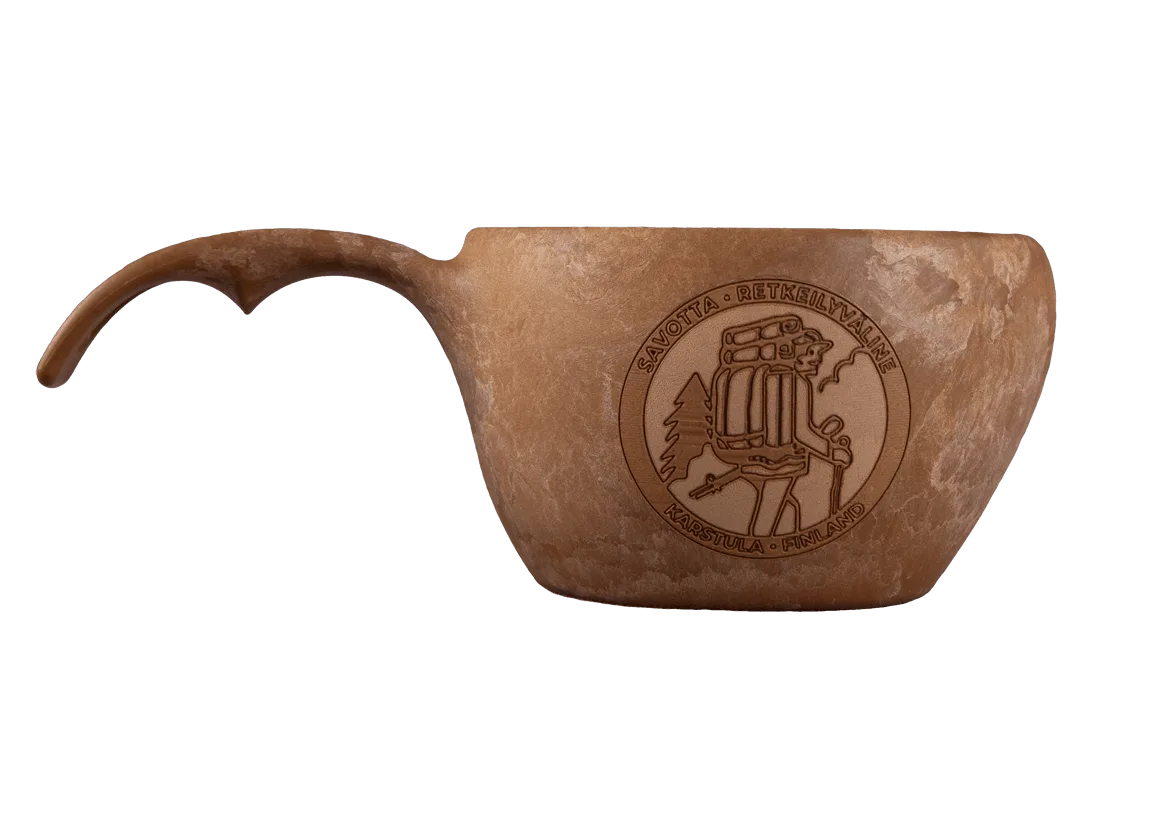
- Savotta x Kupilka 21 cup: Savotta x Kupilka 21 cup is made from Kareline natural fiber composite in Kontiolahti, North Karelia, and keeps your drink hot without burning your fingers. A hot drink extends a rest stop, which is exactly when a sitting pad earns its keep. If you carry a Kupilka cup for breaks, a sitting pad makes those breaks more comfortable.
Which should you choose?
Choose a sitting pad if you:
- Take day hikes, hunting trips, or work breaks where you sit on cold or wet ground
- Want a lightweight, low-cost insulation layer that stays attached to your pack or belt
- Already carry a sleeping pad and want extra protection and comfort for short stops
Choose a sleeping pad instead if you:
- Plan to sleep overnight in a tent, tarp, or shelter
- Need insulation and cushioning for your whole body, not just your seat
- Are willing to carry more bulk and weight for a full night of warmth