Quick Answer
For most everyday carry, a Savotta sling bag wins because it keeps the load tight against your back, swings forward for quick access, and distributes weight across one shoulder without the bag bouncing or sliding. A shoulder bag makes more sense if you carry flat, wide items like documents or a tablet, or if you need to set the bag down and open it fully on a table. The right choice depends on how you move and what you carry.
Choosing between a sling and a shoulder bag for everyday carry often comes down to how you move, not just what you carry. A sling keeps the bag centered on your back and lets you swing it to your chest without taking it off. A shoulder bag hangs at your side, which feels natural for quick errands but can shift around when you walk fast or ride a bike.
Savotta makes both styles, and the differences show up in the details: strap width, attachment points, and how the bag sits when loaded. This comparison uses real catalog facts to explain when each carry style works better, what trade-offs you accept, and which accessories solve common problems. You will also find fit guidance so you can match the bag to your body and daily routine.
Carry Position and Access Speed
A sling bag sits diagonally across your back with the strap over one shoulder. To reach inside, you rotate the bag to your chest without removing it. That makes a sling faster for grabbing a phone, wallet, or keys while standing in line or walking. A shoulder bag hangs vertically at your hip or side. You can reach into it while it is on your shoulder, but the opening faces away from you unless you swing the bag forward or take it off.
The trade-off is stability. A sling stays put because the strap crosses your torso, so it does not swing when you turn or bend. A shoulder bag can slide forward when you lean over or bounce against your leg when you walk quickly. If you commute by bike or train and need one-handed access, a sling has the edge. If you mostly walk short distances and set your bag down often, a shoulder bag is simpler to live with.
- Test access speed: put your most-used item in the bag and see how long it takes to reach it while wearing the bag.
- A sling with a wide strap, like the Valjas EX-harness, can reduce shoulder pressure on longer carries.
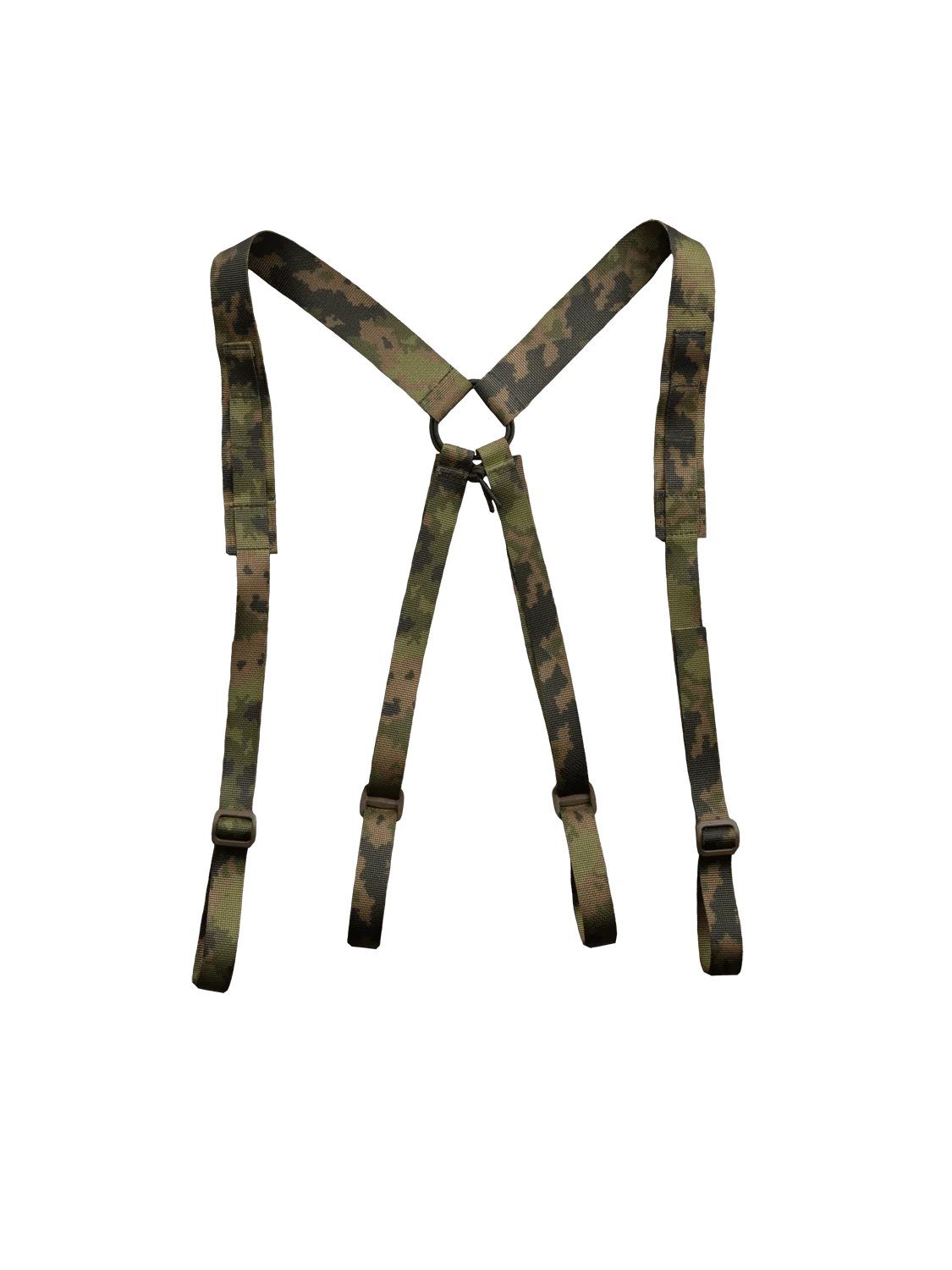
Valjas EX-harness
Load Weight and Comfort
Sling bags carry weight across one shoulder and diagonally across your chest. That works well for loads up to a few kilograms, but heavier loads concentrate pressure on one side. A shoulder bag puts weight on one shoulder only, with no cross-body support, so it tends to feel heavier sooner. If you carry a laptop, water, and tools every day, a sling with a wider strap or an added harness spreads the load better than a basic shoulder bag.
Savotta's Valjas EX-harness is an elastic 4-point X-harness made entirely from webbing, with a 40 mm (1.75 in) wide shoulder area and 25 mm (1 in) wide webbing ends with tri-glide buckles for belt attachment. It is designed for unobtrusive wear under body armour, so it is low profile and unpadded. The intersection on the back is elastic cord, which offers generous and adjustable elasticity. An elastic belt harness is generally best for lighter loads, so it suits a sling or small shoulder bag rather than a heavy pack.
- Keep total EDC weight under about 3 kg for all-day comfort with either style.
- If you need to carry more, consider a backpack instead of a sling or shoulder bag.
Organization and Quick-Access Items
Both slings and shoulder bags benefit from internal organization, but the shape of each bag changes what works. Slings tend to have a narrower opening and deeper pockets, so small items can sink to the bottom. Shoulder bags often have a wider, flatter main compartment that makes it easier to see everything at once. The fix for either style is the same: use small pouches to group related items so you are not digging around.
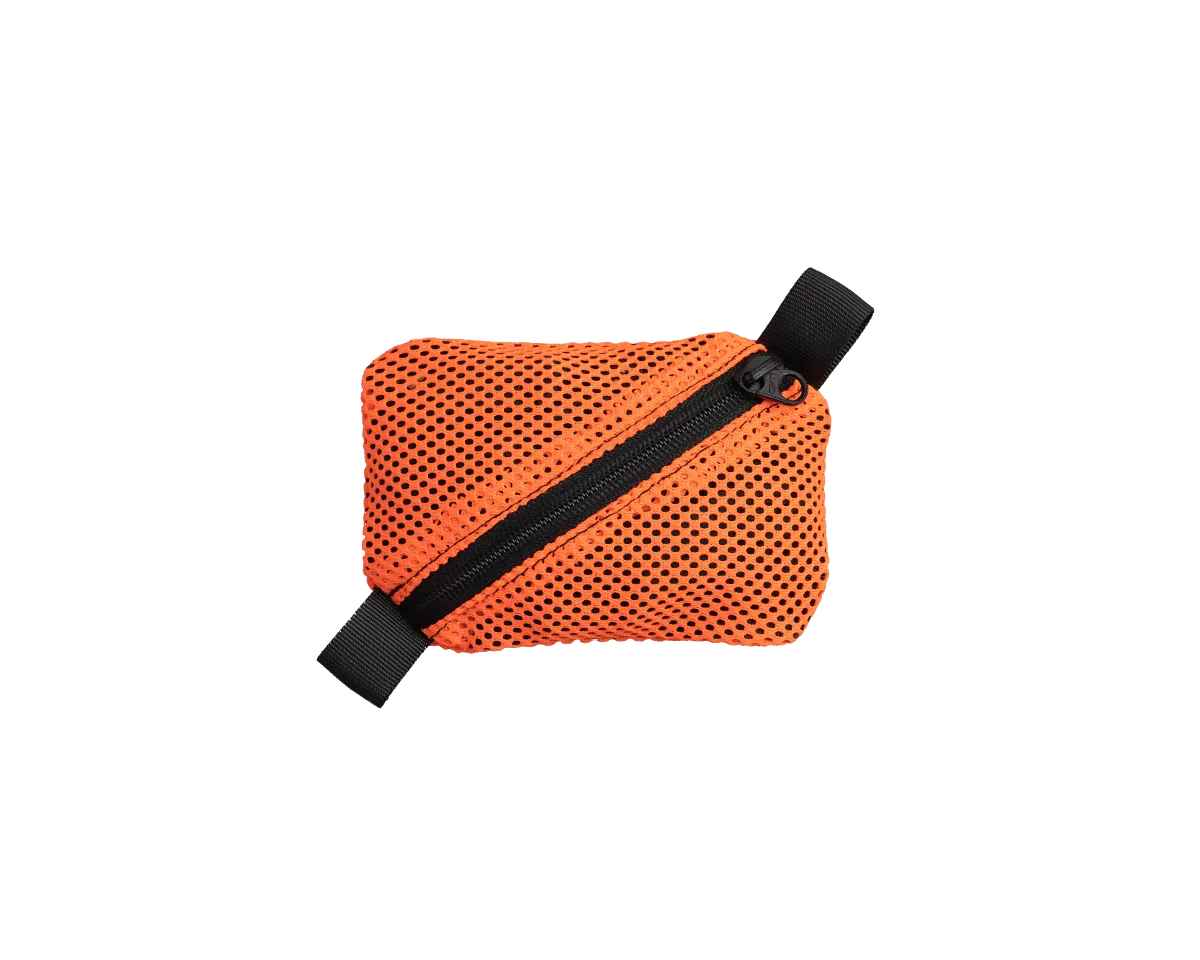
The Trinket Pouch, hook back is designed to keep miscellaneous little trinkets neatly organized within your pack or bag, and it attaches via hook-to-loop. It suits electronics, tools, first aid kits, personal hygiene items, socks and underwear, and other small gear you often need to carry. The Trinket Pouch, standalone does the same job without the hook backing, so it works in bags that do not have loop panels. If your sling or shoulder bag has a loop-lined interior, the hook-back version stays put; if not, the standalone version is the safer choice.
- Group items by use: one pouch for cables and power, one for tools, one for personal items.
- A hook-back pouch needs a loop panel to attach; check your bag's interior before buying.
Weather Protection and Durability
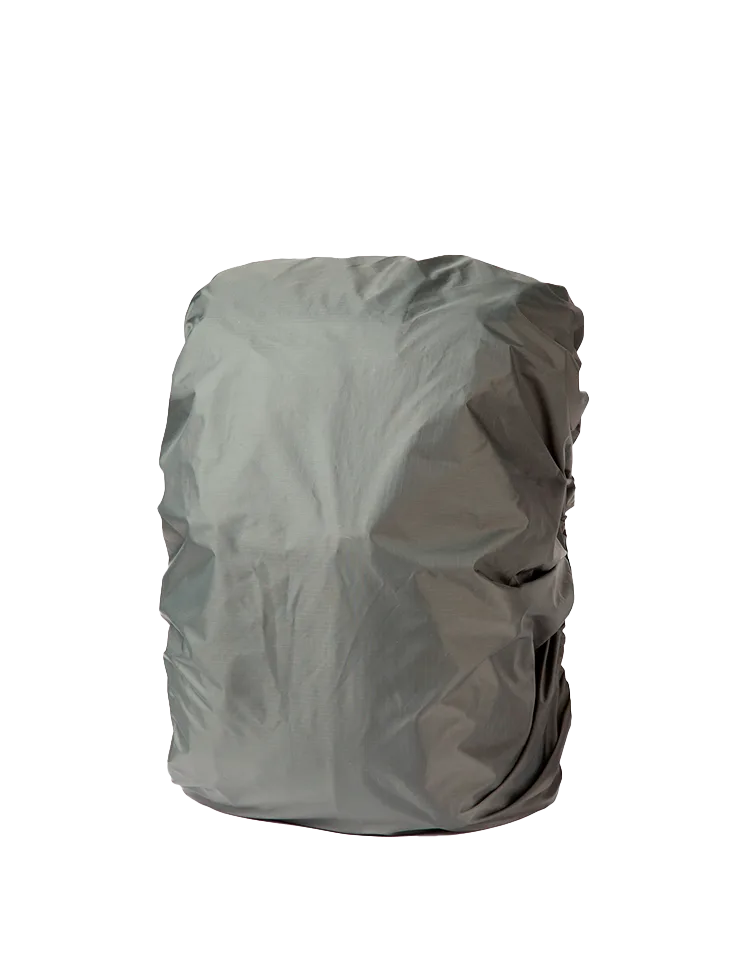
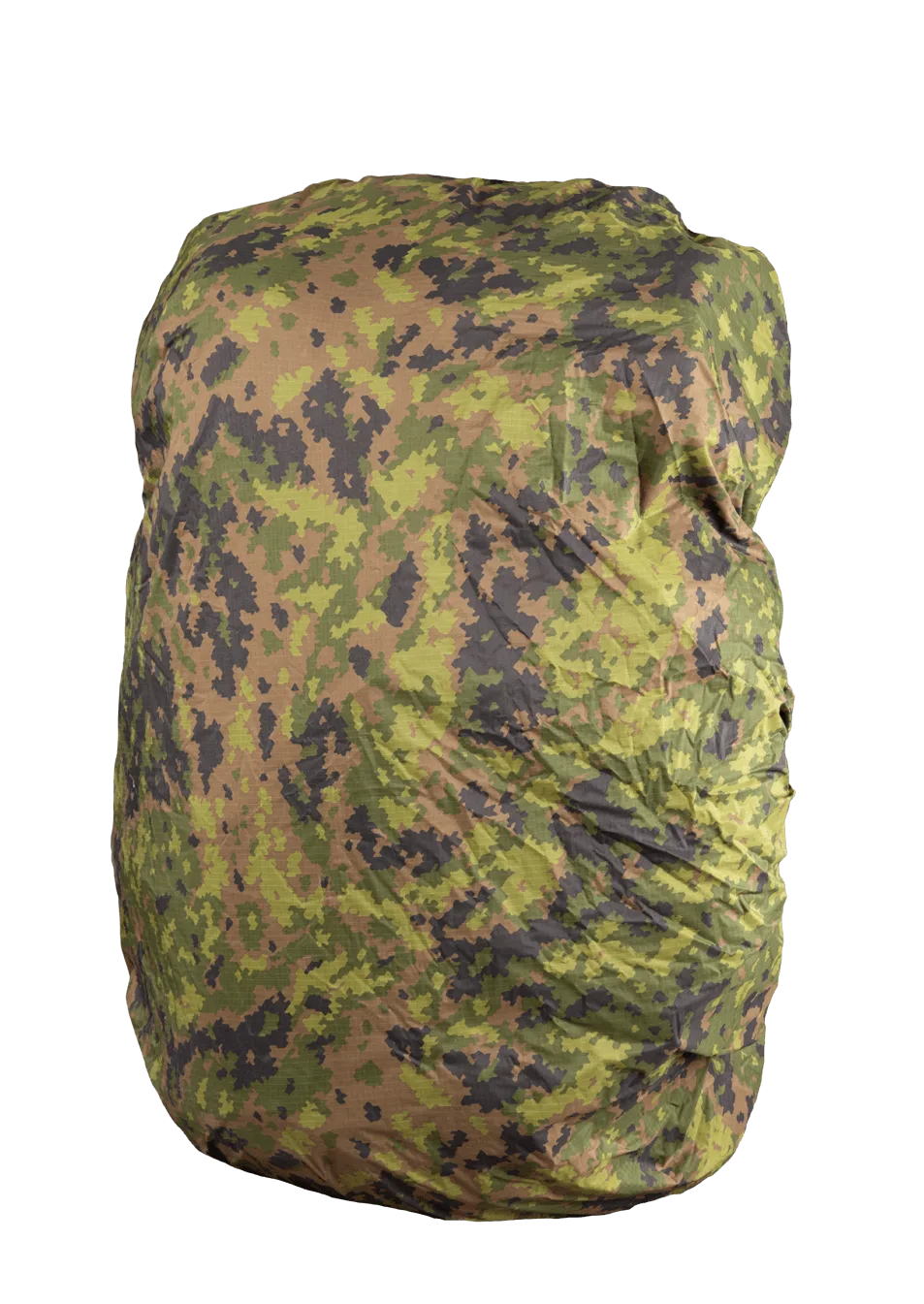
Neither a sling nor a shoulder bag is fully waterproof on its own. Rain soaks through zippers and seams, and the fabric itself may absorb water over time. If you carry electronics or paper, you need a cover or a dry bag inside. Savotta's https://savottapu.com/products/backpack-cover-80l-irr-4e57a83cd5b4a39d13f267ab-1843945Backpack cover, 80L IRR is a lightweight, waterproof cover for large packs, made from near-infrared adapted materials. It has a seamless construction, an adjustable elastic retention cord, and tie-down toggle loops for securing it to your pack. It keeps your pack and its contents dry in the rain, keeps snow out, and covers snaggy bits.
The 80L size is meant for large packs, not small slings or shoulder bags. If you want to use a cover on a smaller bag, check the fit carefully or choose a cover sized for your bag. For a sling or shoulder bag, a simpler approach is to line the main compartment with a rolltop stuffsack or use a small dry bag for sensitive items. That keeps rain out without adding a loose cover that can flap in the wind.
- A cover sized for a large backpack will not fit a small sling or shoulder bag properly.
- For small bags, internal waterproofing is usually more practical than an external cover.
Carrying Water and Extra Gear
If your EDC includes carrying water from a tap or stream to your camp or workspace, a sling or shoulder bag alone will not solve that. The Water carrying bag is a simple packable bag for carrying water from a river or lake to your campsite. When packed, it takes up almost no space, but when filled it holds up to twelve litres. It is made from lightweight 70D ripstop polyamide with a waterproof polyurethane coating. The lightweight polyamide fabric is vulnerable to abrasion and heat, so use it carefully in rocky terrain and around open fires and stoves.
This is not a bag you wear on your shoulder all day. It is a utility item for moving water once you are at camp, and it folds down small enough to keep in a sling or shoulder bag until you need it. If you often carry water as part of your EDC, plan for the weight: twelve litres of water weighs about twelve kilograms, which is far beyond what a sling or shoulder bag should carry comfortably. Use the water bag for transport, not as a daily carry.
- Keep the water bag away from sharp rocks and open flames; the 70D fabric is not abrasion-resistant.
- Empty and dry the water bag before storing it in your sling or shoulder bag.
Trade-Offs at a Glance
- Access speed vs. stability: A sling swings to your chest for fast access without removing it, but it stays tight against your back and can feel restrictive when you sit down. A shoulder bag is easier to set down and open flat, but it shifts when you move quickly. Choose a sling if you need one-handed access on the move; choose a shoulder bag if you mostly stand still or sit.
- One-shoulder comfort vs. cross-body support: Both styles load one shoulder, but a sling crosses your torso and spreads pressure. A shoulder bag hangs from one point, so the same weight feels heavier sooner. Adding a harness like the Valjas EX-harness improves stability for light loads but does not turn either bag into a backpack. Keep loads light (under about 3 kg) for all-day comfort with either style.
- Organization vs. simplicity: Small pouches like the Trinket Pouch, hook back or Trinket Pouch, standalone keep items grouped and easy to find. The trade-off is added bulk and another thing to open. A bag with fewer pockets is faster to pack but harder to search. Use one or two pouches, not five; group by use, not by item type.
- Weather resistance vs. convenience: Neither style is waterproof. A backpack cover like the Backpack cover, 80L IRR is sized for large packs and will not fit a small sling or shoulder bag properly. Internal dry bags or rolltop stuffsacks protect sensitive items without adding a loose cover. For small bags, waterproof from the inside out.
Product Facts That Matter for This Choice
- Valjas EX-harness: Elastic 4-point X-harness made entirely from webbing. 40 mm (1.75 in) wide shoulder area and 25 mm (1 in) wide webbing ends with tri-glide buckles for belt attachment. Designed for unobtrusive wear under body armour, thus the low profile and lack of padding. The intersection on the back is made from elastic cord which offers generous and adjustable elasticity. An elastic belt harness is generally best for lighter loads. If you want to stabilize a sling or shoulder bag without adding bulk, this harness adds cross-body support. It is unpadded, so it works best with light loads and under other gear.
- Trinket Pouch, hook back: Keeping your miscellaneous little trinkets neatly organized within your pack or bag really makes life easier, our hook-to-loop attached Trinket Pouches are made to do just that. As the name implies the Trinket Pouches are suitable for all that miscellaneous little stuff: electronics, tools, first aid kits, personal hygiene items, socks and underwear and all manners of trinkets you often need to carry with you. A sling or shoulder bag with a loop-lined interior can use this pouch to keep small items from sinking to the bottom. It attaches securely and can be moved between bags.
- Trinket Pouch, standalone: Keeping your miscellaneous little trinkets neatly organized within your pack or bag really makes life easier, our Trinket Pouches are made to do just that. As the name implies the Trinket Pouches are suitable for all that miscellaneous little stuff: electronics, tools, first aid kits, personal hygiene items, socks and underwear and all manners of trinkets you often need to carry with you and want to keep neatly organized. This version works in bags without loop panels. If your sling or shoulder bag lacks hook-and-loop lining, this is the organizer to choose.
- Backpack cover, 80L IRR: Lightweight, waterproof backpack cover for large packs. IRR model, made from near-infrared adapted materials. Seamless construction, adjustable elastic retention cord and tie-down toggle loops for securing to your pack. Keeps your pack and its contents dry in the rain, keeps snow out and covers all the snaggy bits. A cover is one of the most fundamental accessories of any backpack. This cover is sized for large packs, not small slings or shoulder bags. If you need rain protection for a small bag, use an internal dry bag instead.
Which Should You Choose?
Best for
- Commuters who need one-handed access to a phone, card, or keys without stopping.
- Cyclists and motorcyclists who want a bag that stays tight against the back and does not swing.
- Travelers who want a low-profile bag that stays close to the body in crowds.
- Anyone carrying a light load (under about 3 kg) who values stability over easy set-down.
Not for
- People who carry flat, wide items like A4 documents, a tablet, or a large camera and need the bag to open flat on a table.
- Users who frequently take the bag off and set it down in meetings or cafes.
- Anyone carrying more than about 5 kg regularly; a backpack is a better choice.
- Those who want a bag that stands up on its own when placed on the ground.
For most everyday carry, a Savotta sling bag is the more practical choice because it stays stable, allows quick access without removing it, and handles light loads comfortably across one shoulder. A shoulder bag remains a better fit if you need to open the bag flat on a table or carry wide, flat items. Whichever you choose, keep the load light, add a small organizer pouch, and protect electronics from rain from the inside. That combination will serve you better than any single bag feature.