Alcohol-free beer has come a long way from the watery, flavourless alternatives of the past. Today, brands like DAYS Brewing Co are crafting 0.0% beers that rival their alcoholic counterparts in taste, aroma, and mouthfeel. But how exactly is alcohol-free beer made? The process is a fascinating blend of traditional brewing science and modern technology, designed to preserve the complex flavours of beer while removing the alcohol content.
In this article, we’ll take a deep dive into the science behind brewing alcohol-free beer. From the raw ingredients to the final can, you’ll learn about the key methods—such as arrested fermentation, vacuum distillation, and reverse osmosis—that allow brewers to create delicious non-alcoholic beer. Whether you’re a curious consumer or a homebrew enthusiast, understanding the process will deepen your appreciation for every sip of your favourite 0.0% lager or pale ale.
The Foundation: Traditional Brewing Begins
The journey of alcohol-free beer starts exactly like regular beer. Brewers begin with malted barley, hops, water, and yeast. The grains are mashed to convert starches into fermentable sugars, then boiled with hops to add bitterness and aroma. This creates a sweet liquid called wort, which is then cooled and ready for fermentation. At this stage, the wort contains all the flavour precursors that will later define the beer’s character.
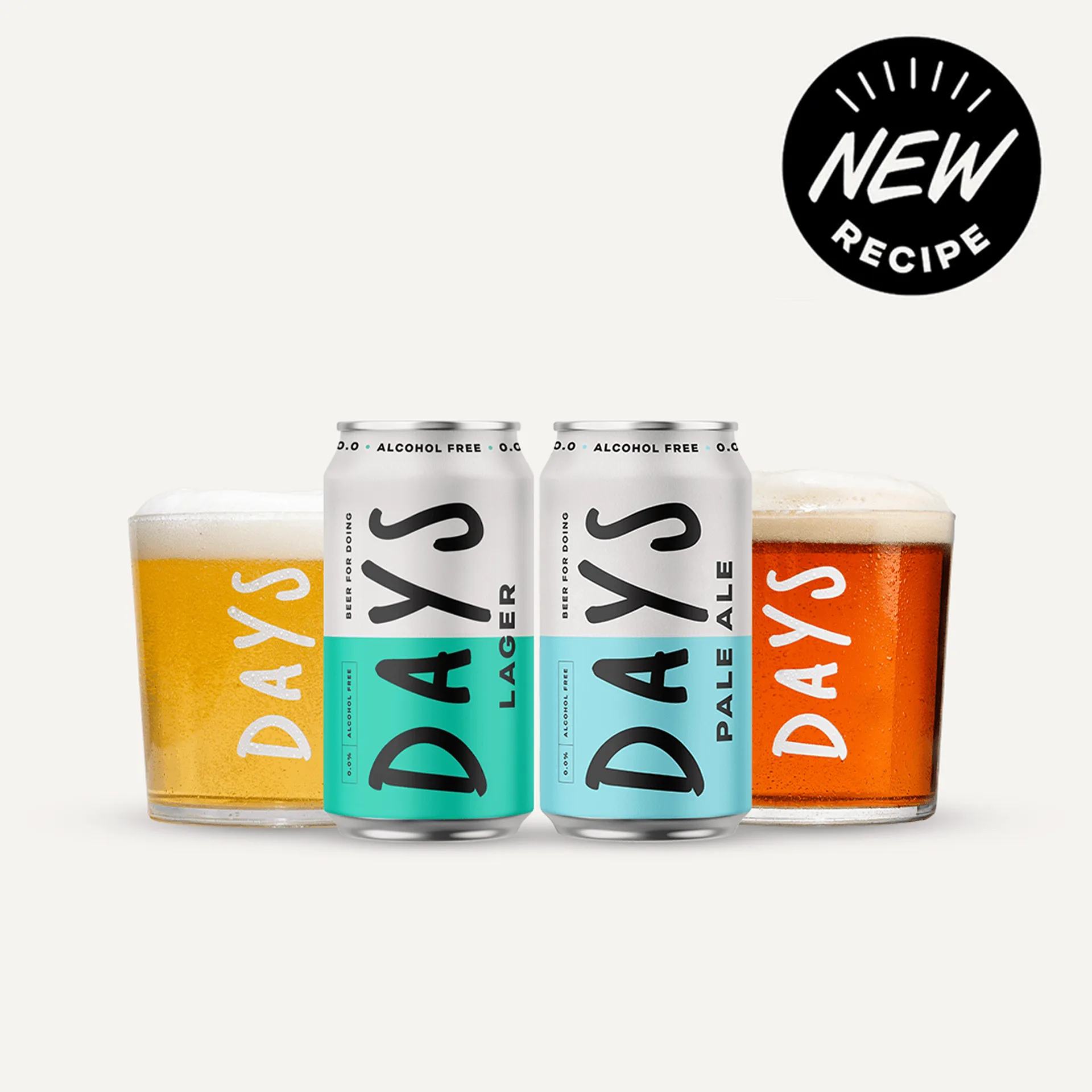
For DAYS, the quality of ingredients is paramount. Their DAYS LAGER, for example, uses a carefully selected blend of hops and malt to achieve a crisp, refreshing profile. The same attention to detail goes into their DAYS PALE ALE, which relies on aromatic hops for a citrusy finish. By starting with premium ingredients, DAYS ensures that even after alcohol removal, the beer retains its intended taste.
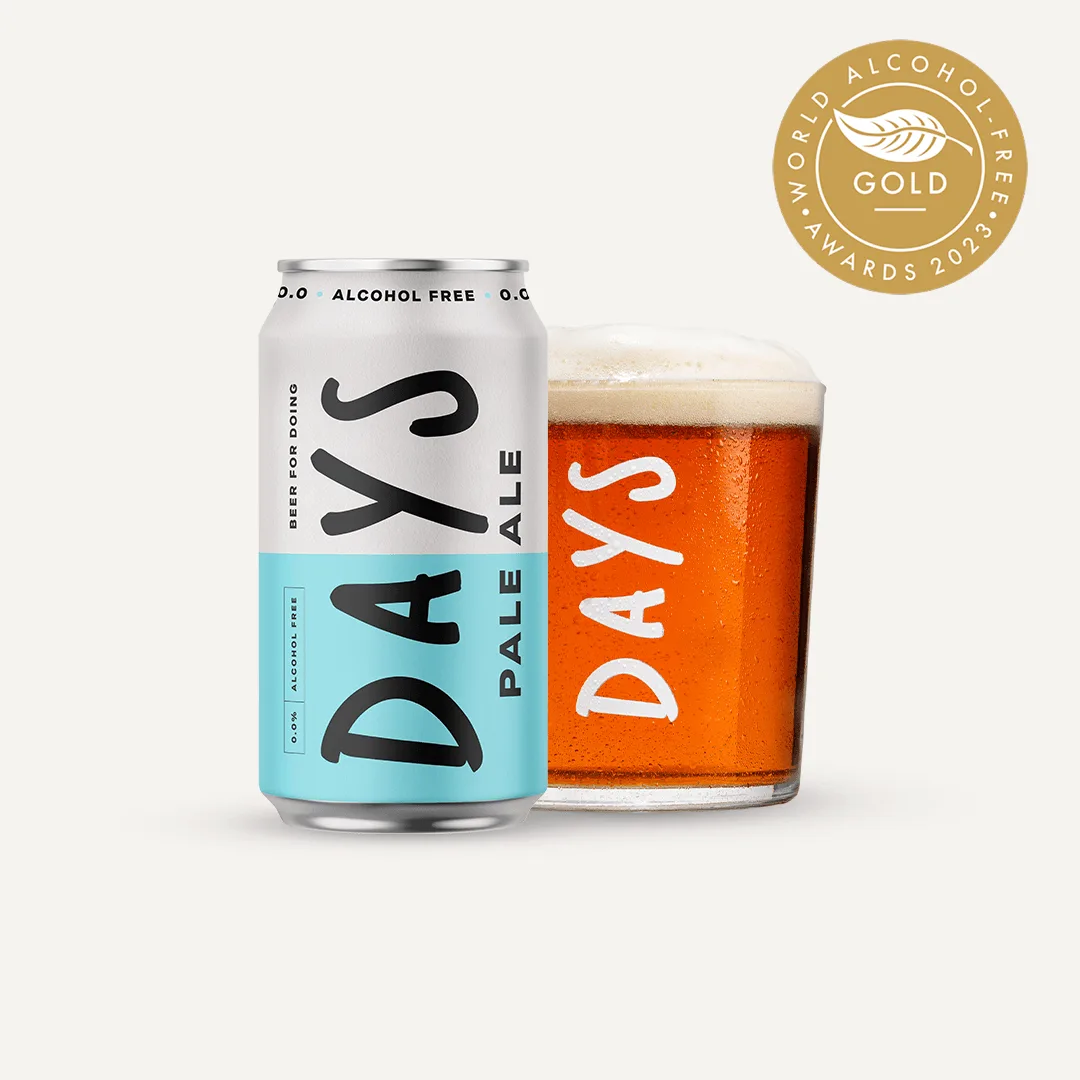
DAYS PALE ALE
Arrested Fermentation: Stopping Alcohol Before It Starts
One common method for producing alcohol-free beer is arrested fermentation. In this approach, the brewer controls the fermentation process to limit the production of alcohol. Yeast is added to the wort, but conditions such as low temperature or short fermentation time prevent the yeast from converting all sugars into alcohol. The result is a beer with very low alcohol (often below 0.5% ABV) and a slightly sweeter taste due to residual sugars.
While effective, arrested fermentation can sometimes leave a beer tasting unfinished or overly sweet. To counter this, brewers may use specialised yeast strains that produce minimal alcohol, or they may blend the arrested beer with fully fermented beer to balance flavour. DAYS, however, opts for a different technique to achieve their signature 0.0% profile without compromising on taste.
- Arrested fermentation is ideal for styles like wheat beers or fruit-infused lagers where a touch of sweetness is welcome.
Dealcoholization: Removing Alcohol After Fermentation
The most advanced method for creating 0.0% beer is dealcoholization, where the beer is brewed normally to full alcohol content and then the alcohol is gently removed. Two primary techniques are used: vacuum distillation and reverse osmosis. Vacuum distillation lowers the boiling point of alcohol by reducing pressure, allowing ethanol to evaporate at a lower temperature (around 30°C) without damaging delicate hop aromas. The alcohol is captured and removed, leaving behind a beer with less than 0.05% ABV.
Reverse osmosis, on the other hand, passes the beer through a semi-permeable membrane that separates alcohol and water from flavour compounds. The alcohol-rich fraction is discarded, and the flavourful concentrate is blended back with water. This method preserves the beer’s original character exceptionally well. DAYS uses a proprietary dealcoholization process that ensures their beers—like the tropical DAYS PASSION FRUIT LAGER and the fruity DAYS PEACH LAGER—retain their vibrant, authentic taste while being proudly 0.0%.
- Vacuum distillation is gentle on hop oils, making it perfect for hop-forward styles like pale ales.
- Reverse osmosis is highly effective for preserving delicate fruit flavours in specialty beers.
The Role of Yeast and Fermentation Management
Yeast is the engine of beer fermentation, but in alcohol-free brewing, its role must be carefully managed. Some brewers use non-Saccharomyces yeast strains that produce little to no alcohol, such as certain strains of Brettanomyces or Torulaspora delbrueckii. These yeasts create unique flavour profiles—often with fruity or funky notes—while keeping alcohol levels negligible.
Alternatively, brewers can ferment at very low temperatures (around 0–4°C) to slow yeast activity, or they can stop fermentation early by rapidly cooling the beer and filtering out the yeast. DAYS combines precise fermentation control with their dealcoholization step to ensure consistency across their range. Whether you’re enjoying a crisp lager or a hoppy pale ale, the yeast management plays a hidden but crucial role in the final flavour.
Flavour Recovery: Why Some 0.0% Beers Taste Better Than Others
The biggest challenge in alcohol-free brewing is flavour loss. Alcohol contributes body, mouthfeel, and even a slight warming sensation that enhances the perception of malt and hops. When alcohol is removed, the beer can taste thin or watery. To combat this, brewers employ several tricks. They may add unfermented wort (called ‘wort back’) to boost sweetness and body, or they use hop oils and natural flavourings to intensify aroma.
Another technique is dry-hopping—adding hops after fermentation—to increase hop character without adding bitterness. DAYS excels in this area, using a combination of malt selection, hop additions, and post-fermentation adjustments to create beers that are full-bodied and satisfying. Their DAYS MIXED LAGER & PALE ALE pack showcases how different styles can shine even at 0.0% ABV, thanks to careful flavour recovery.
- Look for beers that list ‘wort back’ or ‘hop extract’ on the label—these indicate extra steps taken to preserve flavour.
Carbonation and Packaging: The Final Steps
After dealcoholization and flavour adjustment, the beer is carbonated. Alcohol-free beers often require slightly higher carbonation levels to mimic the body that alcohol would normally provide. This gives the beer a lively, refreshing fizz that enhances the drinking experience. The beer is then filtered for clarity and packaged in cans or bottles under oxygen-free conditions to prevent staling.
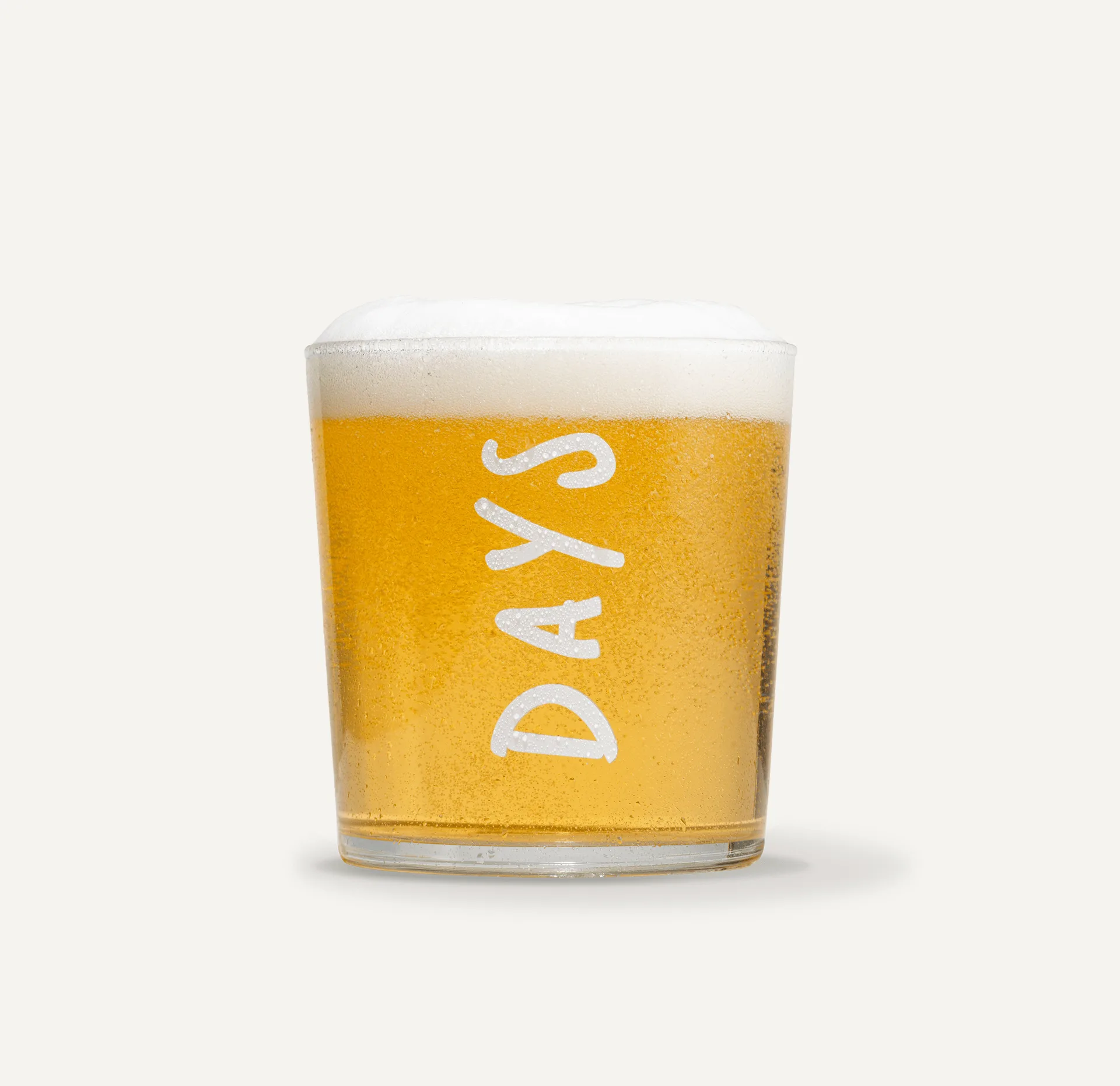
Packaging is especially important for alcohol-free beer because it is more susceptible to oxidation and spoilage due to the absence of alcohol’s preservative effects. DAYS uses high-quality canning technology to ensure their beers stay fresh and delicious. For the best experience, serve your DAYS beer chilled in a proper glass—like the DAYS Half Pint Glass—to appreciate its aroma and clarity.
- Always check the best-before date on alcohol-free beer, as it has a shorter shelf life than regular beer.
Understanding the science behind alcohol-free beer brewing reveals just how much skill and innovation goes into every can. From arrested fermentation to advanced dealcoholization, each method aims to preserve the authentic beer experience without the alcohol. DAYS Brewing Co uses cutting-edge techniques to create a range of 0.0% beers that are crisp, flavourful, and satisfying. If you’re curious to taste the results of this careful science, explore the DAYS range and discover your new favourite alcohol-free brew.