Have you ever paused mid-sip of a fizzy drink and wondered what exactly creates that satisfying pop and tingle on your tongue? Carbonation isn't just about making beverages look lively—it's a complex interplay of chemistry and physics that transforms a simple liquid into a multisensory experience. From the sharp bite of a citrus soda to the smooth effervescence of a cream soda, the science behind those tiny bubbles is fascinating and directly impacts how we perceive flavor.
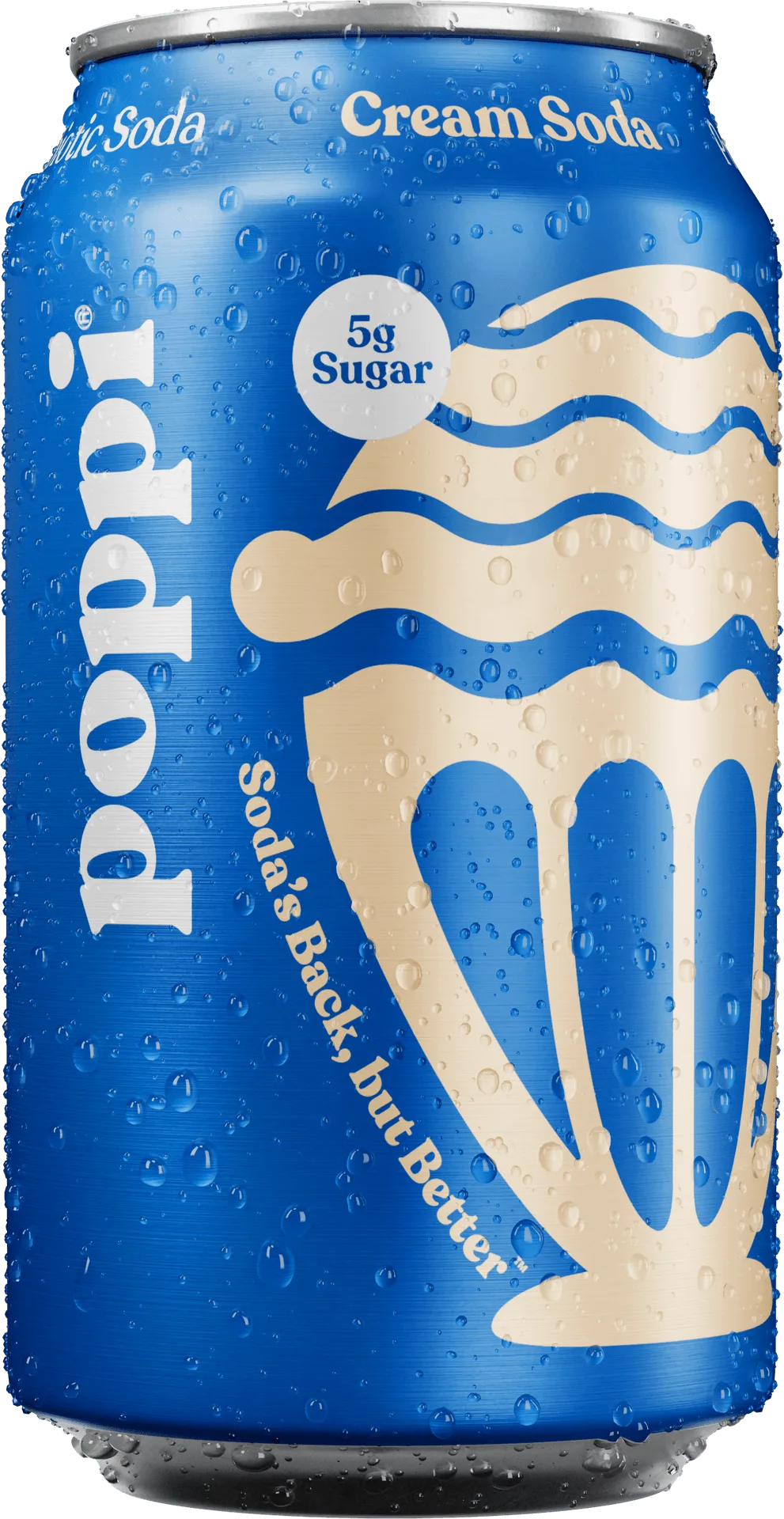
cream soda
In this article, we'll dive deep into the world of carbonation science, exploring how bubbles form, why they burst in your mouth, and what makes some fizzy drinks taste better than others. Whether you're a soda enthusiast or a casual fan of bubbly beverages, understanding the mechanics of fizz will change the way you enjoy every sip. Along the way, we'll highlight how Poppi's craft sodas, including Orange and Cream Soda, leverage carbonation to deliver a premium drinking experience.
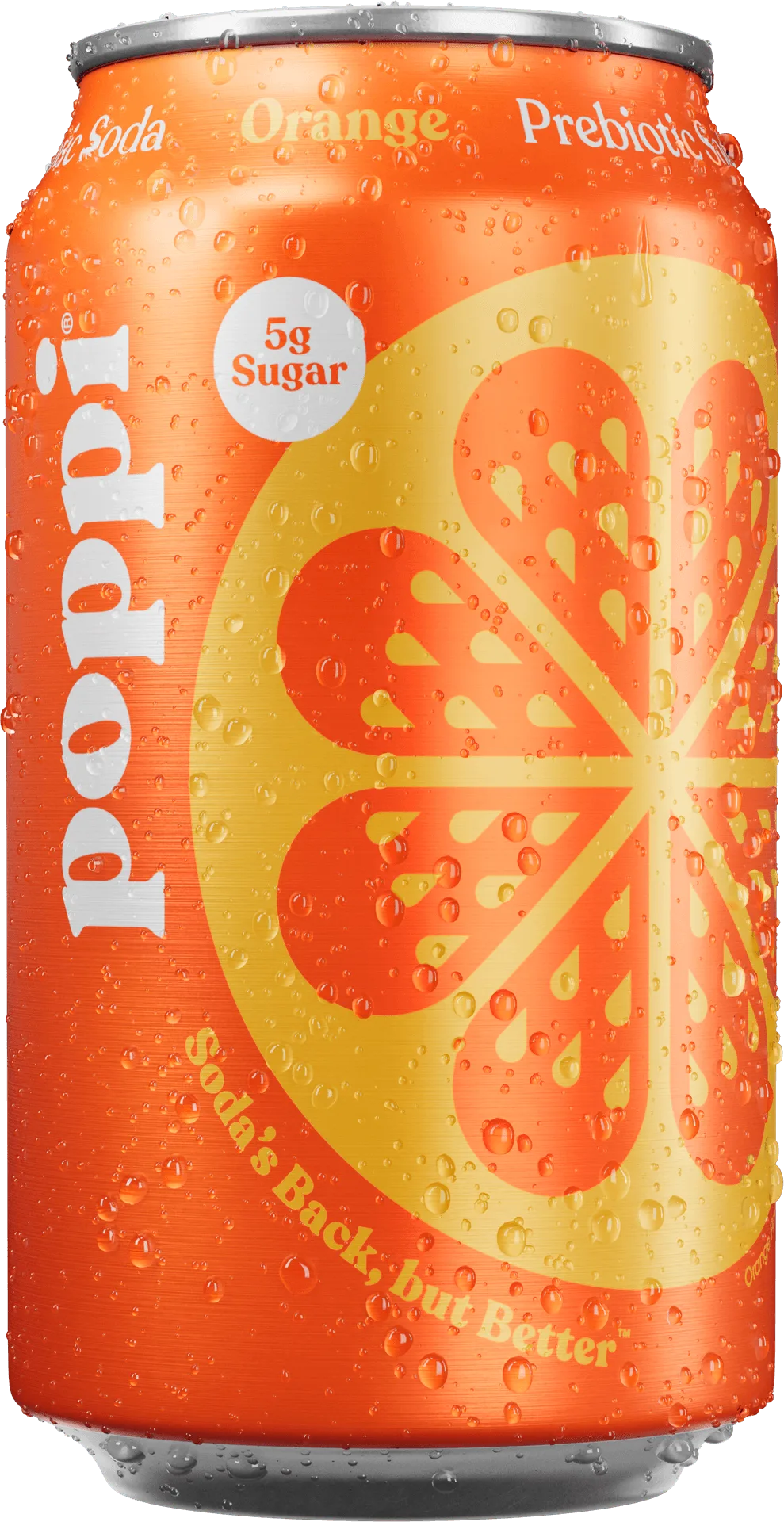
Orange
What Is Carbonation and How Does It Work?
At its core, carbonation is the process of dissolving carbon dioxide (CO₂) gas into a liquid under pressure. When you open a bottle or can of soda, the pressure drops, allowing the CO₂ to escape in the form of tiny bubbles. This is why a freshly opened soda fizzes vigorously—the gas is rapidly coming out of solution. The key to stable carbonation is temperature and pressure: colder liquids hold more CO₂, which is why sodas taste fizzier when chilled.
The physics behind bubble formation is equally intriguing. Bubbles don't just appear randomly; they require nucleation sites—tiny imperfections on the surface of the container or particles in the liquid. That's why a glass with a scratch will produce more bubbles than a perfectly smooth one. The size and number of bubbles also affect mouthfeel: smaller bubbles create a smoother, creamier sensation, while larger bubbles deliver a sharper, more aggressive fizz. Poppi's craft sodas are carefully carbonated to achieve an optimal bubble profile that enhances both aroma and taste.
- For the best fizz, always serve carbonated drinks well-chilled, ideally between 35-40°F (1.5-4°C).
- Avoid shaking your soda before opening—it disrupts the dissolved CO₂ and leads to excessive foaming.
How Bubbles Enhance Flavor and Aroma
Carbonation does more than just tickle your tongue—it actively changes how you perceive flavor. When a bubble bursts in your mouth, it releases a burst of carbonic acid, which mildly stimulates pain receptors and creates that characteristic 'bite.' This sensation enhances the perception of acidity and freshness, making citrus flavors like those in Orange soda taste brighter and more vibrant. The bubbles also act as carriers for volatile aroma compounds, lifting them to your nasal passages and amplifying the overall flavor experience.
The science of bubble-induced flavor delivery is why many premium sodas invest heavily in carbonation control. For example, Cream Soda relies on a softer, creamier carbonation to complement its vanilla and caramel notes without overpowering them. If the fizz were too aggressive, it would mask the delicate sweetness. Poppi's approach to carbonation is precise: each flavor profile is matched with a specific bubble size and intensity to ensure the drink tastes exactly as intended, from the first sip to the last.
- Try tasting a soda flat and then carbonated—you'll notice the flat version tastes duller and less aromatic.
- Swirl your glass gently before sipping to release more aroma without losing too much fizz.
Why Craft Sodas Like Poppi Excel at Carbonation
Not all fizzy drinks are created equal. Mass-market sodas often prioritize shelf stability and low cost, which can result in inconsistent carbonation levels or an overly sharp fizz. Craft sodas, on the other hand, treat carbonation as an art form. Poppi's small-batch production allows for meticulous control over CO₂ infusion, resulting in a more refined bubble structure that feels luxurious on the palate. The brand's commitment to using real fruit juices and natural flavors further elevates the experience, as the bubbles interact with authentic ingredients rather than artificial syrups.
Take Orange as an example: its bright, zesty character is amplified by a lively, medium-sized bubble that cleanses the palate between sips. In contrast, Cream Soda employs a gentler carbonation that wraps around the creamy vanilla notes like a soft cloud. This attention to detail is what sets craft sodas apart. By understanding the science behind carbonation, Poppi ensures that every bottle delivers not just a drink, but a sensory journey—one where the bubbles are an integral part of the flavor story, not just an afterthought.
- When comparing sodas, pour them into a clear glass and observe the bubble size and rising pattern—small, steady streams indicate quality carbonation.
- Store your craft sodas upright and away from light to preserve carbonation integrity over time.
The next time you crack open a cold soda, take a moment to appreciate the invisible science at work. Carbonation isn't just about making drinks look fun—it's a carefully engineered element that transforms flavor, texture, and enjoyment. Whether you prefer the bold zing of Orange or the smooth comfort of Cream Soda, Poppi's craft sodas are a perfect example of how mastering the fizz can elevate a simple beverage into something extraordinary. Explore the full lineup of Poppi's fizzy drinks and discover your new favorite bubble experience today.