Coffee roasting is both an art and a science. Every bean starts green, dense, and grassy — but within minutes of heat, it transforms into the aromatic, flavorful coffee we know. The roast level determines not just color, but the entire flavor profile: acidity, body, sweetness, and bitterness. Understanding the science behind coffee roasting levels helps you choose beans that match your taste and brewing method perfectly.
Whether you prefer a bright, fruity light roast or a bold, chocolatey dark roast, the roasting process unlocks hundreds of chemical reactions. In this guide, we’ll break down what happens inside the bean at each stage — and how you can use this knowledge to elevate your daily cup.
What Happens Chemically During Coffee Roasting?
Roasting is essentially a controlled pyrolysis — the application of heat to drive chemical changes. Green coffee beans contain water, carbohydrates, proteins, lipids, and organic acids. As the bean heats, moisture evaporates, and the Maillard reaction begins. This reaction between amino acids and reducing sugars creates hundreds of aromatic compounds, responsible for the brown color and toasted, nutty flavors.
Around 196°C (385°F), the first crack occurs — a popping sound as internal steam pressure fractures the bean structure. This is the transition from light to medium roast. Continued heating leads to the second crack (around 224°C / 435°F), where oils migrate to the surface and the bean becomes darker. The longer the roast, the more the bean’s cellular structure breaks down, reducing acidity and increasing bitterness.
- Maillard reaction: creates flavor complexity and browning
- First crack: marks the start of medium roast development
- Second crack: indicates dark roast, with surface oils and smoky notes
Light Roast: Bright, Fruity, and Complex
Light roast coffee is roasted just past the first crack, typically between 196°C and 205°C. The beans remain light brown with a matte surface and no visible oils. Because the bean is roasted for a shorter time, it retains more of its original characteristics — including high acidity, floral notes, and fruity flavors. Light roasts often taste like berries, citrus, or wine, with a tea-like body.
From a scientific perspective, light roasts preserve chlorogenic acid, which contributes to perceived acidity and antioxidant content. The Maillard reaction is less advanced, so caramelization is minimal. This roast level is ideal for pour-over methods like the V60 or Chemex, where clarity and brightness shine. If you’re exploring single-origin coffees, light roast reveals the bean’s true origin character.
- Best for: pour-over, drip coffee, and AeroPress
- Flavor profile: high acidity, fruity, floral, tea-like body
- Tip: grind slightly finer to extract fully without bitterness
Medium Roast: Balanced and Versatile
Medium roast coffee is roasted between first and second crack, typically around 210°C to 220°C. The beans are medium brown with a slightly oily surface. This roast level strikes a balance between origin flavors and roast-induced sweetness. You’ll notice moderate acidity, a fuller body, and notes of caramel, nuts, and milk chocolate.
Chemically, medium roasts have undergone more Maillard reaction and some caramelization. The bean’s acidity is muted compared to light roast, but sweetness and body increase. Medium roasts are the most versatile — they work well for espresso, French press, and drip coffee. They’re also the sweet spot for those who want complexity without extreme brightness or bitterness.
- Best for: espresso, French press, drip, and milk-based drinks
- Flavor profile: balanced acidity, caramel sweetness, nutty, medium body
- Tip: use a medium grind for most brewing methods
Dark Roast: Bold, Smoky, and Full-Bodied
Dark roast coffee is roasted past the second crack, often to 225°C or higher. The beans are dark brown to almost black, with a shiny, oily surface. The cellular structure is significantly degraded, resulting in a porous bean that extracts quickly. Dark roasts taste smoky, bittersweet, and sometimes charred, with low acidity and a heavy body.
Scientifically, dark roasts have undergone extensive pyrolysis. Most chlorogenic acid is destroyed, reducing acidity. Caramelization turns to carbonization, producing bitter compounds. The oils on the surface contain volatile aromatics like smoky and spicy notes. Dark roasts are ideal for espresso and milk-based drinks, where the bold flavor cuts through milk. They also work well in a French press for a rich, full cup.
- Best for: espresso, lattes, cappuccinos, and French press
- Flavor profile: low acidity, smoky, bittersweet, heavy body
- Tip: use a coarser grind to avoid over-extraction and bitterness
How Roast Level Affects Brewing Parameters
Your roast level should influence how you brew. Light roasts are denser and harder to extract, so they require hotter water (93–96°C) and a finer grind. Medium roasts are more forgiving — use water around 90–93°C and a medium grind. Dark roasts extract easily, so use slightly cooler water (88–91°C) and a coarser grind to prevent bitterness.
For espresso, dark roasts are traditional because they produce a thick crema and bold flavor. However, many specialty cafes now use medium roasts for espresso to highlight origin notes. If you’re using a manual grinder like the WatchHouse Comandante C40 MK4 Grinder, you can dial in precise grind sizes for each roast level. And for precise water temperature control, the Fellow Stagg EKG Electric Kettle is a game-changer.
- Light roast: fine grind, 93–96°C water, longer extraction
- Medium roast: medium grind, 90–93°C water, standard extraction
- Dark roast: coarse grind, 88–91°C water, shorter extraction
Choosing the Right Roast for Your Taste and Brewing Method
Your personal preference is the ultimate guide. If you enjoy bright, fruity flavors and high acidity, start with light roasts. If you prefer a balanced cup with sweetness and body, medium roasts are your friend. If you love bold, smoky, and bittersweet coffee, go dark. Also consider your brewing method: pour-over and AeroPress favor light to medium roasts, while espresso and French press handle dark roasts beautifully.
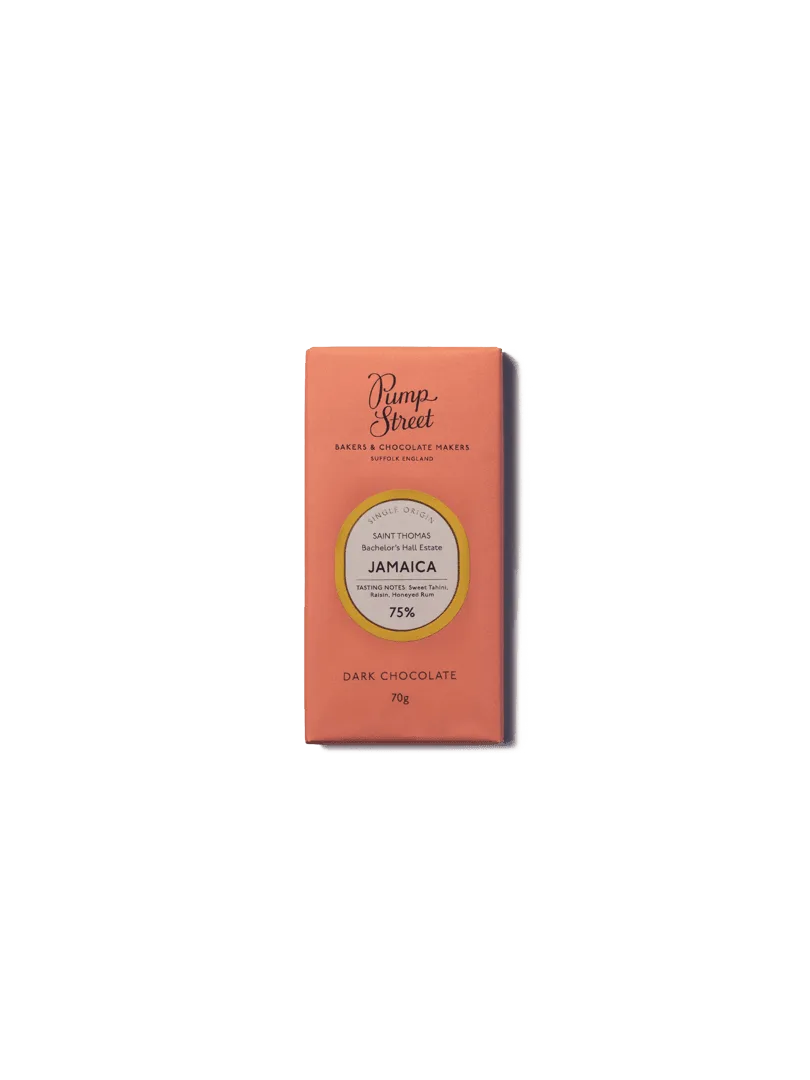
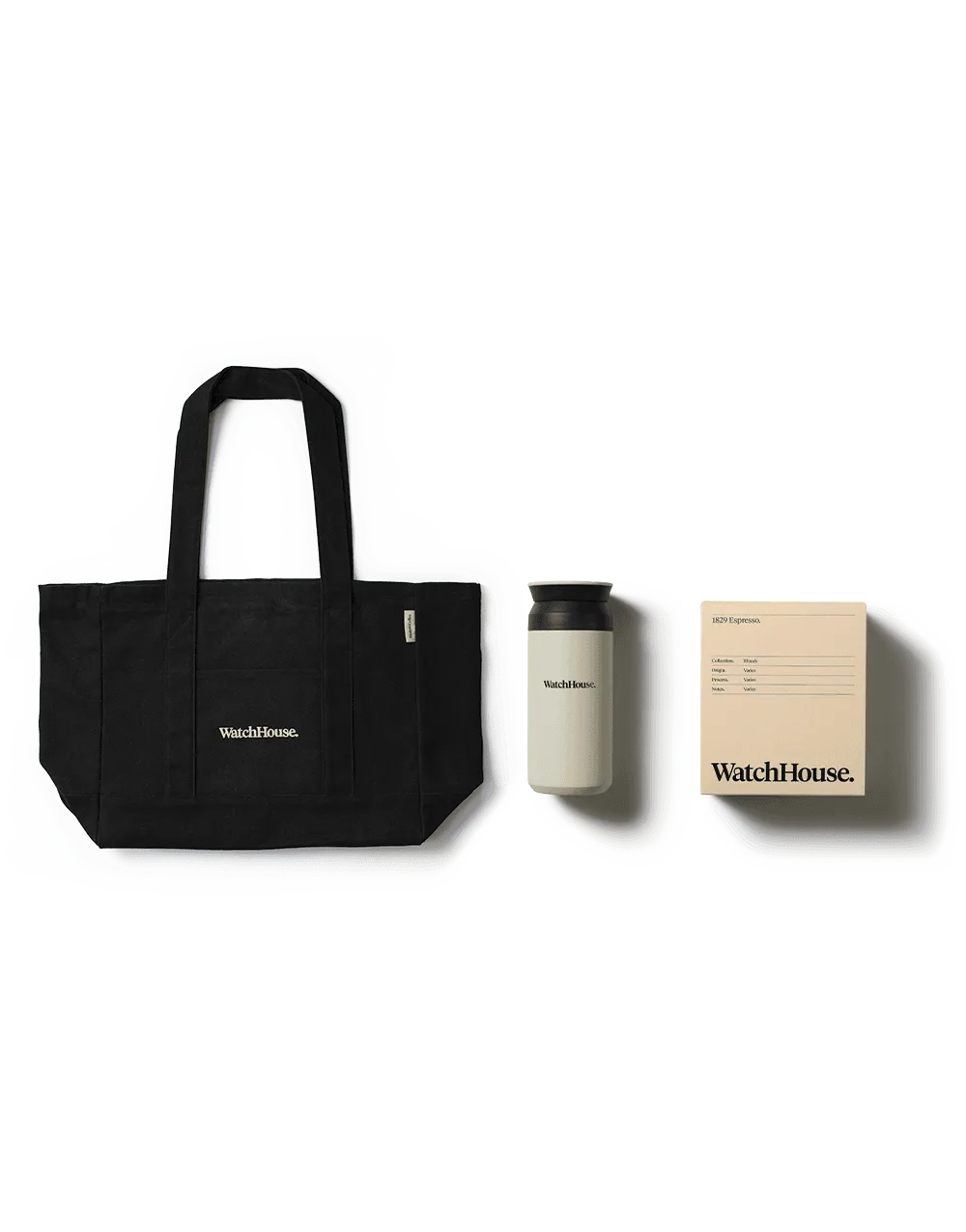
Don’t be afraid to experiment. Many coffee lovers keep multiple roast levels on hand — a light roast for morning pour-over and a dark roast for afternoon espresso. Subscription services like the Roaster's Spotlight Subscription let you explore different roasts from top roasters without committing to a full bag. For a truly special treat, pair a dark roast with a bar of Pump Street Jamaica 75% dark chocolate — the smoky notes complement the chocolate’s richness perfectly.
- Light roast: pour-over, AeroPress, single-origin lovers
- Medium roast: all-purpose, espresso, milk drinks
- Dark roast: espresso, French press, bold flavor seekers
Understanding the science behind coffee roasting levels empowers you to choose beans that match your palate and brewing style. Whether you’re a light-roast purist or a dark-roast devotee, the key is to experiment and enjoy the journey. Ready to explore? Check out the Roaster's Spotlight Subscription to discover new roasts from top craft roasters, delivered fresh to your door.