Coffee scrubs have become a staple in body care routines, promising smoother, firmer, and more radiant skin. But what does science actually say about these gritty treatments? Beyond the indulgent aroma, there's a fascinating interplay of exfoliation, caffeine delivery, and antioxidant protection that makes coffee scrubs more than just a sensory treat.
In this article, we'll dive into the research-backed mechanisms behind coffee scrubs, exploring how they work on your skin at a cellular level. From the physical action of the grounds to the bioactive compounds in coffee, you'll understand why this ingredient deserves a permanent spot in your shower caddy.
The Physical Exfoliation Mechanism
At its core, a coffee scrub is a physical exfoliant. The coarse texture of coffee grounds provides mechanical abrasion that helps remove dead skin cells from the surface. This process, known as desquamation, reveals the fresher, younger skin cells underneath, leading to a smoother and more even complexion.
Unlike some harsh synthetic beads, coffee grounds are biodegradable and have a natural, irregular shape that can be gentler on the skin while still effective. The particle size matters: too fine and they won't exfoliate; too coarse and they can cause micro-tears. Many commercial coffee scrubs, like those from frank body, balance this by using finely ground coffee that offers effective yet safe exfoliation.
- Always use a coffee scrub on damp skin to reduce friction and prevent irritation.
- Massage in circular motions for about 1-2 minutes, focusing on rough areas like elbows and knees.
Caffeine and Skin Absorption
One of the most intriguing aspects of coffee scrubs is the potential for caffeine to be absorbed through the skin. Caffeine is a lipophilic molecule, meaning it can penetrate the lipid barrier of the skin. Once absorbed, it has several effects on skin cells.
Caffeine is known to constrict blood vessels, which can reduce puffiness and inflammation. This is why caffeine is a common ingredient in eye creams. When applied via a body scrub, caffeine may help temporarily tighten the skin, giving it a firmer appearance. Additionally, caffeine has been shown to stimulate microcirculation, which can enhance the delivery of oxygen and nutrients to skin cells, promoting a healthy glow.
- For best results, leave the scrub on your skin for a few minutes after massaging to allow caffeine to penetrate.
- Combine with a caffeine-infused body care routine for enhanced benefits.
Antioxidant Power of Coffee
Coffee is rich in polyphenols and chlorogenic acids, which are potent antioxidants. These compounds help neutralize free radicals—unstable molecules that can cause oxidative stress and accelerate skin aging. By applying coffee topically, you can deliver these antioxidants directly to your skin, helping to combat environmental damage from UV rays and pollution.
Research suggests that coffee extracts can inhibit the activity of matrix metalloproteinases (MMPs), enzymes that break down collagen and elastin. By reducing MMP activity, coffee may help preserve skin elasticity and reduce the appearance of fine lines and wrinkles. While more studies are needed in humans, the existing evidence points to coffee as a valuable anti-aging ingredient.
- Look for coffee scrubs that also contain other antioxidant-rich ingredients like vitamin C or green tea.
- Pair your scrub with a moisturizer containing antioxidants to prolong the benefits.
The Role of Coffee in Reducing Cellulite Appearance
Cellulite is a common concern, and coffee scrubs are often touted as a remedy. While no topical treatment can permanently eliminate cellulite, caffeine may offer temporary improvements. Caffeine's ability to dehydrate fat cells and improve blood flow can reduce the dimpled appearance of cellulite, though the effect is short-lived.
A study published in the Journal of Cosmetic Dermatology found that a cream containing caffeine and other active ingredients significantly reduced thigh circumference and improved skin smoothness in women with cellulite. While a scrub is not a cream, the mechanical massage involved in applying a coffee scrub can also help stimulate lymphatic drainage, which may further reduce the appearance of cellulite temporarily.
- Use a coffee scrub consistently, 2-3 times a week, to see potential temporary improvements.
- Combine with dry brushing and hydration for a more comprehensive approach.
Coffee scrubs are more than just a trendy indulgence—they're backed by science. From physical exfoliation to caffeine's skin-tightening effects and antioxidant protection, these scrubs offer a multi-faceted approach to skin health. To experience these benefits firsthand, consider incorporating a high-quality coffee scrub into your routine. For a complete body care regimen, pair your scrub with the Nourishing Cream Moisturiser to lock in hydration and keep your skin silky smooth.
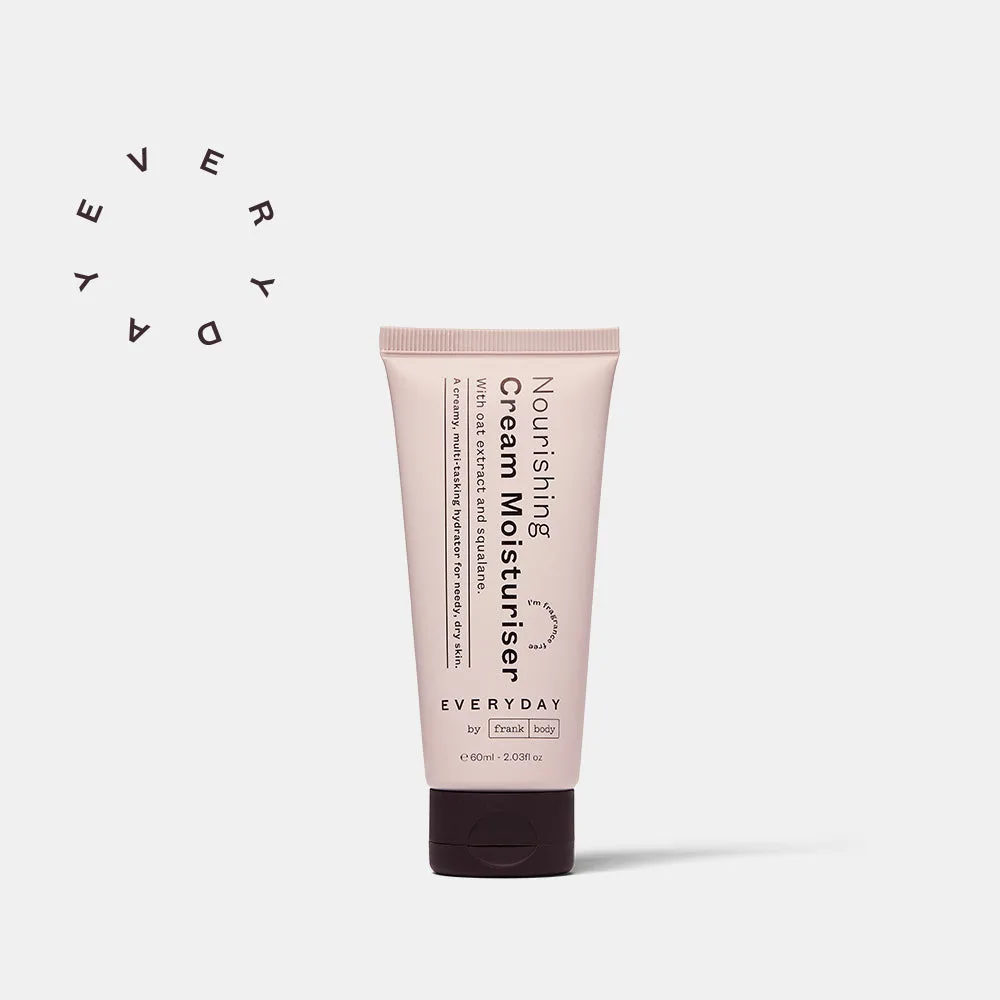
Nourishing Cream Moisturiser