As a parent, you know that getting your child to eat enough fibre can be a daily struggle. Between picky eating habits and a love for processed snacks, many kids fall short of the recommended daily intake. That's where fibre gummies for kids come in—a tasty, convenient way to bridge the gap. But what does science say about how these gummies actually work? In this article, we'll dive into the research behind fibre gummies, their role in digestion, and why they've become a popular choice for parents.
Fibre is a crucial component of a healthy diet, yet most children don't get enough. According to the American Academy of Pediatrics, kids need about 14 grams of fibre for every 1,000 calories consumed. That's roughly 25-30 grams per day for older kids, but many fall short. Fibre gummies offer a simple solution, but understanding the science behind them can help you make an informed decision for your child's health.
What Is Fibre and Why Do Kids Need It?
Fibre is a type of carbohydrate that the body can't digest. Unlike sugars and starches, fibre passes through the digestive system relatively intact. There are two main types: soluble and insoluble. Soluble fibre dissolves in water to form a gel-like substance, which helps slow digestion and regulate blood sugar. Insoluble fibre adds bulk to stool, promoting regular bowel movements and preventing constipation.
For kids, fibre is essential for healthy digestion, but it also plays a role in nutrient absorption, weight management, and even immune function. A diet rich in fibre can help prevent childhood obesity and reduce the risk of developing chronic diseases later in life. However, many children's diets are high in refined grains and low in fruits, vegetables, and whole grains, leading to a fibre deficit.
- Soluble fibre: found in oats, apples, and beans, helps with blood sugar control.
- Insoluble fibre: found in whole wheat, nuts, and vegetables, supports bowel regularity.
- Daily fibre needs vary by age, but most kids need 15-30 grams per day.
How Do Fibre Gummies Work? The Mechanism Explained
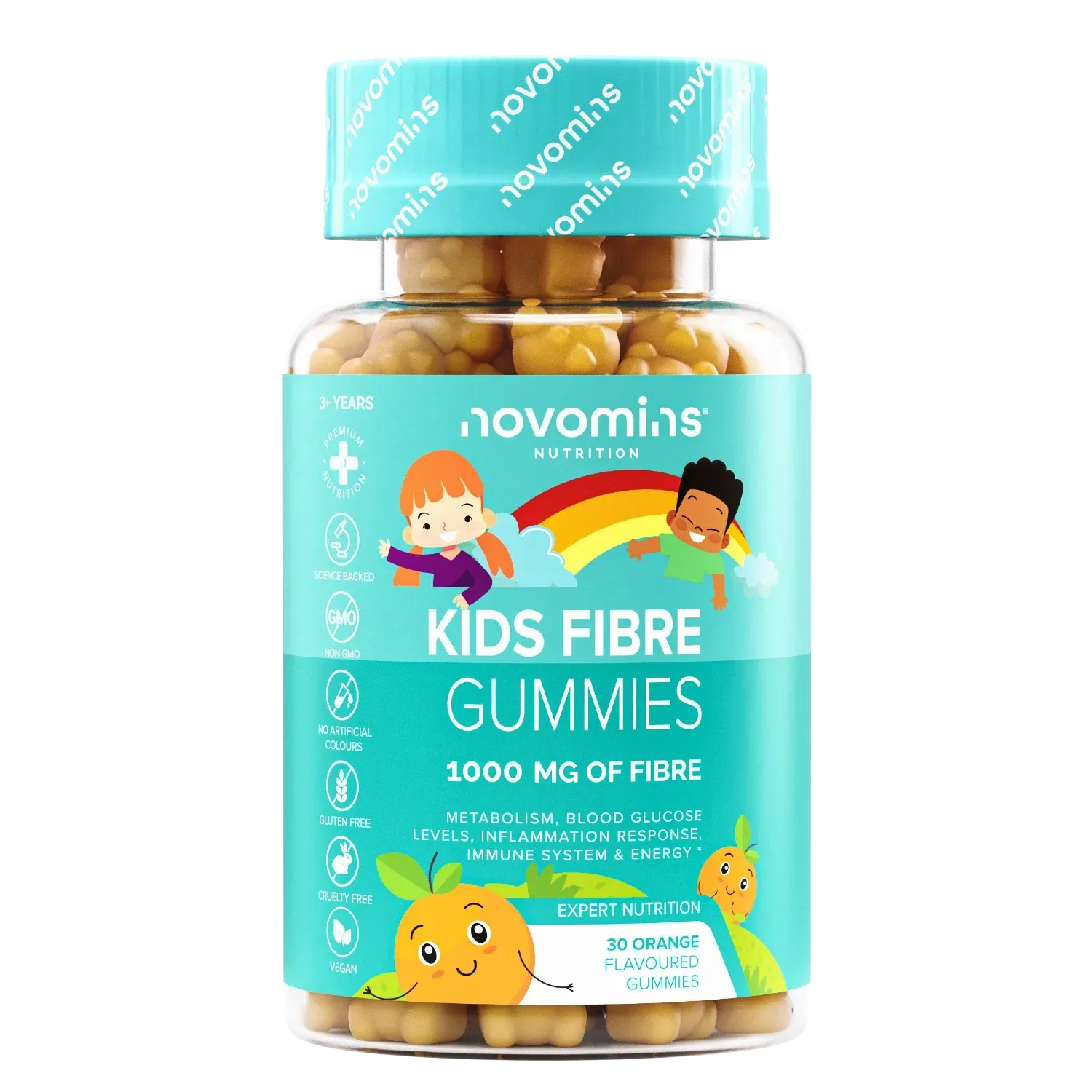
Fibre gummies are designed to deliver a concentrated dose of fibre in a chewable, kid-friendly form. The science behind them lies in the type of fibre used and how it interacts with the digestive system. Most fibre gummies use a blend of soluble and insoluble fibres, such as inulin, polydextrose, or fructooligosaccharides (FOS). These fibres act as prebiotics, feeding the beneficial bacteria in the gut.
When your child chews and swallows a fibre gummy, the fibre travels to the stomach and then to the intestines. Soluble fibre dissolves in water, forming a gel that slows digestion, which can help your child feel fuller for longer. Insoluble fibre, on the other hand, absorbs water and adds bulk to the stool, making it easier to pass. This dual action helps regulate bowel movements and prevent constipation, a common issue in kids.
Research shows that prebiotic fibres like inulin can increase the frequency of bowel movements and improve stool consistency in children. A study published in the Journal of Pediatric Gastroenterology and Nutrition found that children who consumed a prebiotic supplement experienced softer stools and fewer episodes of constipation. This is because prebiotics stimulate the growth of beneficial bacteria, such as Bifidobacteria, which produce short-chain fatty acids that promote gut health.
- Look for gummies with a mix of soluble and insoluble fibres for best results.
- Prebiotic fibres like inulin and FOS are commonly used and well-studied.
- Always check the label for the fibre type and amount per serving.
The Benefits of Fibre Gummies for Kids' Gut Health
Fibre gummies offer more than just convenience; they can significantly impact your child's gut health. A healthy gut microbiome is crucial for digestion, nutrient absorption, and even mood regulation. By providing prebiotic fibre, these gummies help maintain a balanced gut flora, which is especially important during childhood when the microbiome is still developing.
One of the key benefits is the prevention and relief of constipation. Many children struggle with hard, infrequent stools, which can be painful and lead to withholding behavior. Fibre gummies can soften stools and increase frequency, making bowel movements more comfortable. Additionally, the prebiotic effect can reduce inflammation in the gut and support the immune system, as a large portion of the immune system resides in the digestive tract.
Furthermore, fibre gummies can help kids feel fuller, which may reduce overeating and support healthy weight management. However, it's important to remember that gummies should complement a balanced diet, not replace whole foods rich in fibre. Encouraging your child to eat fruits, vegetables, and whole grains remains essential.
- Supports regular bowel movements and prevents constipation.
- Promotes a healthy gut microbiome through prebiotic action.
- May help with satiety and weight management when combined with a healthy diet.
Choosing the Right Fibre Gummies for Your Child
When selecting a fibre supplement for your child, it's important to consider the type of fibre, the dosage, and the ingredients. Look for gummies that use natural fibres like inulin or FOS, which are well-tolerated and have been studied in children. Avoid gummies with high amounts of added sugar or artificial colors, as these can counteract the health benefits.
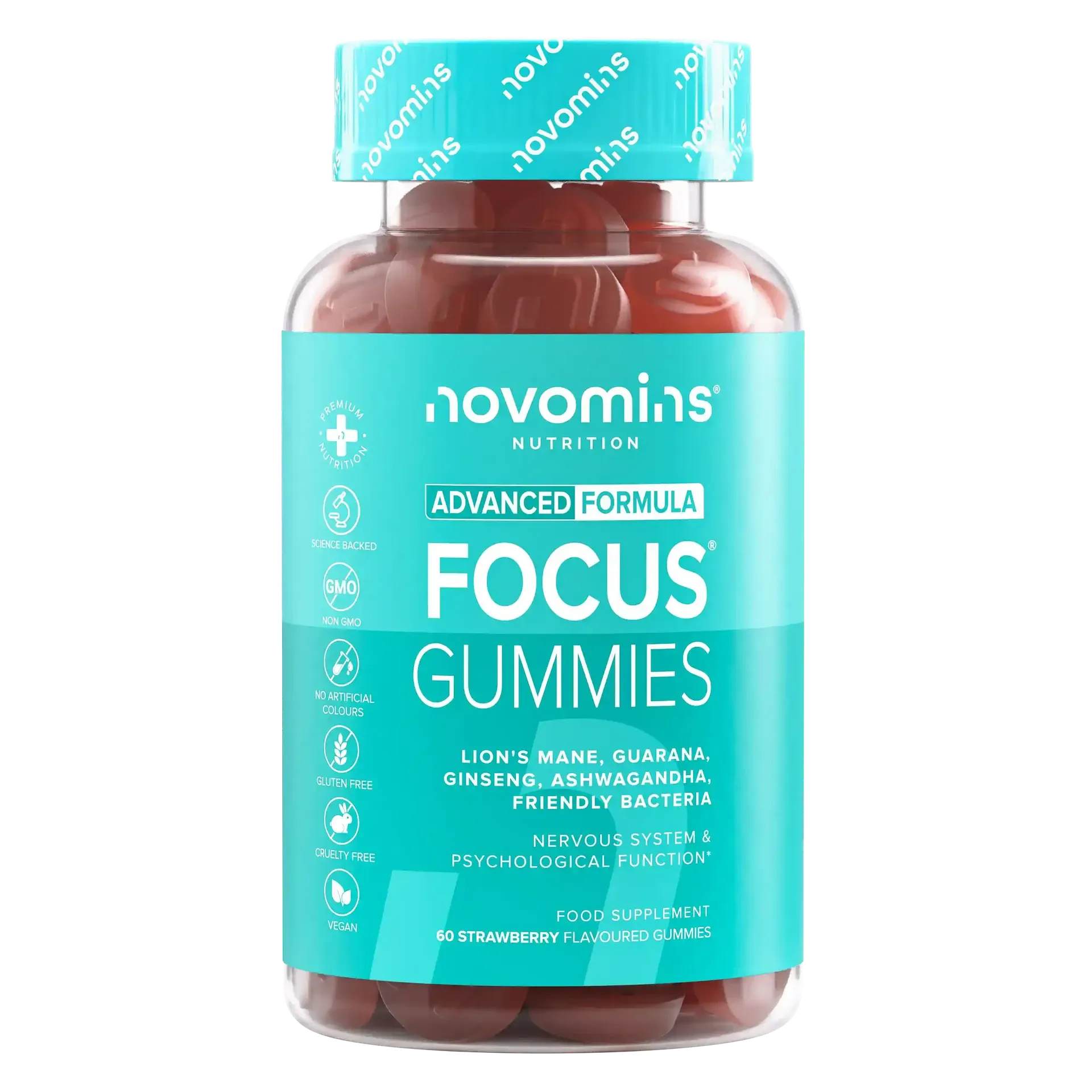
At Novomins, we offer a range of gummy supplements designed with kids in mind. Our Focus Gummies and Folic Acid Gummies are examples of how we prioritize quality and efficacy. While we don't currently have a dedicated fibre gummy, our products are formulated with clean ingredients and are free from unnecessary additives, making them a great choice for your child's daily supplement routine.
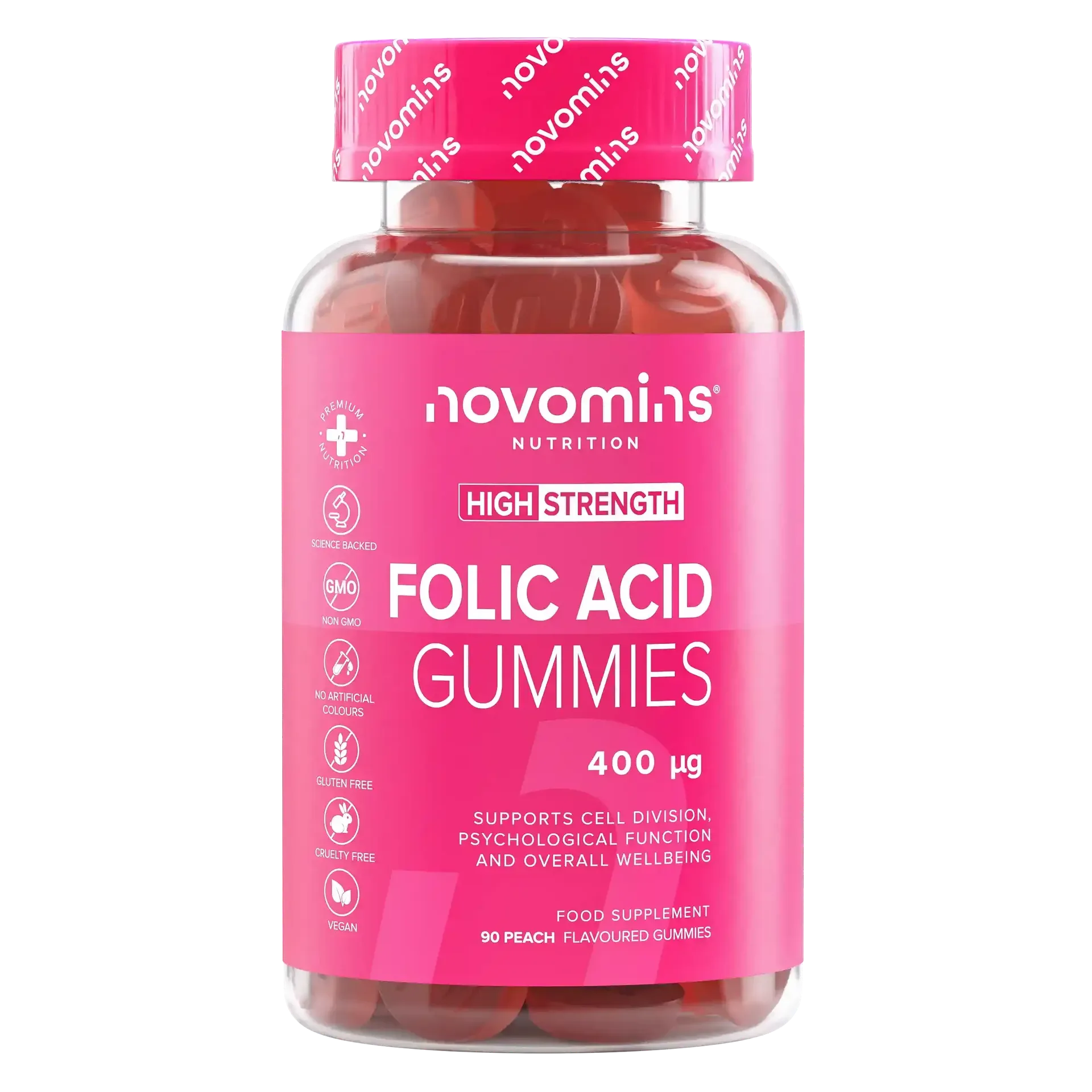
Folic Acid Gummies
Always consult with your pediatrician before introducing any new supplement, especially if your child has underlying health conditions or takes medication. Start with a lower dose and gradually increase to allow the digestive system to adjust, as sudden increases in fibre can cause gas and bloating.
- Check the fibre type and amount per serving (aim for 2-5 grams).
- Choose gummies with low sugar content (less than 3 grams per serving).
- Look for third-party testing or certifications for quality assurance.
Potential Side Effects and How to Manage Them
While fibre gummies are generally safe, some children may experience mild side effects, especially when first starting. These can include gas, bloating, and abdominal cramps. This is because the gut bacteria are adjusting to the increased fibre intake. To minimize these effects, introduce the gummies gradually and ensure your child drinks plenty of water throughout the day.
If your child experiences persistent discomfort, consider reducing the dose or switching to a different type of fibre. It's also important to note that too much fibre can interfere with the absorption of certain minerals, such as calcium and iron. However, this is rare with gummy supplements, as they contain moderate amounts of fibre.
Remember, fibre gummies are a supplement, not a replacement for a healthy diet. Encourage your child to eat a variety of fibre-rich foods, and use gummies as a convenient way to fill gaps. As always, consult your healthcare provider if you have any concerns.
- Start with half a serving and gradually increase over a week.
- Ensure adequate water intake to prevent constipation.
- Monitor for any allergic reactions or unusual symptoms.
Fibre gummies for kids offer a science-backed way to support healthy digestion and overall gut health. By understanding how they work and choosing the right product, you can help your child thrive. If you're looking for quality gummy supplements, explore our range at Novomins, including our Focus Gummies, designed to support your child's daily health.