Have you ever caught a whiff of a familiar scent and instantly felt transported to a childhood memory, or felt a wave of calm wash over you when smelling lavender? Fragrance is far more than a pleasant accessory—it is a powerful tool that can shape our emotions, reduce stress, and even boost productivity. The science behind fragrance, often referred to as aromatherapy or olfactory psychology, reveals that our sense of smell is directly linked to the brain's limbic system, which governs emotion, memory, and behavior.
In this article, we’ll dive into the fascinating science of how scents affect your mood, explore the psychological effects of fragrance, and share practical tips for using scent to enhance your daily life. Whether you’re looking to relax after a long day or energize your morning routine, understanding the science of fragrance can help you choose the perfect scent for every moment.
The Olfactory System: How Your Brain Processes Scent
When you inhale a fragrance, odor molecules travel up your nasal passages and bind to olfactory receptors. These receptors send signals directly to the olfactory bulb, which is part of the brain's limbic system—the same region that controls emotions, memories, and arousal. Unlike other senses, smell bypasses the thalamus, meaning scent has a direct, immediate impact on your emotional state.
This unique neural pathway explains why a particular perfume can evoke a vivid memory or why the smell of fresh baked bread can make you feel comforted. The brain associates scents with past experiences, creating powerful emotional responses. This is the foundation of aromatherapy, where specific essential oils are used to influence mood and well-being.
- The limbic system includes the amygdala (emotion) and hippocampus (memory), making scent a direct trigger for feelings and recollections.
- Unlike sight or sound, scent signals are processed almost instantly, which is why fragrance can alter your mood within seconds.
How Different Scents Affect Your Mood
Research has identified several scent families that consistently produce specific psychological effects. Citrus scents like lemon and orange are known for their uplifting and energizing properties, making them ideal for morning routines or study sessions. Lavender and chamomile are widely recognized for their calming and sleep-promoting effects, often used in relaxation products. Woody and earthy fragrances such as sandalwood and cedar can ground and center the mind, reducing anxiety.
Floral scents like rose and jasmine have been shown to reduce stress and elevate mood, while peppermint and eucalyptus can boost alertness and mental clarity. The key is to match the scent to your desired outcome. For example, if you need to focus, a minty or citrusy scent can help sharpen concentration. If you’re winding down for the night, a soft lavender or vanilla blend can signal your body to relax.
- Citrus: energizing, mood-boosting, great for mornings or workouts.
- Lavender: calming, sleep-inducing, ideal for bedtime or stress relief.
- Peppermint: invigorating, enhances focus and alertness.
- Vanilla: comforting, reduces anxiety, promotes relaxation.
Fragrance and Emotional Memory: Why Scent Triggers Memories
One of the most remarkable aspects of fragrance science is its ability to unlock vivid memories. This phenomenon, known as the Proust effect, occurs because the olfactory bulb is closely connected to the hippocampus, the brain’s memory center. A single scent can bring back a detailed recollection of a person, place, or event from years ago, often accompanied by the same emotions felt at that time.
This is why many people associate the scent of a particular flower with their grandmother’s garden, or the smell of sunscreen with summer vacations. Brands often leverage this by creating signature scents that become linked to positive experiences. When you use a fragrance regularly—like a body lotion or mist—it can become a personal anchor for happy memories, reinforcing a sense of comfort and identity.
- The Proust effect shows that scent is the strongest trigger for autobiographical memories.
- Using a consistent fragrance during happy moments can create lasting positive associations.
Practical Ways to Use Fragrance for Mood Enhancement
Integrating fragrance into your daily routine is simple and effective. Start your morning with an invigorating citrus or mint scent to boost energy and focus—try layering a body wash and mist for a lasting effect. For work or study, keep a small spray of a stimulating fragrance nearby to refresh your mind during slumps. In the evening, switch to calming scents like lavender or chamomile to signal your body that it’s time to unwind.
You can also use fragrance to create a personal ritual. For instance, applying a scented body lotion after a shower can be a mindful moment that sets the tone for your day or night. Many people find that wearing a signature scent boosts confidence and helps them feel more put together. The key is to choose scents that resonate with you and use them intentionally.
- Morning: citrus or peppermint body wash + mist for an energizing start.
- Work: keep a travel-size mist at your desk for a mid-afternoon refresh.
- Evening: lavender or vanilla lotion to promote relaxation before bed.
The Role of Quality Ingredients in Fragrance Benefits
Not all fragrances are created equal. High-quality, natural ingredients tend to offer more pronounced therapeutic benefits compared to synthetic alternatives. Essential oils derived from plants contain complex chemical compounds that interact with the body in subtle ways. For example, real lavender oil contains linalool and linalyl acetate, which have documented calming effects on the nervous system.
When choosing fragrance products, look for those that use genuine essential oils and avoid harsh synthetic chemicals. Brands that prioritize clean, skin-safe ingredients not only provide a better scent experience but also reduce the risk of irritation. Investing in quality products ensures you get the full mood-enhancing benefits without unwanted side effects.
- Look for products labeled with essential oils rather than just 'fragrance' or 'parfum'.
- High-quality ingredients often have more complex, layered scents that last longer.
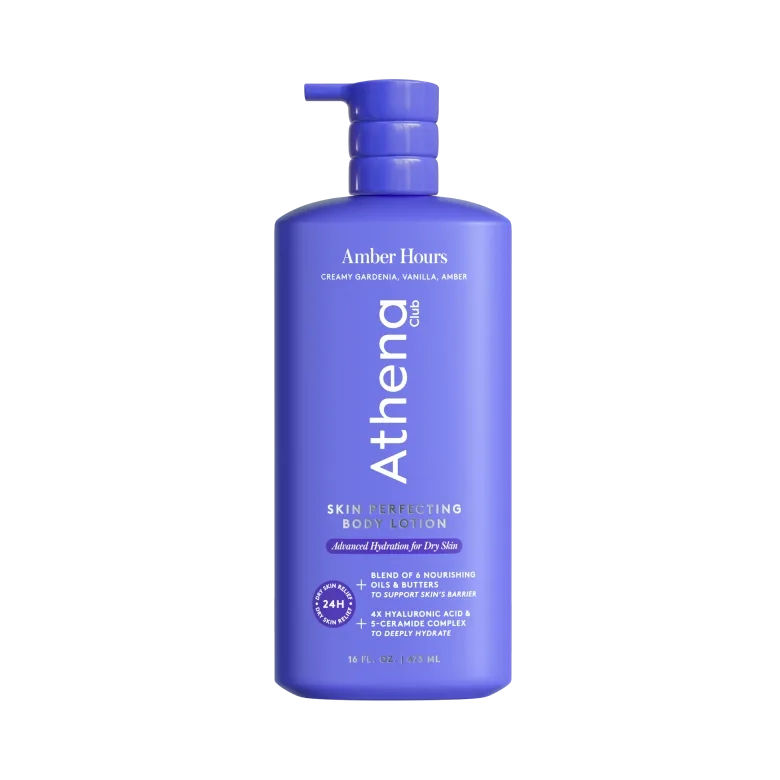
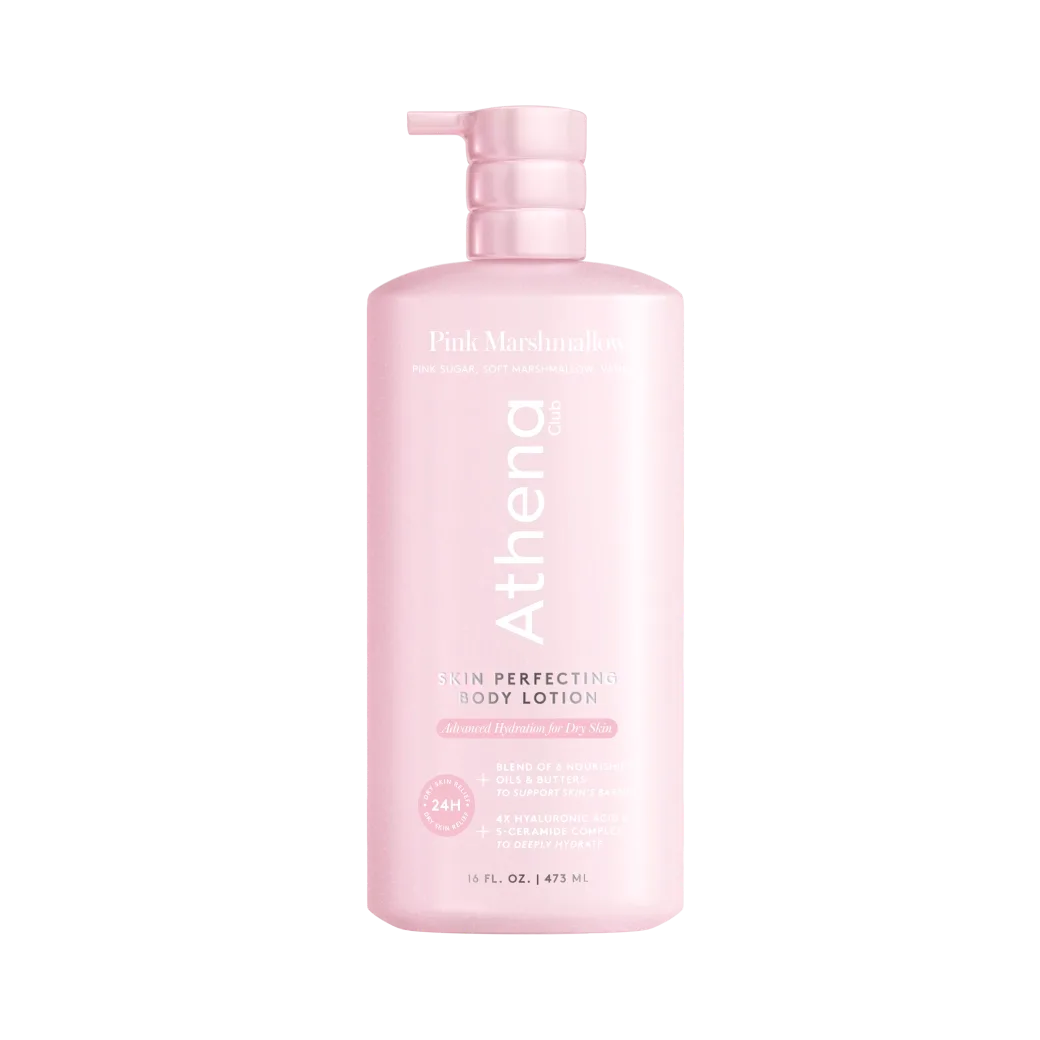
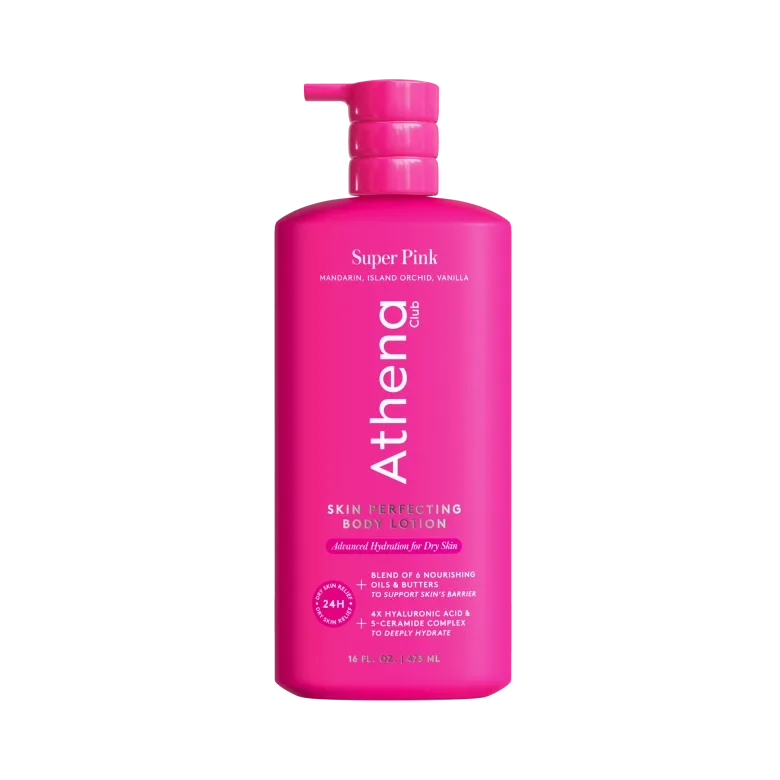
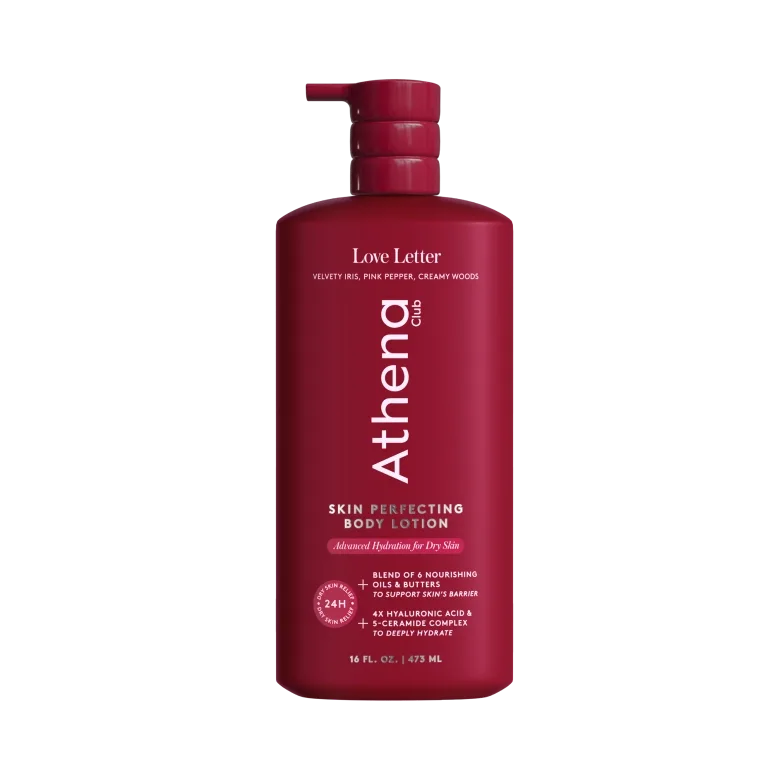
Understanding the science behind fragrance empowers you to make intentional choices that support your emotional well-being. Whether you want to energize your morning, focus during work, or unwind at night, the right scent can make all the difference. Explore our collection of thoughtfully crafted products, like the https://athenaclubhfr.com/products/skin-perfecting-body-lotion-101455https://athenaclubhfr.com/products/skin-perfecting-body-lotion-101456https://athenaclubhfr.com/products/skin-perfecting-body-lotion-101465https://athenaclubhfr.com/products/skin-perfecting-body-lotion-101466Skin Perfecting Body Lotion and Hair & Body Mist, to find the perfect fragrance for every mood and moment.