Frozen breakfast foods have become a staple for millions of busy households, offering convenience without sacrificing taste. But what makes a frozen breakfast sandwich or sausage link taste just as good as fresh? The answer lies in advanced food science and precise freezing technology that locks in quality from the moment of production to your plate.
Understanding the science behind frozen breakfast quality can help you make smarter choices at the grocery store and appreciate the engineering that goes into every bite. From rapid freezing methods to packaging innovations, this article explores the key factors that preserve flavor, texture, and nutrition in your favorite morning meals.
The Role of Rapid Freezing in Preserving Texture
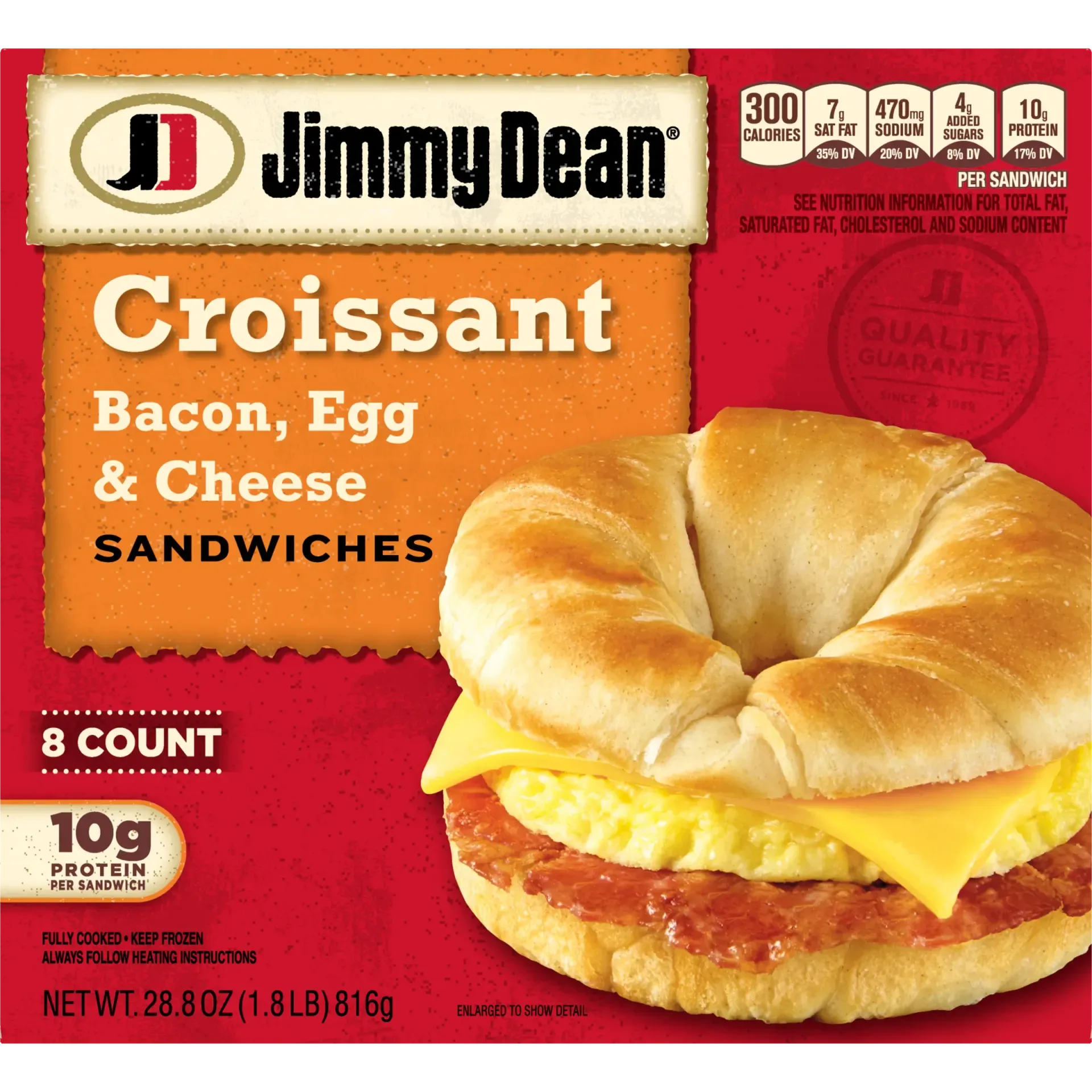
One of the biggest challenges in frozen food is maintaining texture. When food freezes slowly, large ice crystals form and puncture cell walls, leading to mushy or watery results after thawing. Rapid freezing, also known as flash freezing, uses extremely low temperatures to create tiny ice crystals that do minimal damage to the food's cellular structure. This technique is especially important for items like the Sausage, Egg & Cheese Croissant Sandwiches, where a flaky croissant and tender egg need to survive the freezer without becoming soggy.
Flash freezing is typically achieved using blast freezers or cryogenic methods with liquid nitrogen or carbon dioxide. These systems bring the core temperature of the product down to 0°F (-18°C) in minutes rather than hours. The result is a product that retains its original moisture, texture, and shape, so when you heat it up, it tastes remarkably close to fresh-cooked.
- Flash freezing prevents large ice crystals that damage cell walls
- Blast freezers and cryogenic methods are industry standards for quality
- Proper freezing preserves the flakiness of croissants and biscuits
How Freezing Affects Nutritional Value
A common misconception is that frozen foods are less nutritious than fresh ones. In reality, freezing can actually help preserve nutrients. Vegetables and proteins are often frozen at peak ripeness or freshness, locking in vitamins and minerals that might degrade during long storage or transport. For breakfast meats like the Fully Cooked Original Pork Sausage Patties, freezing halts microbial growth and slows down enzymatic reactions that can break down proteins and fats.
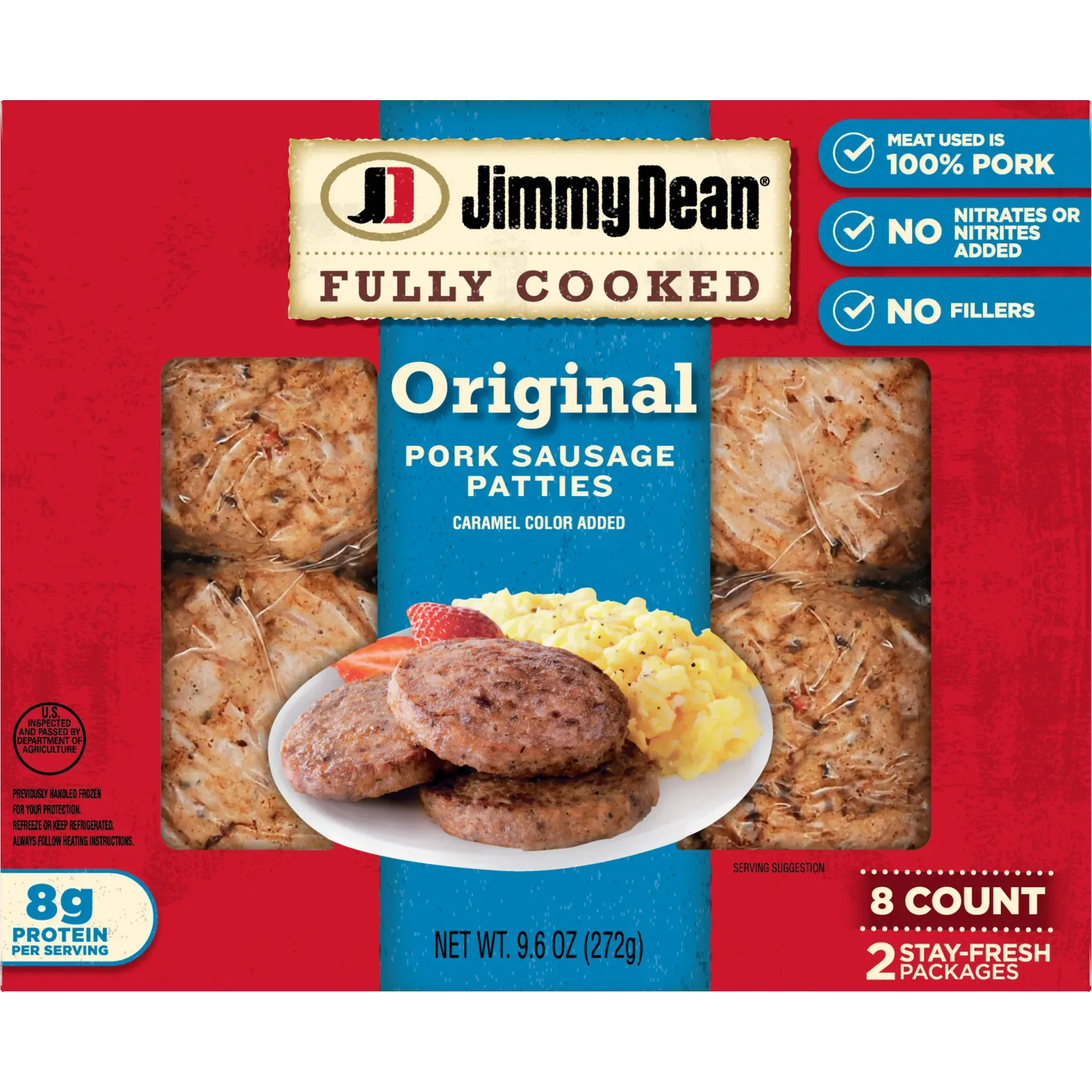
Fully Cooked Original Pork Sausage Patties
Research shows that the freezing process itself has minimal impact on macronutrients like protein, carbohydrates, and fats. Vitamin C and some B vitamins are sensitive to heat and oxygen, but freezing at low temperatures protects them. The key is to avoid repeated thawing and refreezing, which can lead to nutrient loss and texture degradation. Modern packaging, such as vacuum sealing or modified atmosphere packaging, further shields food from oxygen and moisture loss.
- Freezing preserves nutrients by halting spoilage and enzymatic activity
- Frozen foods can be as nutritious or more nutritious than fresh alternatives
- Avoid refreezing thawed products to maintain quality and safety
Packaging Innovations That Lock in Freshness
Packaging is a critical component of frozen breakfast quality. It must protect against freezer burn, which occurs when moisture evaporates from the surface of food and oxidizes fats, leading to dry, off-flavored spots. High-barrier films, resealable zippers, and vacuum sealing are common solutions. For example, products like Heat 'n Serve Original Sausage Links often come in resealable bags that allow you to remove only what you need while keeping the rest protected.
Another innovation is steam-crisp packaging, which uses a specially designed sleeve or film that allows food to steam and crisp simultaneously in the microwave. This technology is particularly effective for sandwiches and biscuits, ensuring that the bread or pastry remains soft while the sausage and egg heat evenly. Such packaging eliminates the need for an oven or toaster, making breakfast preparation faster without sacrificing quality.
- High-barrier films prevent freezer burn and moisture loss
- Resealable packaging helps maintain freshness for multiple servings
- Steam-crisp technology improves microwave heating results
The Science of Reheating: Restoring Freshness
Even the best frozen breakfast needs proper reheating to shine. The goal is to bring the internal temperature to 165°F (74°C) while avoiding overcooking the exterior. Microwave ovens are convenient but can create uneven heating and rubbery textures. That's why many frozen sandwiches include instructions for both microwave and oven methods. For instance, the Delights Turkey Sausage, Egg White & Cheese Croissant Sandwiches benefit from a brief microwave cycle followed by a short rest to allow heat to distribute evenly.
Oven reheating is often recommended for crispier results, as dry heat helps restore the flakiness of pastries and the browning of sausage patties. Air fryers have also gained popularity for frozen breakfasts, offering a balance of speed and texture. Understanding the Maillard reaction—the chemical process that creates browning and savory flavors—can help you choose the best reheating method. A quick toast or air fry can reactivate those flavors, making your frozen breakfast taste freshly made.
- Reheat to 165°F for food safety and optimal texture
- Oven or air fryer reheating enhances crispness and browning
- Let food rest after microwaving to allow heat to equalize
From flash freezing to advanced packaging and reheating science, every step of the frozen breakfast journey is designed to deliver quality and convenience. The next time you reach for a frozen breakfast, you can trust that technology has preserved its taste and nutrition. Explore the range of Jimmy Dean frozen breakfast products to experience the science in action.