Niacinamide, also known as vitamin B3, has become one of the most celebrated ingredients in modern skincare. Its versatility and scientifically-backed efficacy make it a staple for addressing multiple skin concerns, from blemishes to fine lines. But what does the science actually say? In this article, we’ll explore how niacinamide works at a cellular level, its key benefits, and how to incorporate it into your routine for optimal results.
Unlike some active ingredients that target a single issue, niacinamide is a multitasker. It strengthens the skin barrier, regulates oil production, reduces inflammation, and even helps fade hyperpigmentation. Whether you have oily, dry, or sensitive skin, understanding the science behind niacinamide can help you make informed choices for a healthier complexion.
How Niacinamide Works in the Skin
Niacinamide is a water-soluble form of vitamin B3 that plays a critical role in cellular metabolism. Once applied topically, it converts into nicotinamide adenine dinucleotide (NAD+), a coenzyme essential for energy production and DNA repair. This biochemical process supports the skin's natural repair mechanisms, helping cells function optimally and recover from environmental stressors like UV exposure and pollution.
One of niacinamide's most studied actions is its ability to boost ceramide synthesis. Ceramides are lipid molecules that form the skin's protective barrier. By increasing ceramide production, niacinamide helps lock in moisture and keep irritants out. This makes it particularly effective for dry or compromised skin, as well as for those using potent exfoliants or retinoids.
- Look for niacinamide in concentrations between 2% and 10% for a balance of efficacy and tolerance.
Key Benefits for Blemish Control and Clarifying
For those struggling with breakouts, niacinamide offers a gentle yet effective solution. It helps regulate sebum production by inhibiting the transfer of lipids to the skin's surface, reducing the shine and congestion that often lead to acne. Unlike harsh clarifying serum ingredients like benzoyl peroxide, niacinamide does not strip the skin or cause excessive dryness, making it suitable for long-term use.
Additionally, niacinamide has anti-inflammatory properties that calm redness and swelling associated with active blemishes. When combined with other clarifying serum ingredients such as salicylic acid or zinc, it can enhance overall blemish control without compromising the skin barrier. This synergy is why many dermatologists recommend niacinamide as a cornerstone of acne-prone skincare routines.
- Pair niacinamide with a gentle salicylic acid cleanser for a powerful yet non-irritating blemish control regimen.
Anti-Aging and Brightening Effects
Niacinamide is also a star player in anti-aging skincare. It stimulates collagen production, which helps improve skin elasticity and reduce the appearance of fine lines and wrinkles. Over time, consistent use can lead to firmer, more resilient skin. Moreover, niacinamide inhibits the transfer of melanosomes to skin cells, effectively lightening dark spots and evening out skin tone without the side effects of stronger bleaching agents.
For those seeking a comprehensive anti-aging strategy, niacinamide works well alongside other actives like peptides and vitamin C. However, it's important to note that niacinamide can be paired safely with most ingredients, including retinol, to boost results. Products like the Bakuchiol Firming Daily Moisturiser combine niacinamide with bakuchiol, a plant-based retinol alternative, to deliver gentle firming benefits ideal for sensitive skin.
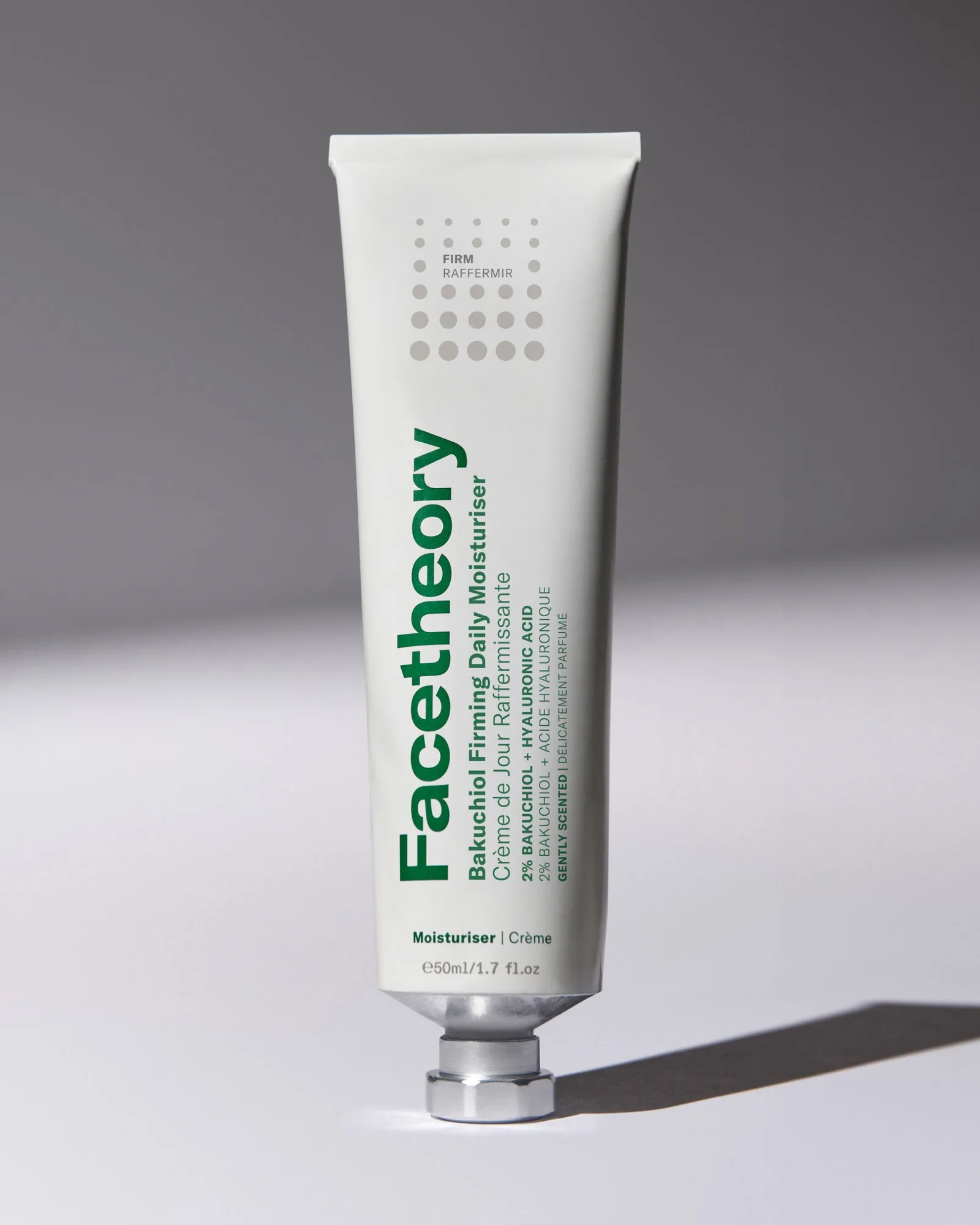
Bakuchiol Firming Daily Moisturiser
- Apply niacinamide serum before your moisturiser to maximise absorption and efficacy.
How to Layer Niacinamide in Your Routine
To get the most out of niacinamide, proper layering is key. Start with a clean face after using a gentle cleanser. Apply a niacinamide serum while skin is still slightly damp to enhance penetration. Follow with a moisturiser to seal in hydration. If you use multiple serums, apply niacinamide after water-based products and before oil-based ones. It can be used both morning and night, but always finish with sunscreen during the day.
For those new to niacinamide, begin with a lower concentration (around 2-5%) to allow your skin to adjust. Gradually increase to 10% if your skin tolerates it well. Avoid combining niacinamide with pure vitamin C in the same routine if you have sensitive skin, as the pH difference may cause temporary flushing. Instead, use vitamin C in the morning and niacinamide at night for optimal results.
- Always patch-test new niacinamide products, especially if you have reactive or allergy-prone skin.
Choosing the Right Niacinamide Product for Your Skin Type
Niacinamide is available in various formulations, from serums to moisturisers and cleansers. For oily or combination skin, a lightweight serum with additional clarifying serum ingredients like zinc or salicylic acid can help control shine and breakouts. For dry or mature skin, look for niacinamide combined with hydrating ingredients such as hyaluronic acid or ceramides in a richer base.
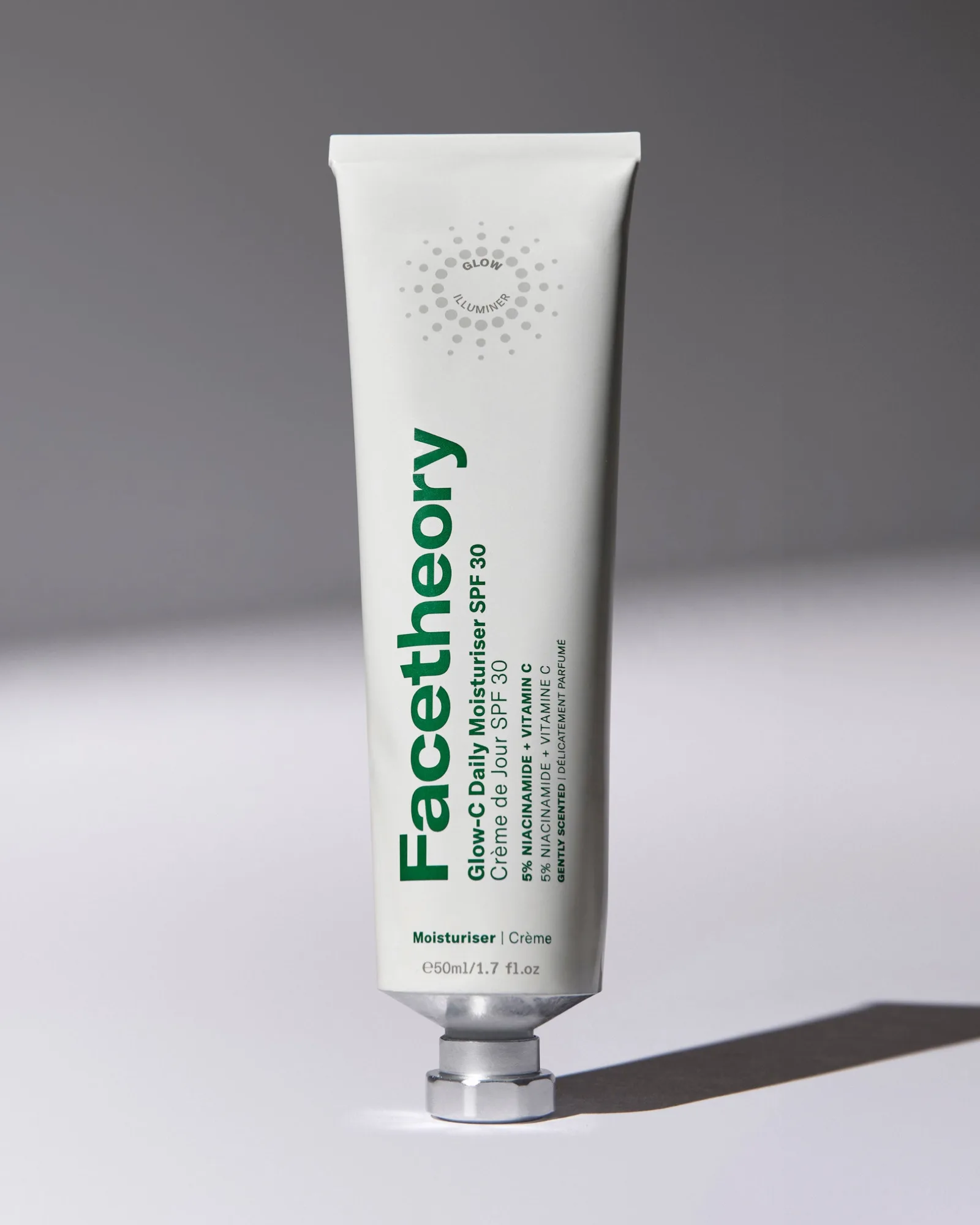
One excellent option is the HydraSmooth Hand Cream, which includes niacinamide to soothe and strengthen the skin barrier on hands. For facial care, the Glow-C Vitamin C 20% Serum can be used in the morning, while a niacinamide serum is ideal for nighttime. Always choose products from reputable brands that disclose ingredient concentrations and avoid unnecessary fillers.
- Check the ingredient list for niacinamide positioned in the top half to ensure an effective concentration.
Niacinamide is a scientifically proven powerhouse that addresses blemishes, aging, and hydration without irritation. Its versatility makes it a must-have in any skincare routine. Explore the Resurfa AHA & BHA Exfoliating Serum to complement your niacinamide regimen with gentle exfoliation for a radiant, even complexion.