Sour candy has a devoted fanbase, from the face-puckering intensity of extreme sour gummies to the gentle tang of fruity chews. But what is it about that sharp, acidic burst that keeps us coming back for more? The answer lies in a fascinating mix of biology, psychology, and food science. Whether you're a longtime lover of sour treats or just starting to explore, understanding the science behind sour candy can deepen your appreciation for every zingy bite.
In this article, we'll break down how our taste buds detect sourness, why our brains sometimes interpret it as pleasure, and how the best sour candies balance acid with sweetness. We'll also touch on the cultural comeback of tangy candy and how you can enjoy it in new ways—like with the Smittens Sour Edit or the classic Sour Watermelon.
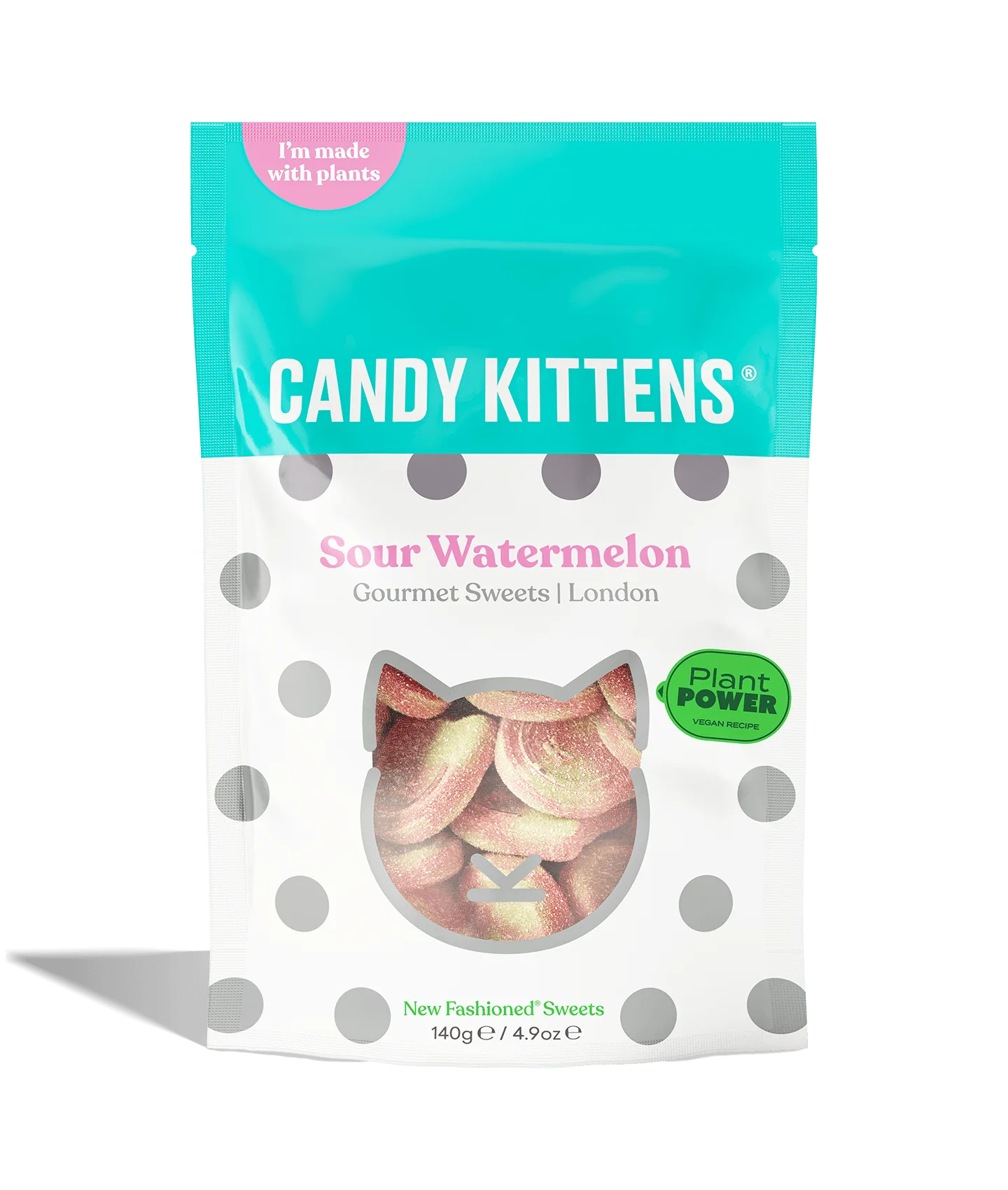
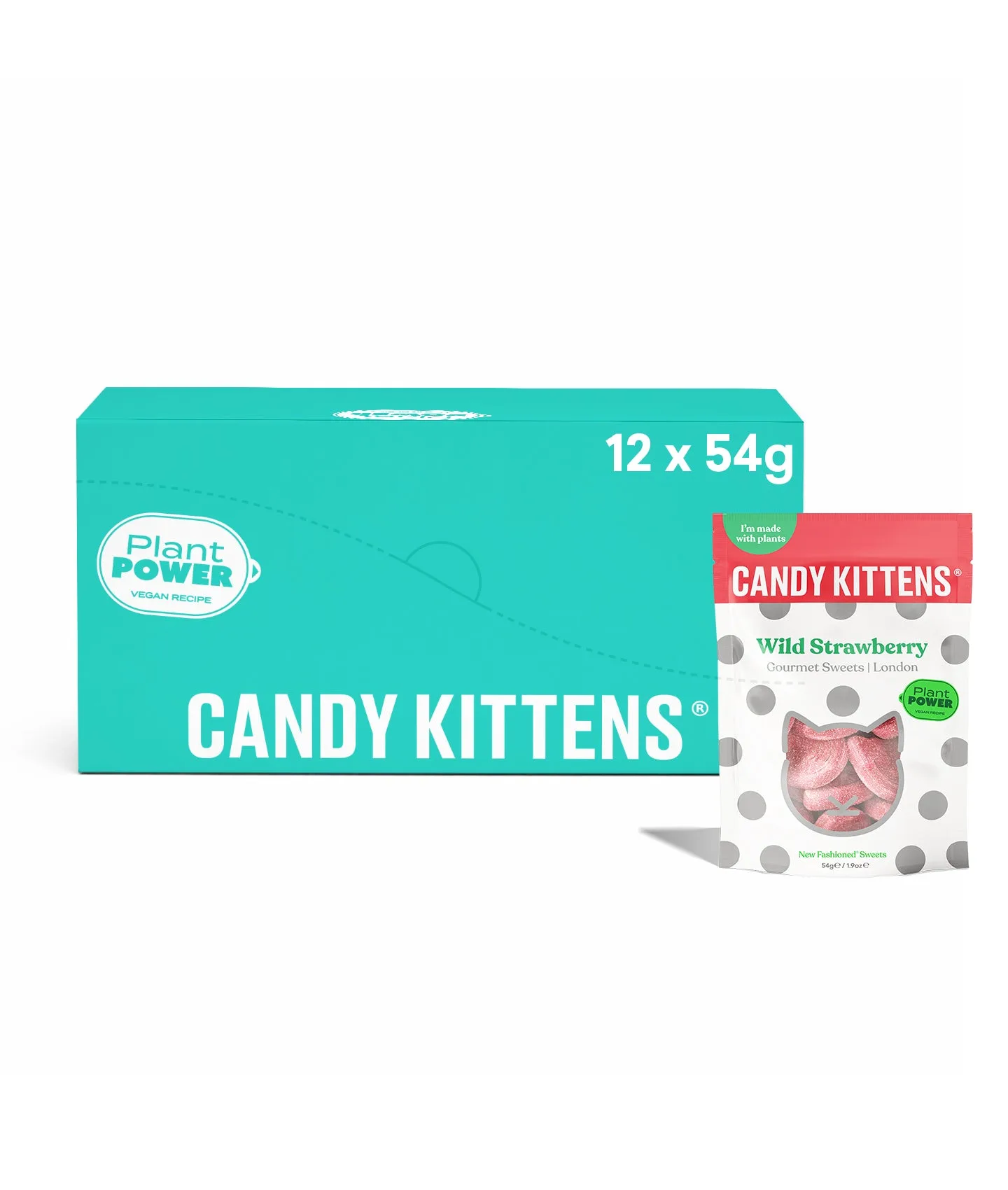
Sour Watermelon
How Taste Buds Detect Sourness
Our tongues are covered in taste buds, each containing specialized cells that detect five basic tastes: sweet, salty, bitter, umami, and sour. Sourness is triggered by acids—specifically, hydrogen ions (H+). When you eat something acidic, like citric acid or malic acid commonly found in sour candy, these ions enter your taste cells and cause electrical changes that send a signal to your brain. The stronger the acid concentration, the more intense the sour sensation.
Interestingly, humans have evolved to be cautious of highly acidic foods, as they can indicate spoilage or unripe fruit. But in controlled amounts, sourness becomes a thrilling challenge. Candy makers carefully calibrate acid levels to create that perfect mouth-puckering experience without crossing into unpleasant territory.
- Tip: If sour candy feels too intense, try pairing it with a sweet treat to balance the pH on your tongue.
The Psychology of the Sour Candy Craze
Why do people seek out a sensation that is technically a warning signal? Psychologists point to the concept of 'benign masochism'—the enjoyment of a negative sensation that you know is safe. Sour candy provides a controlled thrill, much like riding a roller coaster or eating spicy food. The initial shock triggers a rush of endorphins and dopamine, creating a pleasurable contrast when followed by sweetness.
Additionally, sour candy often carries a nostalgic appeal. Many adults remember swapping sour gummies in schoolyards or daring friends to try increasingly sour varieties. This social aspect reinforces the love for tangy candy, making it a shared experience rather than just a solitary snack.
- Fun fact: The most extreme sour candies use a coating of citric acid and malic acid that can exceed a pH of 2, similar to lemon juice.
The Perfect Balance: Acid and Sweetness
Not all sour candies are created equal. The best ones achieve a delicate balance between acidity and sugar. When you eat a sour candy, your brain initially registers the sharpness, but the sugar molecules quickly interact with sweet receptors, creating a layered flavor profile. This contrast is what makes sour candy so addictive—you experience a burst of tang followed by a sweet finish.
Products like the Smittens Sour Edit exemplify this balance, offering a variety of sour gummies that range from mildly tangy to intensely puckering. Similarly, the Sour Watermelon candy combines the refreshing taste of watermelon with a sour coating that keeps your taste buds engaged from first bite to last.
- Pro tip: Sour candy can actually help cleanse your palate between sweeter snacks, making it a great addition to a candy tasting session.
Why Tangy Candy Is Making a Comeback
In recent years, sour candy has experienced a resurgence, driven by adventurous eaters and social media trends. Videos of people trying extreme sour candies go viral, and brands are responding with increasingly creative formulations. The tangy candy taste appeals to younger generations who crave novelty and intensity in their snacks.
Beyond the thrill, sour candy also offers a more complex flavor experience than plain sugary sweets. As consumers become more interested in food science and artisanal confectionery, the demand for well-crafted sour treats continues to grow. Whether you're a fan of classic sour chews or modern takes like those from Candy Kittens, there's never been a better time to explore the world of tangy candy.
- Did you know? Some sour candies use a blend of three different acids—citric, malic, and tartaric—to create a multi-layered sour sensation.
Sour candy is more than just a sugary snack—it's a sensory adventure rooted in biology and psychology. Whether you're drawn to the nostalgic challenge of a sour gummy or the refined balance of a modern tangy treat, there's a world of flavor waiting to be explored. Ready to pucker up? Dive into the Smittens Sour Edit and discover your new favorite sour experience.