When you get a new tattoo, the ink is only half the story. The real magic happens during healing, and the products you use can make or break the result. Tattoo balms have become a staple in aftercare, but not all balms are created equal. Understanding the science behind the ingredients helps you choose formulas that truly support your skin's recovery and keep your ink vibrant for years.
Natural tattoo aftercare is more than a trend—it's rooted in biology. The skin is your body's largest organ, and a fresh tattoo is essentially an open wound. The right balm ingredients work with your skin's natural healing processes, reducing inflammation, preventing infection, and locking in moisture. Let's break down the key components that make a tattoo balm effective.
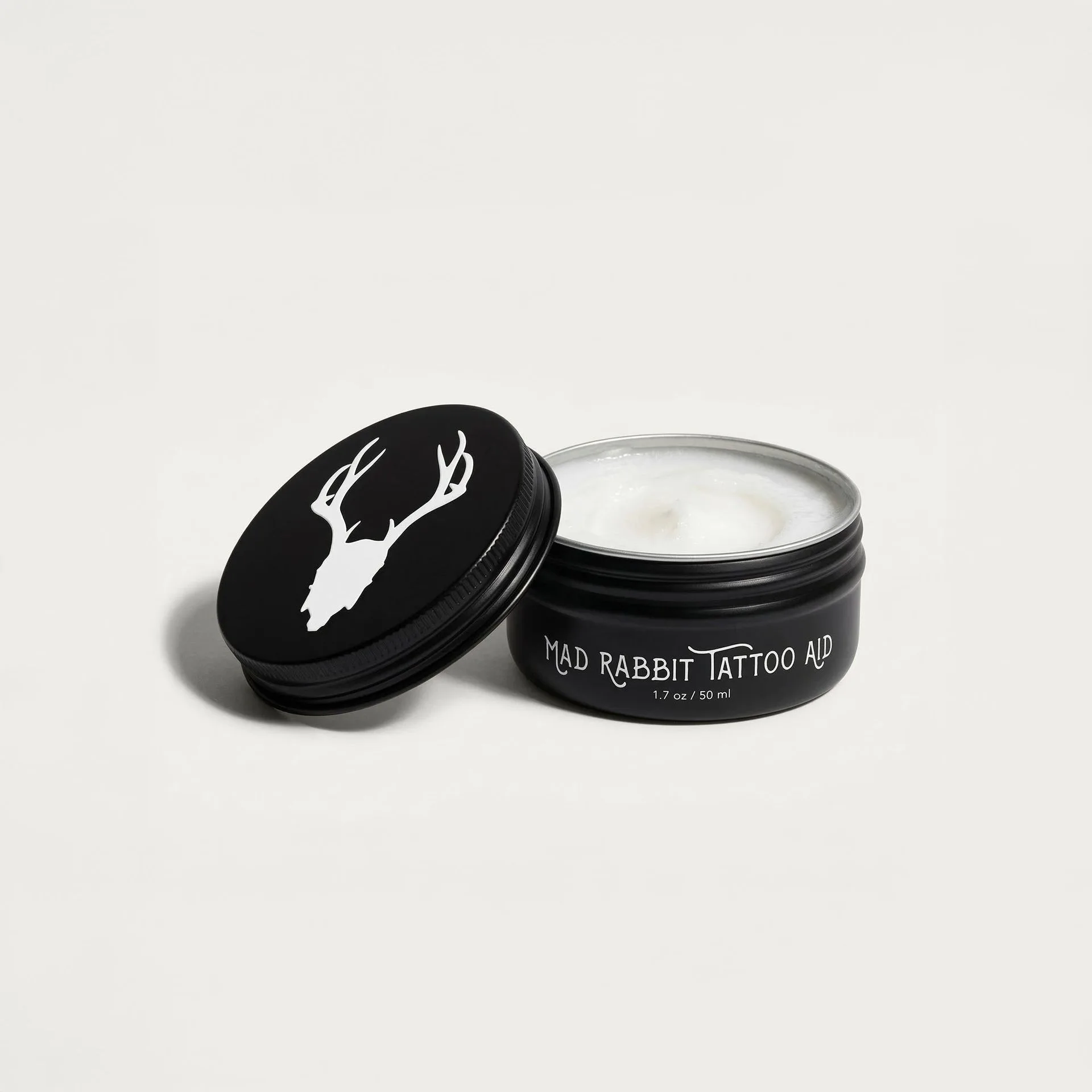
tattoo balm
Why Natural Oils and Butters Are the Foundation of Healing
At the core of any high-quality tattoo balm are plant-based oils and butters. These ingredients mimic the skin's own sebum, providing deep hydration without clogging pores. Coconut oil, for example, is rich in medium-chain fatty acids that have antimicrobial properties, helping to keep the tattoo site clean. Shea butter is packed with vitamins A and E, which promote collagen production and reduce scarring. Together, they create a protective barrier that allows the skin to breathe while keeping bacteria out.
Another powerhouse is jojoba oil, which closely resembles human sebum. It penetrates deeply without leaving a greasy residue, making it ideal for daily use. When combined with beeswax, these oils form a semi-occlusive layer that locks in moisture without suffocating the skin. This balance is critical—too much occlusion can trap heat and delay healing, while too little leaves the wound exposed.
- Coconut oil: antimicrobial and anti-inflammatory
- Shea butter: rich in vitamins A and E for collagen support
- Jojoba oil: mimics skin's natural oils for deep penetration
The Role of Essential Oils and Botanical Extracts
Essential oils and botanical extracts add therapeutic benefits beyond basic moisturization. Lavender oil is widely studied for its ability to calm inflammation and promote cell regeneration. Tea tree oil is a natural antiseptic that can help prevent infection, but it must be used in low concentrations to avoid irritation. Calendula extract, derived from marigold flowers, is known for its wound-healing and soothing properties, making it a favorite in natural tattoo aftercare.
These ingredients work synergistically with the base oils. For instance, a balm that combines coconut oil with lavender and calendula can reduce redness and swelling while creating a calming sensory experience. However, it's important to choose products with pure essential oils rather than synthetic fragrances, which can cause allergic reactions on sensitive healing skin.
- Lavender oil: anti-inflammatory and calming
- Tea tree oil: antiseptic (use sparingly)
- Calendula extract: promotes wound healing
Vitamins and Antioxidants: Protecting Your Ink from Within
Vitamins E and C are common additions to tattoo balms for good reason. Vitamin E is a potent antioxidant that neutralizes free radicals from UV exposure and pollution, which can fade ink over time. It also helps moisturize and improve skin elasticity, reducing the risk of cracking during healing. Vitamin C boosts collagen synthesis, which is essential for rebuilding damaged tissue and keeping the tattoo's colors bright.
Some balms also include vitamin B5 (panthenol), which draws moisture into the skin and supports the skin barrier. When you apply a balm with these vitamins, you're not just hydrating—you're actively protecting the pigment molecules from oxidative stress. This is especially important for colorful tattoos, which are more prone to fading than black ink.
- Vitamin E: antioxidant protection against fading
- Vitamin C: boosts collagen for tissue repair
- Panthenol (B5): moisture retention and barrier support
What to Avoid in Tattoo Balms: Ingredients That Hinder Healing
Not all ingredients are helpful. Petroleum-based products like mineral oil or petrolatum can create an airtight seal that traps heat and bacteria, leading to infection or clogged pores. Artificial fragrances, parabens, and sulfates can irritate the skin and delay the healing process. Alcohol-based ingredients are particularly harmful—they strip the skin of natural oils, causing dryness and cracking.
Always check the label for non-comedogenic, hypoallergenic formulas. Look for balms that are free from synthetic additives and instead rely on natural preservatives like vitamin E or rosemary extract. A clean ingredient list is a sign that the product is designed with healing science in mind, not just marketing hype.
- Avoid petroleum, mineral oil, and artificial fragrances
- Steer clear of alcohol and sulfates
- Choose non-comedogenic, hypoallergenic formulas
How to Choose the Right Tattoo Balm for Your Healing Stage
The healing process has distinct phases, and your balm should match them. In the first few days, a lightweight balm with antimicrobial properties is ideal. Look for products like the Tangerine Vanilla Tattoo Balm Salve, which combines nourishing oils with soothing botanicals to support initial healing without being too heavy. As the tattoo moves into the peeling and itching stage, switch to a balm with more emollient ingredients like shea butter to prevent cracking.
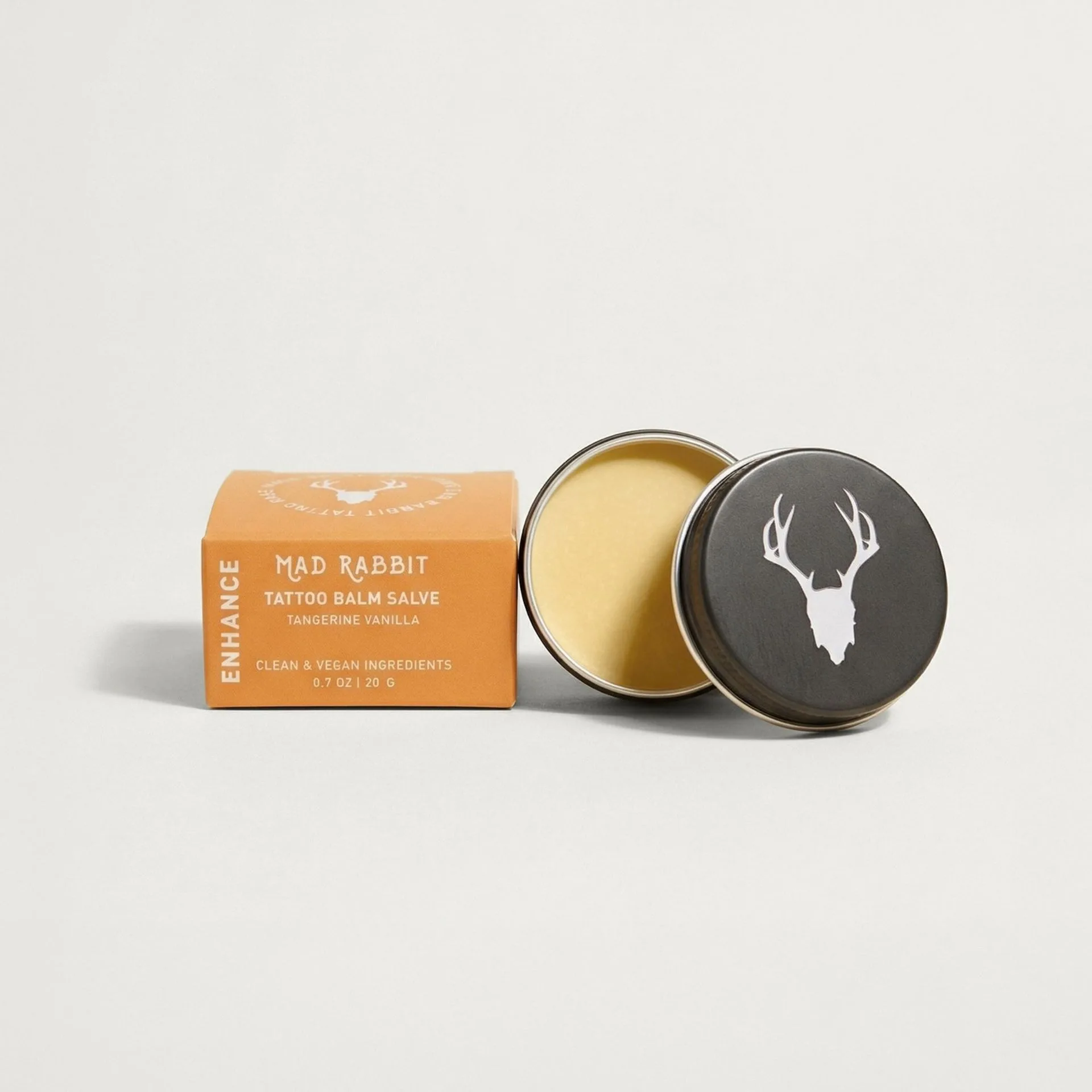
Tangerine Vanilla Tattoo Balm Salve
Once the tattoo is fully healed, a daily moisturizer like the Daily Tattoo Lotion can maintain hydration and color vibrancy. This product is formulated with lightweight oils and vitamins that keep the skin supple without clogging pores. Matching the balm to the healing stage ensures your tattoo gets exactly what it needs at every step.
- Initial healing: lightweight balm with antimicrobials
- Peeling stage: rich balm with shea butter
- Long-term care: daily lotion with vitamins
The Future of Tattoo Balm Science: What's Next?
As tattoo culture grows, so does the research into aftercare. Scientists are exploring ingredients like ceramides, which help repair the skin barrier, and peptides that stimulate collagen production. Probiotics are also emerging as a way to balance the skin's microbiome during healing. These innovations promise even faster recovery and better ink retention.
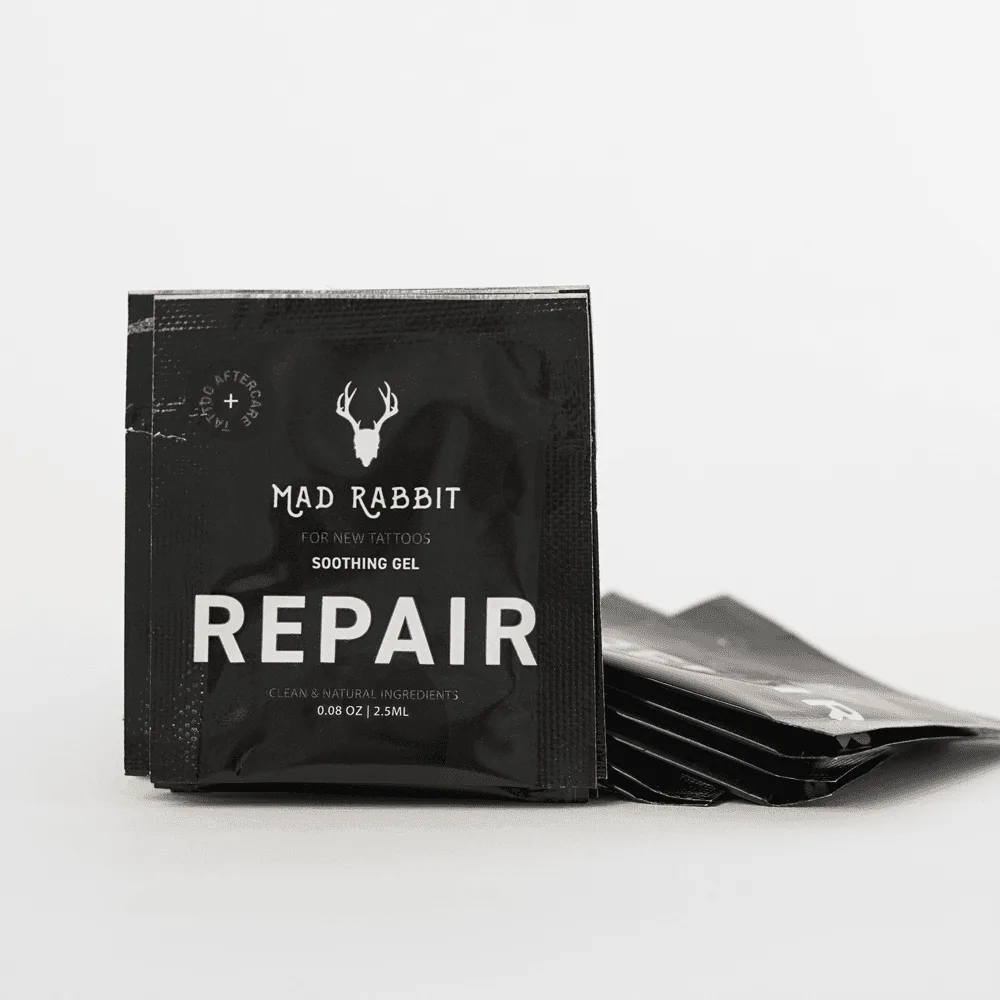
For now, the best approach is to stick with proven, natural ingredients that have stood the test of time. Brands like Mad Rabbit are leading the way by combining traditional botanical knowledge with modern dermatological science. By understanding the ingredients in your tattoo balm, you can make informed choices that protect your art and your skin.
- Ceramides for barrier repair
- Peptides for collagen stimulation
- Probiotics for microbiome balance
Choosing the right tattoo balm is a science, but it doesn't have to be complicated. Focus on natural ingredients like coconut oil, shea butter, and essential oils that support your skin's healing process. For a reliable option that combines these elements, explore the Tangerine Vanilla Tattoo Balm Salve—it's crafted with the same care you put into your ink.