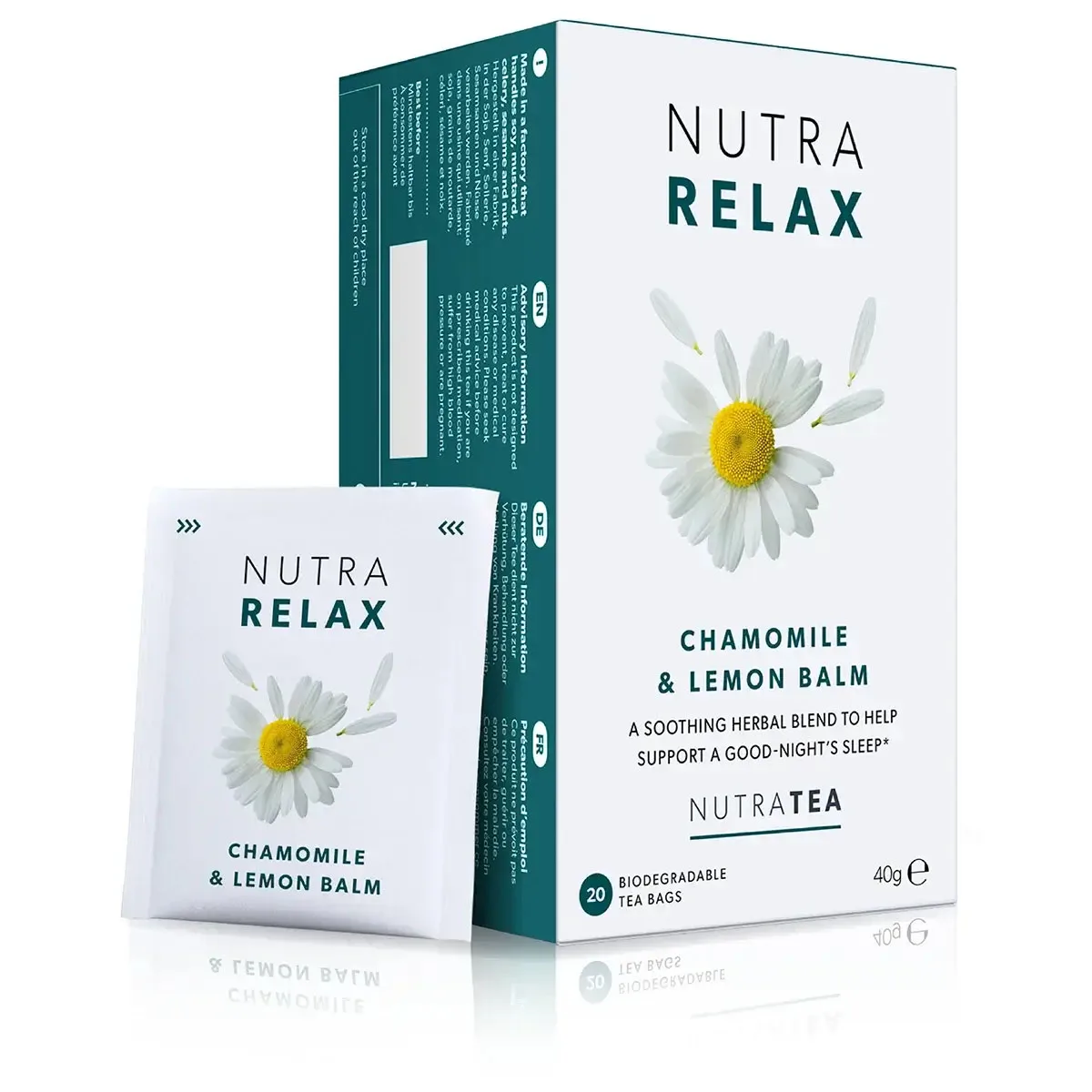
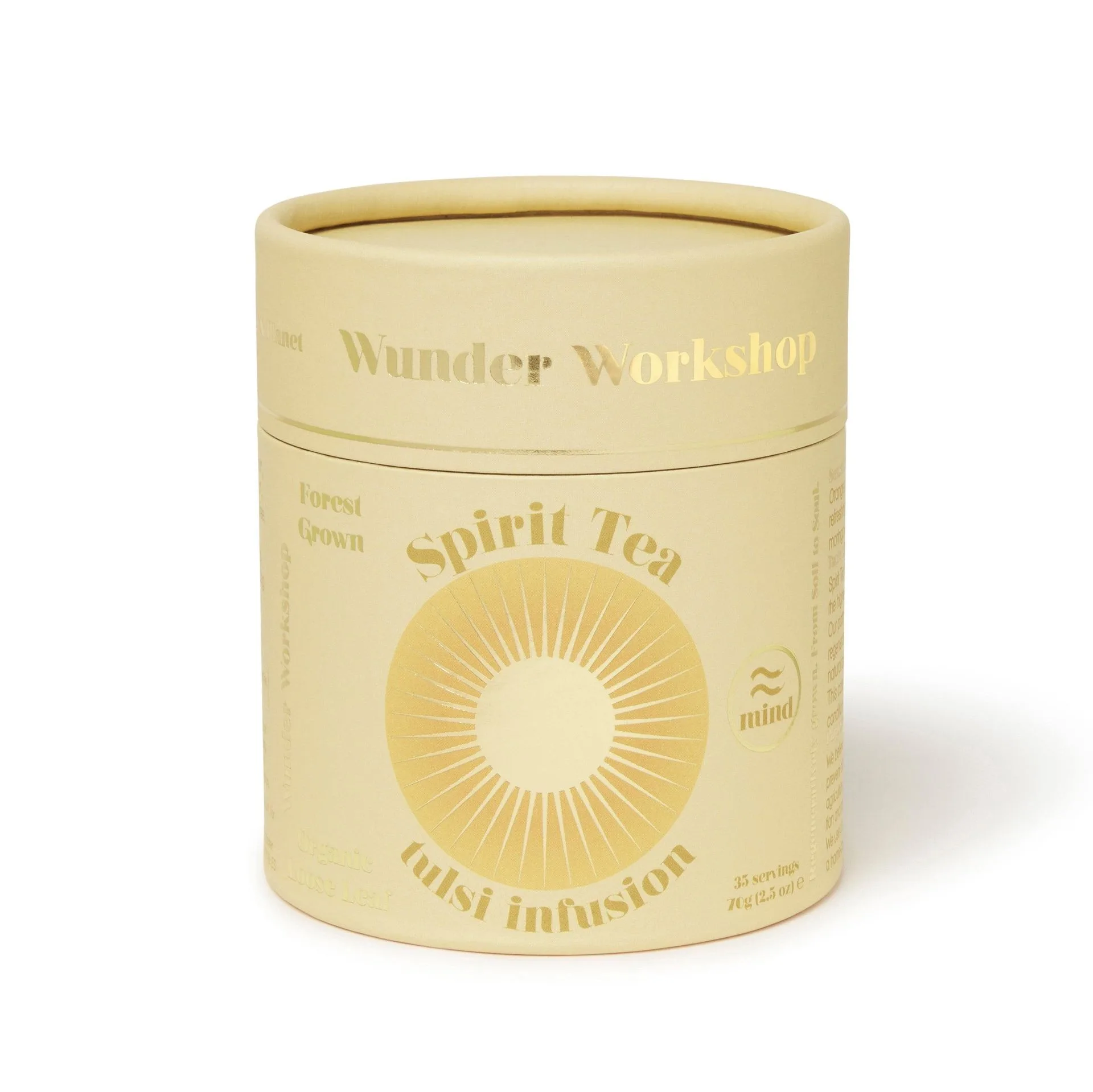
For centuries, tea has been synonymous with comfort and calm. Whether it’s a quiet morning ritual or an afternoon break, a warm cup of tea often signals a moment to unwind. But beyond tradition, modern science is now uncovering exactly why tea makes us feel relaxed. From amino acids that cross the blood-brain barrier to herbal compounds that soothe the nervous system, the evidence is mounting that tea is one of nature’s most effective stress reducers.
In this article, we explore the key research behind tea and relaxation. We’ll look at the role of L-theanine in green and black teas, the calming properties of herbal infusions like chamomile and valerian, and how compounds such as apigenin and quercetin interact with brain receptors. Whether you’re a daily sipper or a curious newcomer, understanding the science can help you choose the perfect brew for your moment of peace.
The Role of L-Theanine: Tea’s Unique Relaxation Compound
One of the most studied compounds in tea is L-theanine, an amino acid found almost exclusively in the Camellia sinensis plant. Unlike the drowsiness caused by some sleep aids, L-theanine promotes a state of ‘alert calmness’—reducing anxiety without sedation. Research shows that L-theanine increases alpha brain wave activity, which is associated with relaxation and focused attention. A 2008 study in the Journal of Nutritional Biochemistry found that L-theanine significantly reduced stress responses in participants performing mentally demanding tasks.
Green and black teas naturally contain L-theanine, but the levels vary. Matcha, because it is made from whole ground tea leaves, offers a particularly concentrated dose. For those seeking a caffeine-free option, certain herbal blends can mimic these effects through other mechanisms. For example, the honeybush & rooibos tea provides a naturally sweet, caffeine-free base rich in antioxidants that support the body’s stress response without the jitters. Combining L-theanine with a moderate amount of caffeine (as found in traditional teas) enhances cognitive performance and mood, a synergy often referred to as the ‘tea effect.’
- L-theanine increases alpha brain waves, promoting relaxation without drowsiness.
- Matcha and high-quality green teas are the richest sources of L-theanine.
- Pairing L-theanine with caffeine improves focus and calm simultaneously.
Herbal Teas and the Nervous System: Chamomile, Lavender, and Valerian
Herbal teas, which are technically tisanes, offer relaxation through different biochemical pathways. Chamomile contains apigenin, an antioxidant that binds to benzodiazepine receptors in the brain, producing a mild sedative effect. A 2016 clinical trial published in Phytomedicine found that long-term consumption of chamomile extract significantly reduced moderate-to-severe generalized anxiety disorder symptoms. Similarly, lavender’s linalool and linalyl acetate compounds have been shown to modulate the limbic system, reducing cortisol levels and promoting calm.
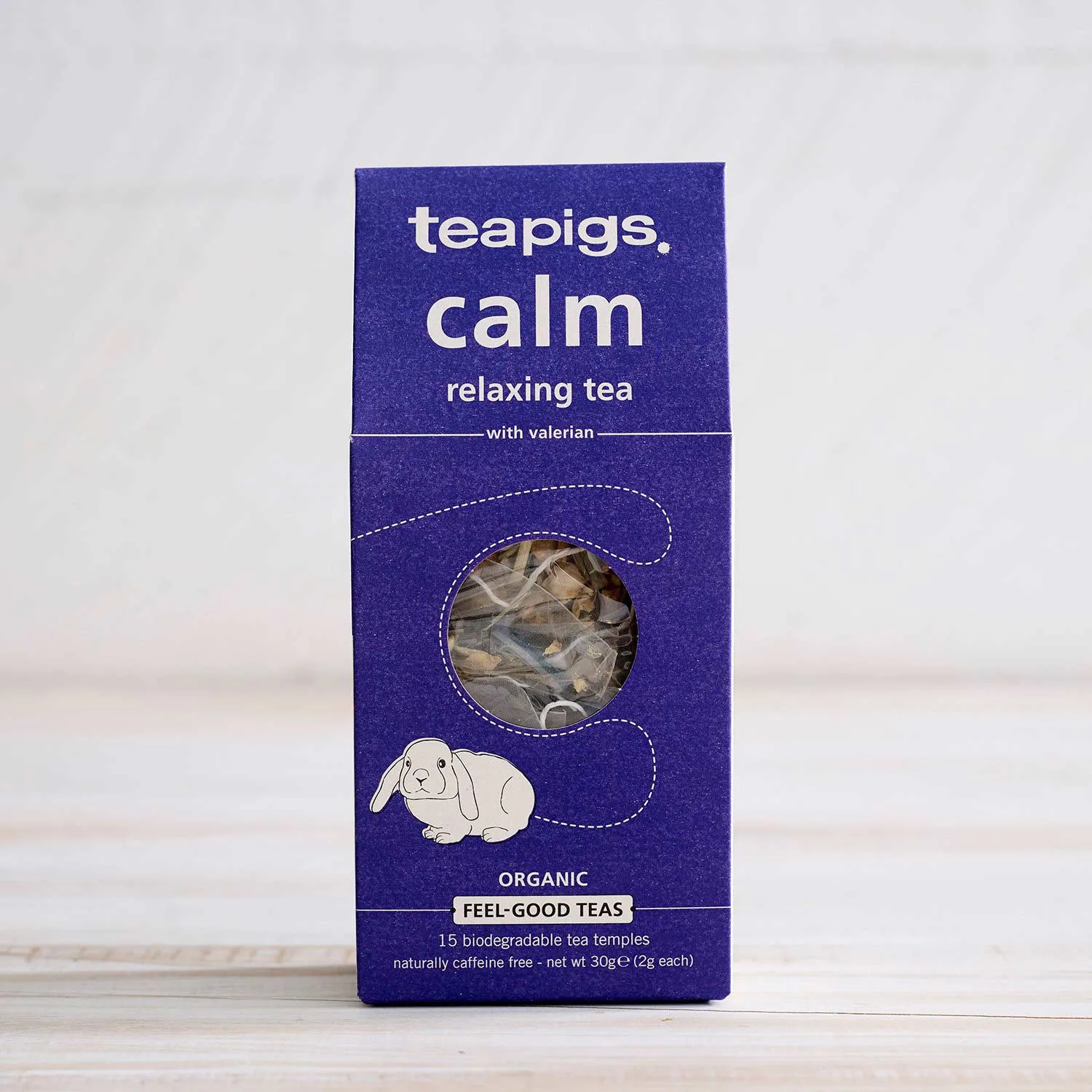
For deeper relaxation, valerian root is one of the most well-researched botanicals. It increases gamma-aminobutyric acid (GABA) levels in the brain, which inhibits neural activity and helps initiate sleep. Our calm with valerian blend harnesses this traditional herb alongside other soothing ingredients. Another popular option is snooze with lavender, which combines lavender with other calming botanicals for a gentle, aromatic bedtime tea. Studies suggest that regular consumption of these herbs can improve sleep quality and reduce the time it takes to fall asleep, making them excellent choices for evening rituals.
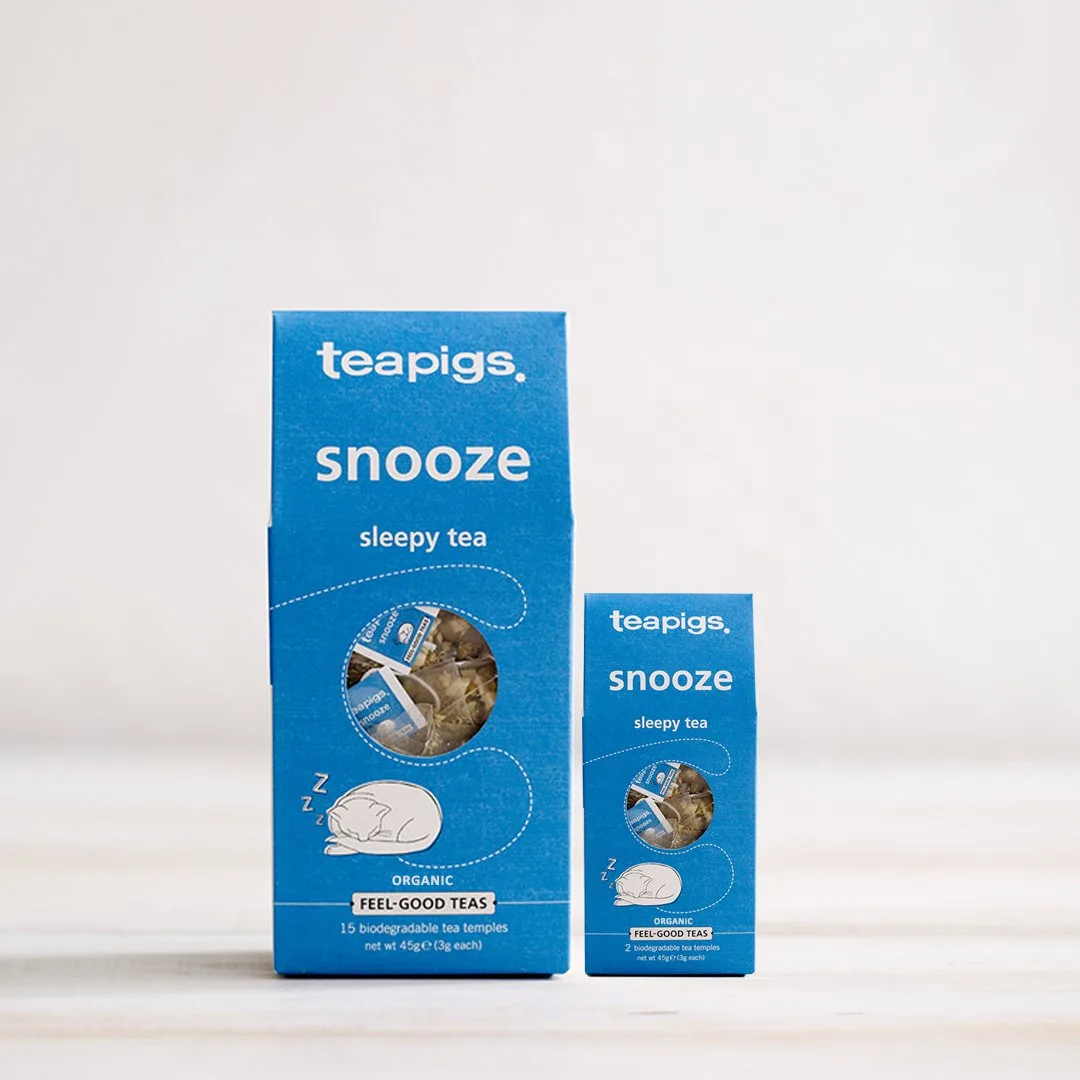
snooze with lavender
- Chamomile’s apigenin binds to brain receptors similar to mild sedatives.
- Lavender compounds lower cortisol and promote relaxation through the limbic system.
- Valerian root increases GABA, helping to ease anxiety and improve sleep onset.
How Tea Compounds Reduce Stress Hormones and Inflammation
Chronic stress triggers the release of cortisol, the body’s primary stress hormone. Elevated cortisol over time can lead to anxiety, weight gain, and immune suppression. Research indicates that certain tea polyphenols, such as epigallocatechin gallate (EGCG) from green tea and theaflavins from black tea, can help modulate the hypothalamic-pituitary-adrenal (HPA) axis, reducing cortisol output. A 2011 study in the Journal of Psychopharmacology found that participants who drank black tea regularly showed lower cortisol levels after a stressful task compared to a placebo group.
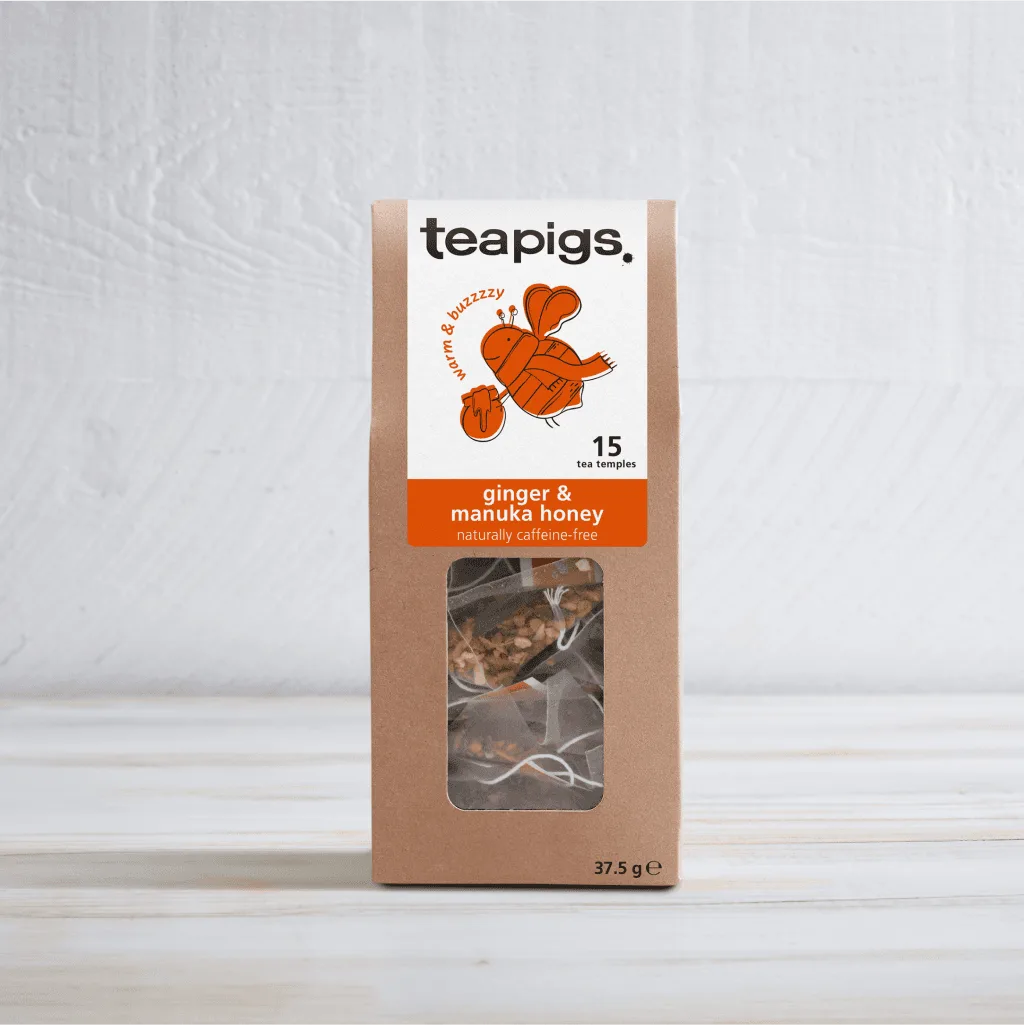
Herbal teas also contribute to stress reduction through anti-inflammatory pathways. Chronic inflammation is often linked to mood disorders, and antioxidants in teas like ginger and manuka honey tea can help soothe the body’s inflammatory response. Ginger’s gingerols and shogaols inhibit pro-inflammatory cytokines, while manuka honey adds antimicrobial and soothing properties. This combination not only calms the mind but also supports digestive health, which is closely tied to emotional well-being through the gut-brain axis.
- Green and black tea polyphenols help lower cortisol levels after stress.
- Anti-inflammatory compounds in herbal teas support mood regulation.
- The gut-brain connection means digestive-friendly teas can also ease anxiety.
Choosing the Right Tea for Your Relaxation Needs
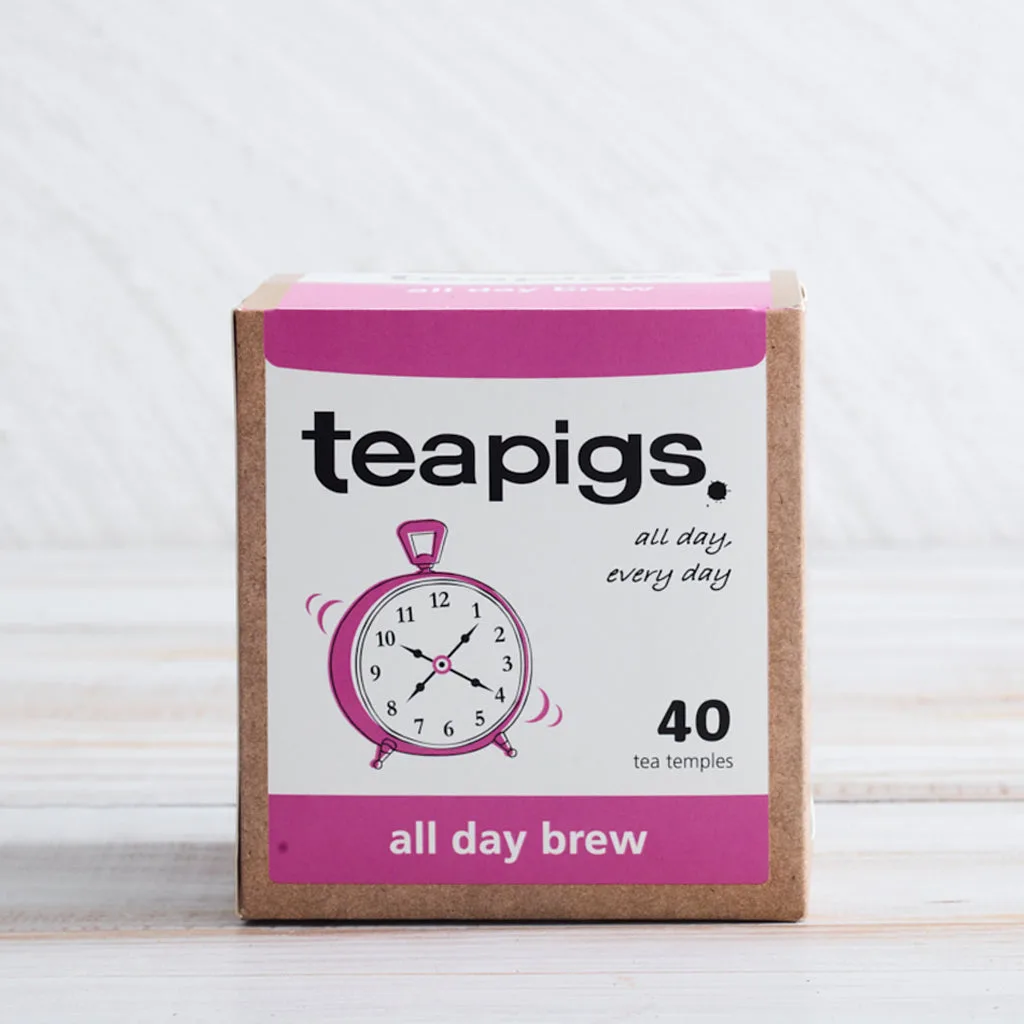
Not all teas are created equal when it comes to relaxation. If you’re looking for a daytime calm without drowsiness, a cup of all day brew—a balanced black tea—provides moderate caffeine and L-theanine for focused tranquility. For evening wind-down, caffeine-free options like chamomile lullaby or valerian-based blends are ideal. The key is to match the tea’s chemical profile to your desired outcome: alert relaxation, stress reduction, or sleep support.
For those new to herbal teas, starting with a sampler can help you identify which botanicals resonate with your body. The teapigs best seller letterbox sample box offers a curated selection of popular teas, allowing you to explore different flavors and effects. Remember that consistency matters—research suggests that the cumulative effects of daily tea consumption are more pronounced than occasional use. Pairing your tea ritual with mindfulness practices, such as deep breathing or a short meditation, can amplify the relaxation response.
- Match the tea to your need: L-theanine teas for alert calm, herbal blends for sleep.
- Sampler boxes help you discover your preferred relaxation tea.
- Daily consumption and mindful sipping enhance the stress-reducing benefits.
The science is clear: tea is far more than a comforting beverage. From L-theanine’s alpha-wave boosting effects to the GABA-enhancing properties of valerian, each cup offers a measurable pathway to relaxation. By understanding the research, you can choose teas that align with your lifestyle and stress levels. Ready to experience the science of serenity? Explore our collection of calming teas and find your perfect brew today.