Tonic water is far more than a simple mixer—it’s a marvel of chemistry and history. From its origins as a malaria remedy to its starring role in gin and tonics, every sip relies on two key elements: quinine and bubbles. Understanding the science behind these components can transform how you choose and enjoy your tonic water.
In this article, we’ll explore the chemistry of quinine, the physics of carbonation, and how premium mixers like those from Premium Drinking Mixers & Tonics harness these principles to deliver a superior drinking experience.
Quinine: The Bitter Backbone of Tonic Water
Quinine is a natural alkaloid extracted from the bark of the cinchona tree, native to South America. For centuries, it was used to treat malaria, and its intensely bitter taste became the hallmark of tonic water. When mixed with gin and a hint of sweetness, quinine’s bitterness provides a complex, refreshing contrast that has made the G&T a timeless classic.
The science lies in how quinine interacts with our taste receptors. It activates bitter taste receptors (TAS2Rs) on the tongue, which can enhance the perception of other flavors. In small, balanced amounts, quinine adds depth without overwhelming the palate. Premium tonic waters, like our Indian Tonic Water, carefully calibrate quinine levels to achieve that perfect bitter-sweet harmony.
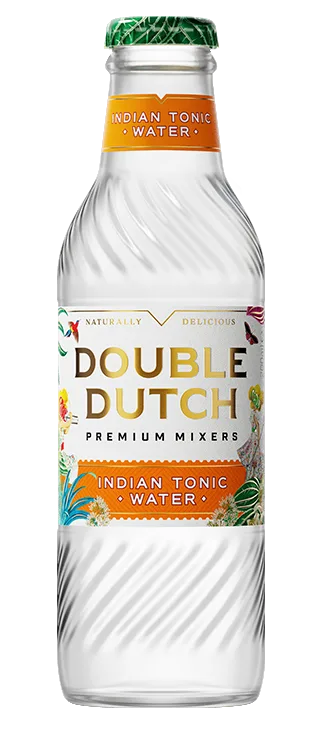
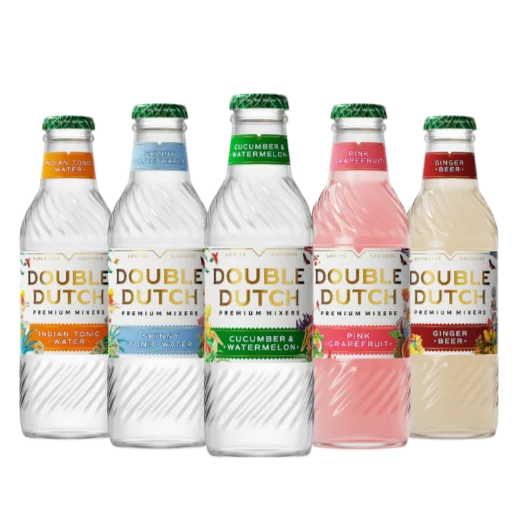
Indian Tonic Water
- Quinine’s bitterness can be softened by pairing it with citrus or sweeteners, creating a more rounded flavor profile.
The Role of Carbonation: Why Bubbles Matter
Carbonation is what gives tonic water its lively, effervescent character. When carbon dioxide (CO2) dissolves in water under pressure, it forms carbonic acid, which creates a slight tang and a tingling sensation on the tongue. This fizzy mouthfeel not only makes the drink more refreshing but also helps release aromatic compounds from the tonic and any spirits it’s mixed with.
The size and persistence of bubbles matter too. Smaller bubbles provide a smoother, longer-lasting fizz, while larger bubbles can feel aggressive and dissipate quickly. Premium mixers use precise carbonation techniques to ensure a consistent, elegant bubble structure. For example, our Pink Grapefruit Soda delivers a fine, lively carbonation that enhances the citrus notes without overpowering them.
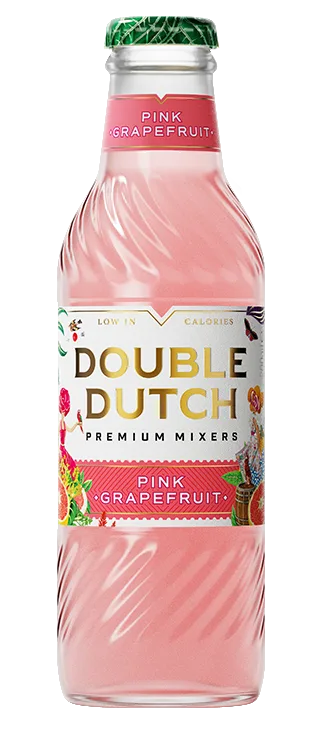
Pink Grapefruit Soda
- Chill your tonic water before opening to help retain carbonation longer—cold liquids hold CO2 more effectively.
How Quinine and Carbonation Work Together
The magic of tonic water happens when quinine’s bitterness and carbonation’s fizz interact. The CO2 bubbles act as carriers for volatile aroma compounds, lifting them to your nose and intensifying the sensory experience. At the same time, the carbonic acid slightly numbs the tongue, which can make quinine’s bitterness feel less harsh and more balanced.
This synergy is why the right tonic water can elevate a simple spirit into a sophisticated cocktail. For those who enjoy exploring different flavor combinations, our Discovery box (Try at 50% OFF!) offers a curated selection of tonic waters and sodas, allowing you to experience firsthand how quinine and carbonation vary across products.
- Experiment with different tonic waters to find the quinine level and bubble profile that best complements your favorite gin or vodka.
Why Quality Ingredients Matter in Tonic Water Science
Not all tonic waters are created equal. Mass-produced brands often use artificial quinine substitutes and high-fructose corn syrup, which can mask the natural complexity of the drink. In contrast, premium mixers prioritize real quinine, natural sweeteners, and high-quality carbonation. These choices directly impact the chemical reactions that occur when you pour a drink.
For instance, natural quinine from cinchona bark contains additional alkaloids that contribute subtle floral and woody notes. Real sugar or agave sweeteners caramelize differently than artificial sweeteners when mixed with citrus, creating a more harmonious taste. This attention to detail is what sets products like our Indian Tonic Water (24x 150ml) apart—they are crafted with the science of flavor in mind.
- Check the label for ‘natural quinine’ or ‘cinchona extract’ to ensure you’re getting authentic tonic water chemistry.
The Future of Tonic Water: Innovation and Science
As the beverage industry evolves, so does the science of tonic water. New techniques like nitrogen infusion, alternative carbonation methods, and botanically derived quinine alternatives are emerging. However, the classic combination of quinine and bubbles remains the gold standard for a reason—it’s a balance that has been perfected over centuries.
At Premium Drinking Mixers & Tonics, we continue to explore how chemistry and craftsmanship can create even better mixers. Whether you’re a home bartender or a cocktail enthusiast, understanding the science behind your ingredients helps you make informed choices and enjoy your drinks on a deeper level.
- Stay curious: try small-batch tonic waters to discover how subtle changes in quinine and carbonation can transform your cocktails.
Next time you pour a tonic water, take a moment to appreciate the chemistry in your glass. The right balance of quinine and bubbles can turn a simple drink into a sensory experience. Explore our range of premium mixers—including the crisp and balanced Indian Tonic Water—to taste the science for yourself and elevate your home bar.