Dry, flaky, or rough skin is more than a cosmetic concern—it can signal a compromised skin barrier that struggles to retain moisture. While countless moisturizers promise relief, few ingredients work as intelligently as urea. Urea cream has long been a dermatologist favorite for treating conditions like xerosis, keratosis pilaris, and even calloused feet. But what makes this compound so effective? The answer lies in its dual-action science: urea is both a humectant (drawing water into the skin) and a keratolytic agent (gently dissolving dead skin cells). This unique combination allows it to hydrate deeply while simultaneously smoothing rough texture, making it a standout dry skin moisturizer.
In this article, we’ll unpack the biochemistry of urea, how it differs from other moisturizing ingredients, and why it deserves a spot in your skincare routine. Whether you’re dealing with seasonal dryness or chronic skin conditions, understanding the science behind urea cream can help you make an informed choice for lasting hydration.
What Is Urea and How Does It Work as a Keratolytic Cream?
Urea is a naturally occurring compound found in the human body as a byproduct of protein metabolism. In skincare, it is synthesized to create a stable, effective ingredient that mimics the skin’s own Natural Moisturizing Factors (NMF). At concentrations between 10% and 40%, urea acts as a keratolytic cream, meaning it breaks down the protein bonds (keratin) that hold dead skin cells together. This gentle exfoliation helps shed flaky patches without the irritation of harsh physical scrubs. By removing the outer layer of dead cells, urea allows moisturizing ingredients to penetrate deeper and work more effectively.
The keratolytic action of urea is concentration-dependent. Lower concentrations (2–10%) primarily function as humectants, drawing moisture from the air into the stratum corneum. Higher concentrations (20–40%) are more exfoliating and are often used for thickened skin on heels, elbows, or conditions like psoriasis. This versatility makes urea cream a science-backed solution for both everyday dry skin and stubborn rough patches.
- Urea is a key component of the skin’s Natural Moisturizing Factors, helping maintain hydration balance.
- As a keratolytic, urea dissolves intercellular keratin, promoting gentle shedding of dead skin cells.
- Concentrations above 10% are ideal for exfoliating rough, calloused areas; lower percentages hydrate without irritation.
Why Urea Cream Is a Superior Dry Skin Moisturizer Compared to Standard Lotions
Standard moisturizers often rely on occlusives like petrolatum or silicones to seal in moisture, but they don’t address the underlying issue of impaired desquamation (the natural shedding of skin cells). Urea cream, on the other hand, tackles both hydration and exfoliation simultaneously. When applied, urea penetrates the stratum corneum and increases its water-binding capacity, leading to a measurable increase in skin hydration. Studies show that urea can improve skin barrier function by up to 30% within two weeks of regular use.
Another advantage is its ability to reduce transepidermal water loss (TEWL). By strengthening the skin’s barrier, urea prevents moisture from escaping, making it especially effective for dry, cracked heels or hands exposed to harsh climates. Unlike some heavy creams that feel greasy, urea-based formulas often absorb quickly, leaving skin soft without a sticky residue. For those seeking a science-driven dry skin moisturizer, urea offers a balanced approach that hydrates, protects, and renews.
- Urea reduces transepidermal water loss by strengthening the skin barrier.
- It improves hydration levels in the stratum corneum better than many standard humectants like glycerin alone.
- Urea cream is non-greasy and absorbs rapidly, making it suitable for daytime use.
Urea for Hydration: The Role of Concentration in Skincare
The effectiveness of urea for hydration depends heavily on its concentration in the product. For facial care or general body dryness, a 5–10% urea cream is ideal. This range provides gentle humectant benefits without over-exfoliating delicate skin. For example, products like the Liposomal Hyaluronic Peptide Serum complement urea’s hydration by delivering additional moisture and peptides to support collagen production. When combined, these ingredients can amplify the skin’s ability to retain water.
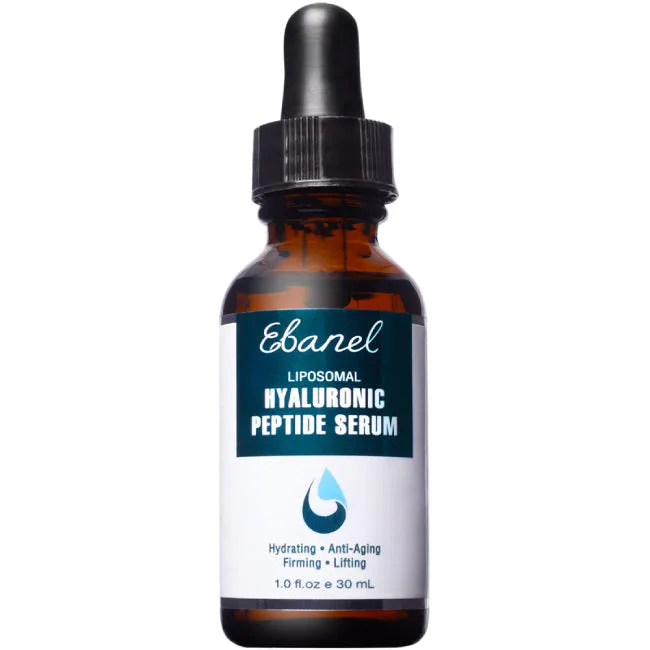
Liposomal Hyaluronic Peptide Serum
For tougher areas such as feet, elbows, or knees, a 20–30% urea formulation is more appropriate. These higher concentrations break down thickened, calloused skin and are often used in podiatry. However, they should be avoided on broken or inflamed skin. Always patch test when trying a new concentration. The key takeaway is that urea is not a one-size-fits-all ingredient—choosing the right percentage ensures you get the benefits without irritation.
- 5–10% urea: Best for facial hydration and mild dryness.
- 10–20% urea: Effective for body dryness and mild keratosis pilaris.
- 20–40% urea: Reserved for calloused feet, heels, and severe rough patches.
How to Incorporate Urea Cream into Your Skincare Routine for Maximum Benefits
To get the most out of urea cream, apply it to slightly damp skin after cleansing. This helps lock in moisture and enhances penetration. For daytime use, follow with a broad-spectrum sunscreen, as urea can increase skin sensitivity to UV rays due to its exfoliating effect. At night, you can layer it under a richer balm or oil for added occlusion. Consistency is key—use it daily for at least two weeks to see noticeable improvements in texture and hydration.
Urea pairs well with other hydrating ingredients like hyaluronic acid, glycerin, and ceramides. Avoid combining it with strong acids (e.g., glycolic acid) or retinoids in the same session, as this may over-exfoliate. Instead, alternate days or use urea in the morning and stronger actives at night. For a complete routine, consider adding the Hyaluronic Collagen Sheet Mask Pack once a week to boost hydration and soothe the skin after exfoliation.
- Apply urea cream on damp skin for better absorption.
- Always wear sunscreen during the day when using urea.
- Avoid layering with strong exfoliating acids; alternate nights instead.
Scientific Studies Supporting Urea as a Dry Skin Moisturizer
Multiple clinical studies have validated urea’s role as a dry skin moisturizer. A 2017 study published in the Journal of Dermatological Treatment found that a 10% urea cream significantly improved skin hydration and reduced scaling in patients with xerosis after two weeks. Another study in the International Journal of Cosmetic Science demonstrated that urea enhances the penetration of other active ingredients, making it an excellent vehicle for targeted treatments. The keratolytic effect was also shown to reduce the thickness of the stratum corneum without causing inflammation.
Furthermore, urea has been found to possess mild antimicrobial properties, which can help prevent secondary infections in cracked skin. This makes it particularly valuable for diabetic foot care or eczema-prone individuals. While more research is needed on long-term effects, current evidence strongly supports urea as a safe, effective, and science-backed ingredient for chronic dryness.
- 10% urea cream improved hydration by 35% in a two-week clinical trial.
- Urea enhances the absorption of other moisturizers and active ingredients.
- Mild antimicrobial properties help protect compromised skin barriers.
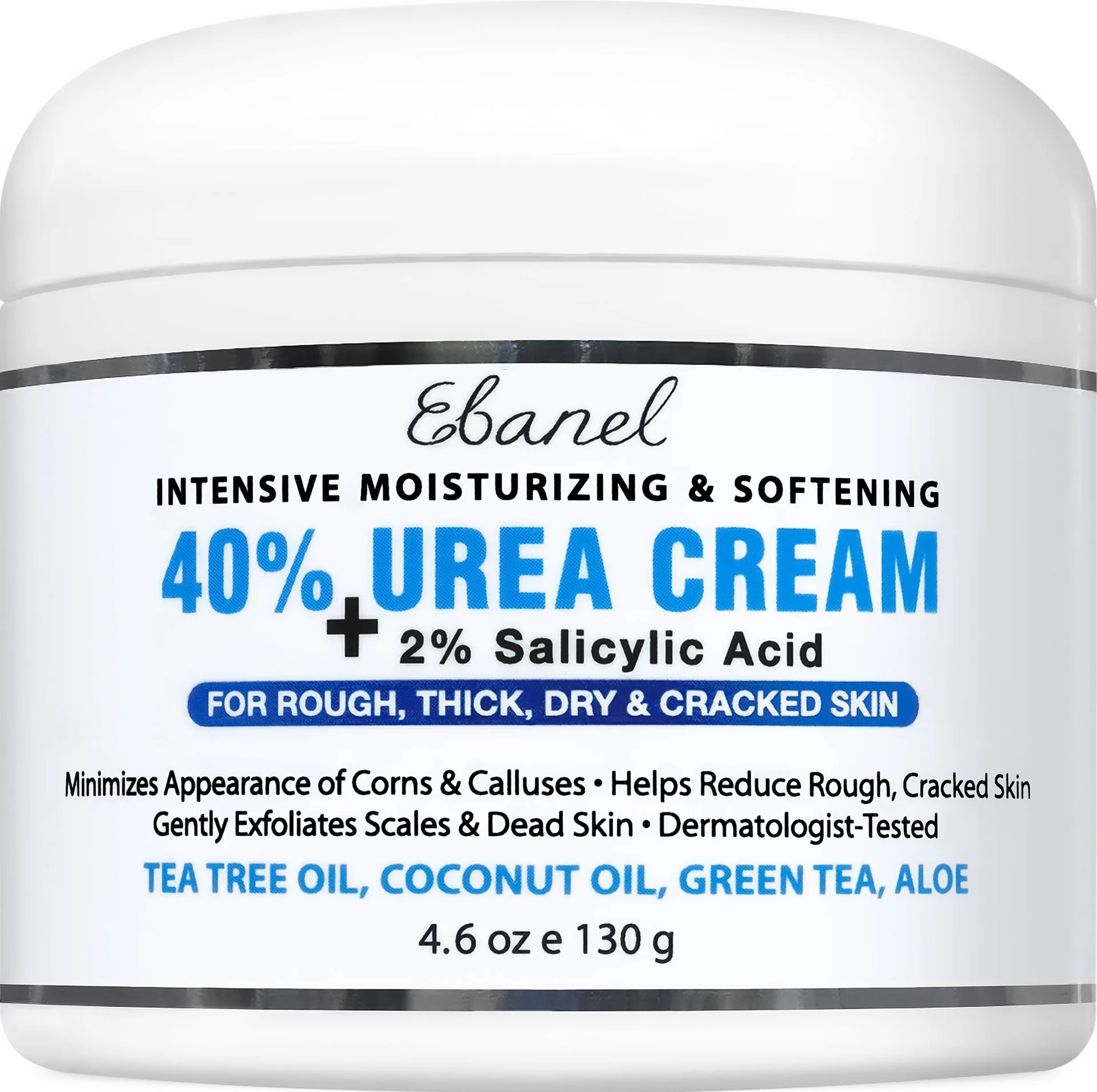
Urea cream is far more than a simple moisturizer—it’s a scientifically formulated keratolytic cream that hydrates, exfoliates, and repairs the skin barrier simultaneously. Whether you’re managing seasonal dryness, rough elbows, or chronic conditions like keratosis pilaris, understanding the science behind urea for hydration empowers you to choose products that truly work. For a gentle yet effective option, explore the Ebanel Skincare range and discover how urea-based formulas can transform your dry skin routine.