For millions of people, the day doesn’t truly begin until that first sip of a hot, caffeinated beverage. Whether you reach for a robust black tea or a dark roast coffee, caffeine is the common thread that powers our mornings, fuels our afternoons, and sometimes keeps us awake at night. But not all caffeine is created equal—and the way your body processes caffeine from tea versus coffee is surprisingly different.
In this article, we’ll dive into the science of caffeine in tea vs. coffee, exploring how their chemical structures, absorption rates, and accompanying compounds influence your energy, focus, and even your long-term health. By the end, you’ll understand why tea drinkers often report a calmer, more sustained alertness—and how you can harness that science to choose the right brew for every moment of your day.
Caffeine Content: Tea vs. Coffee by the Numbers
The most common assumption is that coffee contains far more caffeine than tea. While that’s generally true, the gap is narrower than you might think. An average 8-ounce cup of brewed coffee delivers about 95–200 mg of caffeine, depending on the bean and brewing method. By contrast, a similar-sized cup of black tea typically contains 40–70 mg. But here’s the twist: the caffeine content in tea can vary dramatically by type, leaf age, and steeping time.
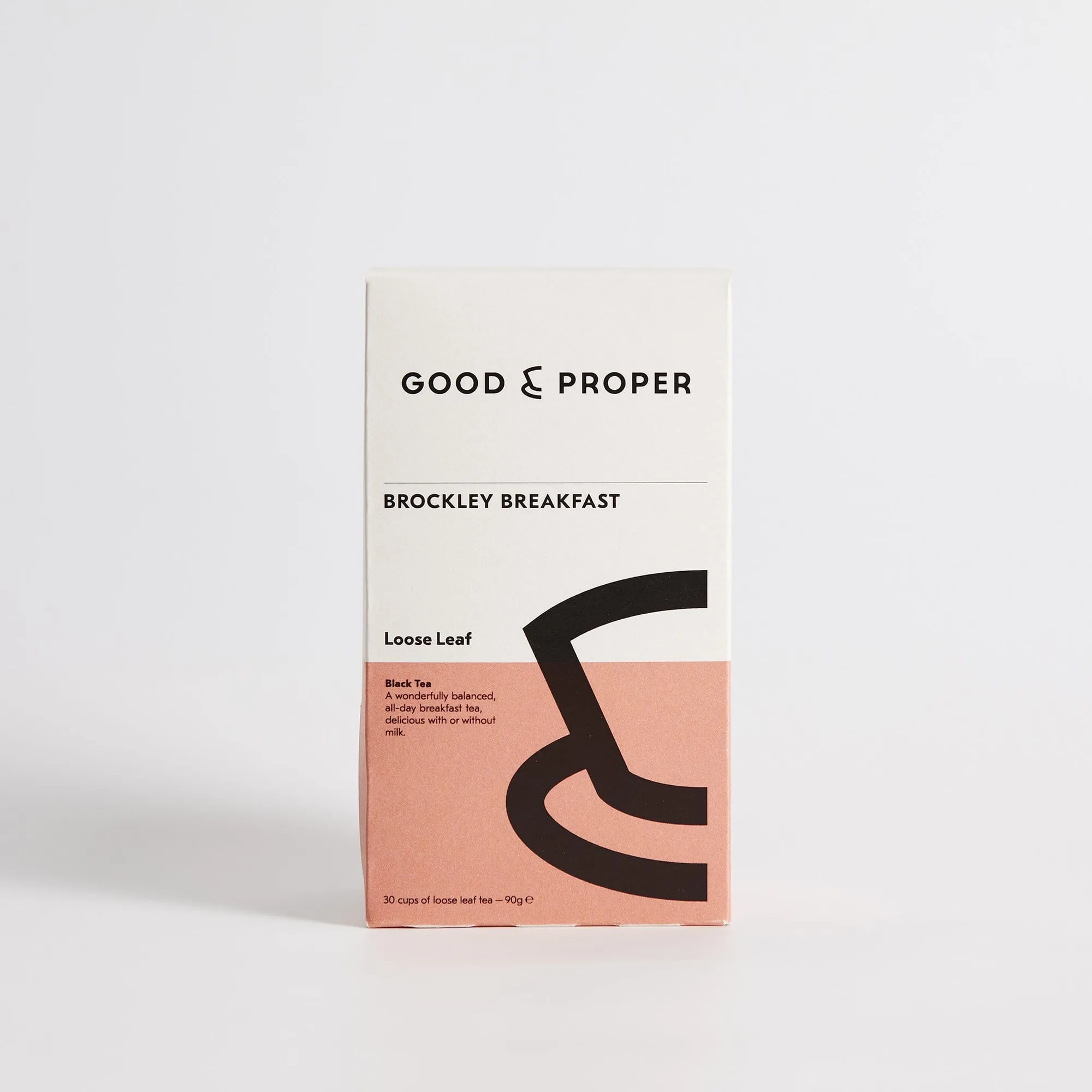
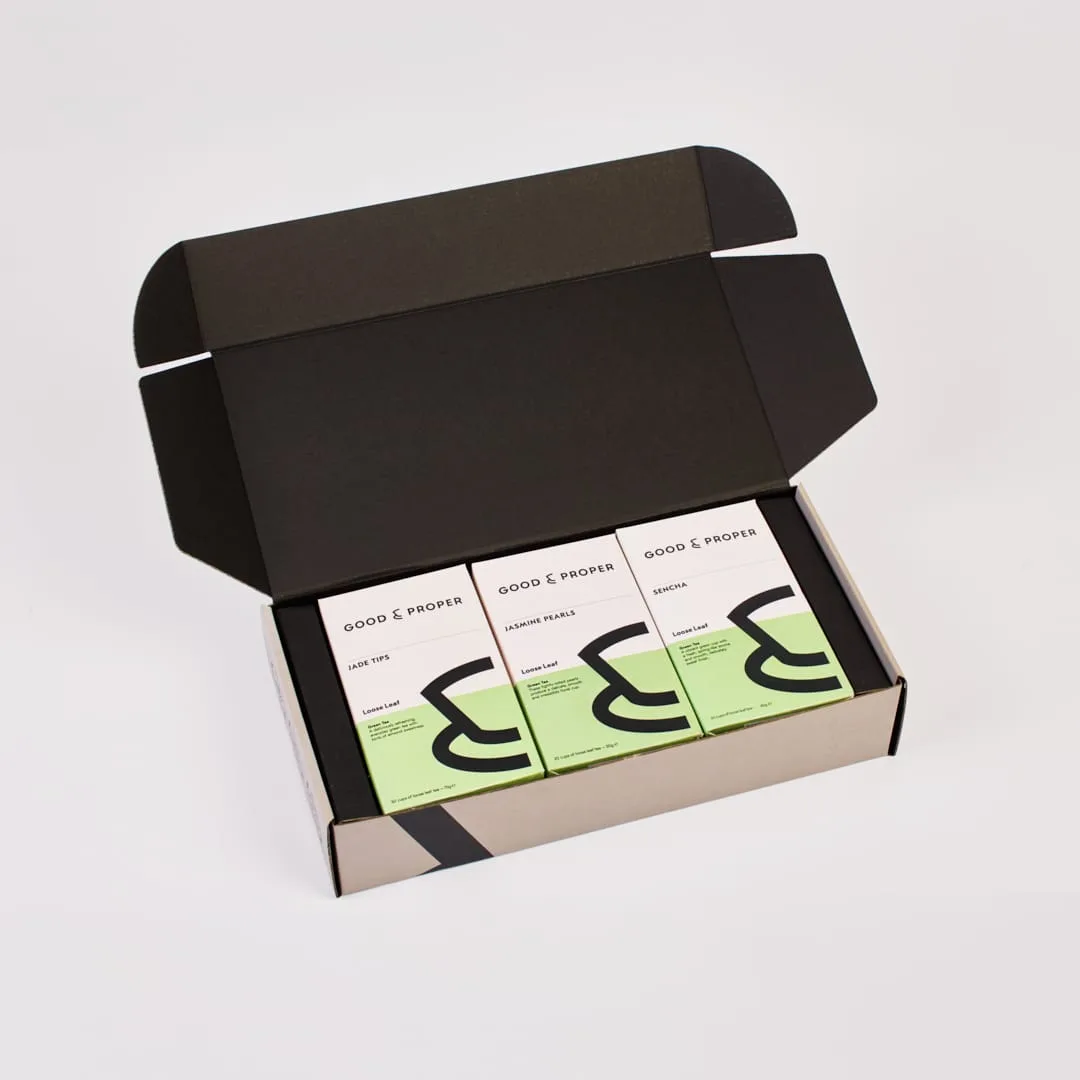
For example, a well-brewed cup of our Brockley Breakfast - Loose Leaf can pack a punch closer to 70 mg, especially if you steep it for three to five minutes. Meanwhile, green teas like Sencha - Loose Leaf generally contain 20–40 mg per cup, and white teas like White Peony - Loose Leaf hover around 15–30 mg. The key takeaway? Tea offers a wide spectrum of caffeine levels, allowing you to fine-tune your intake without switching to decaf.
- Coffee: 95–200 mg per 8 oz cup
- Black tea: 40–70 mg per 8 oz cup
- Green tea: 20–40 mg per 8 oz cup
- White tea: 15–30 mg per 8 oz cup
The L-Theanine Factor: Why Tea’s Caffeine Feels Different
One of the most fascinating differences between tea and coffee is not the caffeine itself, but what comes with it. Tea leaves contain an amino acid called L-theanine, which has a unique ability to promote relaxation without drowsiness. When consumed alongside caffeine, L-theanine modulates the stimulant’s effects, reducing jitters and anxiety while enhancing focus and mental clarity. This synergy is often described as 'calm alertness'—a state that coffee rarely provides.
Coffee, on the other hand, lacks L-theanine. Its caffeine is absorbed quickly, leading to a sharp spike in energy followed by a potential crash. This is why many tea drinkers report feeling more balanced and productive throughout the day. For the smoothest, most sustained lift, consider a premium matcha like the one included in our Matcha Essentials Starter Kit, which delivers a concentrated dose of both caffeine and L-theanine for a truly zen-like energy boost.
- L-theanine promotes alpha brain waves, linked to relaxed focus.
- Caffeine + L-theanine = smoother energy curve, less crash.
- Coffee alone can spike cortisol and adrenaline more sharply.
Absorption and Metabolism: How Your Body Handles Each Brew
The way caffeine enters your bloodstream also differs between tea and coffee. Coffee’s caffeine is largely unbound, meaning it’s rapidly absorbed through the stomach and small intestine, reaching peak levels in about 30–45 minutes. Tea’s caffeine, however, is partially bound to polyphenols (antioxidants), which slow its release. This results in a more gradual absorption and a longer-lasting effect—often up to six hours of gentle stimulation.
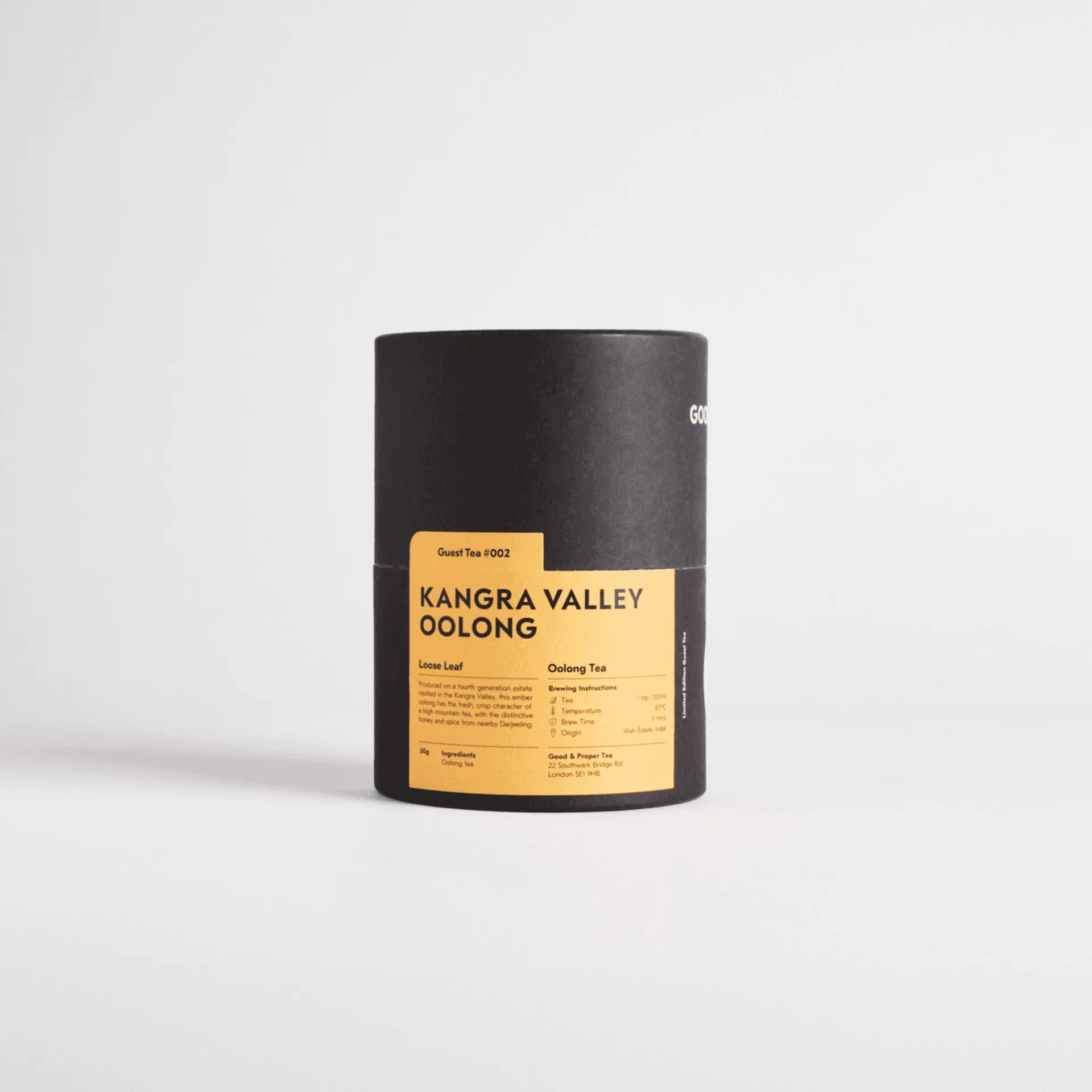
Additionally, tea contains a compound called EGCG (epigallocatechin gallate), a powerful antioxidant that not only supports health but also influences caffeine metabolism. Studies suggest that EGCG can slightly inhibit the breakdown of caffeine in the liver, prolonging its effects. So while a cup of coffee might give you a quick jolt, a cup of oolong or green tea—like the delicate GUEST TEA Kangra Valley Oolong - Loose Leaf—offers a steady, sustained energy that won’t leave you reaching for a second cup an hour later.
- Coffee: peak caffeine in blood at 30–45 minutes.
- Tea: peak at 45–60 minutes, with a longer tail.
- Polyphenols in tea slow caffeine absorption naturally.
Health Implications: Antioxidants, Hydration, and Long-Term Effects
Beyond energy, the health profiles of tea and coffee diverge significantly. Coffee is rich in chlorogenic acids, which have been linked to improved glucose metabolism and reduced risk of type 2 diabetes. However, its high acidity can irritate the stomach for some people. Tea, especially green and white varieties, is packed with catechins like EGCG, which are associated with heart health, reduced inflammation, and even neuroprotection.
Hydration is another subtle difference. While both beverages contribute to your daily fluid intake, tea’s lower caffeine concentration (and the presence of theanine) makes it less likely to cause dehydration. In fact, moderate tea consumption is considered hydrating. For a caffeine-free alternative that still offers a rich, flavorful experience, our Hibiscus - Loose Leaf is a vibrant herbal option packed with vitamin C and antioxidants—perfect for an afternoon refresh without any stimulant effects.
- Tea: high in catechins (EGCG) – supports heart and brain health.
- Coffee: high in chlorogenic acids – may aid blood sugar control.
- Both are hydrating in moderate amounts; tea is gentler on the stomach.
How to Choose the Right Caffeine Source for Your Day
Your choice between tea and coffee can be optimized based on your daily rhythm and goals. If you need a quick, powerful wake-up call before a workout or a morning meeting, coffee’s rapid spike might be your best bet. But if you’re facing a long afternoon of focused work, creative tasks, or studying, tea’s sustained energy and cognitive clarity are hard to beat.
Experiment with different tea styles to find your perfect match. A bold black tea like our Ceylon - Loose Leaf offers a bright, brisk caffeine kick that rivals light roasts. For a more meditative energy, matcha provides a concentrated dose of both caffeine and L-theanine. And if you’re sensitive to caffeine or want to enjoy tea in the evening, herbal infusions deliver flavor and wellness without the stimulant. Understanding the science behind caffeine in tea vs. coffee empowers you to drink smarter, not just harder.
- Morning rush: coffee or strong black tea.
- Afternoon focus: green tea, oolong, or matcha.
- Evening unwind: herbal or white tea with low caffeine.
Whether you’re a devoted coffee lover or a tea enthusiast, the science is clear: both beverages have unique strengths. Tea offers a gentler, more balanced energy boost thanks to L-theanine and slower caffeine absorption, making it an ideal choice for sustained productivity and calm focus. Ready to experience the difference for yourself? Explore our curated selection of premium loose-leaf teas, including the award-winning Brockley Breakfast - Loose Leaf, and discover a new way to energise your day—one cup at a time.