Have you ever brewed a cup of specialty coffee that tasted sour, bitter, or just flat? The culprit is often poor extraction. Coffee extraction is the process of dissolving soluble compounds from ground coffee into water. Mastering this science is the key to unlocking the full potential of your beans, whether you are using a pour-over, French press, or espresso machine.
In this guide, we will break down the chemistry behind extraction, explore the variables you can control, and share practical tips to help you brew a consistently delicious cup. By understanding extraction, you will avoid common pitfalls and elevate your home brewing to café quality.
What Is Coffee Extraction and Why Does It Matter?
Coffee extraction is the process where water pulls flavor compounds, oils, and acids from roasted coffee grounds. The goal is to achieve a balanced extraction—neither under-extracted (sour, lacking sweetness) nor over-extracted (bitter, hollow). The ideal extraction yield for most brew methods is between 18% and 22% of the coffee's mass. This sweet spot produces a cup with bright acidity, natural sweetness, and a clean finish.
The compounds dissolve at different rates: acids and fruit flavors come out first, followed by sugars and body, and finally bitter compounds. If you stop the brew too early, you get sour coffee. If you let it run too long, bitterness dominates. Understanding this timeline helps you adjust your recipe for the perfect balance.
- Under-extraction: sour, salty, lacking sweetness
- Over-extraction: bitter, astringent, dry mouthfeel
- Balanced extraction: sweet, acidic, complex, clean
Key Variables That Control Extraction
Four main variables determine extraction quality: grind size, water temperature, brew time, and coffee-to-water ratio. Grind size is the most impactful. A finer grind increases surface area, speeding up extraction, while a coarser grind slows it down. For example, if your pour-over tastes sour, try a finer grind to extract more sweetness. If it tastes bitter, go coarser.
Water temperature also matters. The Specialty Coffee Association recommends water between 195°F and 205°F (90-96°C). Too hot, and you risk over-extraction; too cool, and you get under-extraction. Brew time varies by method: pour-overs typically take 2.5 to 4 minutes, while French press requires 4 minutes. Finally, a common ratio is 60 grams of coffee per liter of water (or 1:16.7), but you can adjust to taste.
- Grind size: adjust finer for more extraction, coarser for less
- Water temperature: stay between 195-205°F
- Brew time: follow method guidelines, then tweak
- Ratio: start with 1:16 coffee-to-water
Choosing the Right Beans and Equipment
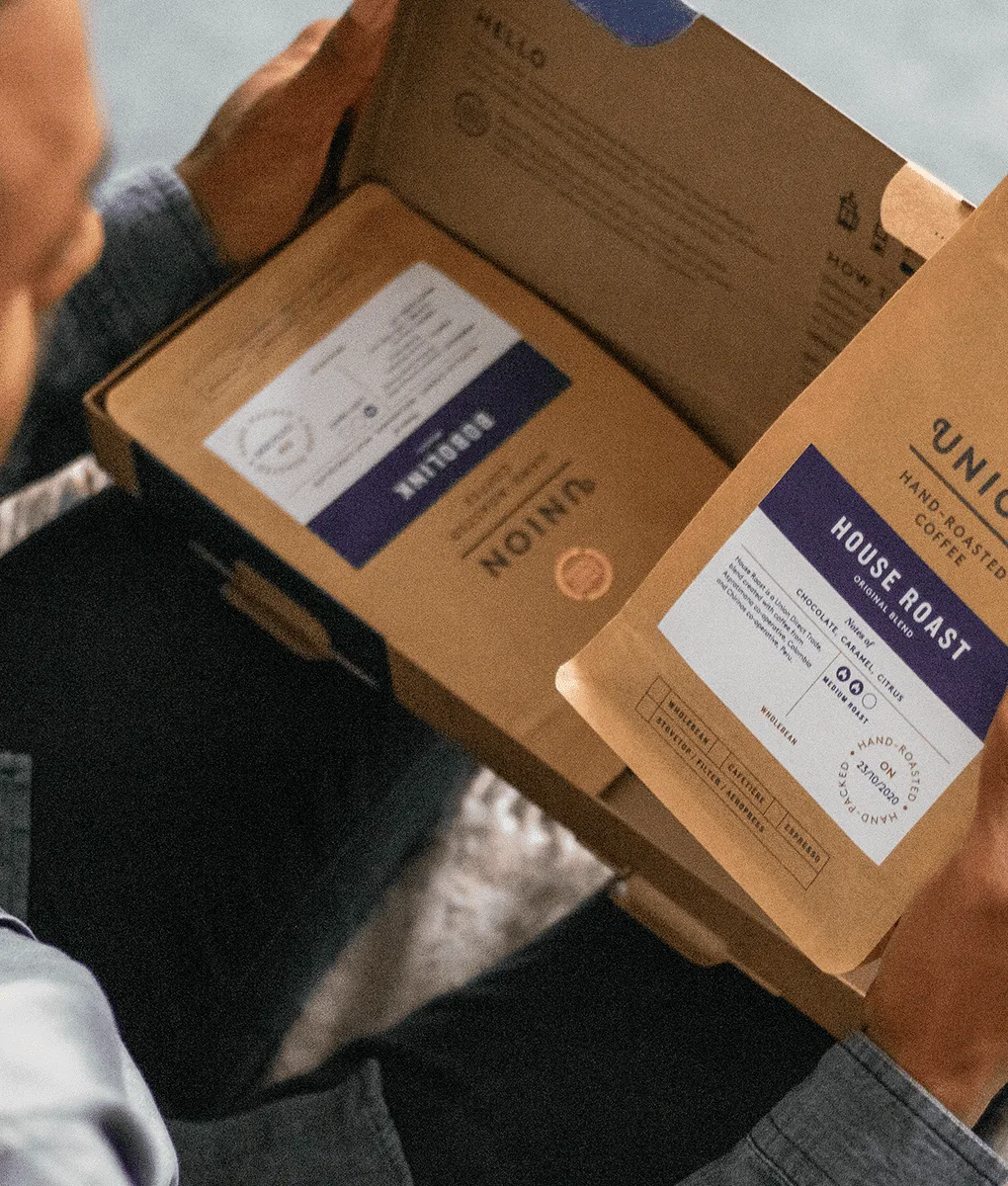
The quality of your coffee beans sets the foundation for great extraction. Freshly roasted, specialty-grade beans like the single origin Timana, Colombia offer complex flavors that respond beautifully to precise brewing. For a balanced, crowd-pleasing option, the Bright Note, Blend combines bright acidity with a smooth body, making it forgiving for beginners.
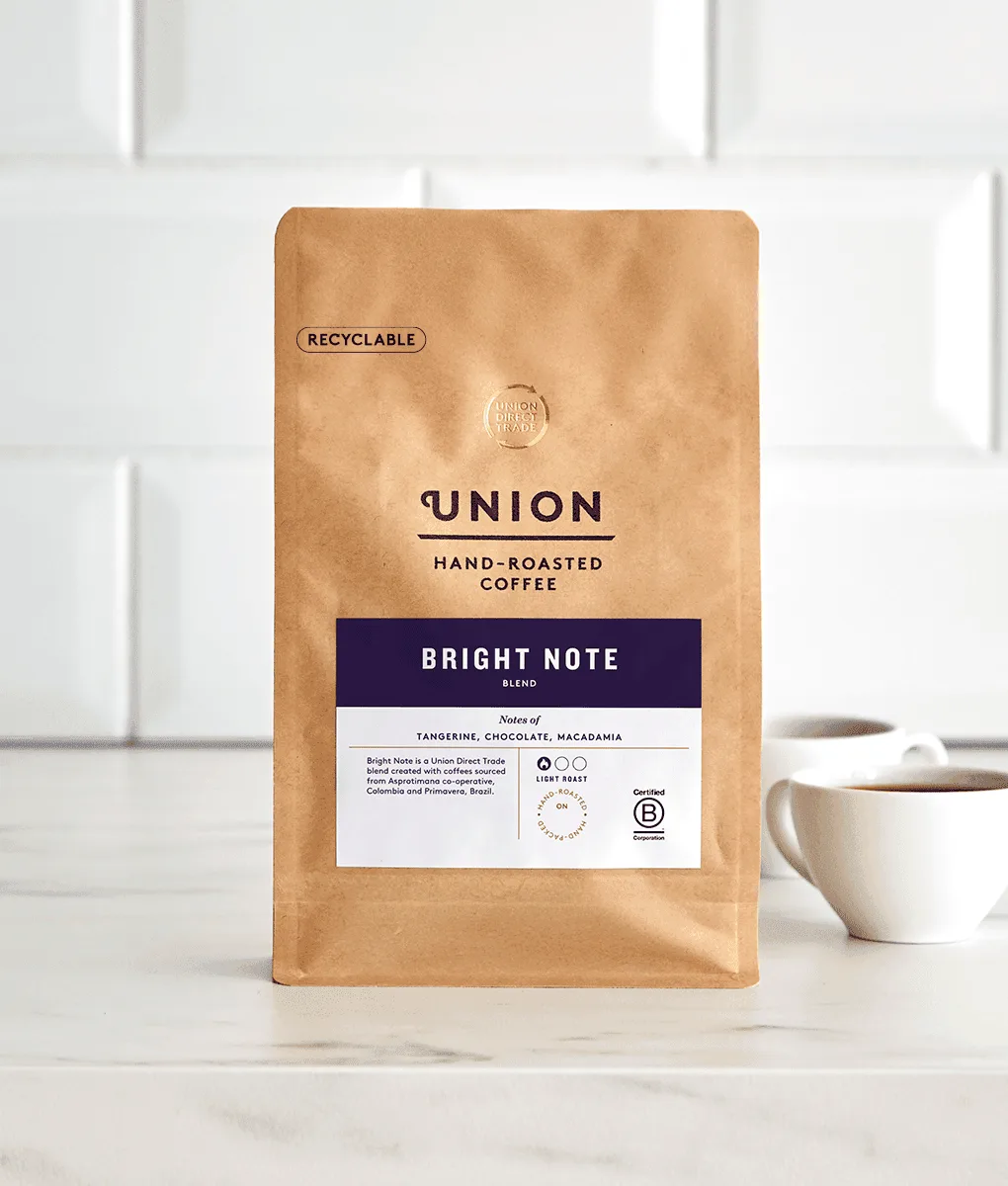
Bright Note, Blend
Your equipment also plays a role. A consistent grind from a burr grinder, such as the Hario Mini Mill, Hand Grinder, ensures even extraction. For immersion brewing, the TIMEMORE U, French Press allows full control over steep time, producing a rich, full-bodied cup. Investing in quality gear removes variables and helps you repeat your best results.
- Use freshly roasted beans for maximum flavor
- A burr grinder ensures uniform particle size
- Match brew method to your preferred flavor profile
Step-by-Step Guide to Dialing In Your Brew
Start with a baseline recipe: 15 grams of coffee, 250 grams of water at 200°F, medium-fine grind. Brew for 3 minutes using a pour-over. Taste the result. If it is sour, grind finer and keep the same time. If it is bitter, grind coarser or shorten the brew time by 15-30 seconds. Keep notes so you can track changes.
For a French press, use a coarse grind and steep for 4 minutes. If the cup is weak, steep longer (up to 5 minutes) or use slightly more coffee. If it is bitter, reduce steep time to 3.5 minutes. The key is to change only one variable at a time. Over time, you will develop a feel for how each adjustment affects the cup.
- Sour? Grind finer or increase water temperature
- Bitter? Grind coarser or reduce brew time
- Weak? Increase coffee dose or steep longer
Common Extraction Mistakes and How to Fix Them
One common mistake is using water straight off the boil, which scorches the grounds and causes bitterness. Let it cool for 30-45 seconds after boiling. Another mistake is uneven extraction from a poor pour technique—pour in a steady, circular motion to saturate all grounds evenly. Stale coffee also leads to flat extraction; always use beans roasted within the last four weeks.
Finally, don't ignore the importance of clean equipment. Oils and residue from previous brews can alter extraction and introduce off-flavors. Rinse your brewer and grinder after each use. With these fixes, you will consistently hit the extraction sweet spot.
- Let boiled water cool slightly before brewing
- Pour evenly to avoid channeling
- Use fresh beans and clean gear
The science of coffee extraction may seem complex, but with practice, it becomes intuitive. By controlling grind size, water temperature, and brew time, you can transform any brew into a balanced, flavorful experience. Start your journey with a premium single origin like Timana, Colombia and experiment with your technique. Your perfect cup is just a few adjustments away.