When the U.S. Army introduced the Operational Camouflage Pattern (OCP) in 2015, it marked a significant shift in military uniform design. Replacing the Universal Camouflage Pattern (UCP) that had been criticized for its ineffectiveness, Scorpion OCP was engineered to perform across a wide range of environments. Today, it's not just a military standard—it's a favorite among tactical enthusiasts, hunters, and outdoor adventurers.
In this article, we'll dive into the history of Scorpion OCP, why it works so well in diverse terrains, and how it compares to other popular patterns like MultiCam. We'll also look at how you can incorporate OCP gear into your own kit, from tactical belts to vests and accessories.
The History of Scorpion OCP
The story of Scorpion OCP begins with the U.S. Army's search for a replacement for the UCP, which was widely criticized for being too uniform and ineffective in most environments. The Army tested several patterns, and Scorpion—a variant of Crye Precision's MultiCam—emerged as the winner. In 2015, the Army officially adopted OCP, and by 2019, it became the standard for all soldiers.
The name 'Scorpion' comes from the original test pattern, while OCP stands for Operational Camouflage Pattern. The design incorporates a blend of earth tones, including tan, brown, green, and gray, which helps break up the wearer's silhouette in both woodland and arid settings. Unlike UCP, which relied heavily on gray and digital blocks, OCP uses organic shapes that mimic natural textures.
- Adopted in 2015, full rollout by 2019
- Based on Crye Precision's MultiCam but with adjusted color proportions
- Designed to reduce visual signature in multiple environments
Why Scorpion OCP Works in Most Environments
The effectiveness of Scorpion OCP lies in its color palette and pattern design. The pattern uses a mix of light and dark shades that blend well with dry grass, dirt, and foliage. Unlike patterns that are optimized for a single terrain, OCP strikes a balance. In tests, it performed well in both woodland and desert environments, making it a true multi-terrain pattern.
Another key factor is the scale of the pattern. The shapes are large enough to be effective at distance but small enough to work in close-quarters. This is crucial for military operations where soldiers may move between different landscapes. For civilians, this versatility means you can wear OCP gear for a variety of activities, from hiking to shooting sports, without needing to switch patterns for different seasons or locations.
Scorpion OCP vs. MultiCam: What's the Difference?
Many people wonder how Scorpion OCP differs from MultiCam, especially since OCP was derived from it. The main difference is the color distribution. MultiCam has a higher contrast with more green and brown, while OCP is slightly lighter and has a more balanced mix. This makes OCP slightly better in arid environments, while MultiCam excels in lush, green areas.
For the average user, the choice often comes down to personal preference and the primary environment you operate in. However, OCP has the advantage of being the official military pattern, meaning there is a wide range of gear available, from uniforms to pouches and belts. If you're building a kit that you want to use across different terrains, OCP is a solid choice.
Incorporating Scorpion OCP into Your Tactical Gear
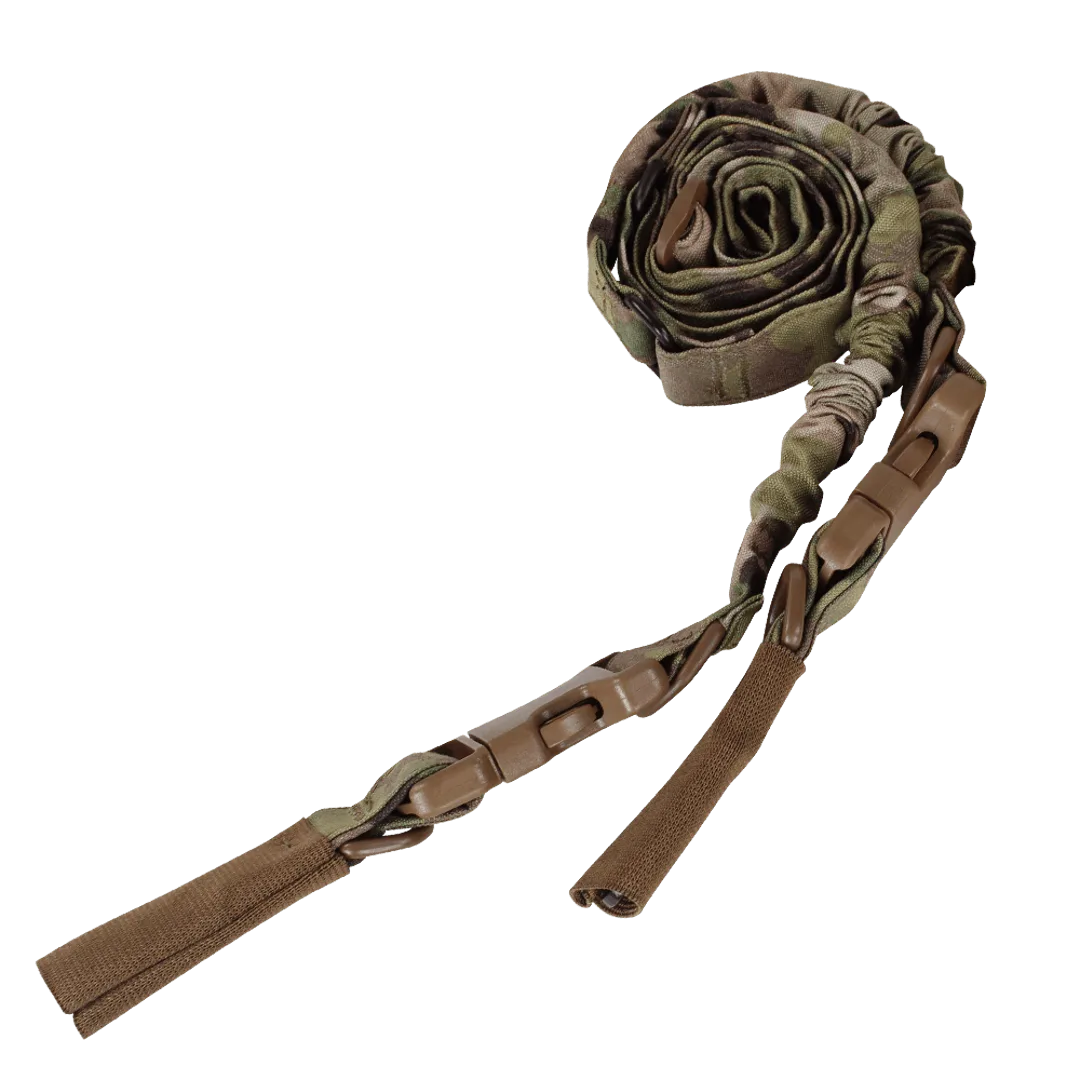
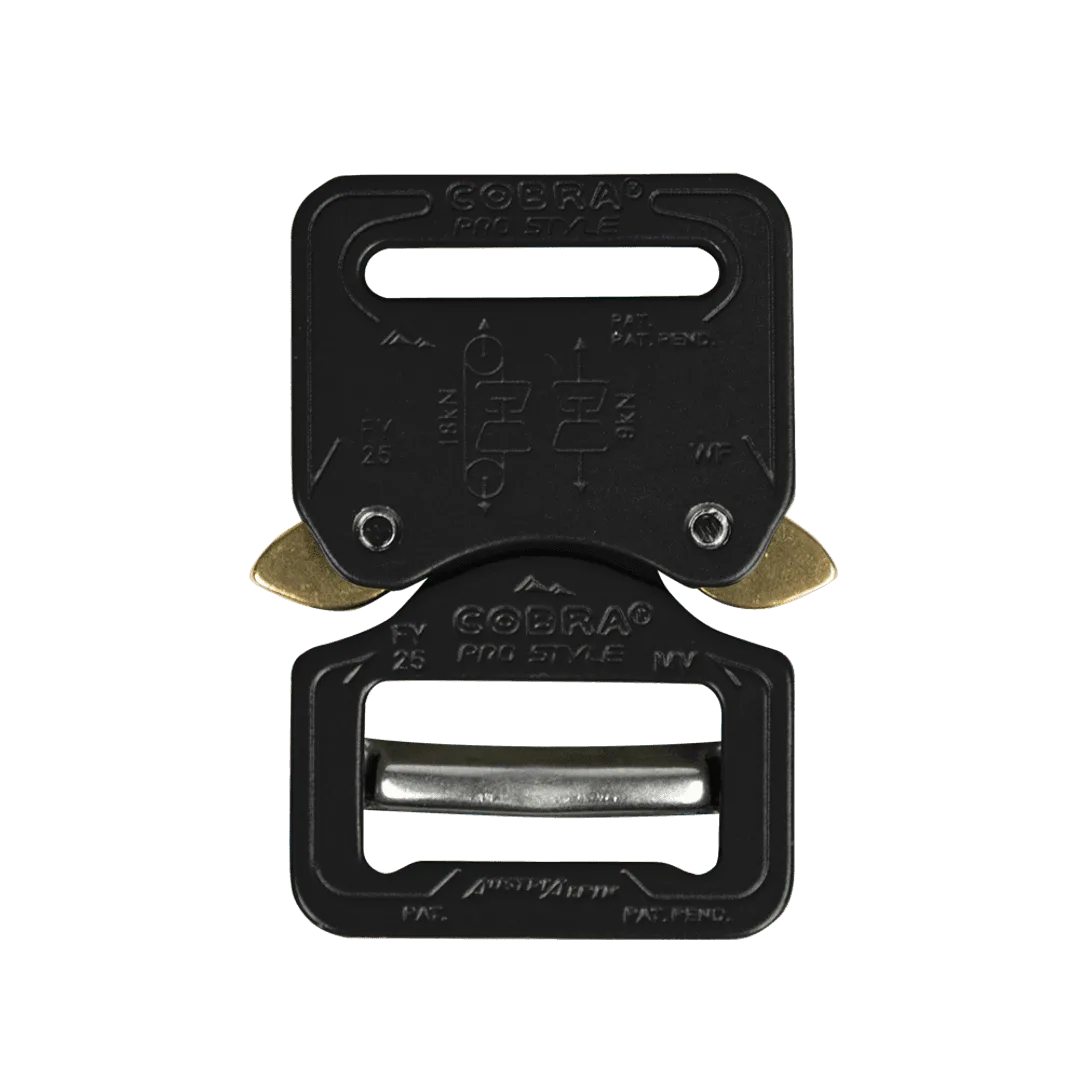
If you're ready to add Scorpion OCP to your gear, there are plenty of options. A good starting point is a tactical belt, which is essential for carrying holsters, mag pouches, and other accessories. The Tactical Belt - Scorpion OCP offers a sturdy platform that matches your OCP uniform or outerwear.
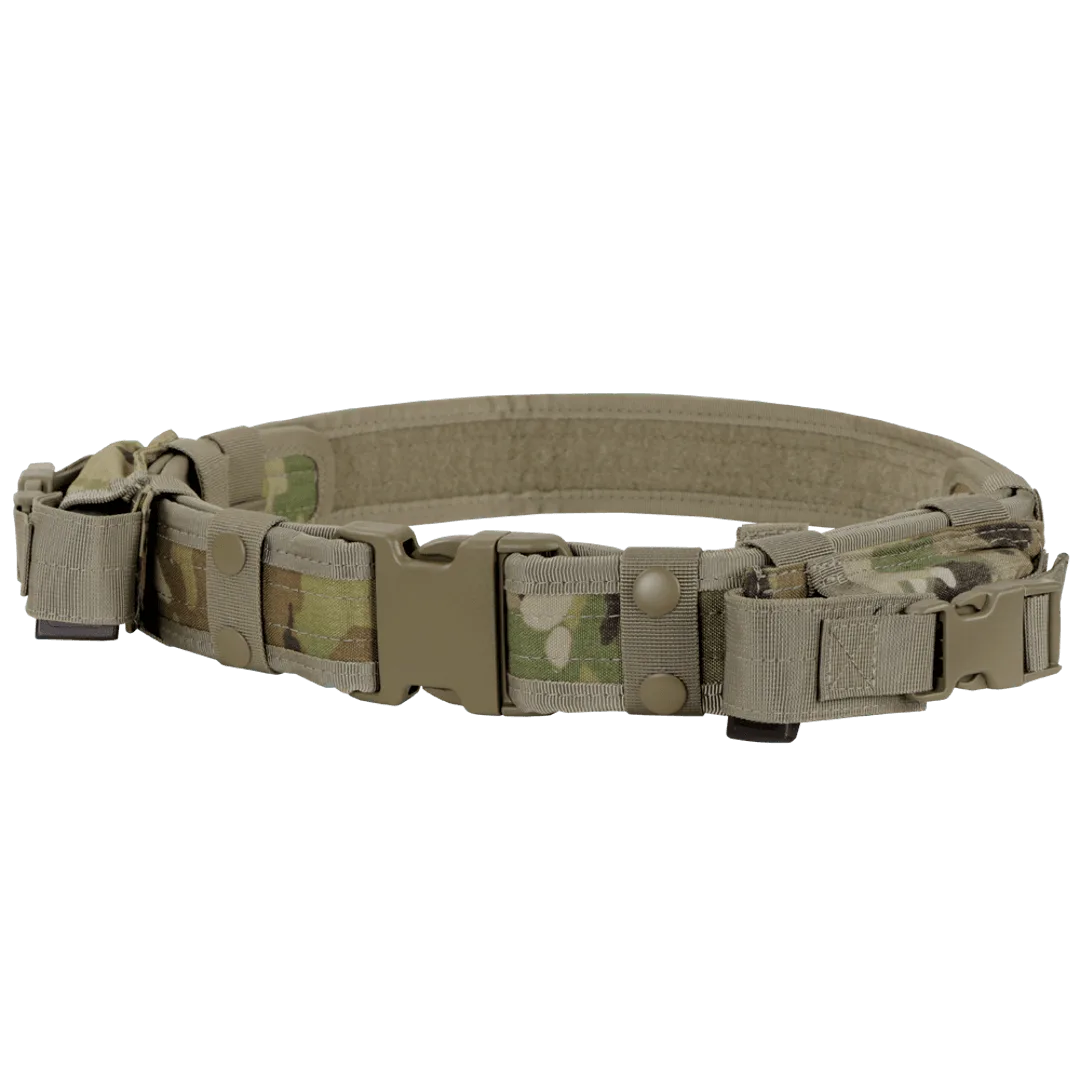
Tactical Belt - Scorpion OCP
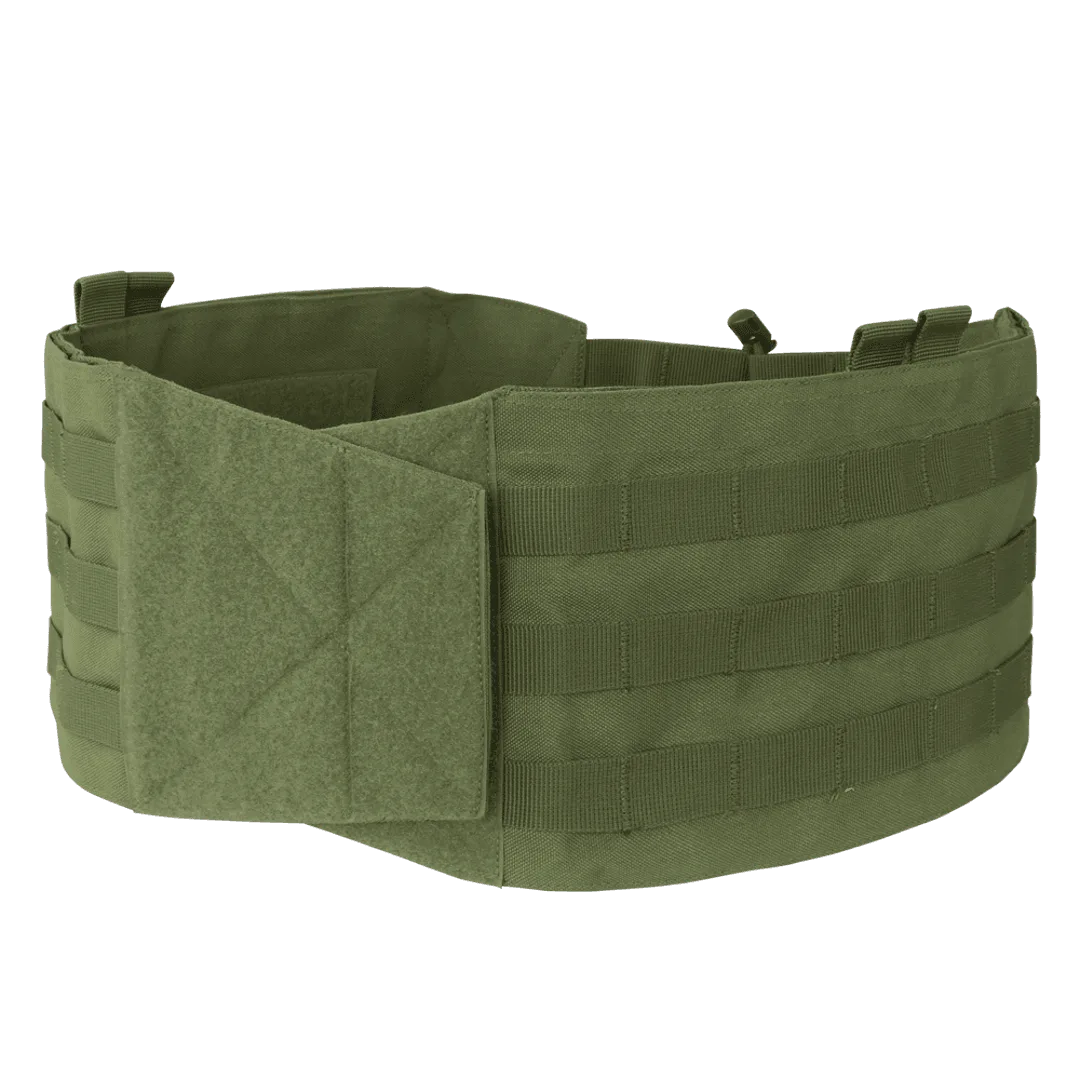
For more specialized needs, consider the Battle Belt Gen II - Scorpion OCP, which provides additional padding and MOLLE compatibility for extended missions. Pair it with the Compact Utility Pouch - Scorpion OCP to keep essential tools and gear within easy reach. These pieces not only enhance your loadout but also maintain a cohesive, professional look.
- Start with a belt: the foundation of any load-bearing setup
- Add MOLLE pouches for customization and easy access
- Match your OCP gear with a windbreaker or jacket for variable weather
The Future of Scorpion OCP
As of 2026, Scorpion OCP remains the standard camouflage for the U.S. Army, and its popularity shows no signs of waning. Its effectiveness has been proven in real-world operations, and its availability in the civilian market continues to grow. While new patterns may emerge, OCP's balanced design ensures it will remain relevant for years to come.
For tactical enthusiasts, investing in OCP gear is a smart move. It's a pattern that works, and it's backed by extensive testing and military adoption. Whether you're a collector, a shooter, or someone who values practical outdoor clothing, Scorpion OCP offers a reliable and versatile option.
Scorpion OCP has earned its place as one of the most effective camouflage patterns available. Its history, performance, and versatility make it a top choice for military and civilian use alike. If you're looking to upgrade your tactical gear, explore our selection of OCP products, including the Tactical Belt and Battle Belt Gen II, to build a kit that performs in any environment.