Quick answer
Tempered glass offers superior drop and scratch protection with a glass-like feel, while plastic screen protectors are thinner and more flexible but less impact-resistant. For most users, tempered glass is the better choice for overall protection, especially if you prioritize durability and clarity.
When it comes to protecting your phone's display, the choice between a screen protector and tempered glass is a common dilemma. Both aim to shield your screen from scratches, cracks, and everyday wear, but they do so in different ways. Understanding these differences is key to selecting the best screen protection for your phone.
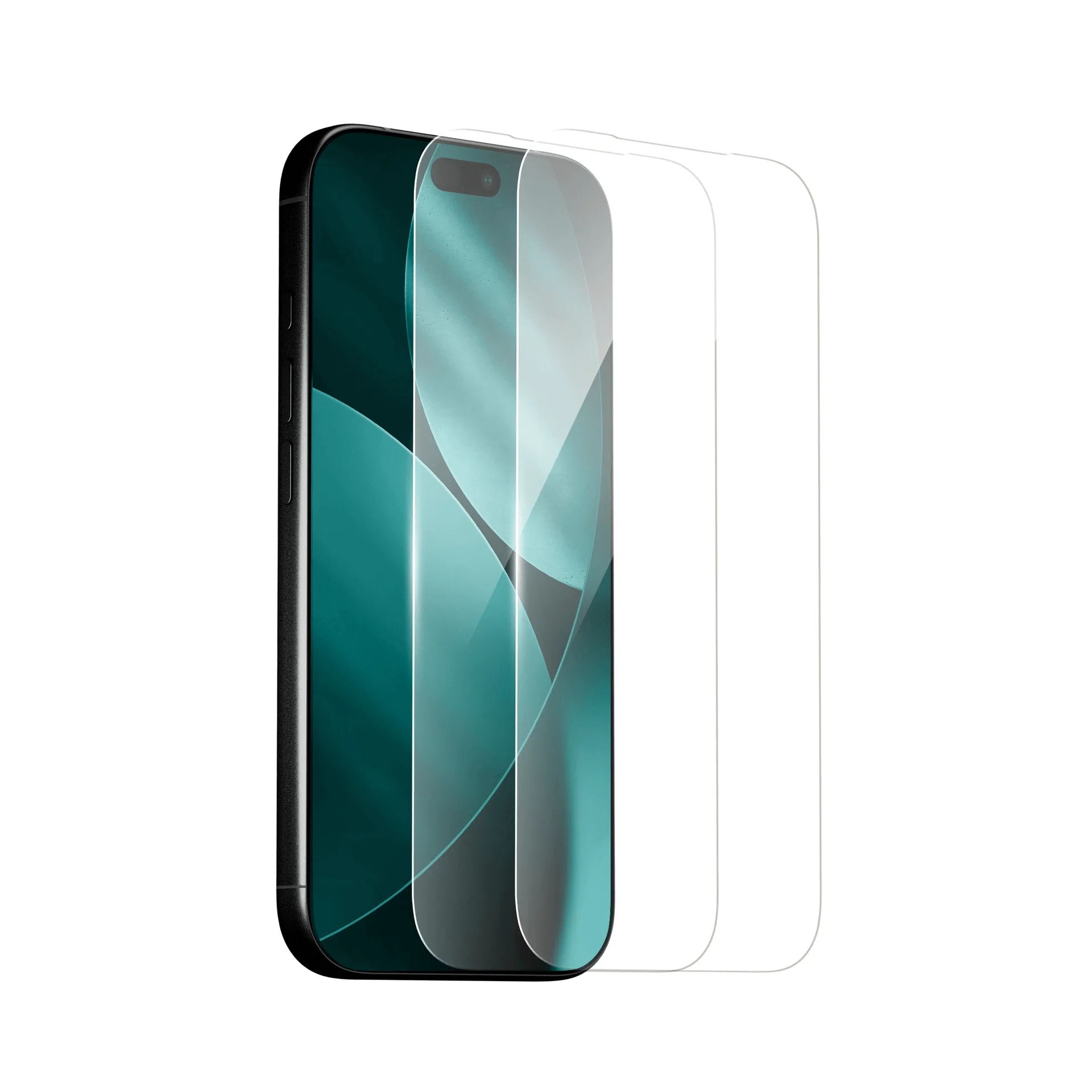
screen protector
In this comparison, we'll break down the pros and cons of each option, examine the materials, and help you decide which one aligns with your needs. Whether you're a clumsy user or someone who wants a pristine screen, this guide will clarify the trade-offs.
What Is a Screen Protector?
Screen protectors are thin, flexible films typically made of plastic (PET or TPU) that adhere directly to your phone's display. They are designed to absorb scratches and minor impacts, providing a sacrificial layer that can be replaced if damaged. Because they are thin, they often have a slight give, which can help absorb shock from drops.
However, plastic screen protectors are more prone to scratches themselves and may not offer the same level of impact protection as tempered glass. They can also develop a 'orange peel' texture or reduce touch sensitivity, though modern options have improved significantly.
- Pros: Thin, flexible, often cheaper, and can be curved to fit edge-to-edge displays.
- Cons: Less impact-resistant, may yellow over time, and can feel less glass-like.
What Is Tempered Glass?
Tempered glass screen protectors are made from specially treated glass that is heated and then rapidly cooled to increase its strength. This process makes it much more resistant to impacts and scratches compared to plastic. Tempered glass protectors are typically 0.3mm to 0.5mm thick and offer a smooth, glass-like feel that closely mimics your phone's original screen.
They also provide better clarity and maintain touch sensitivity, making them a popular choice for those who want premium protection. Many tempered glass protectors, like the Screen Protector from Mous, are designed with additional features such as oleophobic coatings to resist fingerprints and smudges.
- Pros: Superior scratch and impact resistance, glass-like feel, better clarity, and easier to install without bubbles.
- Cons: Slightly thicker, can shatter on extreme impact, and may be more expensive.
Key Differences: Protection, Feel, and Durability
The main difference lies in the material and its properties. Tempered glass is significantly harder (typically 9H hardness) than plastic, making it more resistant to scratches from keys, coins, and other objects. It also absorbs impact better, as the glass can crack instead of your phone's screen, acting as a shock absorber.
On the other hand, plastic screen protectors are thinner and more flexible, which can be advantageous for curved screens. However, they are more likely to get scratched and may not protect against a hard drop as effectively. For those who prioritize maximum protection, tempered glass is generally the recommended choice.
- Hardness: Tempered glass (9H) vs plastic (2-3H).
- Impact absorption: Tempered glass shatters to absorb shock; plastic may transfer impact.
- Touch feel: Tempered glass feels more like the original screen; plastic may feel rubbery.
Which Should You Choose?
If you're looking for the best screen protection for your phone, tempered glass is the clear winner for most users. It offers superior protection against drops and scratches, maintains a premium feel, and is easier to install without bubbles. The Mous Screen Protector is a great example, featuring tough tempered glass that balances durability with a smooth touch experience.
However, if you have a phone with a curved screen and want a protector that conforms to the edges without lifting, a plastic screen protector might be a better fit. But keep in mind that you'll sacrifice some impact protection.
- For maximum drop protection, choose tempered glass.
- For curved screens or a thinner profile, consider a high-quality plastic protector.
- Always check for compatibility with your phone model and case.
Trade-offs to Consider
- Impact Protection: Tempered glass absorbs shock by cracking, while plastic may not prevent screen damage in a hard drop. If you drop your phone often, tempered glass is safer.
- Clarity and Feel: Tempered glass offers a glass-like feel and better clarity, while plastic can have a slight texture and reduce touch sensitivity. For a premium experience, choose tempered glass.
- Flexibility and Fit: Plastic protectors are thinner and can conform to curved edges, while tempered glass may not adhere perfectly to some curved screens. For curved screens, plastic might be necessary, but check for tempered glass options designed for your model.
Product Facts: Mous Screen Protector
- Screen Protector: Tough tempered glass screen protector offering solid scratch resistance, high-level screen protection and clear display quality. Designed to balance durability with a smooth touch experience. This means you get the impact protection of tempered glass without sacrificing the feel of your phone's original screen, making it ideal for everyday use.
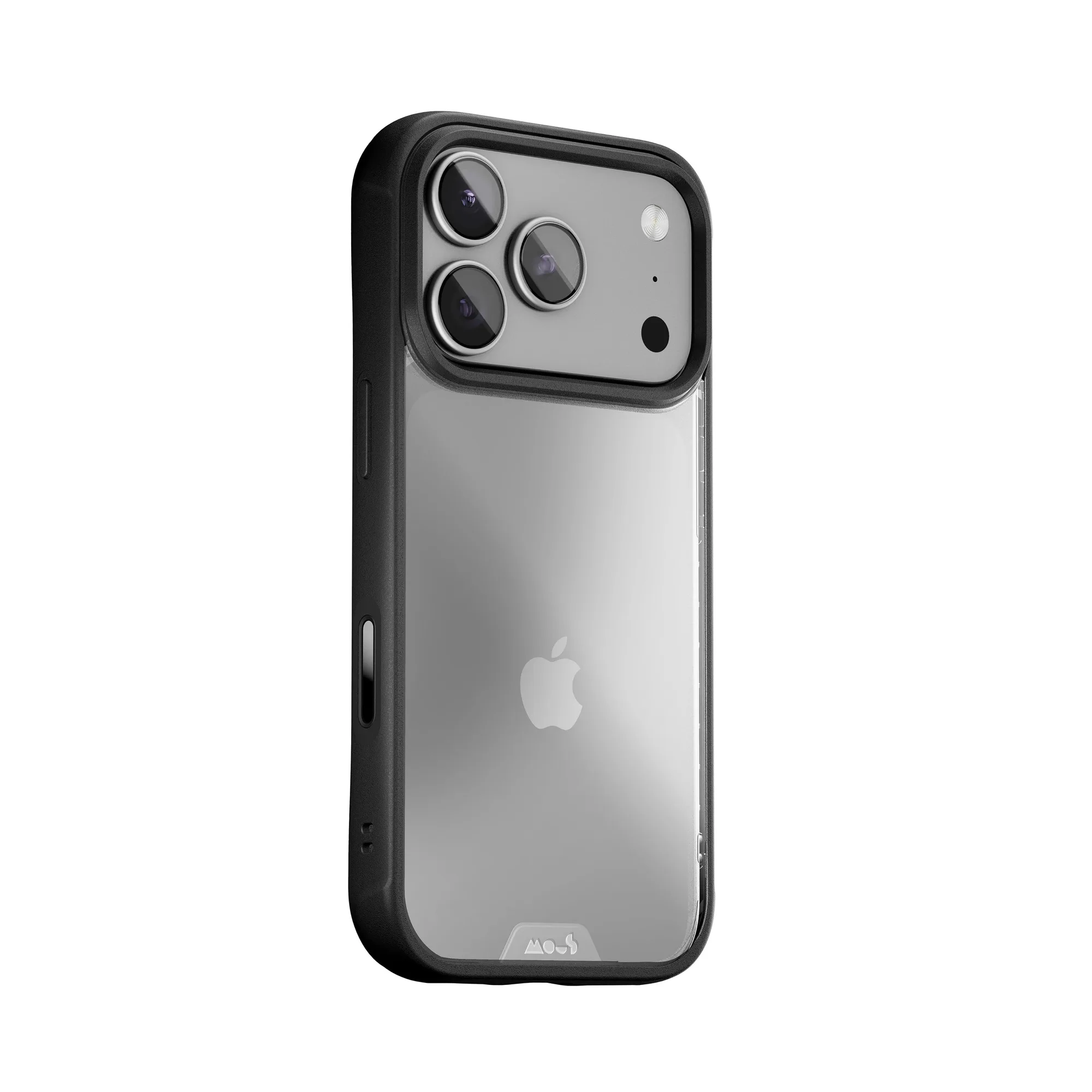
- Protective Iridescent Phone Case - Clarity: Our most protective clear case, engineered with impact-absorbing AiroShock® tech, anti-yellowing resistance and reinforced camera defence. Pairing a tempered glass screen protector with a protective case like this ensures comprehensive protection for your phone, covering both the screen and the body.
Which Protection Fits You?
Best for
- Users who prioritize maximum drop and scratch protection.
- People who want a glass-like feel and clear display without compromising touch sensitivity.
Not for
- Those with heavily curved screens where tempered glass may not adhere perfectly.
- Budget-conscious users who prefer a cheaper, replaceable option and are willing to sacrifice some protection.
In the battle of screen protector vs tempered glass, tempered glass clearly offers superior protection and feel for most users. If you want to safeguard your phone's display with a reliable, high-quality option, check out the Screen Protector from Mous. It's designed to provide the balance of durability and clarity you need, ensuring your screen stays pristine for years to come.