When it comes to styling your hair, the accessories you choose can have a surprising impact on its health. Scrunchies and hair clips are two of the most popular options, but each comes with its own set of benefits and potential drawbacks. Whether you’re trying to reduce breakage, maintain volume, or simply keep your hair looking great all day, understanding the differences between scrunchies and hair clips is essential.
In this article, we’ll compare scrunchies and hair clips from a hair health perspective. We’ll explore how each affects breakage, tension, and moisture retention, and offer practical tips for choosing the best accessory for your hair type and lifestyle. By the end, you’ll know exactly which tool to reach for to keep your locks strong and shiny.
The Case for Scrunchies: Gentle Hold with Less Breakage
Scrunchies, especially those made from silk or satin, have long been touted as the gentlest option for hair. Their soft fabric reduces friction against hair strands, which helps prevent breakage and split ends. Unlike traditional elastic bands, scrunchies distribute tension more evenly, meaning they don’t create a single tight spot that can snap hair. For those with fine or fragile hair, a silk scrunchie can be a game-changer for preserving length and thickness.
However, not all scrunchies are created equal. Cotton or velvet scrunchies can still cause friction, especially if worn too tight. The key is to choose high-quality materials and avoid pulling hair too taut. Also, scrunchies can sometimes slip out of place, especially in thick or heavy hair, requiring frequent readjustment. For low-impact, everyday ponytails or buns, a silk or satin scrunchie remains a top choice for hair health.
- Opt for silk or satin scrunchies to minimize friction and breakage.
- Avoid wearing scrunchies too tight; a loose hold is healthier for hair.
- Rotate scrunchies regularly to prevent material wear and tear.
The Case for Hair Clips: Secure Hold Without Stress
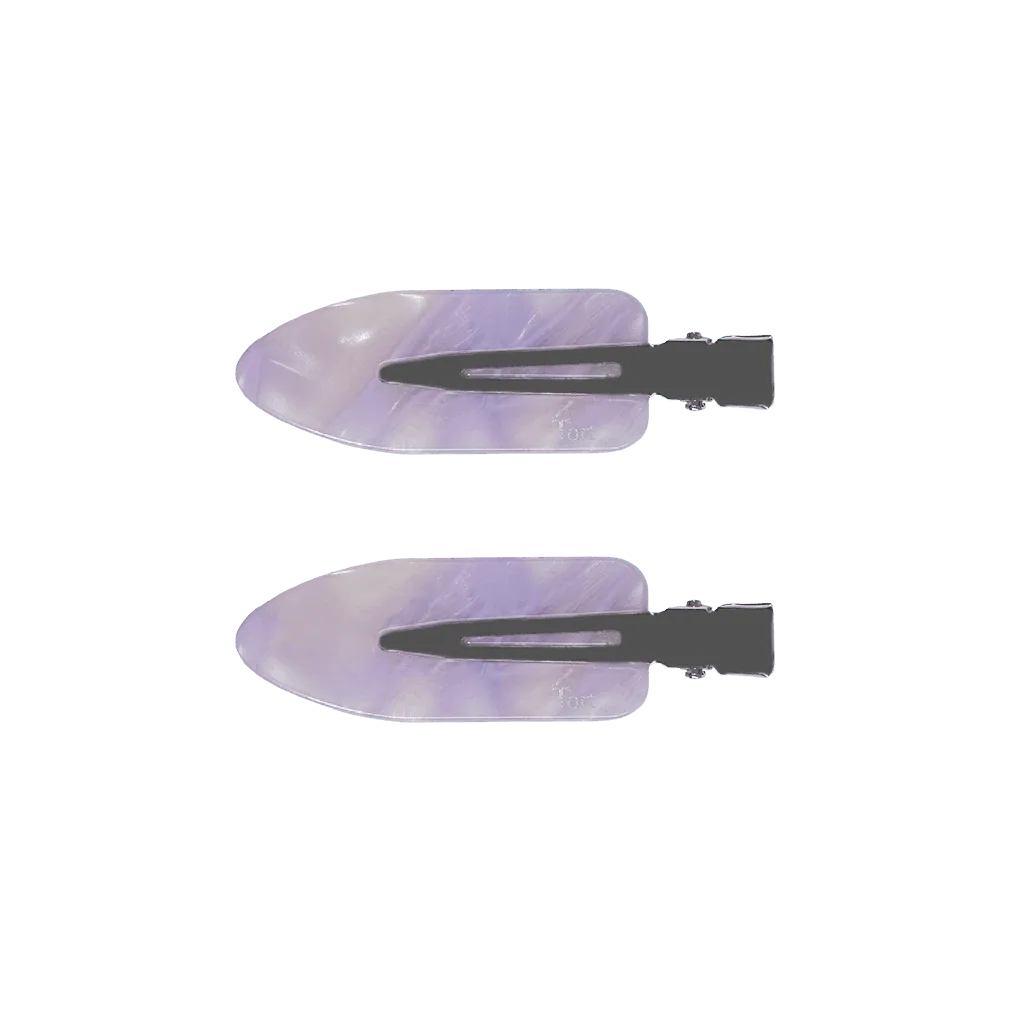
Hair clips, particularly spring-loaded claw clips and snap clips, offer a different kind of hold. They grip hair without pulling on the scalp or creating tension along the hair shaft. For example, a well-designed hair clip like the ANNA clip in Marbled Lavender provides a secure hold for updos and half-up styles without the need for tight bands. This makes clips ideal for reducing traction alopecia, a condition often linked to tight ponytails and buns.
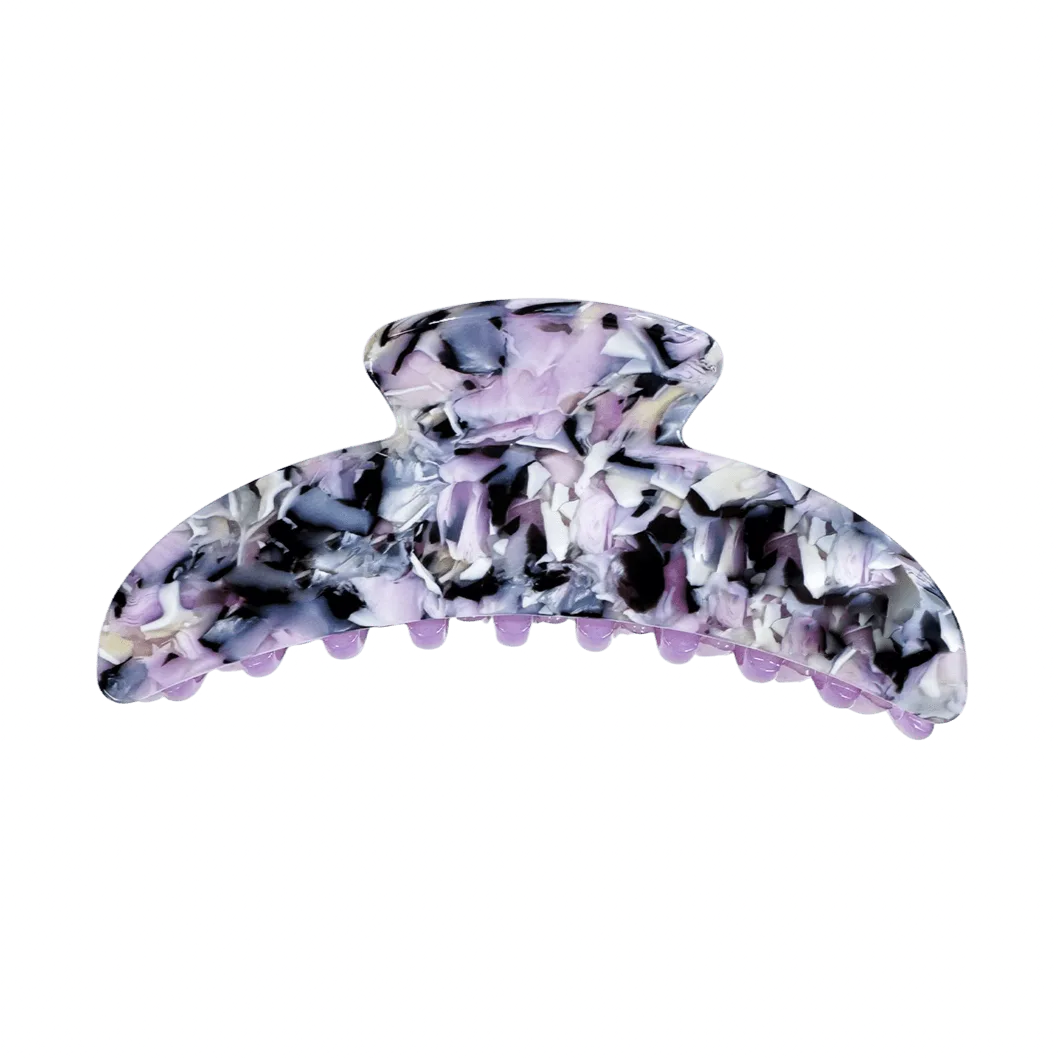
ANNA clip in Marbled Lavender
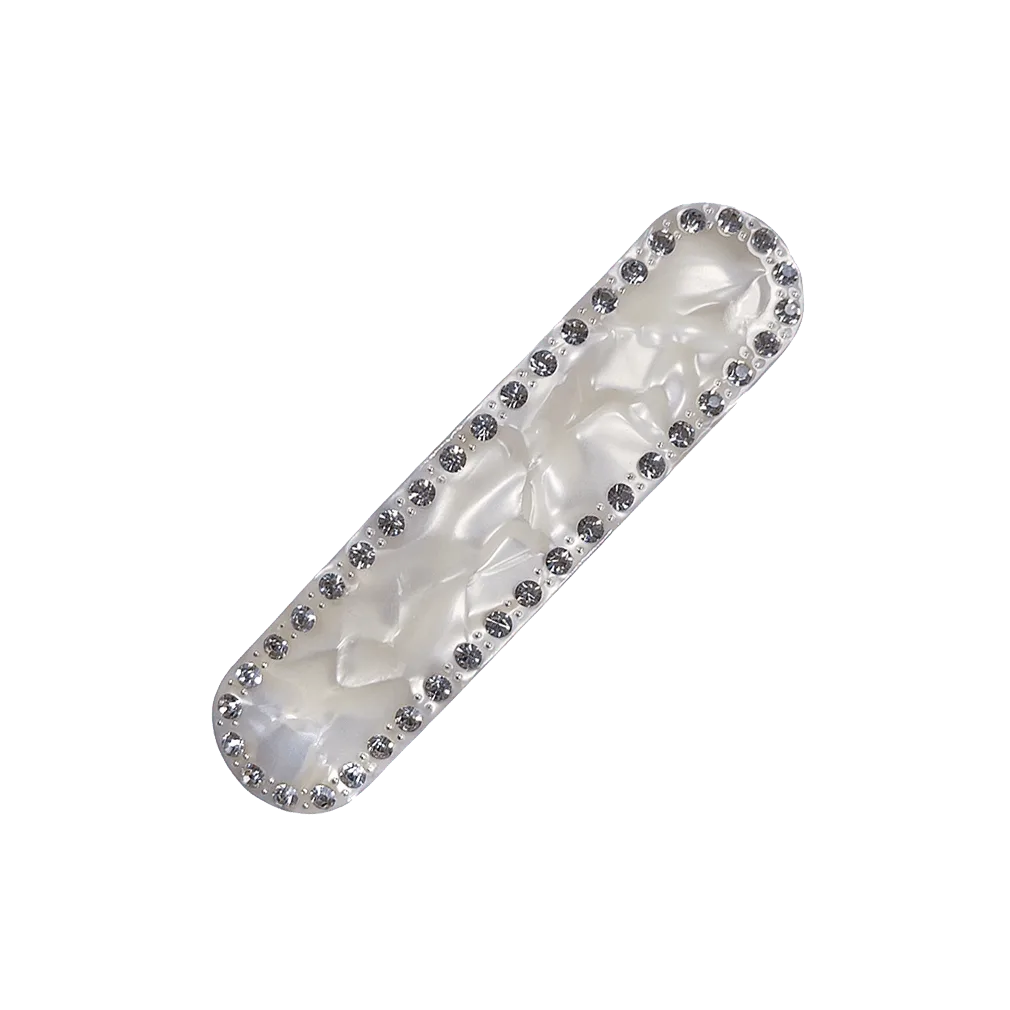
Clips also allow for more creative styling—you can twist, pin, and layer without the repetitive stress of elastic. However, not all clips are gentle. Metal clips with sharp edges or weak springs can snag hair or cause dents. It’s important to choose clips with smooth, rounded edges and strong but gentle springs. The LORA clip in Cherry Drops, for instance, features a polished finish that glides through hair without catching. For those with thick or curly hair, larger claw clips are often the safest bet.
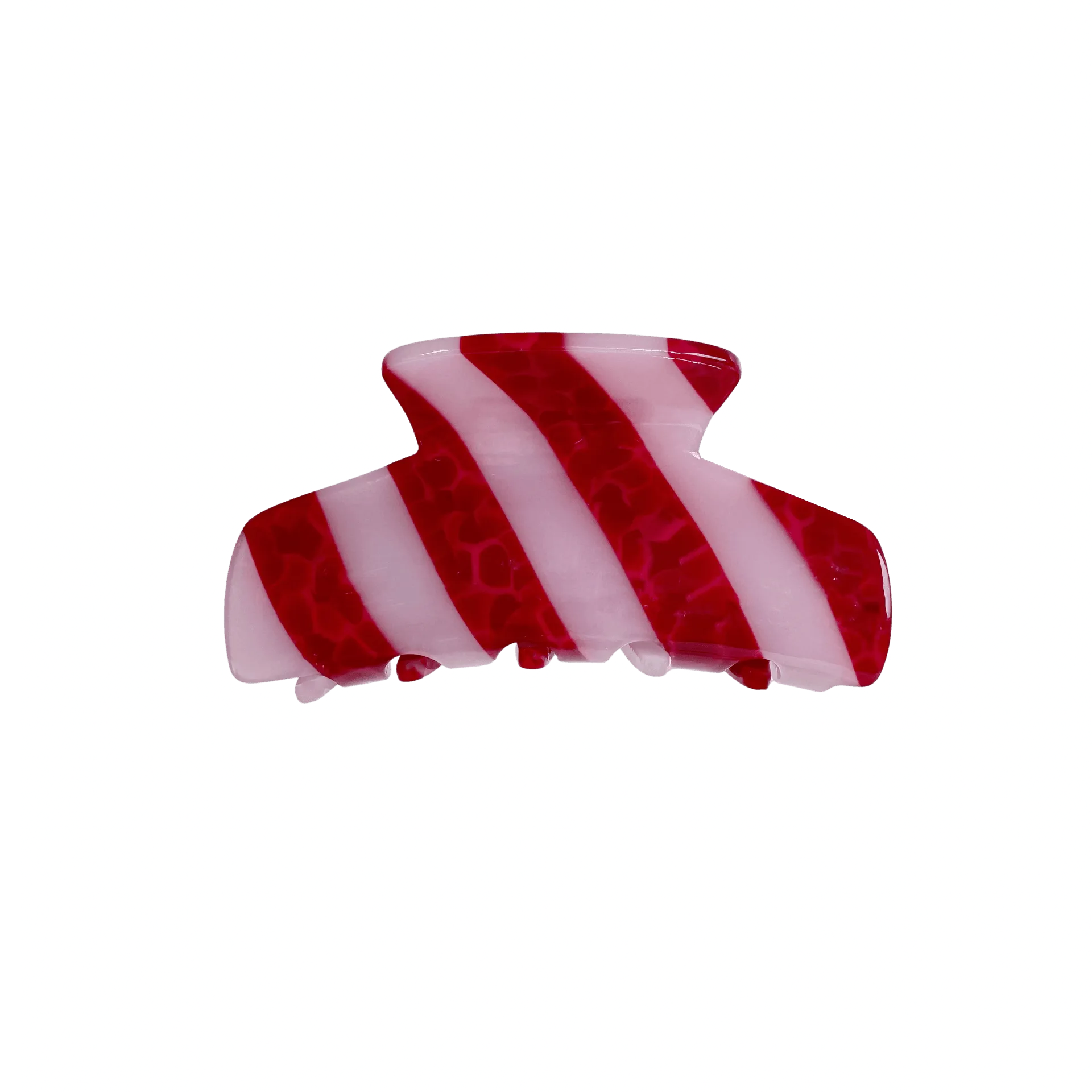
LORA clip in Cherry Drops
- Choose clips with smooth edges and strong springs to avoid snagging.
- Avoid leaving clips in for too long to prevent dents or pressure marks.
- Use clips for half-up styles or updos to reduce tension on the scalp.
Comparing Breakage: Which One Causes Less Damage?
When it comes to breakage, the winner depends largely on how you use each accessory. Scrunchies, when used loosely, cause minimal breakage because they don’t create a concentrated stress point. But if you wrap a scrunchie too many times or pull it tight, it can still cause breakage. Hair clips, on the other hand, can cause breakage if they pinch hair or are removed carelessly. The key is to use both with care.
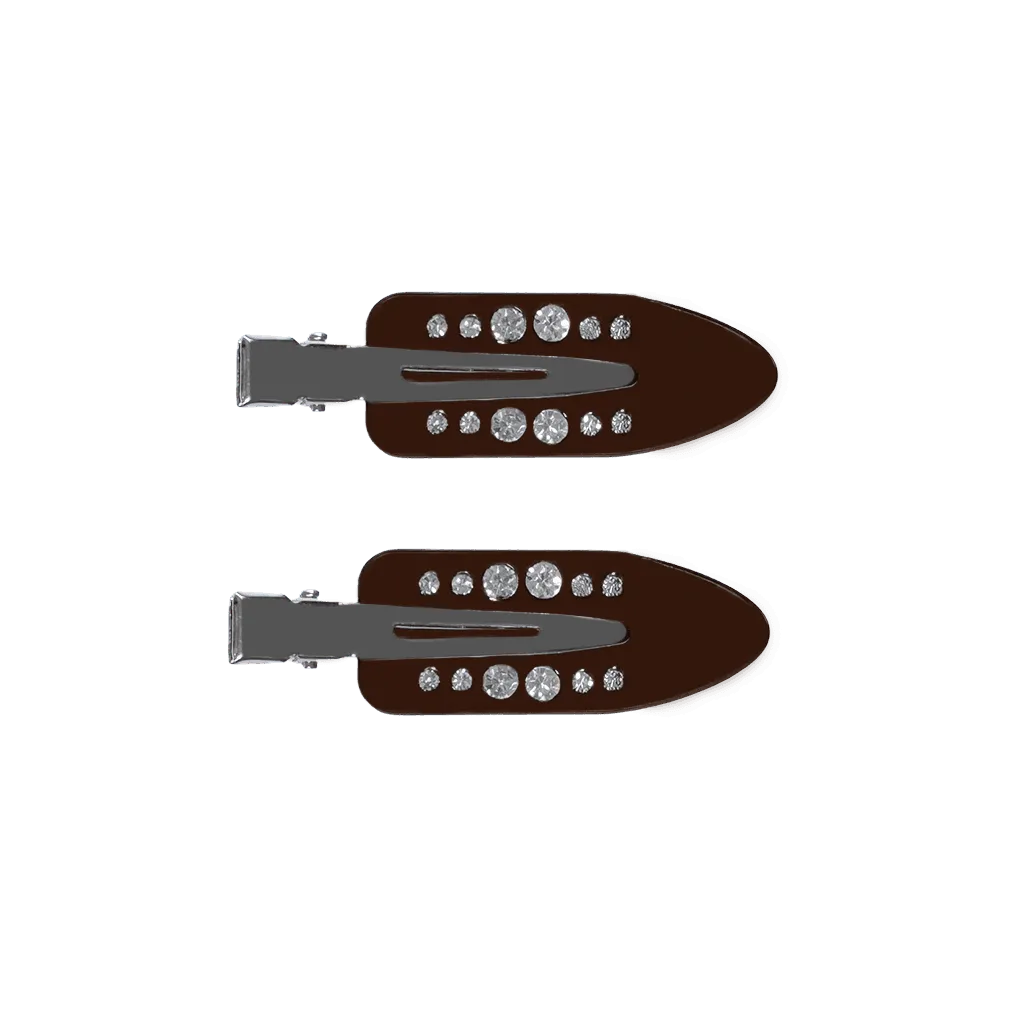
For high-impact activities like workouts, a scrunchie might be safer because it stays put without needing to be overly tight. For formal events or long days, a clip can offer a more secure hold without the constant pull of elastic. Ultimately, the healthiest choice is to alternate between the two, giving your hair a break from any single type of stress. The JOAN clip in Black Crystal is a great option for a secure, low-damage hold.
- Use scrunchies for low-tension ponytails and buns.
- Use clips for updos that require no pulling on the scalp.
- Never pull or tug when removing either accessory.
Hair Type Considerations: What Works Best for You?
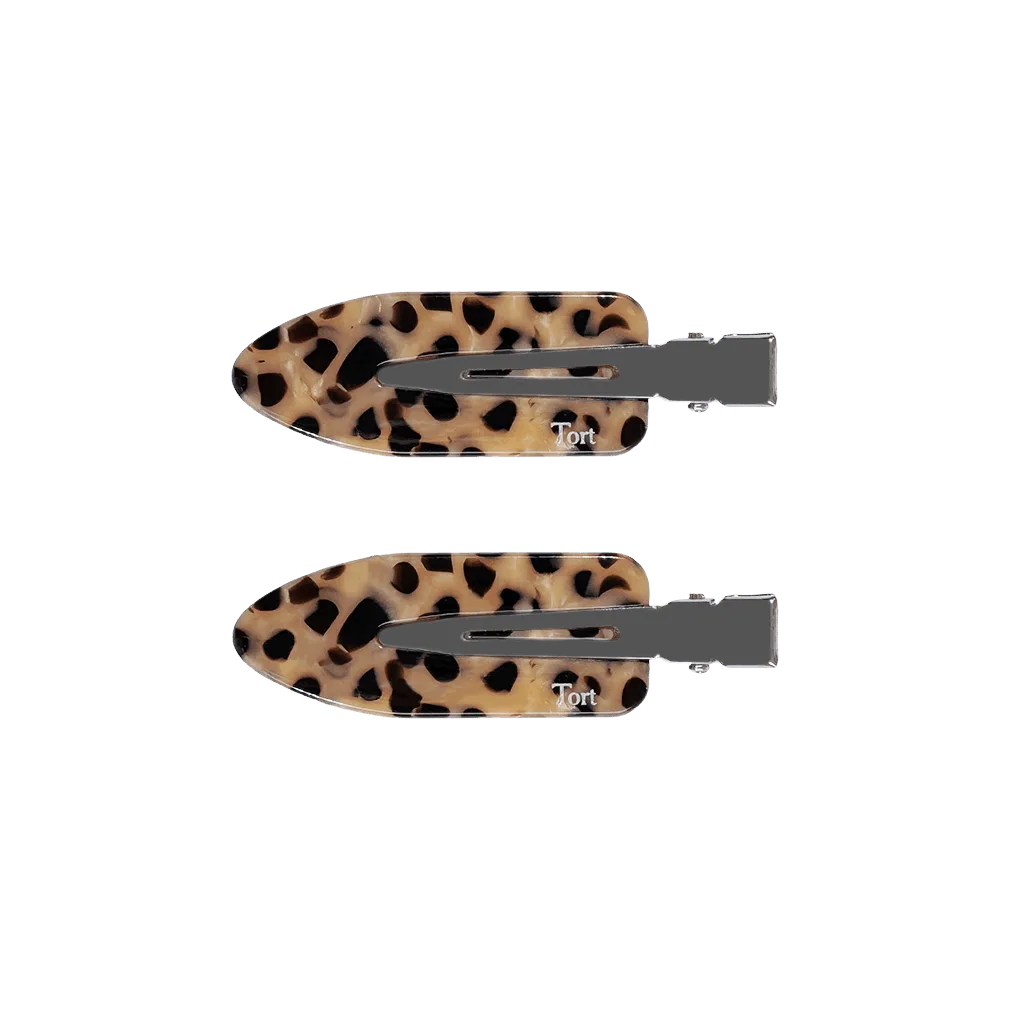
Your hair type plays a major role in determining which accessory is better for your hair health. Fine or thin hair often benefits from the gentle hold of a silk scrunchie, as clips can sometimes slip or leave marks. Thick or curly hair may prefer the secure grip of a large claw clip, which can hold without the need for multiple wraps. For example, the LUCY comb in Classic Cheetah offers a different approach—combing hair into place with minimal tension.
If you have chemically treated or damaged hair, both scrunchies and clips can work, but you should prioritize smooth materials and avoid any accessory that pulls or snags. For those with sensitive scalps, clips that distribute pressure evenly are preferable. Experimenting with different styles and materials will help you find what feels best. Remember, the healthiest choice is one that doesn’t cause pain or discomfort.
- Fine hair: silk scrunchies or lightweight clips.
- Thick hair: large claw clips or strong-hold scrunchies.
- Curly hair: clips that don’t snag or pull curls apart.
Practical Tips for Healthy Styling with Either Accessory
No matter which accessory you choose, proper use is key to maintaining hair health. Always start with detangled hair to reduce pulling. For scrunchies, wrap loosely and avoid twisting hair too tightly. For clips, insert them at an angle to distribute pressure and remove them gently, sliding rather than yanking. It’s also wise to give your hair a break from any accessory—let it down at night and sleep on a silk pillowcase.
Another tip: rotate your accessories. Using the same scrunchie or clip every day can cause repetitive stress on the same sections of hair. Have a few different options in your rotation, like the REMI Bébé clip in Watermelon Camo for casual days and a silk scrunchie for workouts. This variety helps prevent any single type of damage and keeps your styling fresh.
- Always detangle hair before using any accessory.
- Rotate between scrunchies and clips to avoid repetitive stress.
- Store accessories properly to maintain their shape and smoothness.
Ultimately, both scrunchies and hair clips can be healthy choices if used correctly. The best option depends on your hair type, the style you want, and how you care for your accessories. For a versatile, low-damage option that works for many styles, consider trying the ANNA clip in Marbled Lavender—it combines gentle hold with beautiful design, making it a smart addition to your hair care routine.