Quick answer
Choose an ocean plush toy by matching its size to how your child will use it: small toys under 12 inches for babies and travel, mid-size toys around 20 inches for toddlers who carry them, and large toys over 50 inches for beds and big hugs. Check the safety testing label and material claims before buying, and size up only when your child has room to store and carry the toy.
Ocean-themed plush toys earn their place in the toy box because they combine two things kids love: animals and comfort. A sea creature plush can be a daytime playmate, a bedtime companion, or both, and the theme gives you an easy way to build a small collection over time.
The tricky part is choosing the right size and material for your child's age and habits. This guide walks through the practical decisions, using real examples from the OB Designs sea toy range, so you can pick a toy that gets used rather than stored.
Match the size to how your child will use it
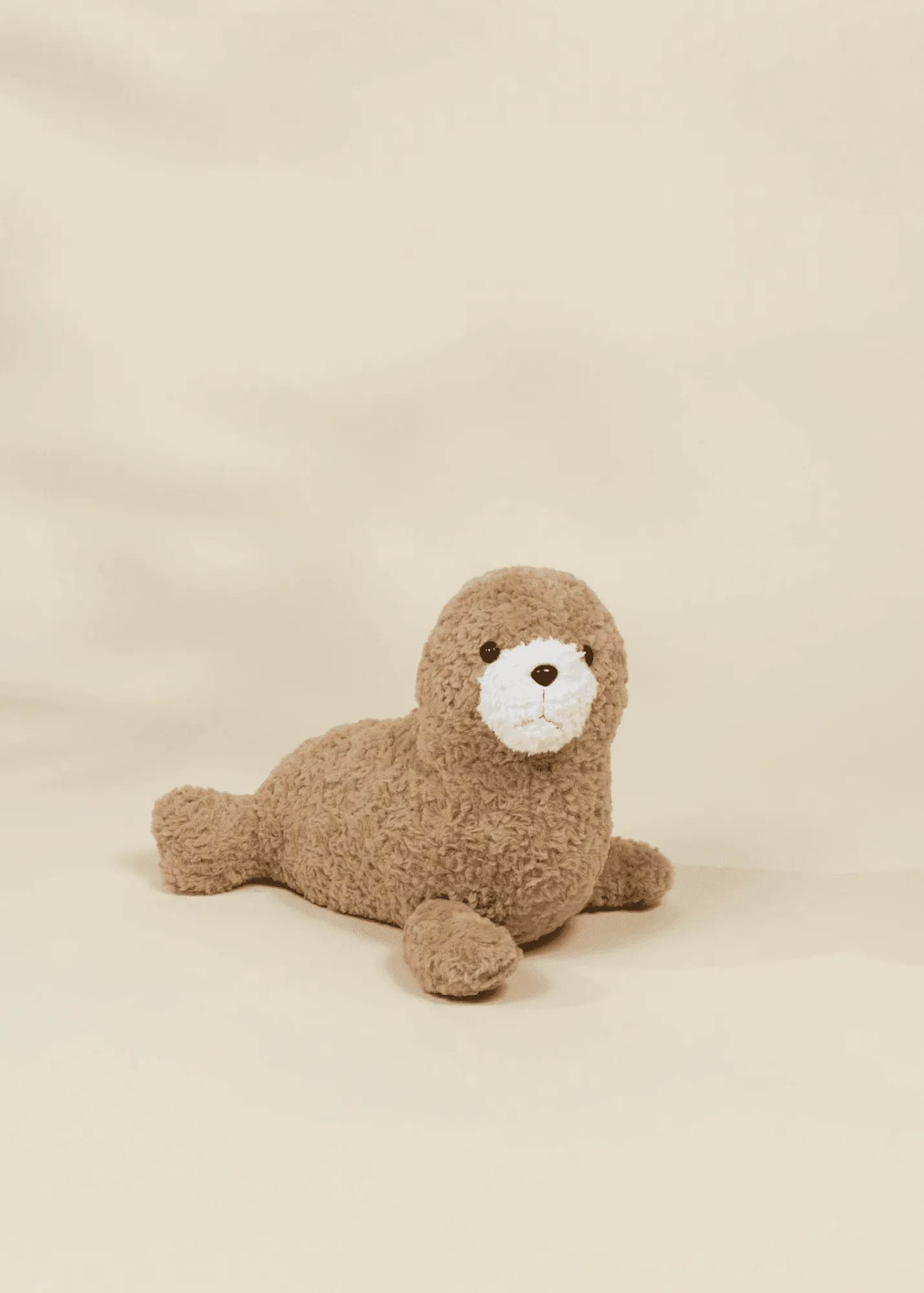
Size is the first decision because it determines who can carry the toy and where it lives. A 7.8-inch turtle like Little Tyler Turtle Soft Toy 7.8" / 20cm is light enough for a baby to hold during tummy time and small enough to pack in a diaper bag. A 20.5-inch whale like Hurley Whale Soft toy 20.5"/52cm suits a toddler who wants to drag a friend from room to room without it being a trip hazard.
Large plush toys serve a different purpose. Big Bailey Bunny Soft Toy 22"/55cm is designed as a bigger-than-life companion, which makes it a good fit for a bed or a reading corner rather than a stroller. If your child already has a favorite small toy, a large one can become the at-home anchor while the small one travels.
- Measure your storage space before choosing a toy over 20 inches.
- For babies under 12 months, keep plush toys out of the crib during sleep and use them for supervised play.
Check safety testing and material claims
Every plush toy in this range is independently safety tested, which matters more than any marketing claim. Safety testing covers things like small parts, seams, and materials, and it is the baseline you should look for in any sea animal stuffed toy. If a product page does not state that a toy has been safety tested, treat that as a gap and ask the seller before buying.
Material quality affects both comfort and durability. The plush toys here use premium, ultra-soft materials, which is why they feel different from cheaper alternatives. For teething babies, look at the Ocean Eco-Friendly Teether Toy, which uses sustainable beechwood timber and food-grade silicone and is described as free from BPA, chemicals, and phthalates. That is a different category from plush, so choose based on whether your child needs something to chew or something to cuddle.
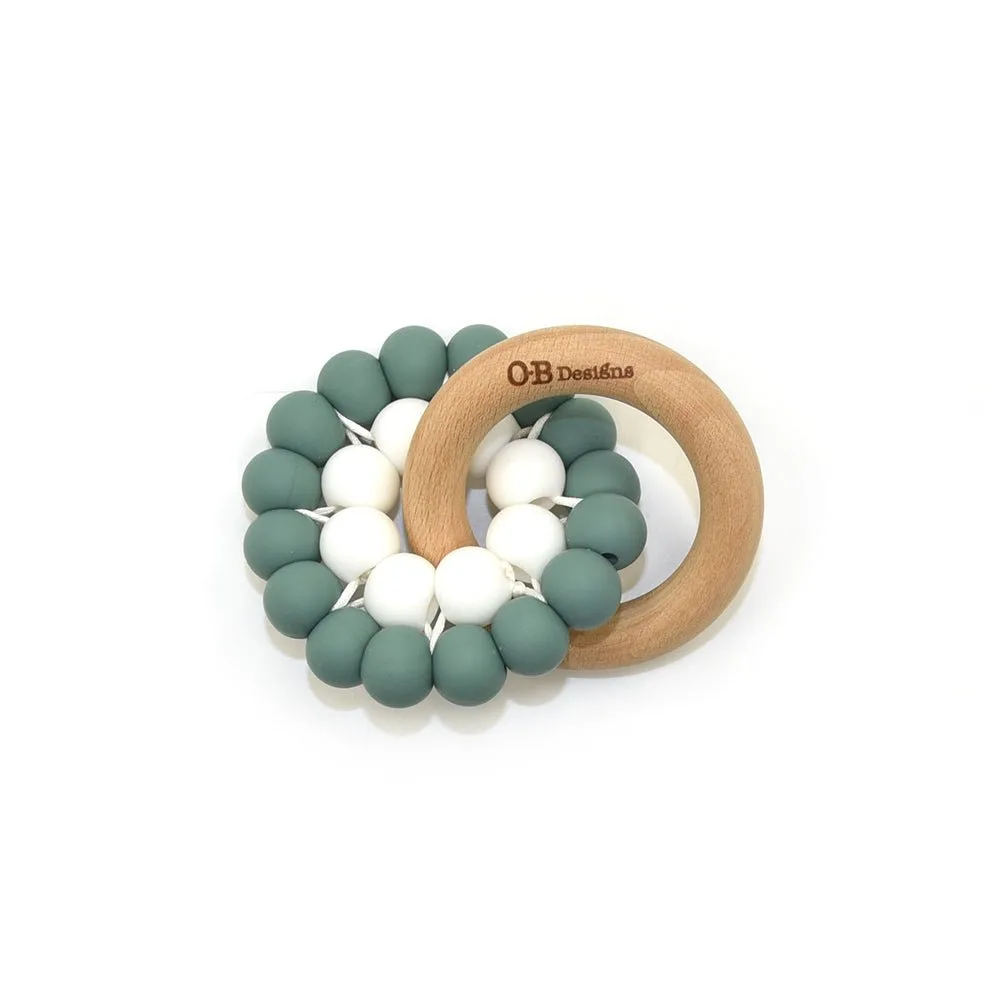
Ocean Eco-Friendly Teether Toy
- Look for the words independently safety tested on the product page.
- For teething, choose a teether; for comfort, choose a plush toy.
Decide between a single favorite and a small collection
One well-chosen ocean plush toy is often enough for a baby or young toddler. A single toy becomes familiar, and familiarity is what makes a comfort object work. If you are buying for a first birthday or a new baby, start with one mid-size or small toy rather than a set.
A small collection makes more sense for children over three who enjoy pretend play. Different sea creatures can take on different roles, and the range includes characters with their own bios, such as Banjo Blue Bunny Soft Toy 13.5"/34cm, whose job is listed as bespoke cobbler, and Little Dream Bunny Soft Toy 10" / 25cm, described as a vibe healer. Those details give kids a starting point for stories. Keep the collection to three or four toys so each one stays special and storage stays manageable.
- Buy one toy first and add more only if your child asks for a specific animal.
- Rotate toys rather than displaying all of them at once.
Think about care and longevity before you buy
Plush toys get washed, and ocean-themed ones are no exception. Before buying, check whether the toy can be surface cleaned or machine washed, and follow the care label. As a general rule, spot clean small marks and wash the whole toy only when needed, then air dry completely before it goes back to your child.
Longevity also depends on construction. Seams and embroidery should feel secure, and eyes should be embroidered rather than plastic for babies and toddlers. If a toy has plastic components, check the age recommendation. A toy that is safe for a five-year-old may not be safe for a one-year-old, so match the toy to the child rather than the other way around.
- Wash plush toys in a mesh bag on a gentle cycle if the label allows.
- Air dry rather than tumble dry to protect the fabric.
Decision rules for buying a sea toy
- If your child is under 12 months: Choose a small plush toy under 10 inches, such as Little Tyler Turtle Soft Toy 7.8" / 20cm, and use it for supervised play only. Keep plush toys out of the crib during sleep. Small and supervised is the safe default for babies.
- If your child is 1 to 3 years old: Choose a mid-size toy around 13 to 21 inches, such as Banjo Blue Bunny Soft Toy 13.5"/34cm or Hurley Whale Soft toy 20.5"/52cm. Check that eyes are embroidered and seams are secure. Mid-size toys are easy to carry and hard to lose.
- If your child is 3 years or older: A large toy like Big Bailey Bunny Soft Toy 22"/55cm can become a bed or reading companion, and a small collection of sea creature plush toys supports pretend play. Size up only when you have the space to store it.
- If your baby is teething: Skip plush for now and choose the Ocean Eco-Friendly Teether Toy, made from sustainable beechwood and food-grade silicone and described as free from BPA, chemicals, and phthalates. Teethers and plush toys solve different problems.
- If you are buying a gift: A mid-size ocean plush toy is the safest gift because it suits a wide age range. Check the safety testing claim and the return window before ordering. Mid-size plus safety testing equals a low-risk gift.
Product facts that affect your choice
- Hurley Whale Soft toy 20.5"/52cm: Ocean-themed plush whale from the Sea Toy Range, with a character bio listing its job as opera singer and likes as scuba diving and family outings. The mid-size format and character details make it a good fit for toddlers who want a carryable companion with a story attached.
- Little Tyler Turtle Soft Toy 7.8" / 20cm: Small plush turtle with a bio listing its job as pro surfer and likes as traveling and luaus. At under 8 inches, it suits babies and travel, and the small size makes it easy to pack or keep in a stroller.
- Big Bailey Bunny Soft Toy 22"/55cm: Bigger-than-life soft toy bunny designed as a companion for a little one, made with premium ultra-soft materials and independently safety tested. The larger size works for bed or floor play, but it needs more storage space than a small toy.
- Ocean Eco-Friendly Teether Toy: Made of sustainable beechwood timber and food-grade silicone, described as eco-friendly, non-toxic, and free from harmful leads, metals, BPA, chemicals, and phthalates. This is a teething option rather than a plush toy, so choose it if your baby needs something to chew on rather than cuddle.
Who this range fits
Best for
- Parents buying a first comfort toy for a baby or toddler
- Gift buyers who want an ocean-themed toy with a safety testing claim
- Families building a small collection of sea creature plush toys for pretend play
Not for
- Babies who need a teether rather than a plush toy, who should choose the Ocean Eco-Friendly Teether Toy
- Households with very limited storage space looking for a toy over 20 inches
- Children who prefer non-animal toys or building sets
Pick the size first, confirm the safety testing and material claims second, and let your child's age and storage space make the final call. A single well-chosen ocean plush toy often gets more use than a whole shelf of them.