Quick Answer
If you're looking for a caffeine-free herbal tea with a unique oceanic flavor and mineral-rich benefits, seaweed tea is an excellent choice. Green tea offers a classic, grassy taste with a caffeine boost, but for those avoiding caffeine or seeking a sustainable, nutrient-dense option, an Atlantic seaweed tea like Emerald Honeybush Seaweed Tea is a standout. Choose seaweed tea for a calming, mineral-rich brew; choose green tea if you prefer a traditional caffeinated beverage.
When it comes to choosing a healthy hot beverage, tea lovers often find themselves comparing options. Green tea has long been celebrated for its antioxidants and gentle energy lift, but a new contender is making waves: seaweed tea. Sourced from the pristine North Atlantic, seaweed teas offer a unique flavor profile and a host of nutritional benefits, all without caffeine.
In this comparison, we'll explore the key differences between seaweed tea and green tea, focusing on caffeine content, flavor, nutritional value, and sustainability. Whether you're a seasoned tea enthusiast or a curious newcomer, this guide will help you decide which brew aligns with your lifestyle and wellness goals.
Caffeine Content: A Key Differentiator
One of the most significant differences between seaweed tea and green tea is caffeine. Green tea naturally contains caffeine, typically around 20-45 mg per 8-ounce cup, depending on brewing time and leaf quality. For those sensitive to caffeine or looking to reduce intake, this can be a drawback, especially in the evening.
Seaweed teas, on the other hand, are naturally caffeine-free. For example, the Emerald Honeybush Seaweed Tea from Cup of Sea is a caffeine-free herbal blend, making it a perfect choice for any time of day. This distinction is crucial for anyone who wants a soothing, calming beverage without the jitters or sleep disruption.
- If you're sensitive to caffeine, seaweed tea is the safer choice.
- Green tea can be a gentle pick-me-up, but it may interfere with sleep if consumed late in the day.
Flavor Profile: Oceanic vs. Earthy
Green tea is known for its grassy, slightly bitter, and vegetal flavor, which varies depending on the variety and processing. Some people love its refreshing earthiness, while others find it an acquired taste. Green tea is often blended with other herbs or citrus to enhance its appeal.
Seaweed tea offers a distinct umami flavor with a hint of the ocean. The Emerald Honeybush Seaweed Tea, for instance, combines the natural sweetness of honeybush with sea lettuce (Ulva spp.), resulting in a rich, full-bodied taste that is both savory and subtly sweet. This makes seaweed tea a versatile option for those who enjoy exploring new flavor dimensions.
- Seaweed tea pairs well with honey or lemon to balance its briny notes.
- Green tea is often enjoyed plain or with a splash of milk in some cultures.
Nutritional Highlights: Minerals and Antioxidants
Green tea is renowned for its high concentration of catechins, a type of antioxidant linked to various health benefits, including improved heart health and reduced inflammation. However, green tea is not a significant source of minerals like iodine, iron, or calcium.
Seaweed, on the other hand, is a powerhouse of trace minerals, vitamins, and essential amino acids. The Emerald Honeybush Seaweed Tea, made with sea lettuce, is rich in these nutrients, offering a unique nutritional profile that green tea simply cannot match. Seaweed's natural iodine content supports thyroid function, though it's important to consume it in moderation.
- For a mineral boost, seaweed tea is superior to green tea.
- Green tea provides antioxidants but lacks the mineral density of seaweed.
Sustainability and Sourcing
Green tea is typically cultivated on large plantations, often in Asia, and its production can involve significant water usage and pesticide application. While organic options exist, the carbon footprint of shipping green tea globally can be considerable.
Seaweed tea, especially from wild-harvested Atlantic sources, is a more sustainable choice. Seaweed farming and harvesting require no freshwater, fertilizers, or pesticides, making it an eco-friendly crop. Brands like Maine Coast Sea Vegetables prioritize wild-harvesting and lab testing for quality, ensuring a pure product that supports ocean health.
- Choosing seaweed tea supports sustainable ocean farming practices.
- Look for certified organic seaweed tea to ensure minimal environmental impact.
Trade-offs: Seaweed Tea vs. Green Tea
- Caffeine-Free vs. Gentle Stimulant: Seaweed tea is naturally caffeine-free, making it suitable for any time of day, while green tea contains caffeine that can provide a mild energy boost but may cause jitters or sleep issues in sensitive individuals. If you're caffeine-sensitive, seaweed tea is the clear winner.
- Oceanic Umami vs. Grassy Earthiness: Seaweed tea offers a savory, umami flavor with a hint of the sea, while green tea has a grassy, sometimes bitter taste. Your preference for savory versus vegetal flavors will guide your choice. Try a sample of each to see which flavor profile you enjoy more.
- Mineral Density vs. Antioxidant Profile: Seaweed tea is rich in trace minerals like iodine, while green tea is high in catechins. If your goal is mineral intake, seaweed tea excels; for antioxidants, green tea is a strong contender. Consider your health priorities when choosing between the two.
Product Facts: Seaweed Teas to Consider
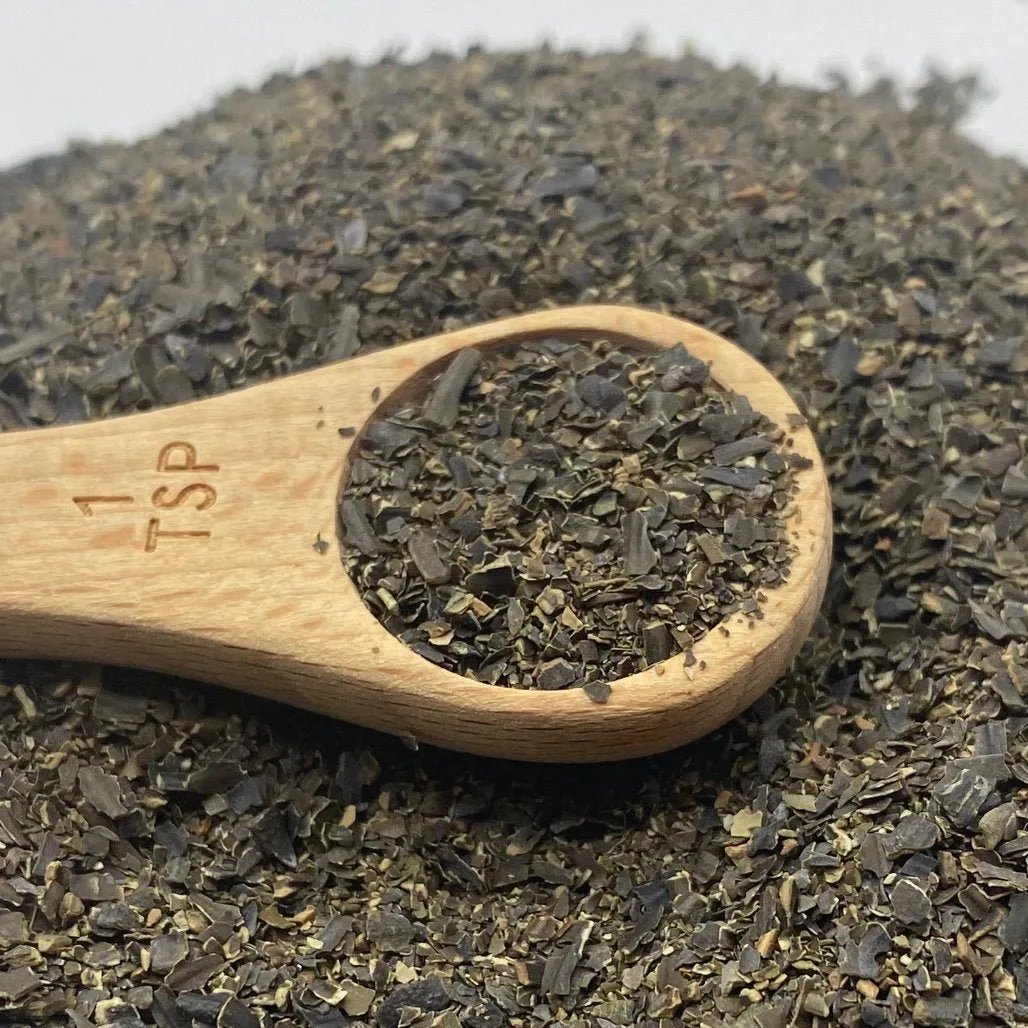
- Emerald Honeybush Seaweed Tea 1.5 oz Bag - Caffeine-Free Honeybush Herbal Tea with Sea Lettuce - Cup of Sea: This caffeine-free blend combines honeybush tea and sea lettuce (Ulva spp.), offering a rich, full-bodied flavor with natural sweetness. It is produced by Heritage Seaweed in Portland, Maine, and is rich in trace minerals, vitamins, essential amino acids, and antioxidants. For those seeking a flavorful, caffeine-free tea that packs a nutritional punch, this seaweed tea is an excellent choice, providing a unique oceanic taste with added health benefits.
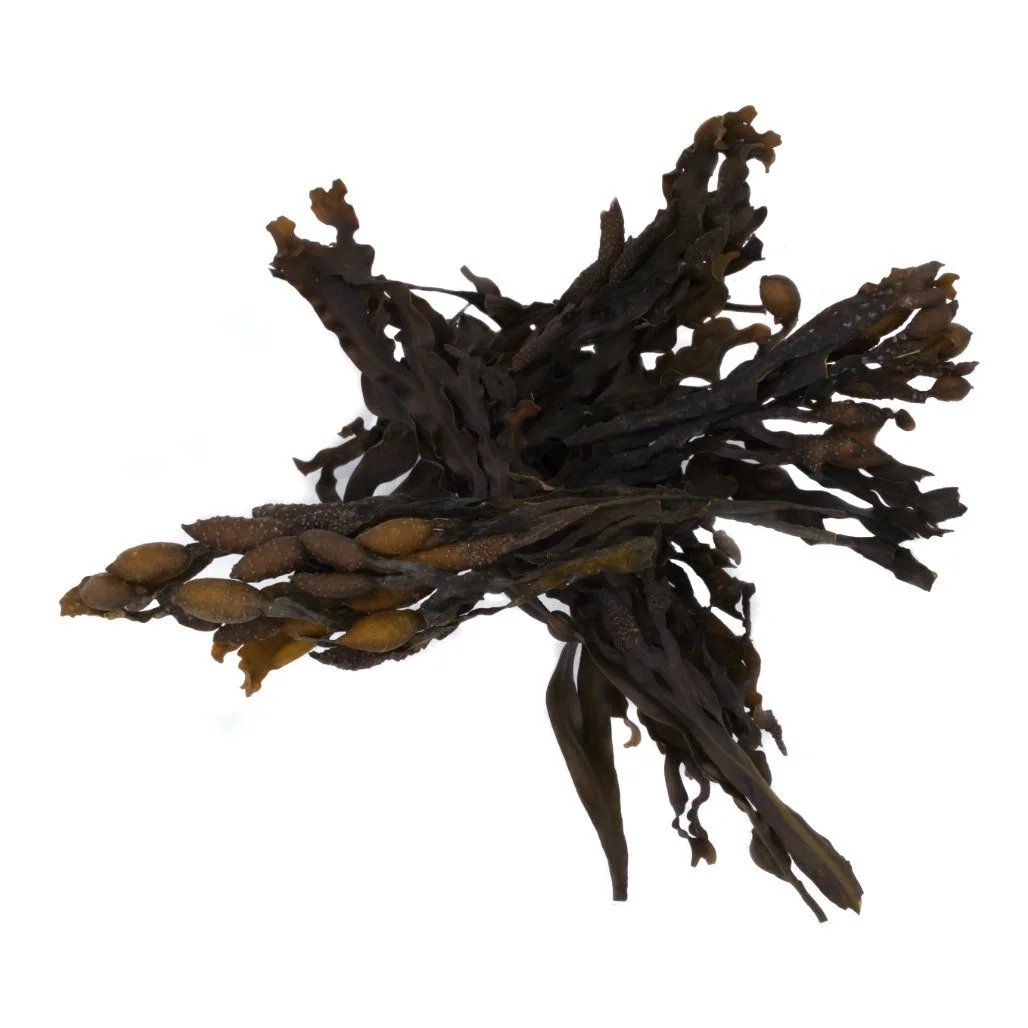
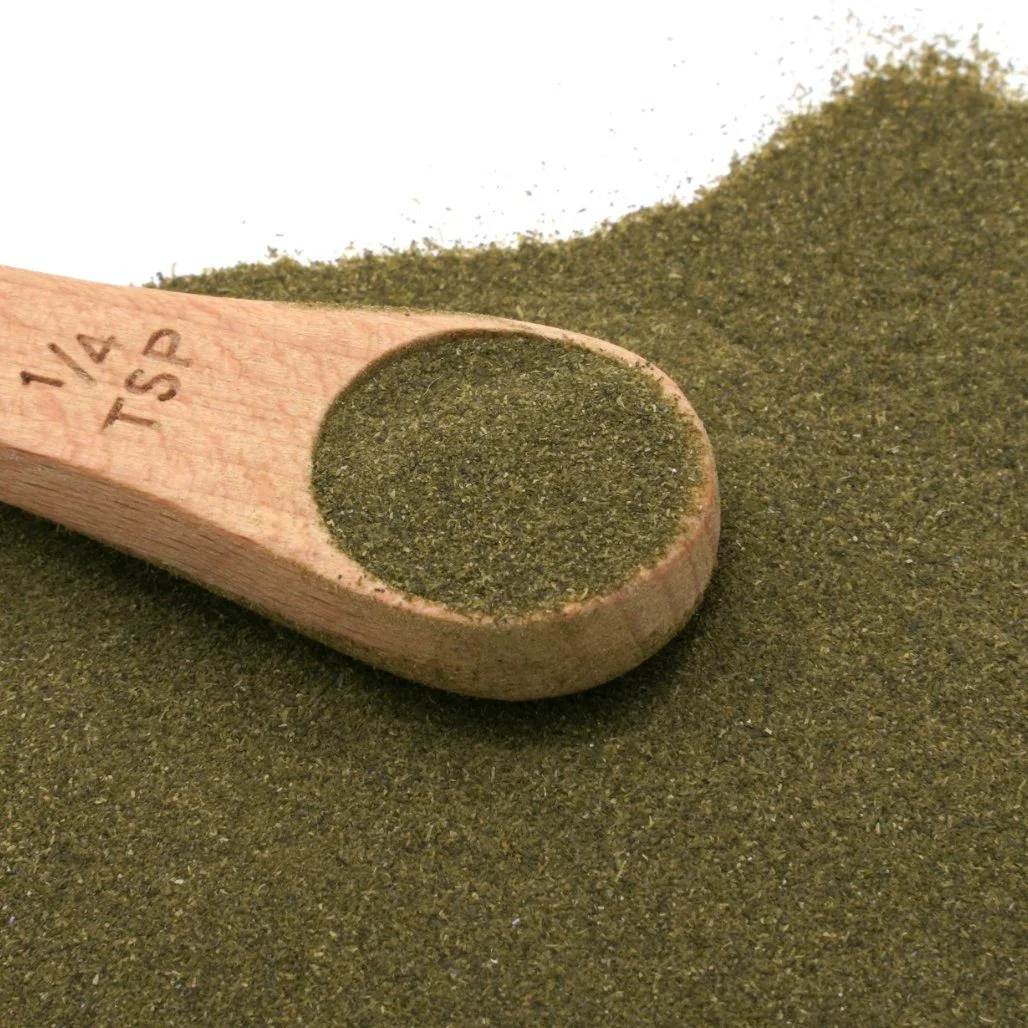
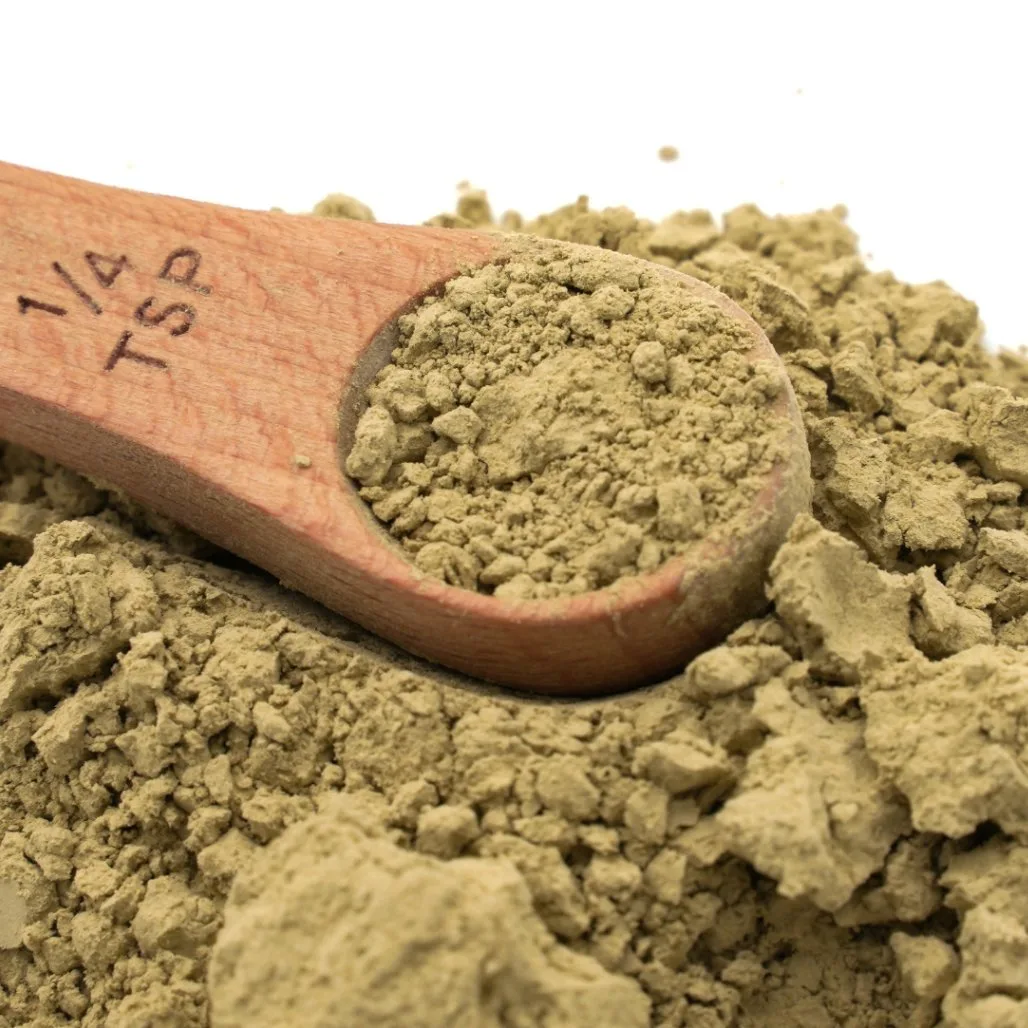
- Organic Bladderwrack Powder Bulk (Fucus vesiculosus) - Wild-Harvested Atlantic Sea Vegetable: This bladderwrack powder is wild-harvested from the North Atlantic and lab-tested for quality. It can be used to make vegetable broth or added to soups and stews, enhancing nutrition. While not a tea bag, this powder can be steeped to create a mineral-rich seaweed tea, offering a versatile way to incorporate bladderwrack into your diet for its potential health benefits.
Which Tea Fits You?
Seaweed tea is best for
- Individuals looking for a caffeine-free herbal tea with a unique oceanic flavor
- Those seeking a mineral-rich beverage to support overall wellness
- Eco-conscious consumers who prioritize sustainable sourcing
Seaweed tea is not for
- People who dislike savory or briny flavors
- Those who need a caffeine boost to start their day
In the battle of seaweed tea vs. green tea, the choice ultimately comes down to your personal preferences and health needs. If you're drawn to a caffeine-free herbal blend that's rich in minerals and supports sustainability, seaweed tea is a compelling option. We invite you to explore the Emerald Honeybush Seaweed Tea and experience the unique taste of the Atlantic in every cup.