Security restraints are essential tools for law enforcement, security professionals, and responsible citizens who need to safely control a subject. Choosing the right restraints involves understanding the different types available, their intended uses, and the legal framework that governs their application. This guide will walk you through the key considerations to ensure you select the most appropriate restraints for your needs while staying within legal boundaries.
From traditional handcuffs to modern disposable options, the market offers a variety of restraints, each with its own advantages and limitations. Additionally, the legal landscape varies by jurisdiction, so it's crucial to be aware of local laws and regulations. In this buying guide, we'll cover the main types of restraints, factors to consider when making a purchase, and important legal considerations to keep in mind.
Types of Security Restraints
Security restraints come in several forms, each designed for specific scenarios. The most common types include handcuffs, flex cuffs, leg irons, and body restraints. Handcuffs are the traditional choice for law enforcement, offering reliability and ease of use. Flex cuffs, also known as zip ties, are lightweight and disposable, making them ideal for mass arrests or temporary restraint. Leg irons restrict movement further and are used during transport or high-risk situations. Body restraints, such as straitjackets, are less common but serve specific purposes in mental health or correctional settings.
When choosing a type, consider the level of control needed, the duration of restraint, and the subject's behavior. For instance, handcuffs are suitable for most situations, but flex cuffs might be more practical when carrying multiple restraints. Additionally, some restraints are designed to be more humane, reducing the risk of injury. Understanding the pros and cons of each type will help you make an informed decision.
- Handcuffs: durable and reusable, available in various sizes and materials.
- Flex cuffs: lightweight, disposable, and easy to carry in bulk.
- Leg irons: provide additional control for high-risk individuals.
- Body restraints: used in specialized settings to prevent self-harm or aggression.
Key Factors to Consider When Buying Restraints
When selecting restraints, several factors come into play: material, size, locking mechanism, and ease of use. Handcuffs are typically made of stainless steel or aluminum, with steel being more durable but heavier. Size is crucial for a secure fit; many models offer adjustable features to accommodate different wrist sizes. The locking mechanism can be standard, double-lock, or keyed alike, each offering different levels of security and convenience. For example, double-lock handcuffs prevent over-tightening, which is a safety feature.
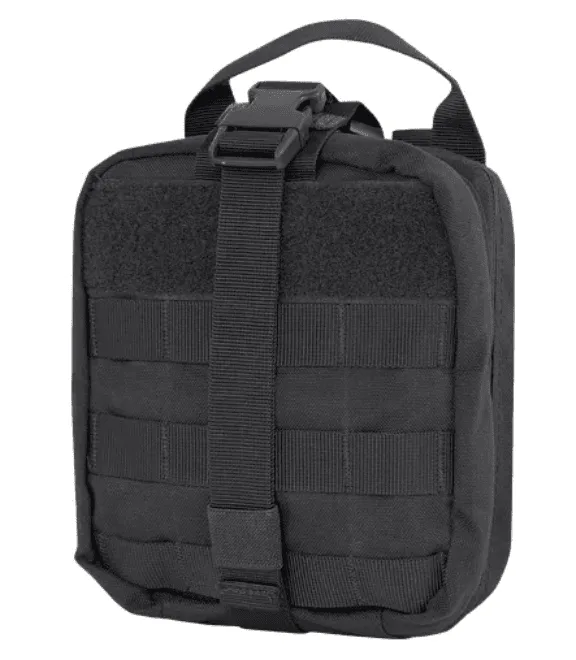
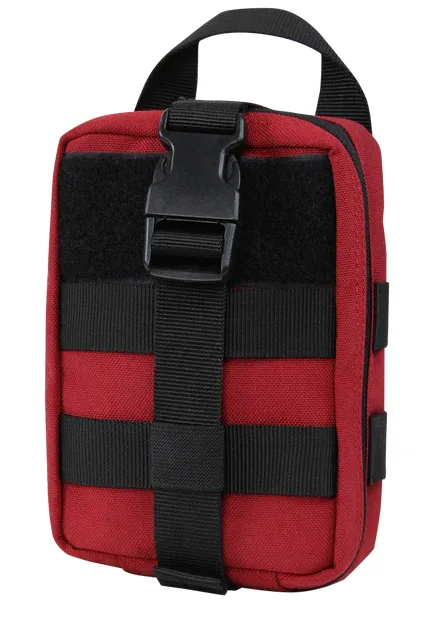
Another consideration is compatibility with other gear. Many restraints are designed to work with tactical vests or belts, allowing quick access. For instance, a https://blazedefensesystemshop.com/products/condor-rip-away-emt-pouch-lite-364426Condor Rip Away EMT Pouch LITE can be used to store medical supplies, but for restraints, you might want a dedicated pouch. Additionally, the Stat X Molle Pouch offers versatile attachment options for carrying restraints on a MOLLE system. These accessories enhance the practicality of your restraints.
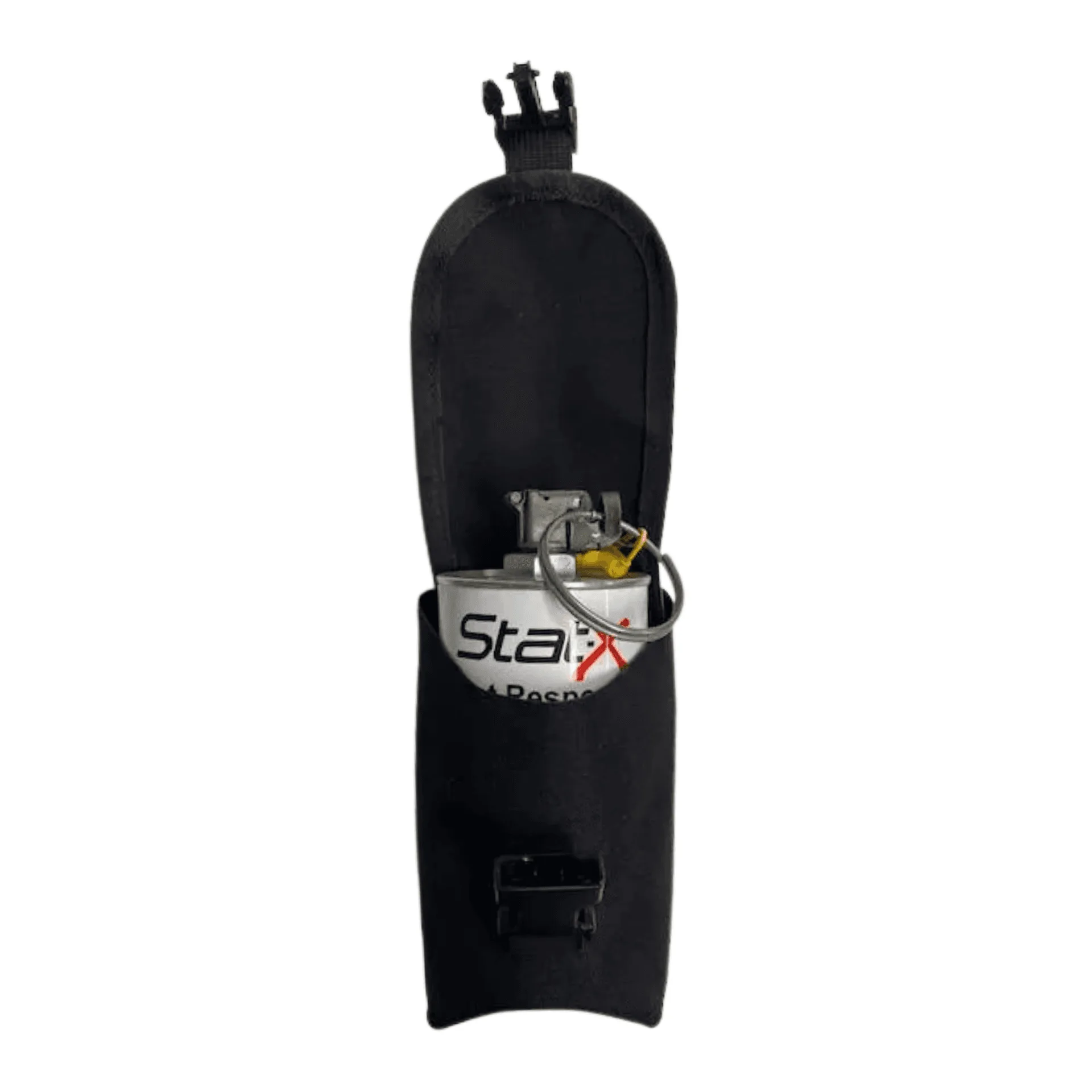
Stat X Molle Pouch
- Material: stainless steel for durability, aluminum for lighter weight.
- Size: ensure a proper fit to avoid injury or escape.
- Locking mechanism: double-lock for safety, keyed alike for convenience.
- Accessories: consider pouches and mounts for easy carry.
Legal Considerations for Restraints
Using restraints is subject to strict legal regulations that vary by jurisdiction. In many places, only law enforcement officers are authorized to use restraints in the course of their duties. Private citizens may use restraints only in specific circumstances, such as a citizen's arrest, and must follow local laws. It's essential to understand the legal definition of reasonable force and the proper techniques for applying restraints to avoid charges of assault or false imprisonment.
Additionally, there are regulations regarding the type of restraints that can be used. For example, some jurisdictions prohibit the use of certain devices that are deemed inhumane. Training is often required to ensure that restraints are applied correctly and safely. Always consult local laws and seek professional training before using restraints. This not only protects you legally but also ensures the safety of the subject.
- Know your local laws: restrictions vary by city, state, or country.
- Training: proper techniques reduce legal risk and injury.
- Carrying permits: some areas require permits for restraints.
- Non-lethal alternatives: consider less restrictive options when legal.
Maintenance and Care for Restraints
Proper maintenance ensures that your restraints function correctly and last longer. For metal handcuffs, regular cleaning and lubrication are necessary to prevent rust and ensure smooth operation. Use a silicone-based lubricant to avoid damaging the mechanism. Inspect for wear and tear, especially the locking mechanism, and replace any damaged parts immediately.
For flex cuffs, check the integrity of the material and the locking mechanism. Since they are disposable, discard after use. Store restraints in a dry place to prevent corrosion. Accessories like pouches can protect your restraints and keep them organized. For example, the Condor Rip Away EMT Pouch LITE can be repurposed for restraints, offering quick access and protection.
- Clean metal restraints regularly to prevent rust.
- Lubricate moving parts with silicone spray.
- Inspect for damage before each use.
- Store in a dry, accessible location.
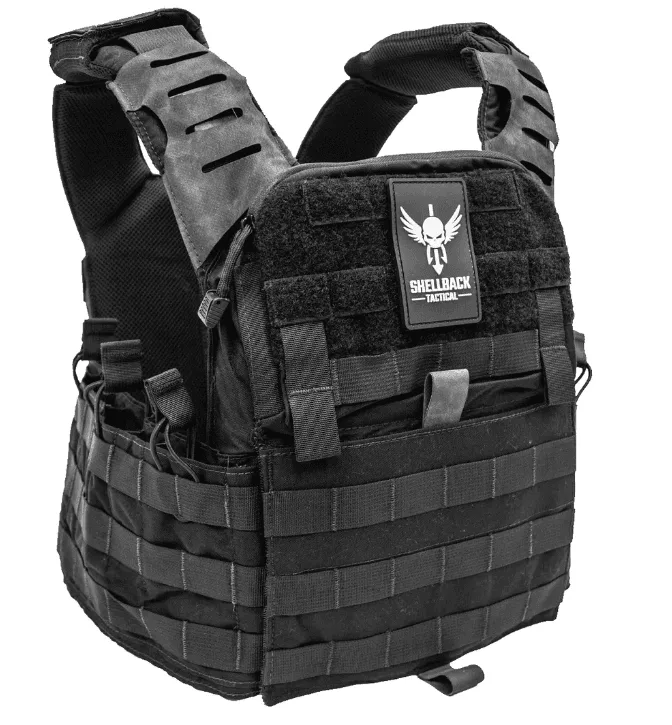
Selecting the right security restraints involves balancing functionality, safety, and legal compliance. Whether you're a professional or a responsible citizen, understanding the types, factors, and legalities will help you make an informed choice. Always prioritize safety and legality. For more tactical gear, explore our range of products, including the Shellback Banshee Elite 2.0 Plate Carrier to complement your setup.