Quick answer
Pack the "See You In Hell" Tote Bag as a single-compartment daily carry: use one large main zone for soft or bulky items and keep small essentials in a pouch. It suits a workday, errands, or a light overnight better than a heavy gym or grocery run.
Why boxed corners change what you can carry
The boxed corners give the tote a flat base, so it stands up when you set it down and holds wider items without sagging. That makes it easier to load a laptop sleeve, a lunch box, or a folded jacket flat instead of stacking everything vertically.
The trade-off is that the base adds structure but not extra compartments. You get one open space, so anything small needs its own pouch or it will slide to the bottom.
How the polyester body affects packing
The 100% polyester body is chosen for durability and shape retention. It resists stretching better than a thin cotton tote, so a heavy load does not turn the bag into a sack. That helps when you carry books or a water bottle, but it also means the bag holds its shape rather than molding around awkward items.
Reinforced stitching on the handles adds strength for heavier loads. Still, the bag is not framed or padded, so pack fragile items inside a case rather than relying on the tote alone.
When this gothic tote bag is the wrong daily carry
If your day involves a laptop, a charger, a water bottle, lunch, and gym clothes all at once, this tote will hold the bulk but not the organization. A bag with dedicated laptop and bottle pockets will serve you better.
The same applies if you need weather protection or a zippered closure for crowded transit. The catalog does not list a closure or water resistance, so plan for open-top carrying and keep valuables in a zipped pouch.
Decision rules for packing a full day
- Start with one large soft layer: Place a folded jacket, sweater, or scarf flat against the base first. This cushions hard items and uses the boxed-corner space without blocking the opening.
- Keep small items in a pouch: Use a zippered pouch for keys, cards, and cables. The tote has no internal pockets, so loose small items will sink and be hard to find. If you carry more than three small items, a pouch is not optional.
- Test the load before you commit: Pack your intended items, lift the bag by one handle, and check that the base stays flat and the handles feel balanced. If the bag bulges or the handles dig in, remove the heaviest item or switch to a structured backpack.
- Choose size and color for your real day: Select the size that matches your bulkiest regular item, not your biggest one-off load. Pick a color that hides daily wear if you plan to use it for commuting or errands.
Product facts that matter for packing
-
"See You In Hell" Tote Bag: Boxed corners provide extra space and a flat base. Wide or flat items sit level in the bag, so you can stack a folder, lunch box, or folded layer without the tote collapsing.
"See You In Hell" Tote Bag
-
"See You In Hell" Tote Bag: Reinforced stitching on the handles supports heavier loads. You can carry a full day's gear without worrying about the handles pulling loose, but the bag still has no internal structure.
-
"See You In Hell" Tote Bag: The 100% polyester body is built for durability and shape retention. The bag keeps its shape when packed, which helps with repeated daily use but means it will not compress around odd-shaped items.
Who this tote suits
Best for
- Commuters or students carrying a laptop sleeve, lunch, and a light layer in one open tote
- Shoppers and errands runners who want a durable, structured bag that stands up on the floor
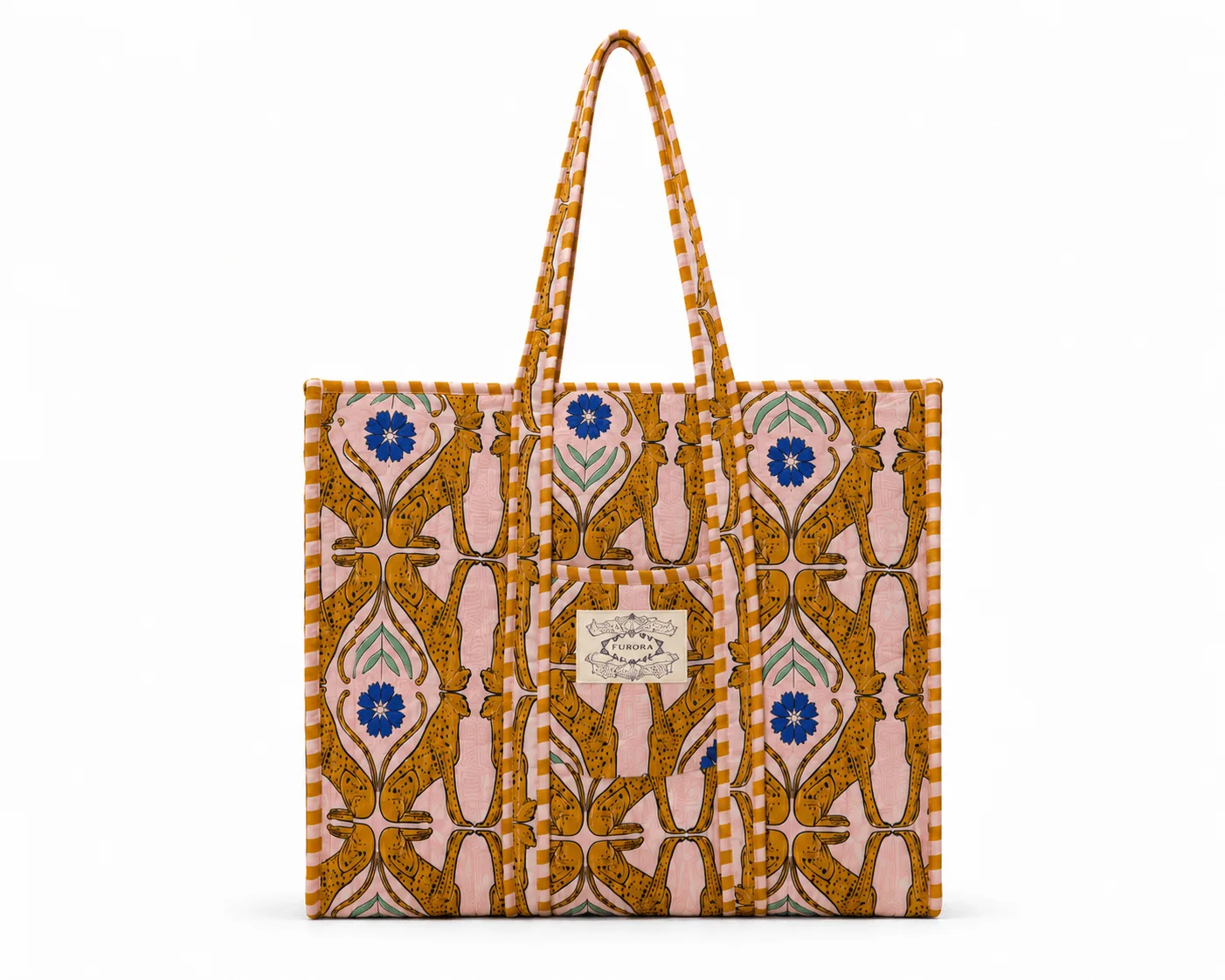
- Fans of gothic art who want a practical daily carry that shows the artwork
Not for
- Gym-goers packing shoes, a towel, and a water bottle who need separate compartments
- Travelers who need a zippered closure or weather-resistant fabric for crowded transit
- Anyone carrying fragile items without a protective case