Choosing the right dinner plate might seem like a small decision, but it sets the tone for every meal you serve. Whether you're hosting a festive gathering or enjoying a quiet weeknight dinner, the plates on your table do more than hold food—they anchor your tabletop theme. With so many options in material, shape, and finish, knowing how to select a dinner plate that fits your style and practical needs can make all the difference.
In this guide, we'll walk you through the key factors to consider when selecting dinner plates, from understanding different materials to matching plate design with your dining room decor. You'll learn how to balance aesthetics, durability, and everyday usability, so you can confidently build a plate collection that looks great and works hard.
Start with Your Tabletop Theme
Your tabletop theme is the visual story you want your dining table to tell. It might be minimalist and modern, rustic and earthy, or classic and elegant. Before you even look at plates, take a moment to define your theme. Consider the colors, textures, and overall mood you want to create. For example, a natural, organic theme pairs beautifully with warm earth tones and matte finishes, while a crisp, contemporary look often calls for clean lines and glossy surfaces.
Once you have a clear theme, you can use it as a filter when browsing plates. A ceramic dinner plate with a subtle glaze can enhance a handcrafted, artisanal feel, while a simple white plate offers versatility for any theme. The Dinner Plate Set of 4 is a great starting point if you want a consistent, neutral base that works with rotating table linens and centerpieces.
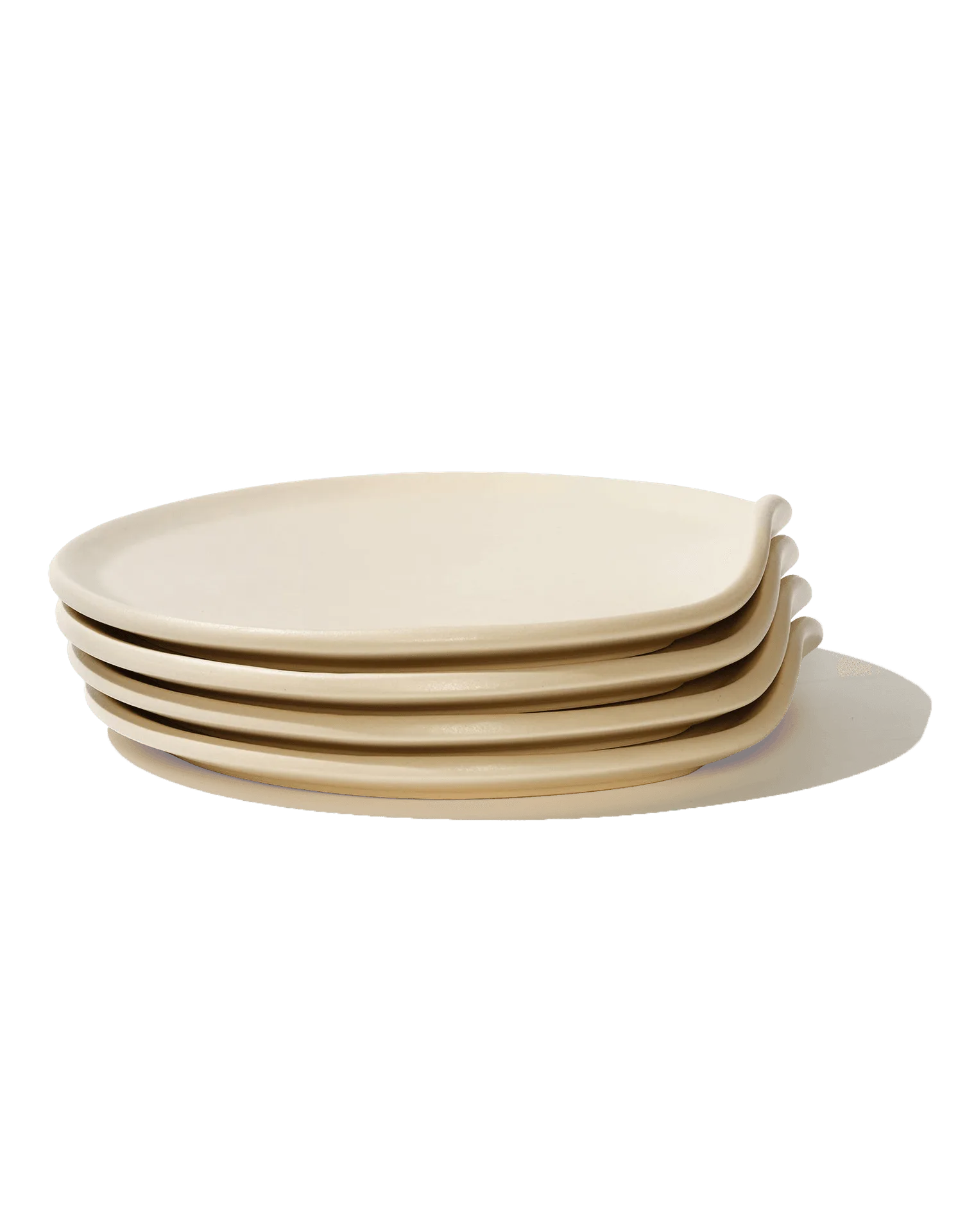
Dinner Plate Set of 4
- Define your theme before shopping: modern, rustic, classic, or eclectic.
Choose the Right Material for Your Lifestyle
Material affects everything from weight and durability to how the plate feels in your hand. Ceramic dinner plates are a popular choice because they offer a balance of strength and elegance. High-fired ceramic resists chipping and can handle daily use, while still offering a wide range of glazes and textures. Porcelain, a type of ceramic, is especially durable and often lighter, making it a favorite for both everyday meals and special occasions.
Stoneware is another ceramic option that tends to be heavier and more rustic, with a slightly more casual feel. If you have young children or frequently entertain, consider plates that are microwave and dishwasher safe for easy cleanup. The Small Goun Plate, for instance, is a ceramic piece that brings a unique, handmade look while still being practical for daily use.
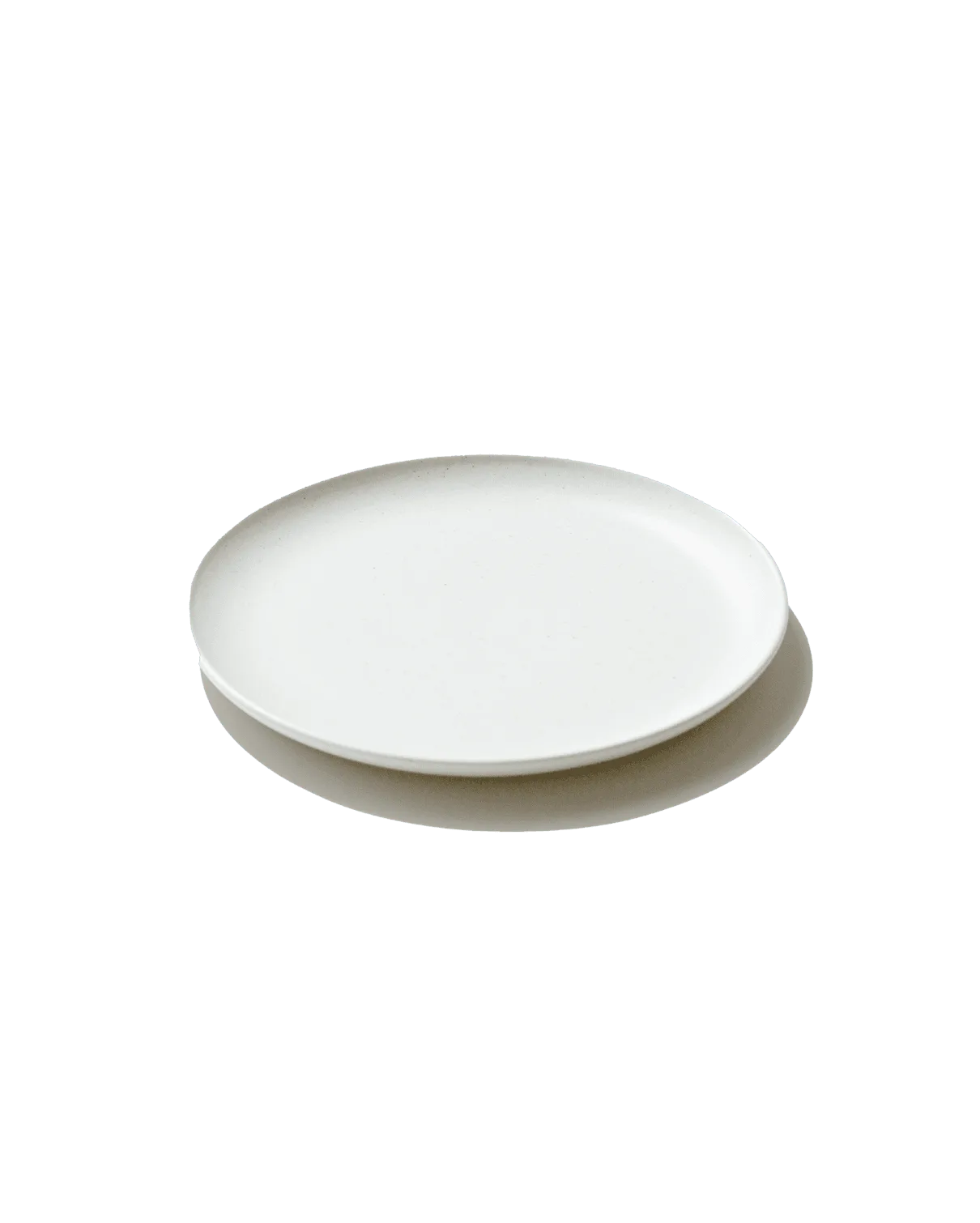
The Small Goun Plate
- Ceramic dinner plates are durable and versatile for most households.
- Check for dishwasher and microwave safety to simplify care.
Consider Plate Design and Shape
Plate design goes beyond color and pattern—it includes shape, rim style, and depth. Classic round plates are timeless and fit most table settings, but square or asymmetrical plates can add a modern edge. A plate with a wide rim offers a natural frame for your food, while a coupe style (rimless) gives a sleek, contemporary look. Think about how the plate design will interact with your existing tableware, such as napkins, flatware, and glassware.
If you love to layer textures, a plate with a slightly textured glaze or subtle speckling can add depth without overwhelming the table. For a cohesive look, pair your plates with complementary linens like the Dinner Napkins Double Sided Comb - High Season or the Tablecloth Reversible Grid. These pieces can tie your tabletop theme together and make your plate design stand out.
- Rimmed plates frame food nicely; rimless plates feel modern and minimalist.
- Consider how plate shape works with your other tabletop pieces.
Match Plate Size to Your Serving Style
Dinner plates typically range from 10 to 12 inches in diameter. A standard 10.5-inch plate works well for most main courses, while larger plates suit generous portions or family-style meals. If you often serve appetizers or desserts on the same plate, you might prefer a slightly smaller size. Think about your typical meals and how much space you need for food presentation.
For those who love to mix and match, having a set of larger dinner plates and a few smaller ones like the Bread Plate Single offers flexibility. You can use the bread plate for sides, salads, or even as a small serving dish. This approach lets you adapt your table setting to different courses without buying multiple full sets.
- Standard dinner plate size: 10.5 to 11 inches for balanced portions.
- Add smaller plates for bread, salad, or appetizers to increase versatility.
Think About Long-Term Care and Storage
No matter how beautiful your plates are, they need to hold up over time. Ceramic dinner plates are generally sturdy, but they can chip if stacked carelessly or dropped. Look for plates with a reinforced rim or a durable glaze that resists scratches. If you plan to stack plates, consider using felt or paper plate protectors between them to prevent surface wear.
Storage also matters. Make sure your cabinet or shelving can accommodate the stack height and weight of your chosen plates. If you have limited space, a set of four plates like the Dinner Plate Set of 4 offers a compact start. For a larger collection, you can always add more later. Proper care—hand washing delicate glazes and avoiding sudden temperature changes—will keep your plates looking new for years.
- Use plate protectors when stacking to prevent scratches and chips.
- Avoid thermal shock: don't put a cold plate directly into a hot oven.
Selecting the perfect dinner plate for your tabletop theme is about balancing beauty with practicality. By defining your theme, choosing the right material and design, and considering how you'll use and store your plates, you can create a table setting that feels intentional and inviting. Start with a versatile ceramic dinner plate set, then layer in unique pieces like bread plates or textured linens to make your table truly yours.