Choosing the right planter is one of the most important decisions you can make for your indoor plants. The container you select directly affects watering frequency, root health, and overall plant growth. Two popular options dominate the market: self-watering planters and traditional pots. Each has its own set of benefits and drawbacks, and the best choice often depends on your lifestyle, plant type, and watering habits.
In this guide, we’ll explore the key differences between self-watering planters and traditional pots, including how they work, their impact on plant health, and which plants thrive in each. Whether you’re a busy professional or a dedicated plant parent, understanding these differences will help you make an informed decision and keep your greenery flourishing.
How Self-Watering Planters Work
Self-watering planters are designed with a built-in reservoir at the bottom that holds water. A wicking system or capillary action draws water upward into the soil as the plant needs it, providing a consistent moisture level. This design reduces the frequency of watering and helps prevent both overwatering and underwatering. Many self-watering planters also include a water level indicator, so you can easily see when to refill the reservoir.
For plant owners who travel frequently or have a busy schedule, self-watering planters can be a game-changer. They allow you to leave your plants for longer periods without worrying about them drying out. Additionally, because water is delivered from below, the top layer of soil stays drier, which can help deter fungus gnats and other pests that thrive in moist surface conditions.
- Consistent moisture: Ideal for plants that prefer evenly moist soil, like ferns and peace lilies.
- Less frequent watering: Refill reservoir every 1-3 weeks depending on plant size and environment.
- Water level indicators: Many models include a clear window or float to show remaining water.
Traditional Pots: The Classic Choice
Traditional pots, also known as standard drainage pots, are the most common type of container for indoor plants. They typically have drainage holes at the bottom and require a saucer to catch excess water. Watering is done from the top, and the plant relies on the grower to judge when the soil is dry. This method gives you direct control over how much water your plant receives and allows for more precise moisture management.
Traditional pots are often preferred by experienced plant parents who enjoy the hands-on aspect of plant care. They are also generally more affordable and come in a wider variety of materials, including terracotta, ceramic, and plastic. However, they require more attention and consistency. Overwatering is a common issue, especially for beginners, and plants in traditional pots may need watering every few days during the growing season.
- Full control: You decide exactly when and how much to water.
- Wide variety: Available in countless styles, colors, and materials to match your decor.
- Risk of overwatering: Requires careful monitoring to avoid root rot.
Comparing Watering Frequency and Plant Health
When comparing self-watering planters and traditional pots, watering frequency is a major factor. Self-watering planters can go much longer between refills—sometimes up to two weeks or more—depending on the plant’s water needs and the size of the reservoir. Traditional pots, on the other hand, may need watering every 2-7 days, especially in warm or dry conditions. This makes self-watering planters a convenient option for those who want to reduce their plant care routine.
In terms of plant health, self-watering planters can be beneficial for plants that are sensitive to inconsistent watering, such as calatheas or fittonias. However, they are not suitable for all plants. Succulents, cacti, and other drought-tolerant species prefer to dry out completely between waterings, and the constant moisture in a self-watering planter can lead to root rot. Traditional pots allow for better drainage and air circulation, which is essential for these types of plants. For most tropical houseplants, either option can work well if used correctly.
- Self-watering: Best for moisture-loving plants like ferns, pothos, and peace lilies.
- Traditional pots: Ideal for succulents, cacti, and plants that need dry periods.
- Tip: Always use well-draining soil in self-watering planters to prevent waterlogging.
Planter Materials and Aesthetics
Both self-watering planters and traditional pots come in a range of materials, but there are some differences to consider. Self-watering planters are often made from plastic or resin to create a waterproof reservoir. While these materials are lightweight and durable, they may not have the same natural look as terracotta or ceramic. Some modern self-watering planters, however, feature attractive designs that blend well with contemporary decor.
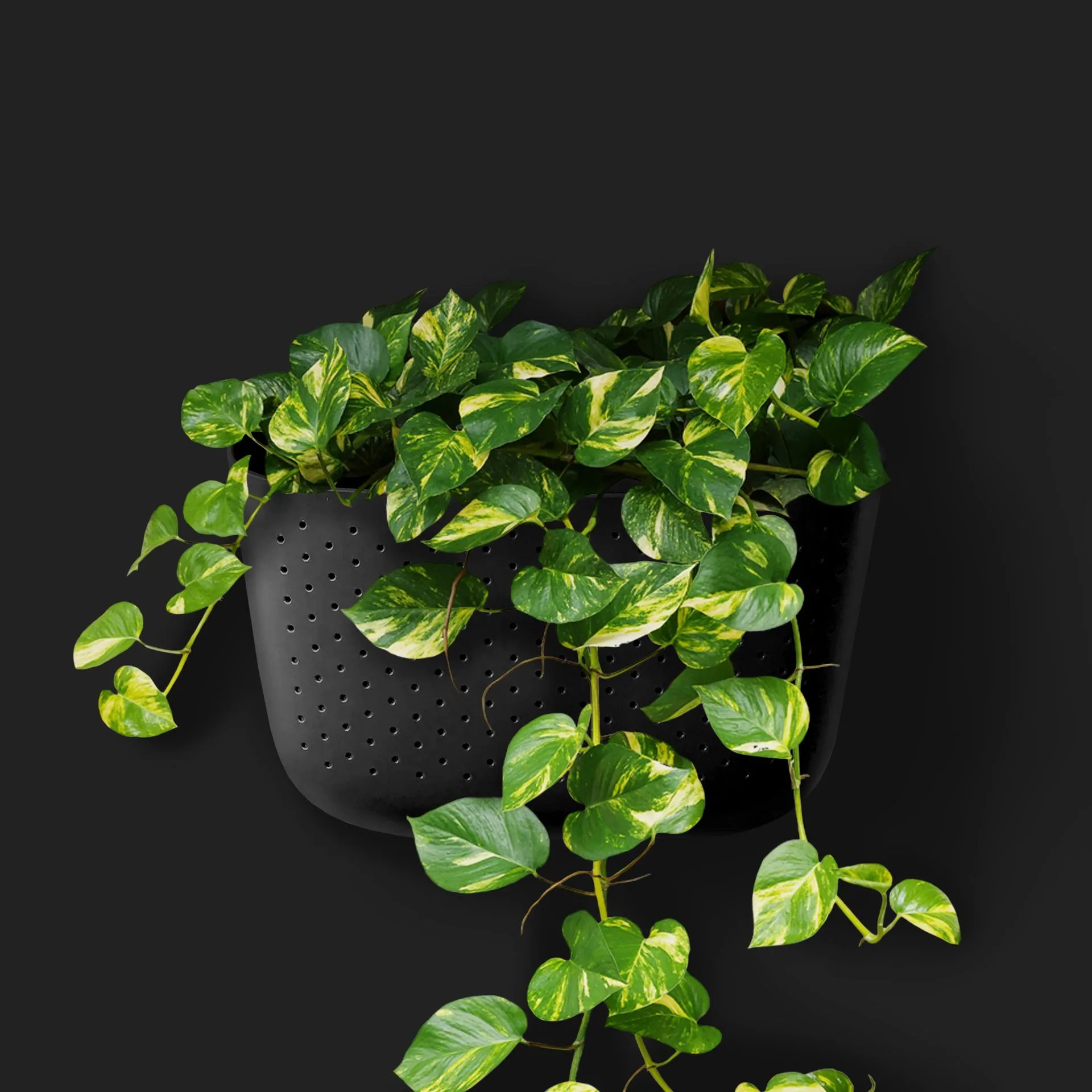
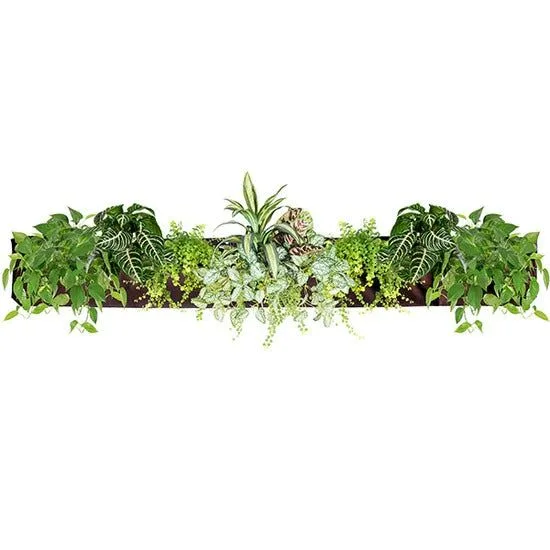
Traditional pots offer more material diversity. Terracotta pots are porous and allow air and moisture to pass through, which can help prevent overwatering. Ceramic and glazed pots are non-porous and retain moisture longer, making them a good middle ground. If you’re looking for a stylish and functional option, consider the Loop White Hanging Planter for a sleek, modern look that works well with trailing plants. For a more earthy aesthetic, the Pocket 3 Chocolate Wall Planter adds warmth and texture to any room.
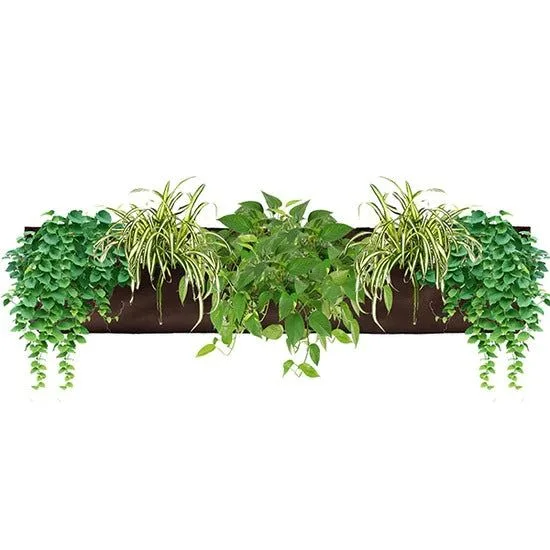
Pocket 3 Chocolate Wall Planter
- Self-watering planters: Often plastic or resin—lightweight and functional.
- Traditional pots: Available in terracotta, ceramic, glazed, and more.
- Aesthetic tip: Match planter material to your plant’s needs and your home decor.
Which Planter is Right for You?
The decision between self-watering planters and traditional pots ultimately comes down to your personal preferences and the specific needs of your plants. If you have a busy lifestyle or tend to forget to water, self-watering planters can be a lifesaver. They are also excellent for plants that require consistently moist soil. On the other hand, if you enjoy the ritual of watering and want maximum control over moisture levels, traditional pots are a reliable and versatile choice.
Consider starting with a mix of both types. Use self-watering planters for your thirstier plants and traditional pots for succulents and cacti. This approach gives you the best of both worlds and allows you to tailor your care routine to each plant. For example, the Supply Line Kit can help you set up an efficient watering system for multiple self-watering planters, making it easier to maintain a healthy indoor garden.
- Choose self-watering for: Busy schedules, consistent moisture lovers, and travel.
- Choose traditional pots for: Hands-on care, drought-tolerant plants, and budget-friendly options.
- Pro tip: Use a moisture meter to take the guesswork out of watering in any planter type.
Whether you opt for self-watering planters or traditional pots, the key to happy plants is understanding their unique needs. Both options have their strengths, and the best planter is the one that fits your lifestyle and helps your plants thrive. Explore our collection of planters and accessories to find the perfect match for your indoor garden—start with the Supply Line Kit to simplify your watering routine and give your plants the consistent care they deserve.