Quick answer
Choose the Self Watering Planter if you want to grow soil-based plants with less frequent watering and keep the planter on a shelf or table. Choose the Hanging Planter if you grow air plants and want to use vertical space with a recycled-glass dome.
Watering effort and plant type
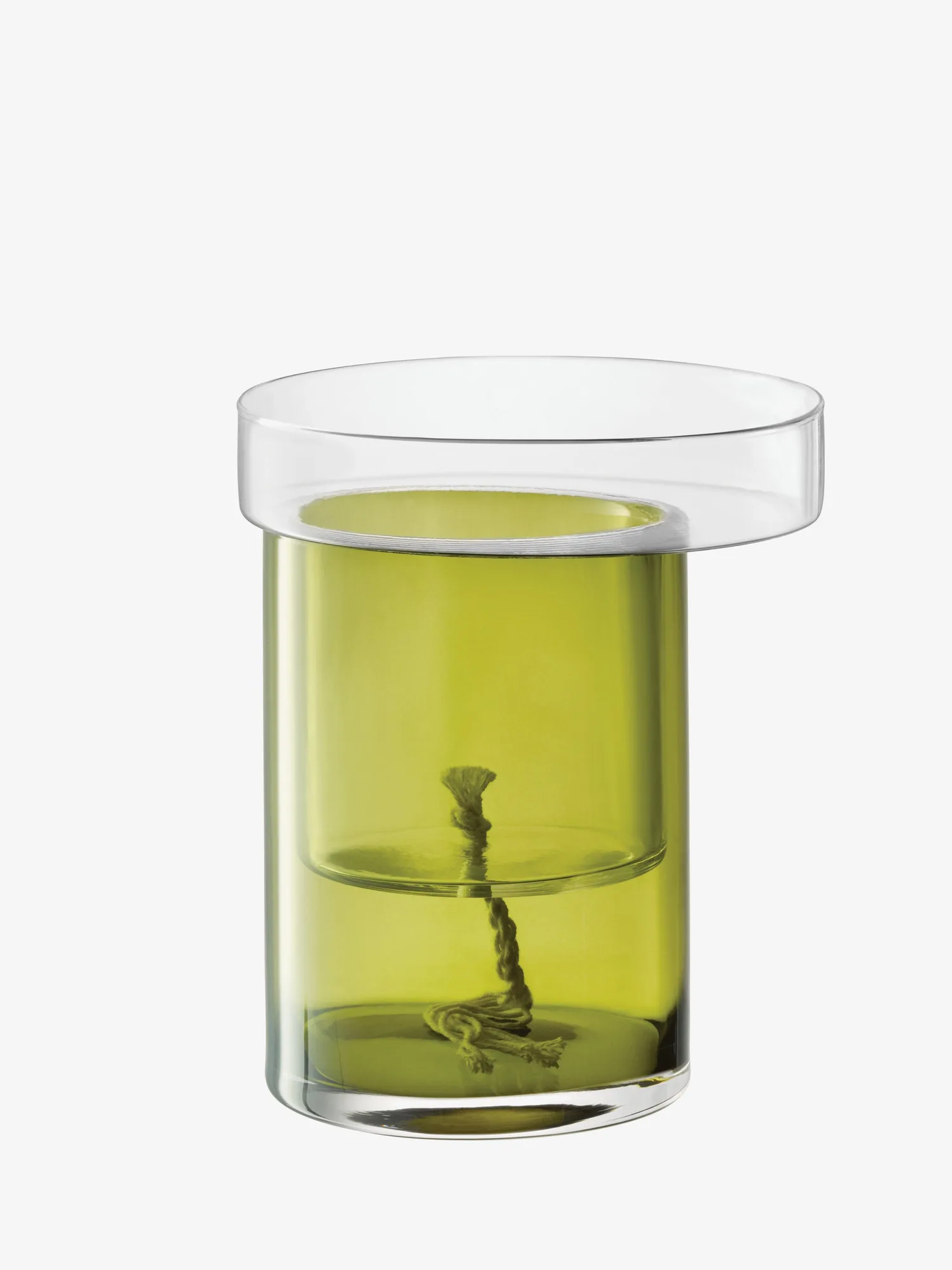
The Self Watering Planter uses a two-part system with a lower reservoir and a cotton cord that wicks water to the roots. That setup suits plants that grow in soil and need consistent moisture without you checking daily. The Hanging Planter is designed for air plants, which take moisture from the air and do not sit in soil, so it does not include a reservoir or wicking cord. If you want to hang a soil-based plant, you will need to water it by hand and let it drain thoroughly.
Placement and visual footprint
A hanging planter frees up shelf and table space, but it needs a secure ceiling or wall anchor and enough headroom for the domed shape. The Self Watering Planter sits on a flat surface, so it works on a desk, windowsill, or countertop where you can reach the reservoir easily. Neither planter is supplied with mounting hardware or a stand, so check what your space already has before you buy.
Material and maintenance trade-offs
The Hanging Planter is mouth blown from recycled glass, which gives it a lighter environmental story but also means you should handle it carefully and avoid sudden temperature changes. The Self Watering Planter’s two glass sections let you see the water level in the reservoir, which makes it easier to judge when to refill. Both are glass, so neither is the best choice for a spot where it might be knocked off a high shelf or bumped by pets.
Trade-offs to weigh
- Watering convenience vs plant flexibility: The Self Watering Planter reduces how often you water soil-based plants, but it is not designed for air plants. The Hanging Planter is made for air plants but gives you no reservoir, so you will mist or soak them on a routine. Match the planter to the plant type first; convenience follows.
- Floor space vs ceiling space: The Self Watering Planter needs a flat, stable surface and easy access to the reservoir. The Hanging Planter needs a secure hanging point and clear vertical space. If you lack shelf space but have a ceiling hook, the hanging option wins; if you cannot hang anything, the self-watering option is simpler. Check your room’s anchor points before choosing.
- Visible water level vs recycled material: The Self Watering Planter’s clear reservoir lets you see when to refill, which reduces guesswork. The Hanging Planter’s recycled glass offers a sustainability benefit but no water-level indicator, so you will need to check the air plants themselves. Decide whether you prefer feedback from the planter or from the plant.
Product facts
-
Self Watering Planter: Two-part glass planter with a lower reservoir and a cotton trailing cord for sub-irrigation. You can leave soil-based plants for longer between waterings because the cord delivers water to the roots from the reservoir.
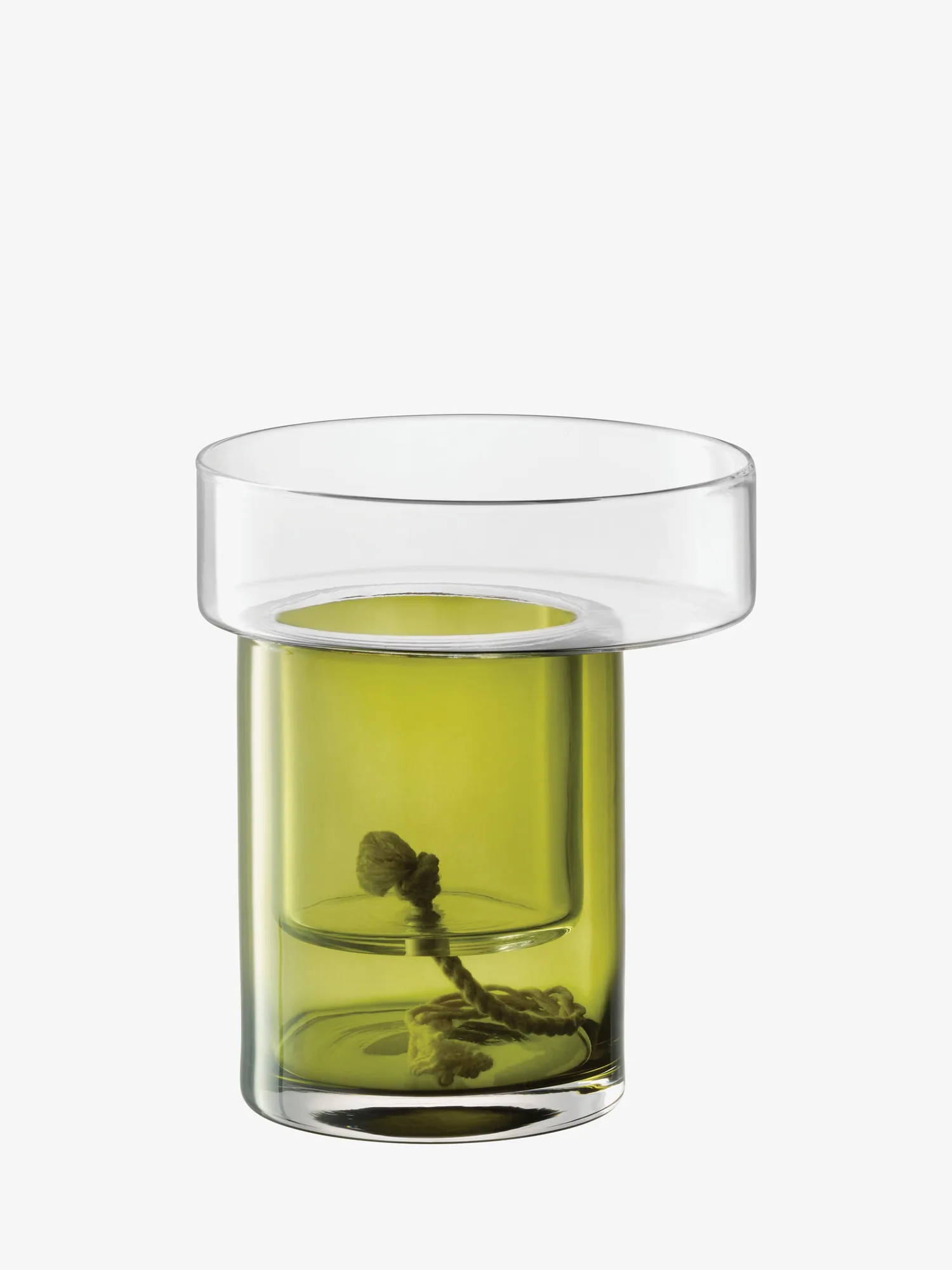
Self Watering Planter
-
Hanging Planter: Domed hanging planter mouth blown from recycled glass and designed for air plants. It suits air plants that do not need soil, and the recycled glass aligns with a lower-waste approach to indoor planting.
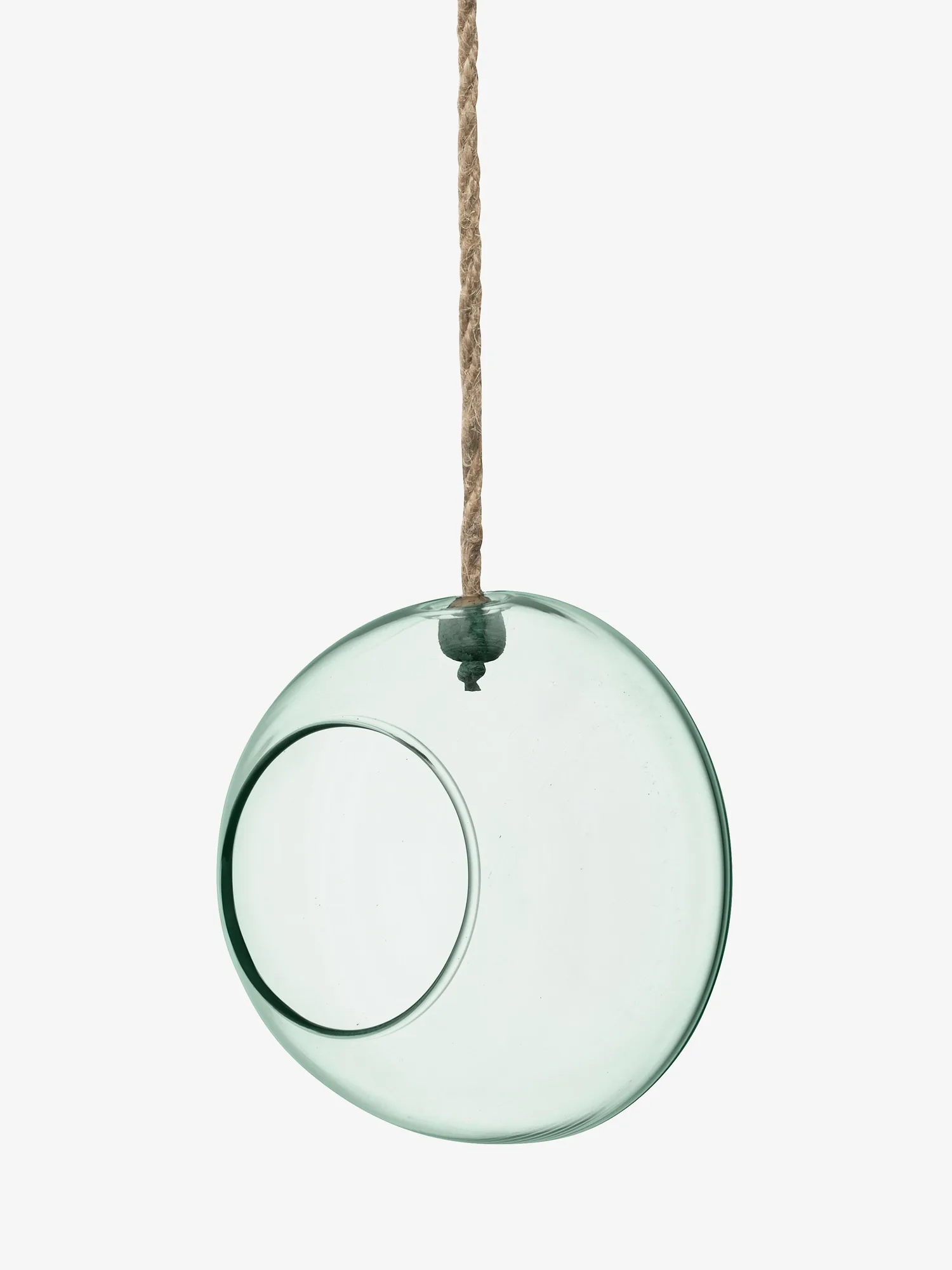
Hanging Planter
Which planter fits your space?
Best for
- Plant owners who want soil-based plants with less frequent watering
- Anyone with a stable shelf, desk, or windowsill and no easy hanging point
Not for
- Air plants that need to dry out between mistings
- Spaces where a hanging anchor cannot be safely installed