Why your sencha tastes bitter—and how to tell
Bitter sencha is almost always a sign that the leaves have been overextracted. That can happen when the water is too hot, the steep goes too long, or you use too much leaf for the amount of water. The good news is that sencha is forgiving once you know which lever to adjust.
Start by tasting a small sip before you add anything. If the bitterness hits the roof of your mouth and lingers, overextraction is the likely culprit. If the cup tastes thin or grassy in a sharp way, you may be under-steeping or using water that is too cool. The fix is usually a small change, not a complete overhaul.
Three common sencha brewing mistakes
- Water that is too hot: Boiling water pulls out bitter compounds quickly. Let the kettle sit for a moment after boiling, or pour the water into a cool cup first to bring the temperature down before it hits the leaves.
- Steeping too long: Sencha releases its flavor fast. If you walk away and forget the leaves, the cup turns harsh. Set a timer and taste early—you can always steep a little longer, but you cannot undo bitterness.
- Too much leaf for the water: A heavy hand with the scoop can make even a short steep bitter. Use a scale or a consistent spoon, and adjust the amount rather than guessing.
How to fix a bitter cup without starting over
If the tea is already bitter, you can sometimes rescue it by diluting with a splash of hot water—but that also weakens the aroma. A better approach is to treat the next steep as a test: lower the water temperature slightly, shorten the steep, or use a little less leaf, changing only one variable at a time.
For the following infusion, remember that sencha leaves can be steeped more than once. The second and third infusions often taste sweeter and less bitter because the most soluble compounds have already been released. If your first cup was bitter, try a shorter second steep.
Why your sencha tastes grassy
Grassy notes are part of sencha's character, especially in first-flush teas. Our Sencha is a first flush blend of Okumidori and Yabukita cultivars from Kagoshima, Japan, and its tasting notes include fresh-cut grass and seaweed. That herbaceous quality is intentional, not a defect.
If the grassiness feels sharp or overwhelming, it may be because the tea is under-steeped or the water is not hot enough to round out the flavor. Try a slightly longer steep or a touch more leaf, and taste as you go. The goal is balance, not to eliminate the grassy note entirely.
What our Sencha brings to the cup
-
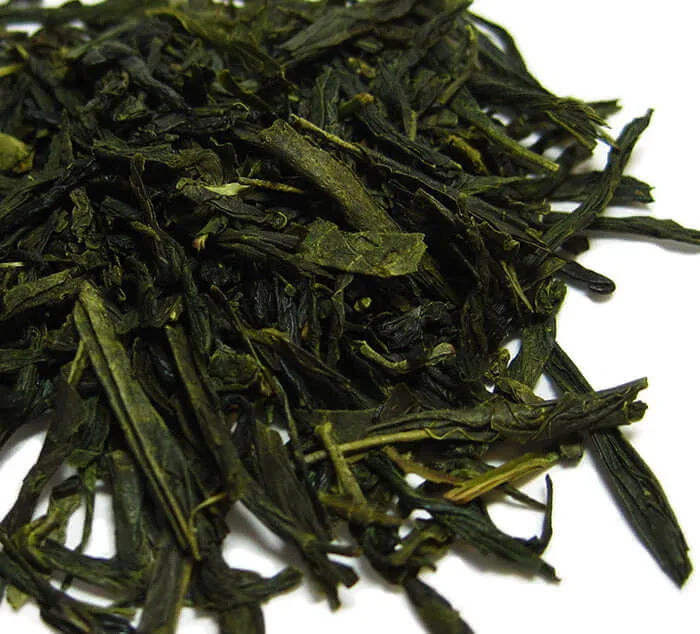
Sencha Tea: First flush blend of Okumidori and Yabukita cultivars from Kagoshima, Japan. First-flush sencha tends to be sweeter and more delicate, so it rewards gentle brewing and punishes overextraction.
Sencha Tea
-
Sencha Tea: Tasting notes include delicate sweetness, herbaceous aroma, and flavors of fresh-cut grass and seaweed. Knowing the expected flavor profile helps you distinguish a brewing fault from the tea's natural character.
-
Sencha Tea: Medium-light body with a slightly sweet flavor that lingers; maintains consistent flavor for up to three infusions. You can adjust later infusions to correct bitterness from the first steep, and the leaves are good for multiple cups.
-
Sencha Tea: Caffeine: Medium. Ingredients: green tea. Lifestyle-friendly: Vegan, Paleo, Keto, Kosher-certified. Useful if you are choosing sencha for its caffeine level or dietary fit.
A simple reset for your next cup
The next time you brew sencha, start with water that is hot but not boiling—let the kettle rest after it boils. Use a consistent amount of leaf, and steep briefly, tasting every so often. If the cup is still bitter, reduce the steep time or the leaf amount for the following attempt.
Remember that sencha is a green tea, and green teas generally prefer cooler water than black teas. Our Sencha is available in loose leaf sample, 1/4 LB, and 1 LB sizes, as well as 15 and 50 count pyramid sachets, so you can experiment without committing to a large bag.