If you’ve ever stood in front of a tea shelf wondering whether to pick sencha or matcha, you’re not alone. These two Japanese green teas are among the most popular in the world, yet they couldn’t be more different in how they’re grown, prepared, and enjoyed. Sencha is the everyday green tea you steep in a pot, while matcha is the vibrant powdered tea whisked into a frothy latte or traditional bowl. Both come from the same Camellia sinensis plant, but their journey from leaf to cup diverges dramatically. Understanding these differences can help you choose the right tea for your morning ritual, afternoon break, or wellness goals.
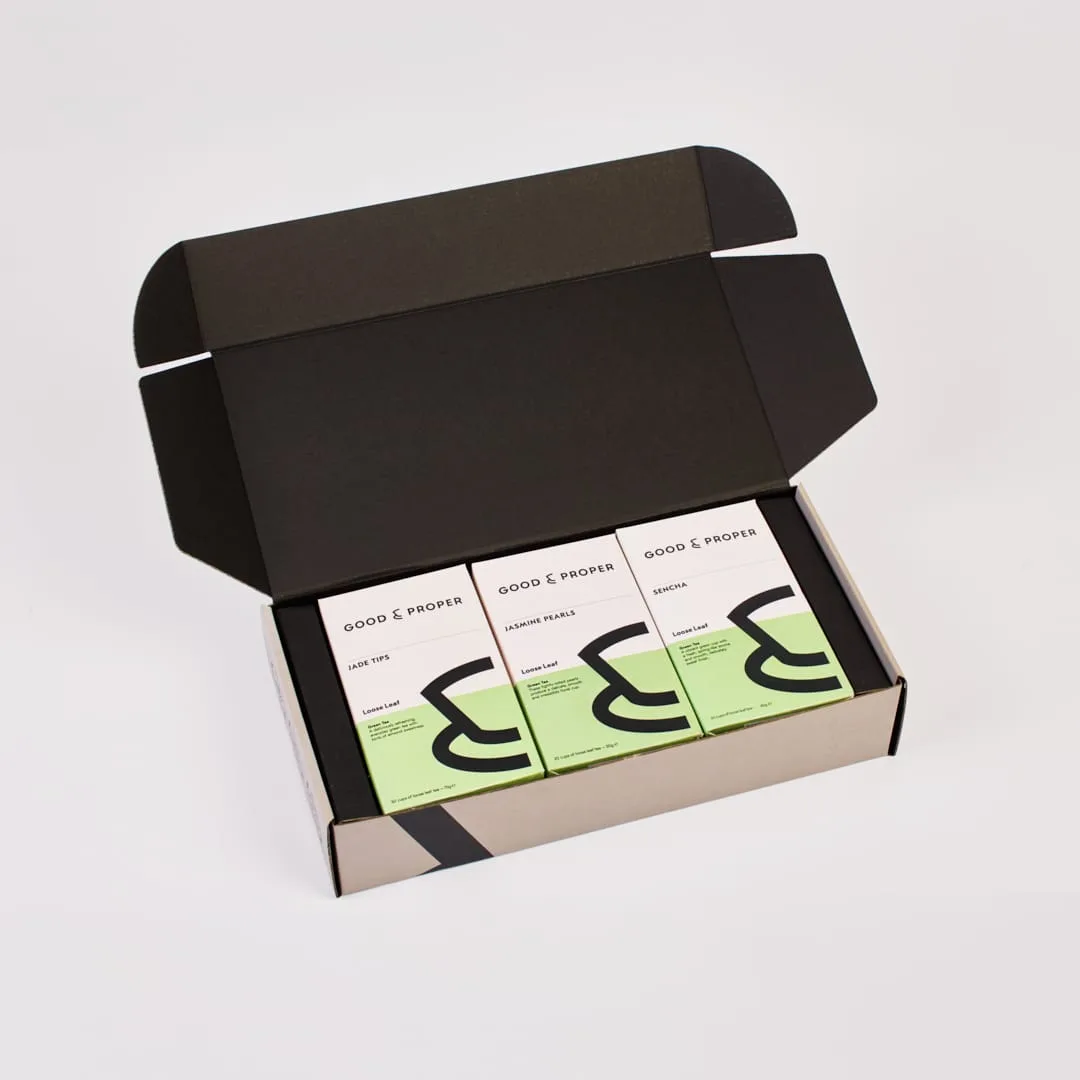
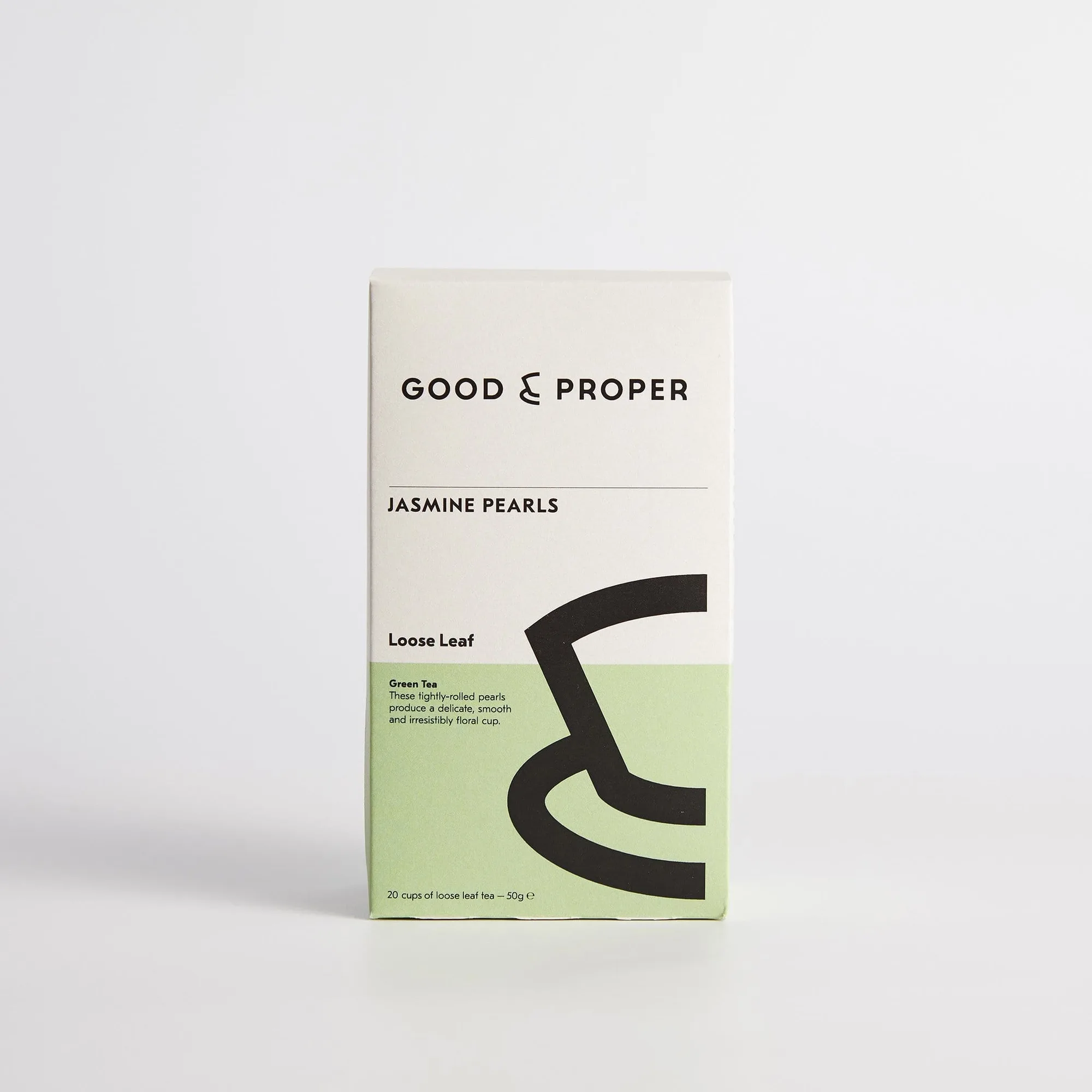
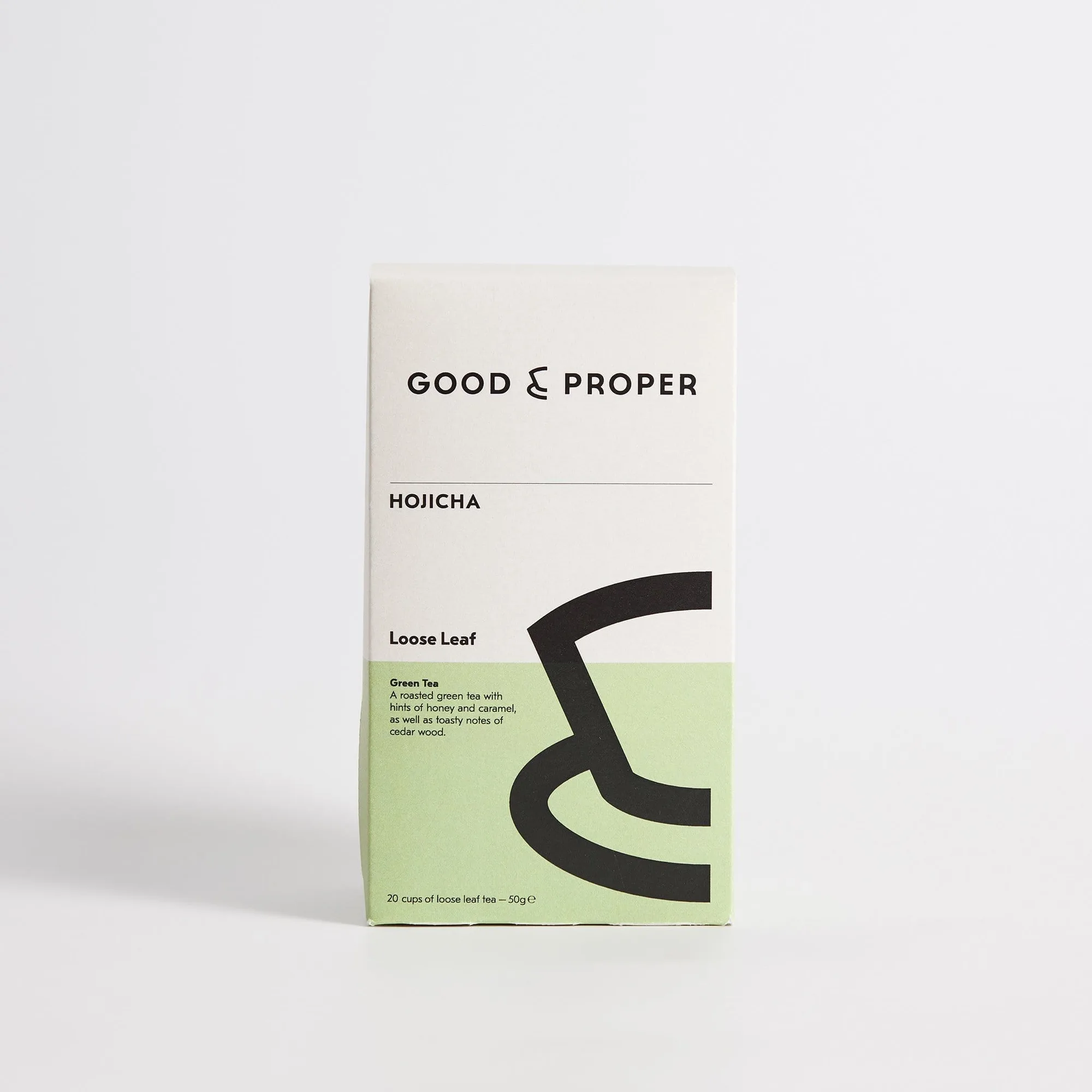
In this guide, we’ll break down the cultivation methods, flavor profiles, caffeine content, health benefits, and preparation techniques of sencha and matcha. Whether you’re a curious beginner or a seasoned tea drinker, you’ll leave with a clear picture of which Japanese green tea deserves a spot in your cupboard. And if you’re ready to explore, we’ll point you toward some award-winning options from Good & Proper Tea.
Cultivation and Processing: Shade vs. Sun
The most fundamental difference between sencha and matcha lies in how the tea plants are grown. Sencha is grown in full sunlight, which encourages the leaves to develop high levels of catechins—the antioxidants responsible for its slightly astringent, grassy taste. After harvesting, the leaves are steamed, rolled, and dried to create the needle-like shape you see in loose-leaf sencha. This process preserves the fresh, vegetal character that makes sencha a daily staple in Japan.
Matcha, on the other hand, comes from shade-grown tea plants. About three to four weeks before harvest, the plants are covered to block direct sunlight. This stress triggers the leaves to produce more chlorophyll and L-theanine, an amino acid that promotes calm alertness. After harvesting, the leaves are steamed, dried, and stone-ground into a fine powder. The result is a tea that is not only vivid green but also naturally sweeter and smoother than sencha.
- Sencha: sun-grown, steamed, rolled, dried – yields a grassy, slightly astringent flavor.
- Matcha: shade-grown, steamed, dried, stone-ground – produces a creamy, umami-rich taste.
Flavor and Aroma: What to Expect
When you brew a cup of sencha, you’re greeted with a bright, refreshing aroma reminiscent of steamed vegetables or fresh seaweed. The taste is clean and slightly bitter, with a lingering sweetness that varies by harvest. First-flush sencha (shincha) tends to be more delicate and sweet, while later harvests are more robust and astringent. Sencha is typically enjoyed hot, though it also makes a wonderful iced tea.
Matcha offers a completely different sensory experience. Because you consume the whole leaf in powdered form, the flavor is full-bodied and creamy, with a pronounced umami richness. High-quality ceremonial matcha has a natural sweetness with no bitterness, while culinary grade matcha may be slightly more astringent. The texture is smooth and velvety, especially when whisked properly with a Bamboo Matcha Whisk (Chasen). If you’re new to matcha, starting with a premium matcha like Matcha Tin For Life can make all the difference in your first impression.
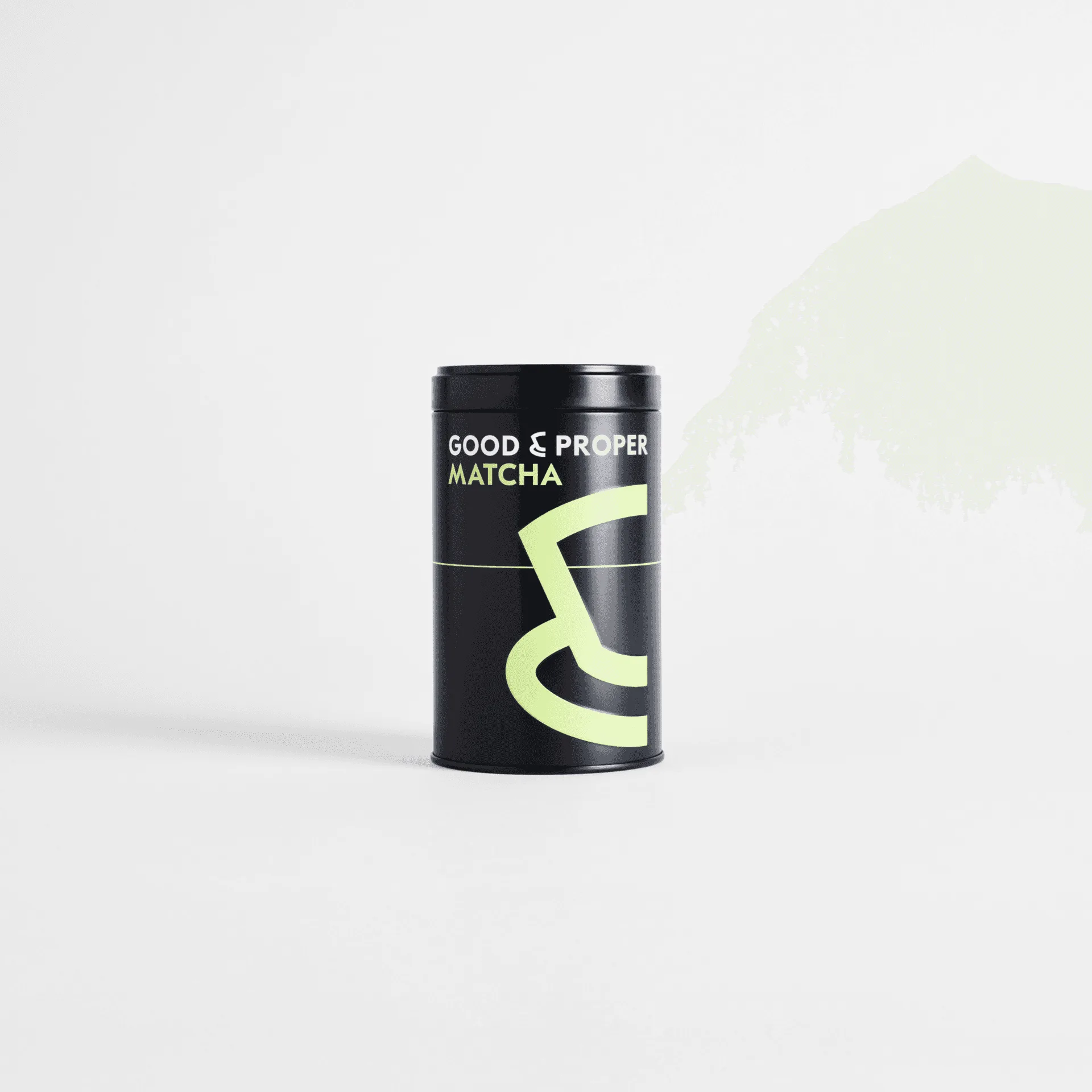
Matcha Tin For Life
- Sencha: grassy, vegetal, slightly bitter with a sweet finish.
- Matcha: creamy, umami-rich, naturally sweet, and smooth.
Caffeine and Health Benefits: A Side-by-Side Comparison
Both sencha and matcha contain caffeine, but the amounts and effects differ. A typical cup of sencha has about 20–30 mg of caffeine, while a serving of matcha (1 teaspoon of powder) delivers around 60–70 mg—roughly the same as a cup of coffee. However, the L-theanine in matcha moderates the caffeine release, providing a calm, focused energy without the jitters or crash. This makes matcha a favorite for meditation or work sessions.
When it comes to antioxidants, matcha has a clear edge. Because you consume the entire leaf, matcha delivers up to 137 times more EGCG (the powerhouse antioxidant) than brewed green tea. Sencha still offers impressive health benefits, including improved heart health and metabolism support, but you’ll need to drink several cups to match the antioxidant load of a single bowl of matcha. For those seeking a gentle daily green tea, sencha is an excellent choice, while matcha is ideal for a concentrated wellness boost.
- Sencha: 20–30 mg caffeine per cup, good source of catechins, supports metabolism.
- Matcha: 60–70 mg caffeine per serving, extremely high in antioxidants, promotes calm focus.
Preparation: Simple Steeping vs. Whisking Ritual
Preparing sencha is straightforward: measure one teaspoon of loose leaves into a teapot or infuser, add water heated to 70–80°C (160–175°F), and steep for 1–2 minutes. The same leaves can be resteeped two or three times, each infusion revealing a new layer of flavor. Sencha is forgiving and quick, making it perfect for busy mornings.
Matcha requires a bit more technique. You’ll need a bowl, a Bamboo Matcha Scoop (Chashaku) for measuring, and a Bamboo Matcha Whisk (Chasen) for frothing. Sift 1–2 teaspoons of matcha powder into the bowl, add a small amount of hot water (about 80°C), and whisk in a zigzag motion until smooth and frothy. The ritual can be meditative, but it does take practice. If you prefer convenience, Good & Proper Tea also offers Tea Bag Samples for a quick cup of green tea without the fuss.
- Sencha: steep leaves in hot water for 1–2 minutes, resteepable.
- Matcha: whisk powder with hot water until frothy, requires tools like whisk and scoop.
Which One Should You Choose?
Your choice between sencha and matcha depends on your lifestyle, taste preferences, and wellness goals. If you love a light, refreshing tea that you can sip throughout the day and resteep multiple times, sencha is your go-to. It’s affordable, easy to prepare, and pairs beautifully with food. For a bold, nutrient-dense experience that doubles as a ritual, matcha is unmatched. Its sustained energy and rich flavor make it a morning powerhouse or a midday treat.
Many tea lovers enjoy both, alternating based on mood and occasion. If you’re just starting your Japanese green tea journey, consider trying a classic sencha like Yunnan - Loose Leaf for its approachable flavor, or dive into matcha with a high-quality option like Matcha Tin For Life. Whichever you choose, you’re embracing a tradition of mindfulness and quality that has been perfected over centuries.
Ready to explore the world of Japanese green tea? Whether you’re drawn to the everyday simplicity of sencha or the vibrant ritual of matcha, Good & Proper Tea has award-winning options to suit your taste. Start your journey with the Yunnan - Loose Leaf for a classic sencha experience, or elevate your mornings with the Matcha Tin For Life. Shop now and discover your perfect cup.