Quick answer
Choose the Sennheiser IE 900 for a portable, precision-tuned in-ear experience, or the Final Audio D7000 if you prioritize an open-back planar soundstage for dedicated desktop listening.
Form factor and intended use
The Sennheiser IE 900 is an in-ear monitor (IEM) built for on-the-go listening, while the Final Audio D7000 is an open-back planar magnetic headphone designed for a stationary setup. This difference drives everything else: the IE 900 slips into a pocket and works with a phone or DAP, while the D7000 needs a headphone amplifier and a quiet room to shine.
If you want a single do-it-all earphone for commuting, travel, or office use, the IE 900's compact form is the practical choice. If you have a dedicated listening corner and want a spacious, open sound, the D7000's over-ear design is worth the extra space and amplification requirements.
Build and engineering philosophy
Sennheiser's IE 900 uses a precision-machined aluminum housing that protects its dynamic TrueResponse transducer, an approach focused on durability and natural sound. Final Audio's D7000 is an open-back planar magnetic model, a design that typically offers lower distortion and a more detailed, airy presentation but requires a more powerful source.
Neither is inherently better; they simply suit different priorities. The IE 900's aluminum shell is built for daily wear, while the D7000's open-back planar structure prioritizes acoustic performance over portability.
Price and value
The IE 900 is currently available at a significant discount, with a catalog price of USD 1155.97 compared to its original USD 1699.95. The D7000 is priced at USD 2309.34, down from USD 3499.00. If budget is a deciding factor, the IE 900 offers flagship-level engineering at a lower entry point.
But price alone shouldn't dictate your choice. The D7000's higher cost reflects a different category and design, so consider what you're actually paying for: portability and convenience with the IE 900, or a full-size open-back experience with the D7000.
Trade-offs at a glance
- Portability vs. soundstage: The IE 900 is a compact IEM you can take anywhere; the D7000 is an open-back headphone that requires a dedicated listening space and amplifier. If you listen mostly at a desk, the D7000's open-back design may be worth the space; if you're mobile, the IE 900 is the clear pick.
- Price vs. category: The IE 900 is currently cheaper and represents a lower investment for flagship-level IEM sound; the D7000 costs more but belongs to a different, larger headphone class. Set a budget first and then decide whether you need an IEM or a full-size headphone—don't compare them solely on price.
- Source requirements: The IE 900's dynamic driver is easier to drive from portable devices; the D7000's planar magnetic design typically benefits from a dedicated headphone amplifier. Check your current gear: if you don't own an amp, the IE 900 is more likely to sound its best out of the box.
Key product details
-
Final Audio D7000 Headphones: The Final Audio D7000 is an open-back planar magnetic headphone from the prestigious D series, designed to deliver an 'indistinguishable world of reality and experience.' This open-back planar design aims for a natural, transparent sound that rewards attentive listening in a quiet room.
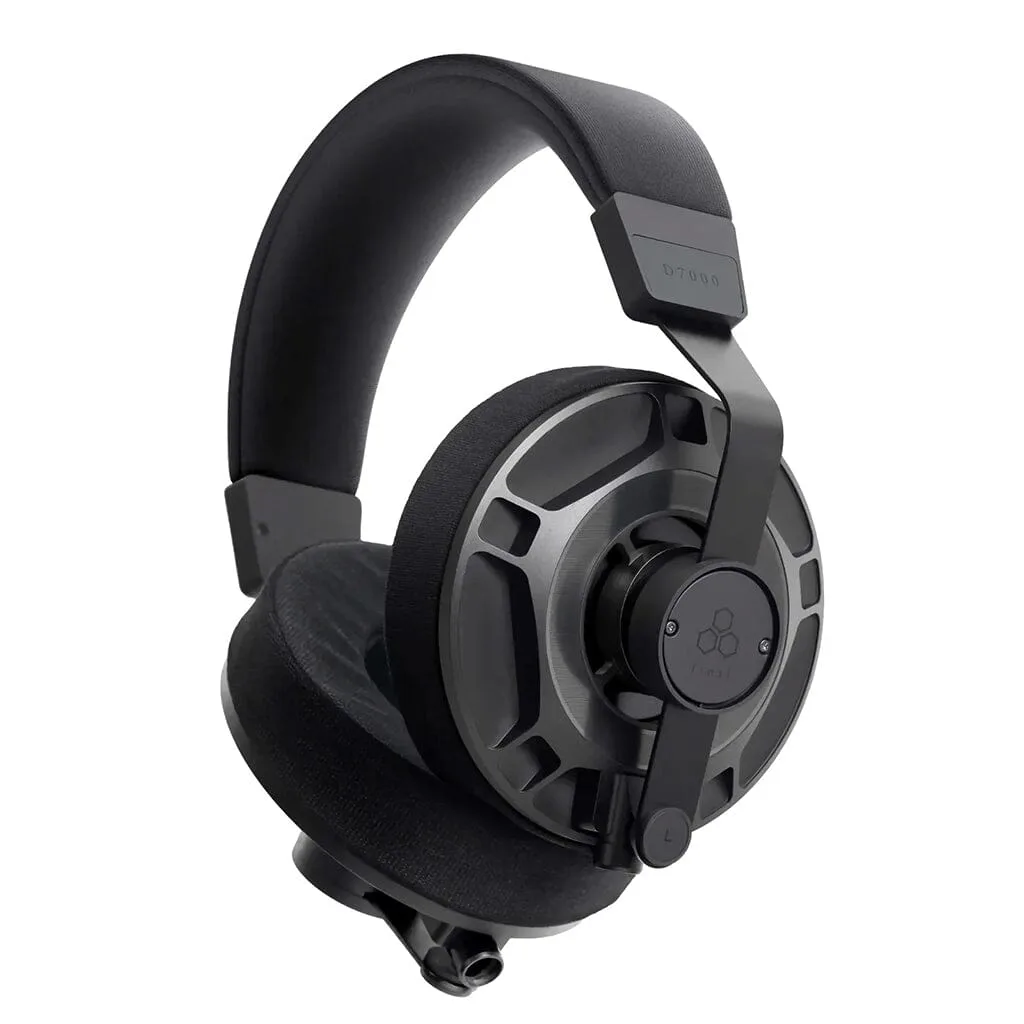
Final Audio D7000 Headphones
-
Sennheiser IE 900 In-Ear Headphones - Open Box: The Sennheiser IE 900 features a precision-manufactured aluminum housing protecting dynamic TrueResponse transducers with X3R technology, made in Germany. The robust aluminum build and efficient dynamic driver make the IE 900 a durable, portable option that works well with a variety of sources.
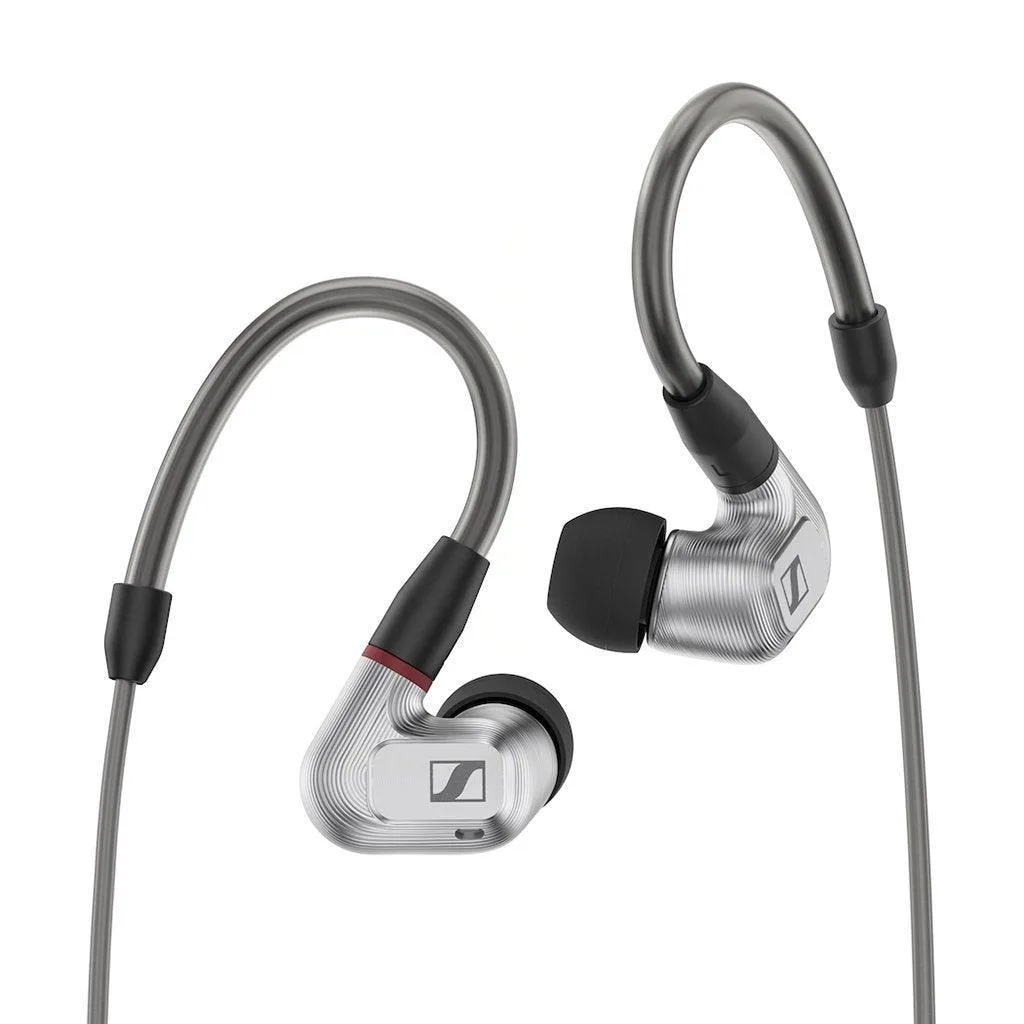
Sennheiser IE 900 In-Ear Headphones - Open Box
Which should you choose?
Best for
- Commuters and travelers who need a durable, portable earphone
- Listeners who want a natural, precise in-ear sound without a bulky setup
- Anyone on a tighter budget who still wants flagship IEM engineering
Not for
- Audiophiles seeking an open, spacious soundstage that only full-size headphones can provide
- Listeners who already own a high-end headphone amplifier and prefer over-ear comfort for long sessions