Quick answer
Start with dry, contained sensory play instead of wet or sticky materials, and let your child stay in control of touching. Tools, textures, and containers usually work better than finger painting or slime. If your child still avoids touch after repeated low-pressure exposure, or shows distress that disrupts daily life, stop pushing and talk to an occupational therapist.
Some kids dive hands-first into finger paint. Others pull back the moment something sticky touches their palms. That reaction is real, and it doesn't mean your child is being difficult. It often means their nervous system reads certain textures as a threat signal.
The good news: you don't have to choose between messy play and no sensory play at all. You can adapt the activity, not the goal. This guide walks through what tactile aversion looks like, what usually causes it, and which low-mess sensory activities tend to work when hands stay clean.
What tactile aversion actually looks like
Tactile aversion, sometimes called tactile defensiveness, shows up differently across ages. A toddler might refuse to touch sand, cry during hand-washing, or insist on wiping hands after every crumb. An older child might avoid certain fabrics, resist messy art projects, or eat only a narrow range of textures.
The common thread is a strong, consistent reaction to touch that seems out of proportion to the situation. One bad day with a new texture is normal. A pattern that repeats across weeks and settings, and that limits play, eating, or daily routines, is worth paying attention to.
- Watch for patterns, not one-off refusals
- Notice whether the reaction is touch-specific or part of a broader sensory pattern
- Note if avoidance is affecting play, meals, or self-care
Why messy play can feel overwhelming
Messy materials are unpredictable. Slime stretches, paint smears, and dough sticks in ways a child can't fully control. For a child whose nervous system is already on alert, that unpredictability can feel like too much input at once.
Wet textures also tend to stay on the skin after the activity ends. If a child dislikes the feeling of residue, the mess isn't over when play stops. That lingering sensation can make the whole experience feel unsafe, even if the activity itself was fun.
- Offer a damp cloth or wipes nearby so your child knows cleanup is available
- Let your child decide when to stop, rather than pushing for one more minute
Low-mess sensory activities that still build tolerance
The goal isn't to avoid texture forever. It's to introduce it in doses your child can handle. Dry materials, tools, and containers give you that middle ground. Your child gets sensory input without the full-body mess that triggers avoidance.
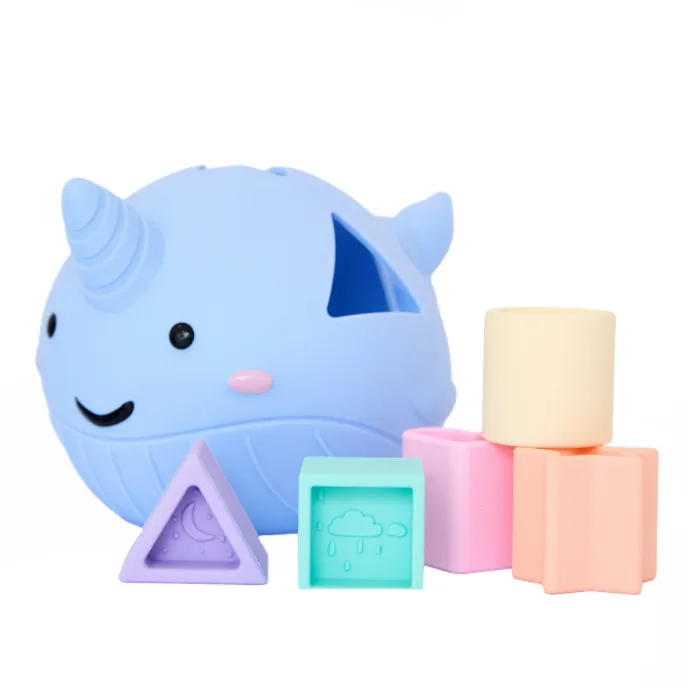
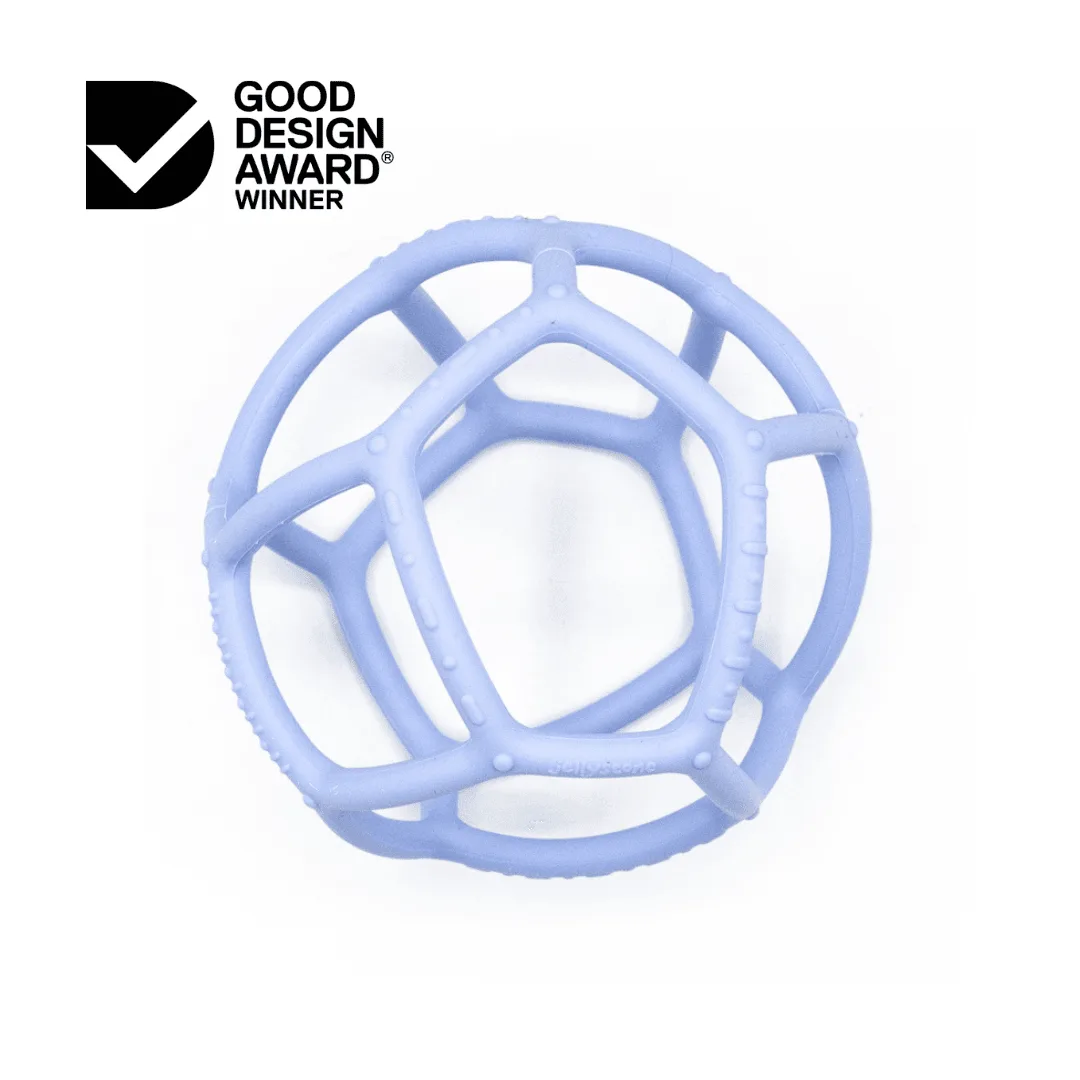
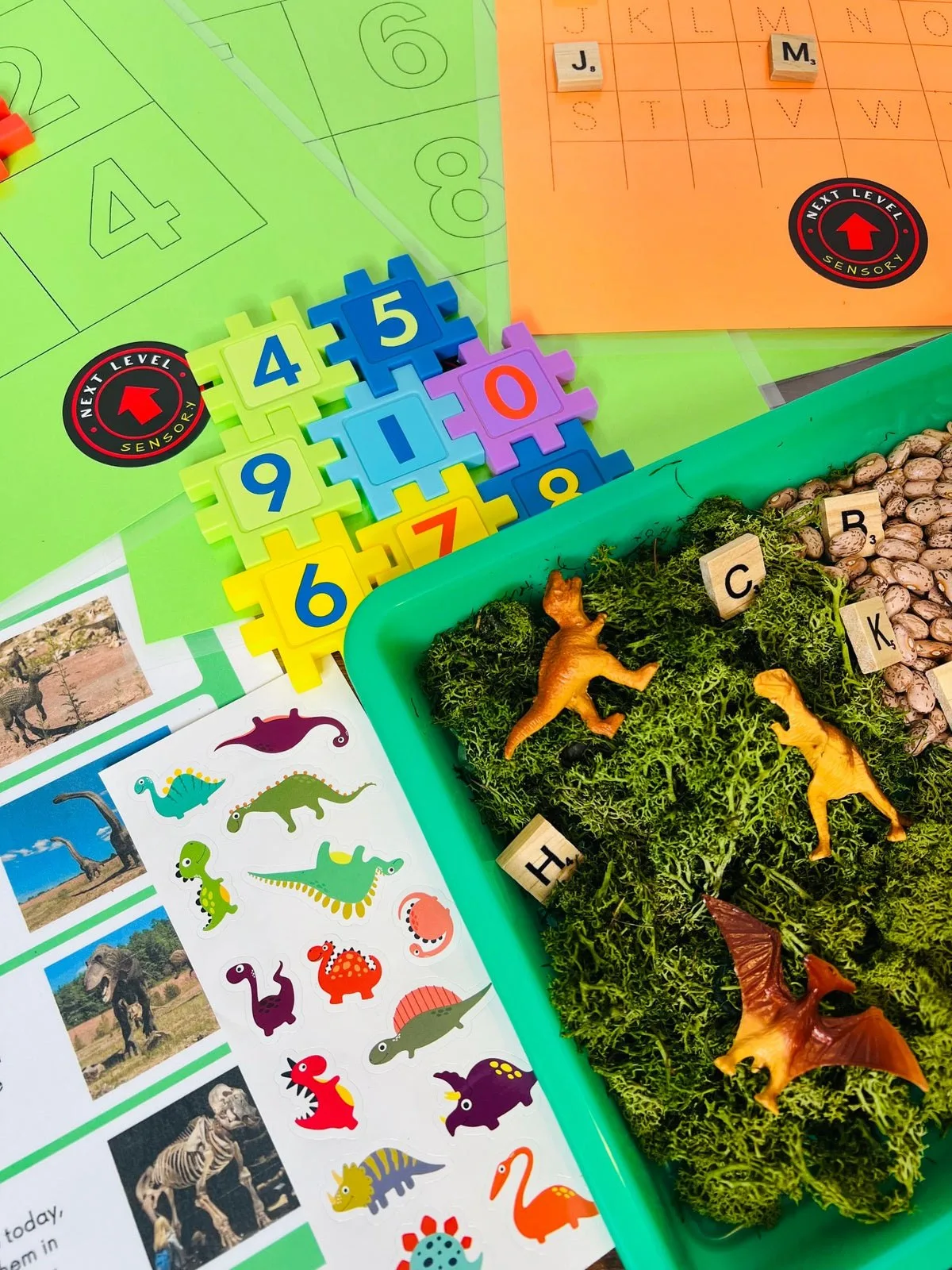
Try dry rice or beans in a shallow bin with scoops and cups. Use textured silicone toys that can be chewed, squeezed, or stacked without leaving residue. Stacking cups, shape sorters, and sensory balls offer touch input through the hands while keeping fingers mostly clean. If your child is ready for something wetter, start with a small amount of water and a sponge rather than a full water table.
- Start with dry textures before moving to wet ones
- Use tools like scoops, tongs, or cups so hands don't have to touch directly
- Keep a towel or wipes within reach so cleanup is predictable
- Let your child watch you play with the material before joining in
When to stop and choose another option
If your child consistently shows distress, not just hesitation, after several low-pressure attempts, stop. Distress can look like crying, gagging, freezing, or trying to leave the room. Pushing through it usually makes avoidance worse, not better.
At that point, a different approach makes more sense. Talk to an occupational therapist who can assess whether this is typical tactile sensitivity or something that needs targeted support. In the meantime, keep offering dry, predictable sensory play and skip the messy stuff without guilt.
- Distress is different from reluctance; respect the difference
- If avoidance is affecting daily life, seek professional guidance
- You can always revisit messy play later, at a slower pace
Diagnosis: Is it tactile aversion or something else?
- Symptom: avoids messy hands but joins other sensory play: Your child happily plays with dry toys, sand, or water but pulls away from paint, dough, or slime. This points to texture-specific sensitivity rather than a broad sensory issue. Try low-mess alternatives first; you likely don't need outside support yet.
- Symptom: avoids most touch, including clothing, grooming, or certain foods: If avoidance extends beyond play into daily routines like haircuts, nail trimming, or eating, the pattern is broader than messy hands alone. Consider an occupational therapy evaluation to rule out sensory processing differences.
- Symptom: distress during or after tactile play: Crying, gagging, freezing, or needing to wash immediately after touching a texture suggests the input is overwhelming, not just unfamiliar. Stop the activity and choose a dry, predictable option instead. Revisit messy play only when your child shows interest.
Toys that support low-mess sensory play
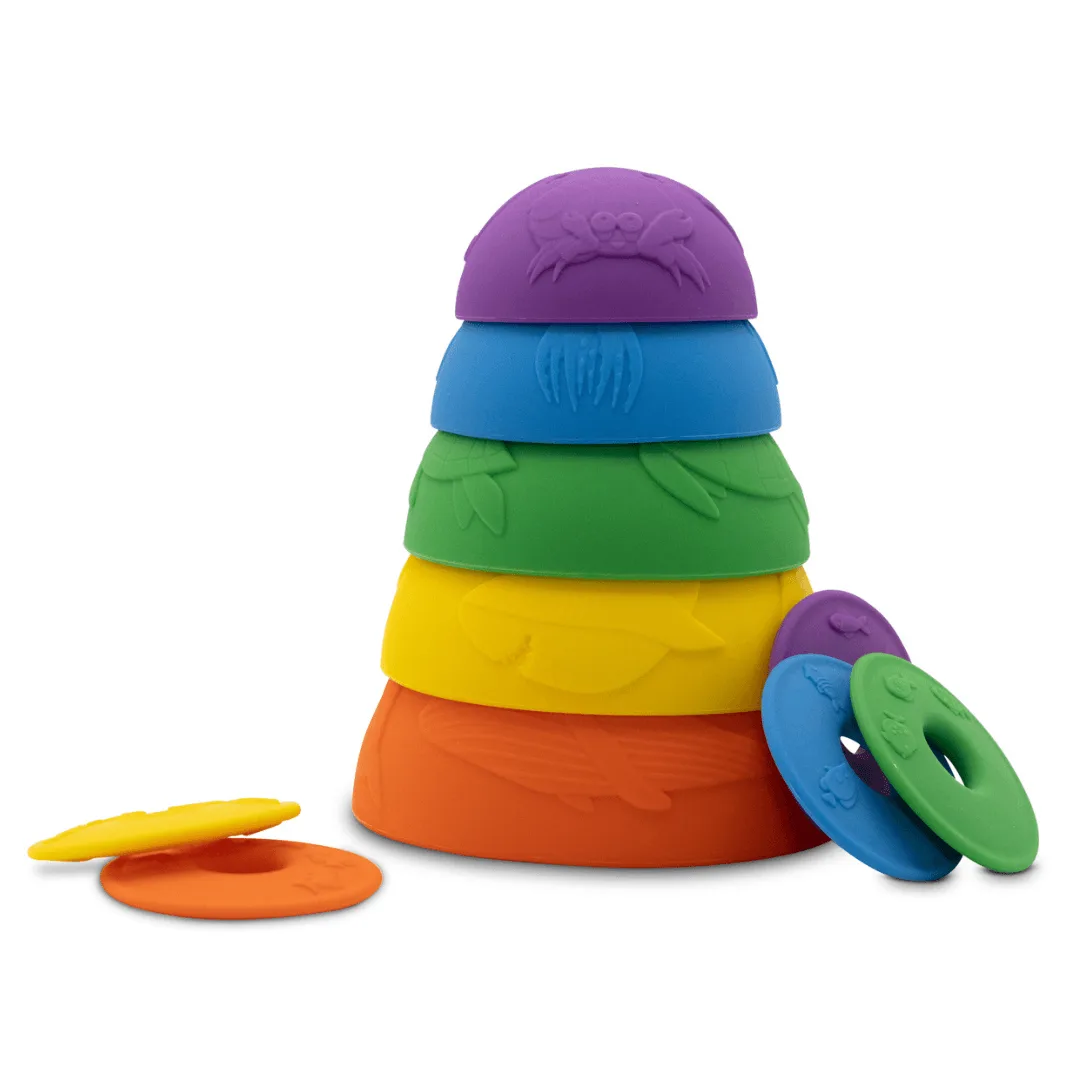
- Ocean Stacking Cups: A set of 5 stacking cups plus 5 treasure coins designed for bath time and sensory play, with options to stack, nest, hide objects, texture stamp, and match coins to cups. The cups and coins let kids explore texture and matching through their hands and tools, without requiring them to touch wet or sticky material directly. The bath setting also gives a clear, contained cleanup routine.
- Sensory Ball: A teether and sensory toy made from food-grade silicone with an open frame design that's easy to grab, suitable for babies and older children. The open frame gives a firm, predictable grip and a soft chewy surface. Kids who dislike messy textures can still get tactile input through squeezing and chewing, and the silicone wipes clean easily.
- Narwhal Shape Sorter: A shape sorter with five shapes and a specially designed base that holds blocks inside the narwhal while keeping them accessible for play. Sorting shapes is a dry, contained activity that builds fine motor skills without any mess. The base keeps pieces from scattering, which can help kids who prefer order and predictability.
Tactile aversion doesn't have to close the door on sensory play. Swap messy materials for dry, contained activities, keep tools and wipes nearby, and let your child set the pace. If distress persists or spreads beyond play, bring in a professional. The right support makes sensory play possible again, on your child's terms.