Quick answer
If a few sequins have come loose, re-stitch them with a matching thread and a fine needle rather than reaching for super glue, which stiffens the fabric and often fails at the next flex point. If a whole panel is shedding, the backing has worn through and no spot fix will hold. Stop repairing once the fabric behind the sequins is torn or powdery, and store the bag flat in a cloth bag so edges are not crushed against each other.
A sequin purse that starts dropping discs is annoying, but it rarely means the bag is finished. Sequins are usually attached in overlapping rows, so one broken thread can release a small cluster while the rest of the panel stays secure. The trick is telling a local fault apart from a worn backing before you spend time on a repair that will not last.
This guide separates the symptom from the cause, gives you the corrective action for each case, and marks the point where you should stop and either change how you use the bag or replace it. It applies to flat sequin panels, overlapping rows, and sequin-trimmed purses.
Symptom: a handful of sequins in the bottom of your bag
Loose sequins collecting inside the lining usually mean one or two anchoring threads have snapped, not that the whole bag is failing. Check the outside of the purse against a light and look for a small bald patch or a row where the discs sit flatter than their neighbours. That patch is your repair site.
Before you thread a needle, empty the bag and turn it upside down over a tray so you can catch the fallen sequins. Matching the original size and colour is easier when you have the loose ones in hand, and a spare sequin from an inside seam or a hidden corner can fill a gap if the exact match is gone.
- Photograph the damaged area before you start so you can see whether the repair holds after a week of use.
- Work in daylight; sequins reflect indoor bulbs and hide gaps.
Cause: thread wear at flex points, not bad luck
Sequins shed fastest where the bag bends: the top edge of a flap, the handle attachment, and the corner where the purse folds when you open it. Every one of those movements pulls on the same few stitches, so the thread thins and eventually snaps. That is why the loss is usually concentrated rather than spread evenly.
A second common cause is abrasion. A sequin purse rubbed against a rough coat, a car seat, or the inside of a crowded tote loses its surface finish first, then the thread. If your bag shares space with keys, a metal zip pull, or a hard phone case, expect edge wear to appear sooner.
- Run a finger along the top edge; a gritty or snagging feel means the thread is already fraying.
- Keep the purse as the outer layer in a tote, not buried under hard objects.
Corrective action: re-stitch small losses, reinforce the row
For a small gap, use a fine hand-sewing needle and a thread that matches the backing, not the sequin. Bring the needle up through the fabric, pass through the hole in the sequin, and take two or three small stitches over the same spot so the disc sits flat and slightly overlapped like its neighbours. Finish with a tiny knot on the inside, then seal it with a dot of clear fabric glue if the lining is accessible.
If several sequins in one row are loose but still attached, reinforce the whole row rather than waiting for each one to fall. A line of small stitches along the row, catching the thread that holds the discs, spreads the load and buys you months of wear. Do not stitch through the sequin holes in a tight line, or the row will pucker and look different from the rest of the bag.
- Use a thimble; sequin edges are sharp and a slip can tear the backing.
- Test your stitch tension on an inside seam before you work on the visible panel.
When to stop repairing and choose another option
Stop when the fabric under the sequins has torn, stretched into a hole, or turned powdery. Sequins need a stable base; once the backing is gone, new stitches pull through and the repair fails within days. Stop also if the sequins are glued rather than stitched and a large area has lifted, because re-gluing a wide panel rarely sits flat.
At that point you have two sensible options. Demote the purse to a decorative or occasional-use item where it will not flex against your body, or replace it with a bag whose sequins are stitched in overlapping rows on a firm backing. A repair service is worth it only when the damage is confined to one or two rows and the rest of the bag is sound.
- If more than a quarter of one panel is bare, replacement is usually cheaper than repair.
- If the purse has sentimental value, ask a tailor to quote before you attempt a home fix.
Prevention: storage and handling habits that slow the shed
Store a sequin purse flat or lightly stuffed, never crushed under other bags. A cotton dust bag or a clean pillowcase lets the fabric breathe and stops sequins from catching on each other. Hang the bag only if the strap is strong enough to carry the weight without stretching the attachment points.
Rotate the bag rather than using it daily, and give it a rest between outings so the thread can recover its shape. Keep it away from heat and direct sun, which dry out adhesives and threads, and avoid spraying perfume or hairspray directly onto the sequins. A quick wipe with a soft dry cloth after use removes grit before it grinds into the thread.
- Never machine wash or tumble dry a sequin purse; hand spot-clean only.
- Check the handle attachments monthly and reinforce them before they fail.
Diagnosis chart: match the symptom to the fix
- A few sequins missing in one spot: A single anchoring thread has snapped. Re-stitch the gap with matching thread and reinforce the surrounding row. Repair at home; check the fix after a week of use.
- Sequins shedding along an edge or handle: Flex and abrasion have worn the thread at a high-movement point. Reinforce the row and reduce how often the bag is carried against rough surfaces. Repairable if the backing fabric is still intact.
- Bare panel with torn or powdery backing: The base fabric has failed, so new stitches will pull through. Stop repairing and either retire the purse or replace it. Stop here; choose another option.
Where our sequin and gift range fits in
- TEA TOWEL - ICONIC MELBOURNE COFFEE SNOB: A 100% linen tea towel printed with Melbourne coffee culture, priced at USD 14.00 against a catalog comparison price of USD 28.00. Linen is a low-abrasion surface, so storing a sequin purse wrapped in or beside a linen cloth reduces the snagging that pulls threads loose.
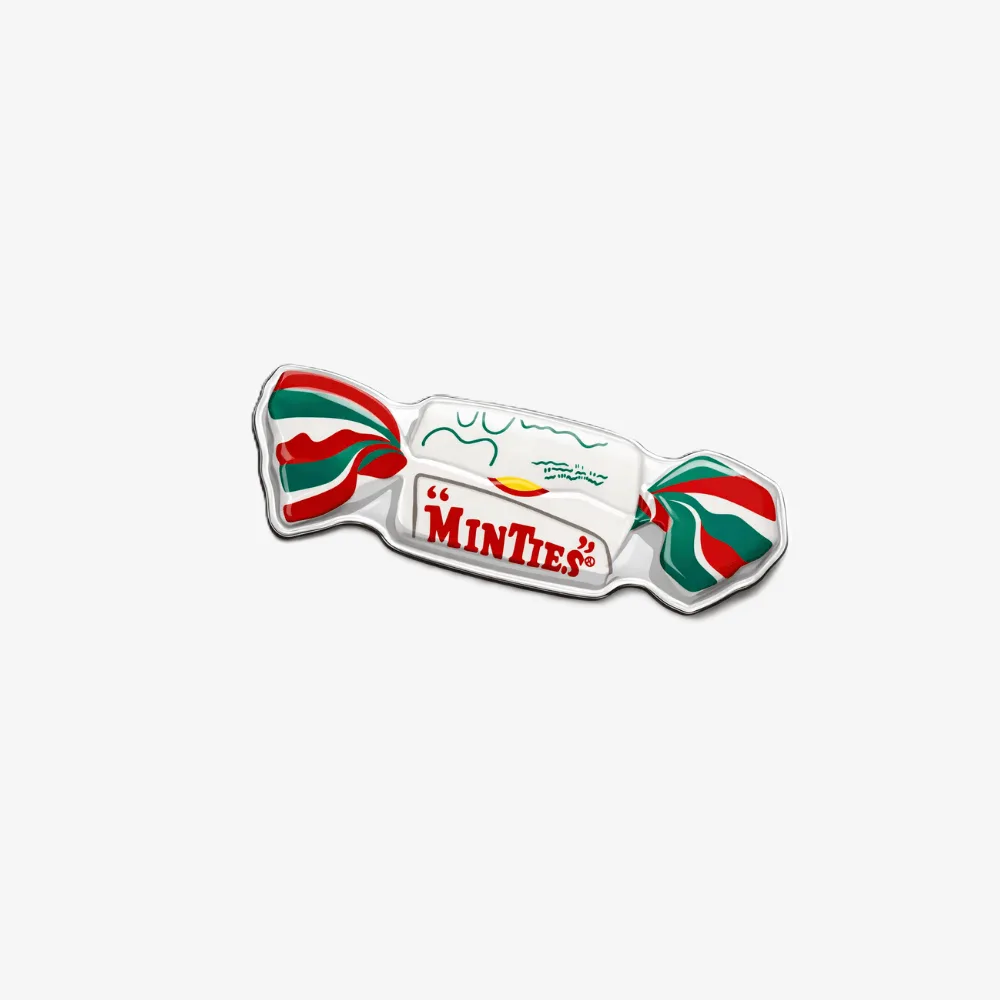
- MAGNET - ICONIC MINTIES: A fridge, locker, or workspace magnet inspired by the red-and-white Minties wrapper, priced at USD 4.00 against a catalog comparison price of USD 8.00. If a sequin purse has reached decorative status, small themed gifts like this keep the nostalgia without adding another item that needs repair.
Most sequin loss is a thread problem you can fix in ten minutes, not a sign the purse is done. Repair small gaps, reinforce flex points early, and store the bag flat and alone. When the backing fabric itself has gone, stop stitching and let the purse retire gracefully.