If you've ever stood in front of your skincare shelf wondering whether to reach for a serum or an oil, you're not alone. These two product categories are often confused because both can be lightweight and come in dropper bottles, but they serve very different purposes. Understanding the difference between a serum and an oil is crucial for building an effective routine that addresses your specific skin concerns.
In this guide, we'll break down what serums and oils are, how they work, and when to use each one. We'll also explore how to layer them correctly and highlight some standout products from Facetheory that can help you achieve your skincare goals.
What Is a Serum?
A serum is a concentrated, water-based or gel-based product designed to deliver active ingredients deep into the skin. Unlike moisturisers, serums have a thinner consistency and a higher concentration of targeted ingredients such as vitamin C, hyaluronic acid, niacinamide, or peptides. They penetrate quickly and work on specific concerns like dullness, fine lines, hyperpigmentation, or dehydration.
Because serums are water-based, they are generally suitable for all skin types, including oily and acne-prone skin. They are applied after cleansing and toning but before moisturising. A well-formulated hydrating serum can plump the skin, improve texture, and boost radiance without leaving a greasy residue.
- Serums are water-based and lightweight
- They contain high concentrations of active ingredients
- Best for targeting specific skin concerns like dullness, pigmentation, or dehydration
What Is a Face Oil?
A face oil is an oil-based product made from plant oils, essential oils, or synthetic oils. Oils work by sealing moisture into the skin and reinforcing the skin barrier. They are rich in fatty acids, antioxidants, and vitamins that nourish and protect the skin. Face oils can be used alone or mixed into moisturisers for extra hydration.
While some people with oily skin avoid oils, the right oil can actually help balance sebum production and calm inflammation. Oils are typically applied after serums and moisturisers because they are occlusive, meaning they create a barrier that locks everything in. Face oil benefits include improved skin softness, reduced transepidermal water loss, and a healthy glow.
- Face oils are oil-based and occlusive
- They seal in moisture and strengthen the skin barrier
- Suitable for dry, mature, or compromised skin types
Key Differences Between Serum and Oil
The primary difference lies in their composition and function. Serums are water-based and deliver active ingredients into the skin, while oils are lipid-based and work on the surface to lock in hydration. Serums are absorbed quickly and leave no greasy feel, whereas oils take longer to absorb and can feel richer. In terms of layering, the general rule is to apply serums before oils—water-based products go first, followed by oil-based ones. This ensures that the active ingredients penetrate effectively without being blocked by an oily layer.
Another important distinction is the skin concern each addresses. If your goal is to brighten, hydrate, or reduce fine lines, a serum is your best bet. If you need to soothe dryness, protect the barrier, or add a dewy finish, an oil is more appropriate. Many people benefit from using both in the same routine.
- Apply serums before oils in your routine
- Serums target specific concerns; oils lock in moisture and protect
- Both can be used together for maximum benefit
When to Use a Serum vs an Oil
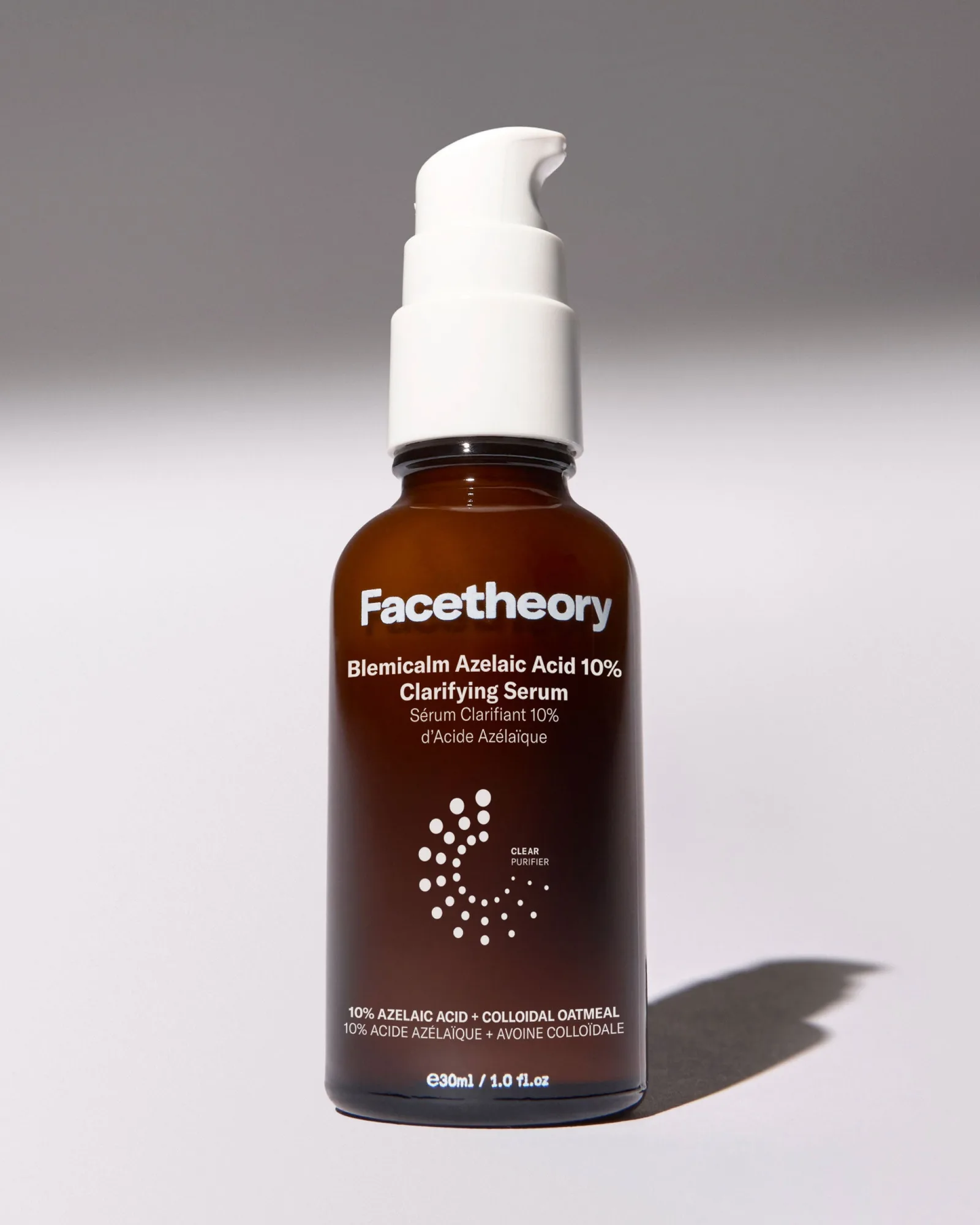
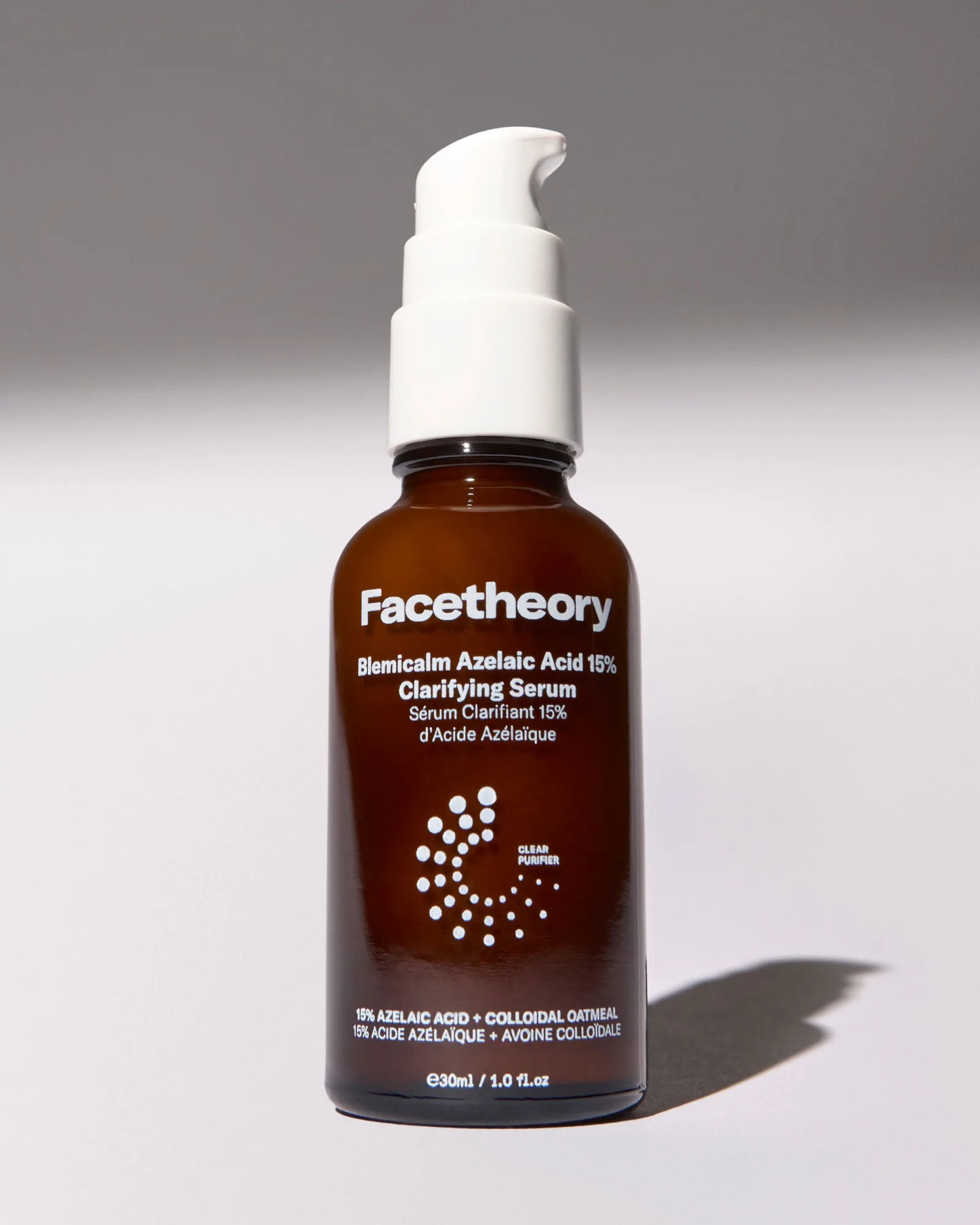
Choosing between a serum and an oil depends on your skin type and current needs. For oily or acne-prone skin, a lightweight serum like the Blemicalm Azelaic Acid 15% Clarifying Serum can help calm breakouts and reduce redness without adding excess oil. For dry or dehydrated skin, a hydrating serum such as the Hyaluronic Acid 2% Plumping Serum can provide deep moisture, followed by a nourishing oil to seal it in.
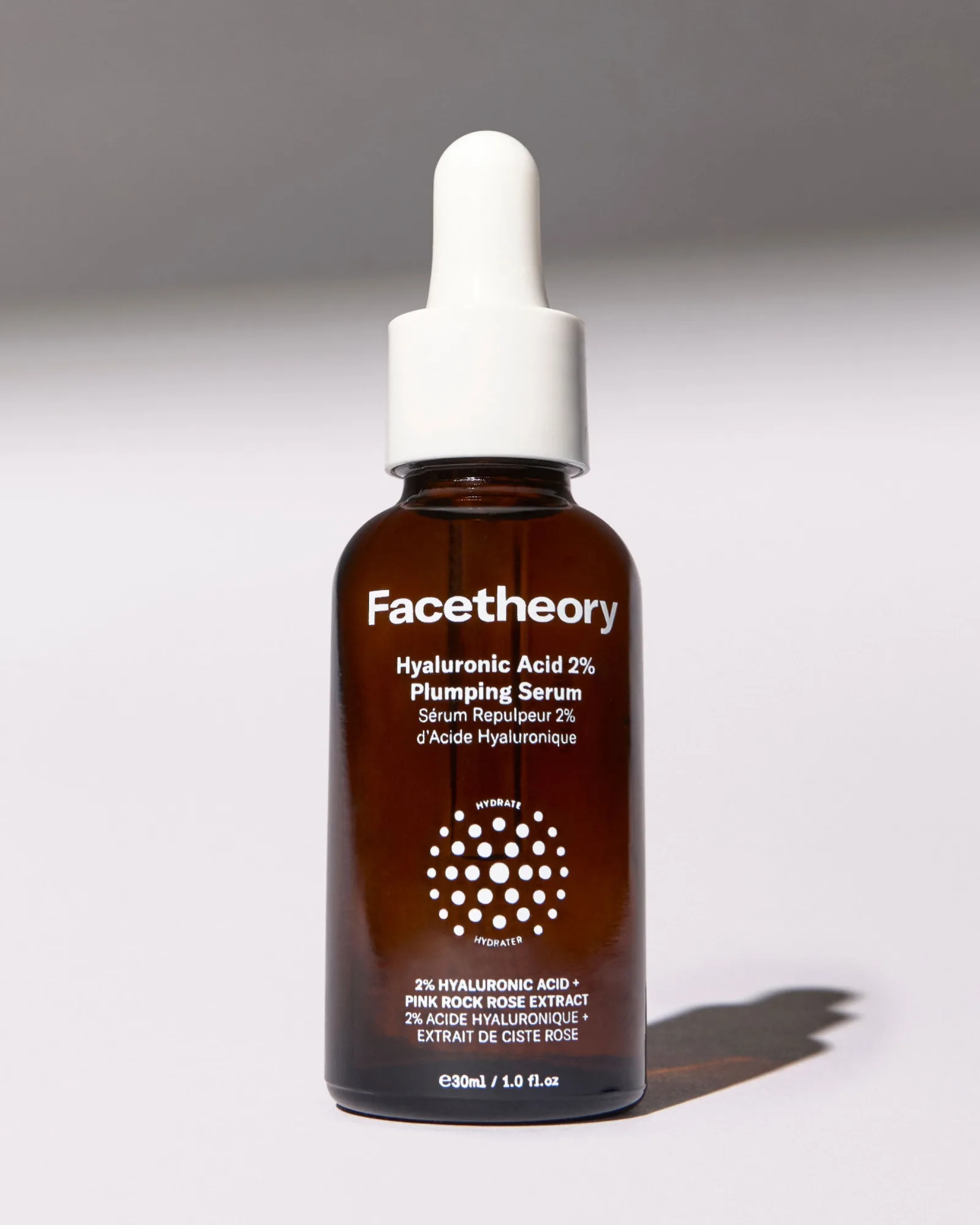
Hyaluronic Acid 2% Plumping Serum
If you have combination skin, you might use a serum all over and apply oil only to drier areas like the cheeks. For mature skin, combining a peptide-rich serum with a face oil can boost collagen and improve firmness. The Retinol Firming Moisturiser 0.3% is a hybrid product that combines the benefits of a serum and a moisturiser, making it a great option for those who want anti-aging benefits without extra steps.
- Oily skin: opt for serums over heavy oils
- Dry skin: layer a hydrating serum under a facial oil
- Mature skin: combine a peptide or retinol serum with a nourishing oil
How to Layer Serums and Oils Correctly
Layering skincare products in the right order is essential for maximum efficacy. The general rule is to apply products from thinnest to thickest consistency. Start with a toner, then apply your serum while the skin is still slightly damp to enhance absorption. Follow with a moisturiser if needed, and finish with a face oil to lock everything in. If you use a retinol or exfoliating serum, apply it before any oil to avoid diluting its potency.
For daytime, you might skip the oil if you have oily skin or if you're applying sunscreen. At night, a few drops of oil can work wonders for overnight repair. Remember that a little goes a long way with oils—usually 2-3 drops pressed into the skin is enough.
- Order: cleanse → tone → serum → moisturiser → oil
- Use oils sparingly, especially if you have oily skin
- Adjust layering based on your skin's needs and time of day
Can You Use Both in One Routine?
Absolutely. In fact, using a serum and an oil together can give you the best of both worlds. The serum delivers potent ingredients deep into the skin, while the oil seals them in and provides lasting hydration. This combination is especially beneficial for dry or mature skin types. For example, you could apply a brightening serum like the Glow-C Tranexamic 5% Serum in the morning to even out skin tone, then follow with a lightweight oil for a dewy finish.
If you're concerned about clogging pores, choose non-comedogenic oils and water-based serums. Patch test new products to ensure they work well with your skin. With the right pairing, you can achieve a balanced, glowing complexion without irritation.
- Serum + oil can be a powerful duo
- Choose non-comedogenic options if you have acne-prone skin
- Always patch test new combinations
Deciding between a serum and an oil doesn't have to be complicated. By understanding their unique roles and how to layer them, you can tailor your routine to your skin's exact needs. Whether you're looking to hydrate, brighten, or protect, Facetheory offers a range of serums and oils that work beautifully together. Start with a targeted serum and finish with a nourishing oil to unlock your skin's full potential.