Quick answer
To set makeup without cakiness, apply translucent finishing powder in thin layers with a light hand, and only where you need shine control. Let your base settle first, then press—don’t sweep—the powder into the skin.
Why powder turns cakey in the first place
Cakiness is rarely caused by the powder alone. It usually comes from too much product sitting on top of a base that hasn’t fully set, or from applying powder with a heavy hand. A pressed translucent powder like Zoeva Set & Forget is designed to mattify and blur with an invisible finish, but it still needs a thin layer to work that way.
The fix is not to avoid powder altogether—it’s to control how much you use and where. If you have dry skin, you may only need powder in the T-zone. If you have oily skin, you can build thin layers gradually rather than applying one thick coat.
The base matters as much as the powder
If your foundation or concealer is still wet or tacky when you powder, the powder can grab unevenly and look patchy. Give your base a minute to settle, or lightly press it with a tissue before powdering. This is especially important around the eyes and nose, where creasing is most visible.
Cream or balm products can also cause powder to ball up if they haven’t been blended fully. Use a smaller amount of cream product in areas you plan to powder, and avoid layering powder directly over a thick cream texture.
When to stop powdering—and when to choose a different product
Stop adding powder once the skin looks matte but still feels like skin. If you see visible powder texture, you’ve gone too far—buff gently with a clean brush to lift excess. If your skin feels tight or looks flat after powdering, you may need a lighter hand or a more hydrating base underneath.
If you’ve tried thin layers and still get cakeiness, the issue may be your application tool. A dense brush or a damp sponge can deposit too much powder at once. A fluffy brush used with a tapping motion gives more control. If your powder consistently looks dry or heavy, consider whether a pressed translucent formula suits your skin type better than a loose powder, or vice versa.
Diagnose your cakey powder problem
- Symptom: powder looks patchy and uneven: Likely cause: base was still tacky or cream products weren’t blended. Corrective action: let base settle for a minute, then press—don’t sweep—a small amount of powder with a fluffy brush. Stop when the surface looks even; if patchiness remains, remove excess with a clean brush and reapply less.
- Symptom: fine lines look more visible after powdering: Likely cause: too much powder settled into creases. Corrective action: use a tiny amount only around the eyes, tap off excess, and press gently. If lines still look emphasized, skip powder there and use a setting spray instead.
- Symptom: skin feels tight or looks flat: Likely cause: powder applied all over dry areas. Corrective action: limit powder to the T-zone and use a hydrating base underneath. If tightness persists, switch to a more emollient foundation or use powder only where needed. If your skin still feels tight after trying these steps, a different powder formula may suit you better.
- Symptom: powder looks white or ashy in photos: Likely cause: too much translucent powder or an incompatible base. Corrective action: reduce the amount and blend well. If flashback continues, check whether your foundation and powder layers are compatible; a lighter application often solves it.
Product facts
-
Set & Forget Pressed Translucent Finishing Powder (Universal): Pressed translucent finishing powder with a lightweight, long-lasting texture that mattifies, blurs, and brightens. A pressed format lets you control pickup easily, which helps you apply thin layers and avoid over-powdering.
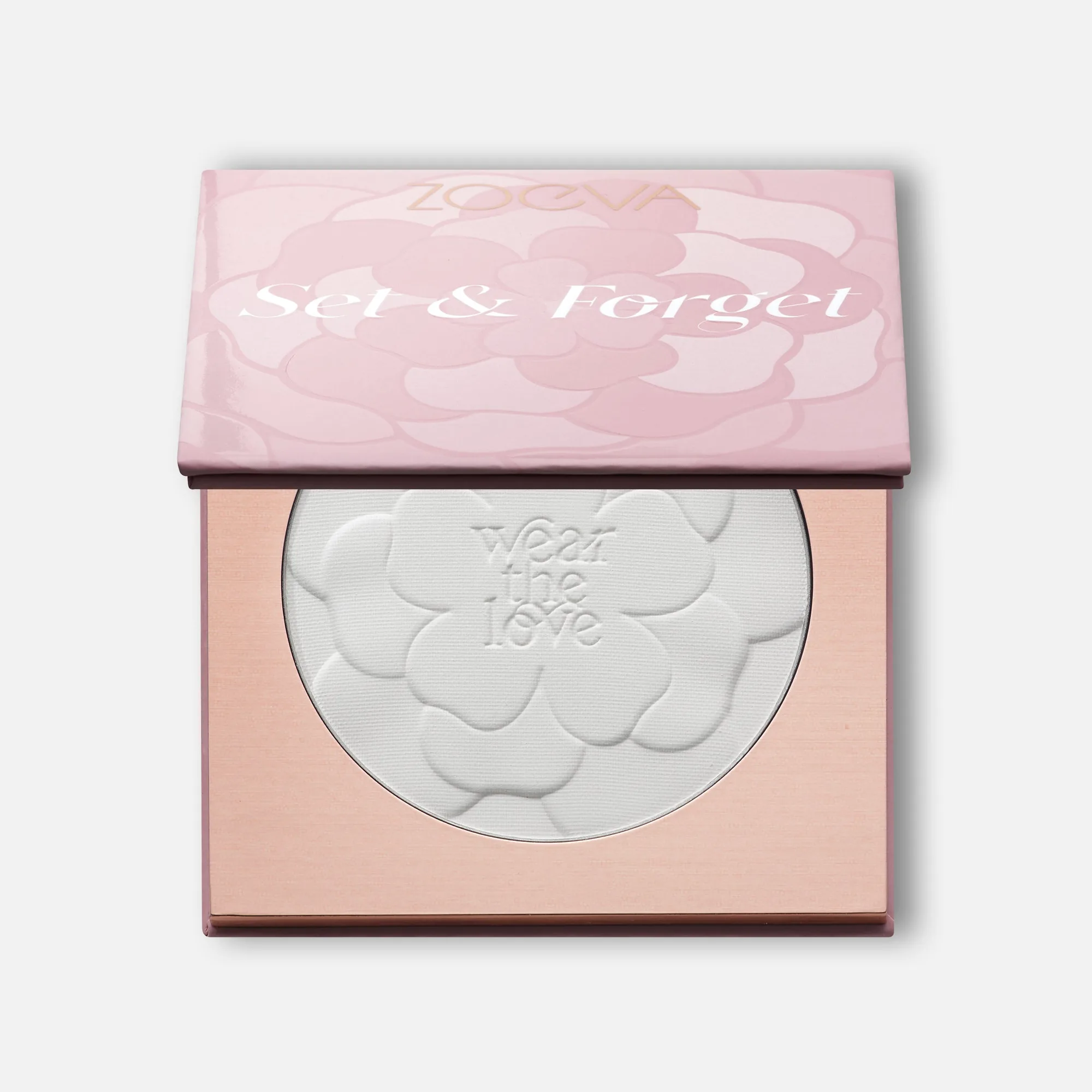
Set & Forget Pressed Translucent Finishing Powder (Universal)
-
Set & Forget Pressed Translucent Finishing Powder (Universal): Enriched with hyaluronic acid and lavender water to help keep skin hydrated. Hydrating ingredients can make powder feel less tight on dry skin, but you still need to apply it sparingly to prevent cakiness.