Build the night around missions, not a one-off score
Shadowrun: Takedown is a cooperative board game in which players take on the roles of members of a runner team and embark on a series of missions that build to form an exciting story in the Sixth World. That structure is the key to a heist night: instead of treating the evening as a single break-in, plan it as a chain of missions that escalates.
Because the game is cooperative, everyone at the table is on the same runner team. Plan for players to talk through objectives together, lean on their individual skills, and keep the story moving from one mission to the next.
What Takedown brings to a heist night
-
Shadowrun: Takedown: Shadowrun: Takedown puts the tense, team-based Shadowrun experience into a fast-moving board game format. A fast-moving format suits a single evening: you can plan several missions without the night turning into a campaign-length commitment.
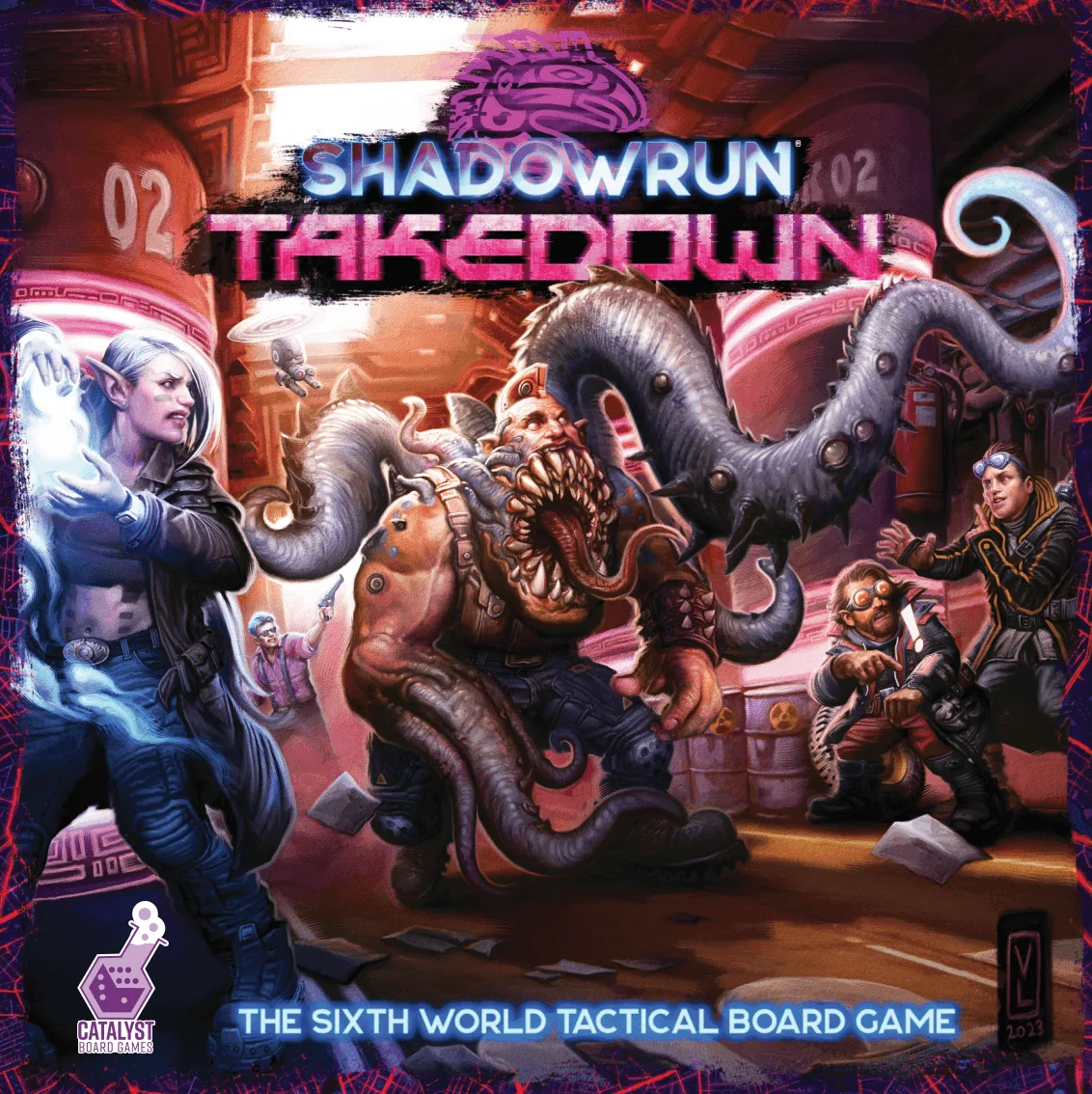
Shadowrun: Takedown
-
Shadowrun: Takedown: In this cooperative game, players take on the roles of members of a runner team and embark on a series of missions that build to form an exciting story in the Sixth World. The series-of-missions structure gives your heist night a natural arc, so plan the evening around progressing through missions rather than a standalone scenario.
-
Shadowrun: Takedown: Players have to think fast and beat the clock to carry out their objectives, and their teamwork and employment of their individual skills will determine their success. The clock is part of play, so build your session plan around quick decisions and clear team roles instead of long planning phases.
Set up the evening in four moves
- Pick a mission chain: Choose the missions you want to play so they build into a story, matching the game's supplied structure. Decide before game night how many missions you hope to finish.
- Assign runner roles: Since players use individual skills as part of a team, talk through who is taking which runner and what each brings before the first mission starts.
- Explain the clock: Tell the table that objectives are carried out against the clock. Agree on how you will track time so the pressure stays visible without constant rules debate.
- Debrief between missions: Use the gap between missions to recap what happened, adjust roles if needed, and set up the next part of the story.
Keep the table moving when the clock is tight
The game asks players to think fast and beat the clock, so the biggest risk to a heist night is over-planning. Set a short discussion window before each mission, then commit. Encourage players to call out their runner's skills and propose actions rather than waiting for a perfect plan.
If a mission goes badly, resist the urge to restart. The supplied description frames the game as a series of missions that build a story, so treat setbacks as part of the night's narrative and move on to the next mission.
What to confirm before you sit down
- Player count and age range: The supplied product information does not state a player count or age range for Shadowrun: Takedown. Check the box or listing before inviting your group.
- Mission components: The catalog description mentions missions and objectives but does not list specific components. Open the box ahead of time so you know what you are working with.
- Time per mission: No playtime is supplied, so plan a buffer and decide in advance how many missions fit your evening.
Where Takedown fits in your Shadowrun rotation
If your group already plays Shadowrun roleplaying games, Takedown offers a board-game version of the same team-based tension. If you have played Shadowrun Edgezone: Mayhem, Takedown is a different cooperative format, so do not assume the setup or mission flow carries over. Use Takedown when you want a heist night with a clear mission chain and a clock pushing the team forward.