Why your shampoo bar may not lather
If your shampoo bar isn't producing the foam you expect, the cause is usually one of three things: not enough water, not enough friction, or the minerals in your water. A bar shampoo is a concentrated product, so it needs water and movement to turn into lather. Hard water contains minerals that can interfere with soap and surfactant lather, making even a good bar feel flat. The fix is rarely a different bar—it's adjusting how you use it.
The Meow Meow Tweet Shampoo Bar is formulated with rich avocado oil and aloe vera to condition and soften, plus rosemary and hops flowers to promote shiny, bright hair. It's designed to produce a rich lather and a sweet, herbal scent. If you're not seeing that lather, work through the checks below before assuming the bar is faulty.
How to get a better lather from a shampoo bar
- Wet your hair thoroughly: Soak your hair from roots to ends. A bar needs water to create lather, and dry patches will stop foam from forming.
- Wet the bar itself: Run the bar under warm water before you start. A dry bar can feel slick and unresponsive on the first pass.
- Rub the bar directly onto your scalp and hair: Use gentle, circular strokes along the scalp and down the lengths. The friction helps release the product.
- Add water as you go: If the bar starts to drag, add a splash of water to your hair or the bar. Lather builds gradually with water, not with more product.
- Massage with your fingers: Work the product through your hair with your fingertips. This mechanical action is what turns the product into foam.
- Rinse and repeat if needed: For very dirty or product-heavy hair, a second pass with the bar often lathers more easily because the first pass has already loosened buildup.
Hard water and your shampoo bar
Hard water is a common reason a shampoo bar feels like it isn't working. The minerals in hard water can react with the ingredients in the bar and reduce lather, leaving a film that makes hair feel waxy or coated. This isn't a defect in the bar—it's a water chemistry issue. If you suspect hard water, try a final rinse with soft or filtered water, or use a water filter on your showerhead. You can also test a small amount of the bar in distilled water to see if lather improves; if it does, your tap water is likely the culprit.
Why hair feels waxy after using a shampoo bar
A waxy or coated feeling after rinsing is often a sign of residue rather than the bar itself. It can come from hard water minerals, from not rinsing thoroughly, or from using too much product. The Shampoo Bar is formulated to nourish hair and scalp with avocado oil and aloe vera, which can leave a soft, conditioned feel—but if that feel crosses into waxy, check your rinse and your water first.
To reduce waxy residue, rinse longer than you think you need to, and make sure you're not layering the bar on too thickly. If you have hard water, a diluted apple cider vinegar rinse (one part vinegar to several parts water) can help remove mineral buildup, but patch-test first and avoid it if you have a sensitive scalp. The supplied information for the Shampoo Bar does not include specific instructions for vinegar rinses or hard-water treatments, so treat this as general troubleshooting rather than a manufacturer directive.
What the Shampoo Bar is designed to do
-
Shampoo Bar: Formulated to nourish hair and scalp with rich avocado oil and aloe vera to condition and soften. Explains why the bar may feel conditioning rather than stripping, which can be mistaken for waxy residue if not rinsed well.
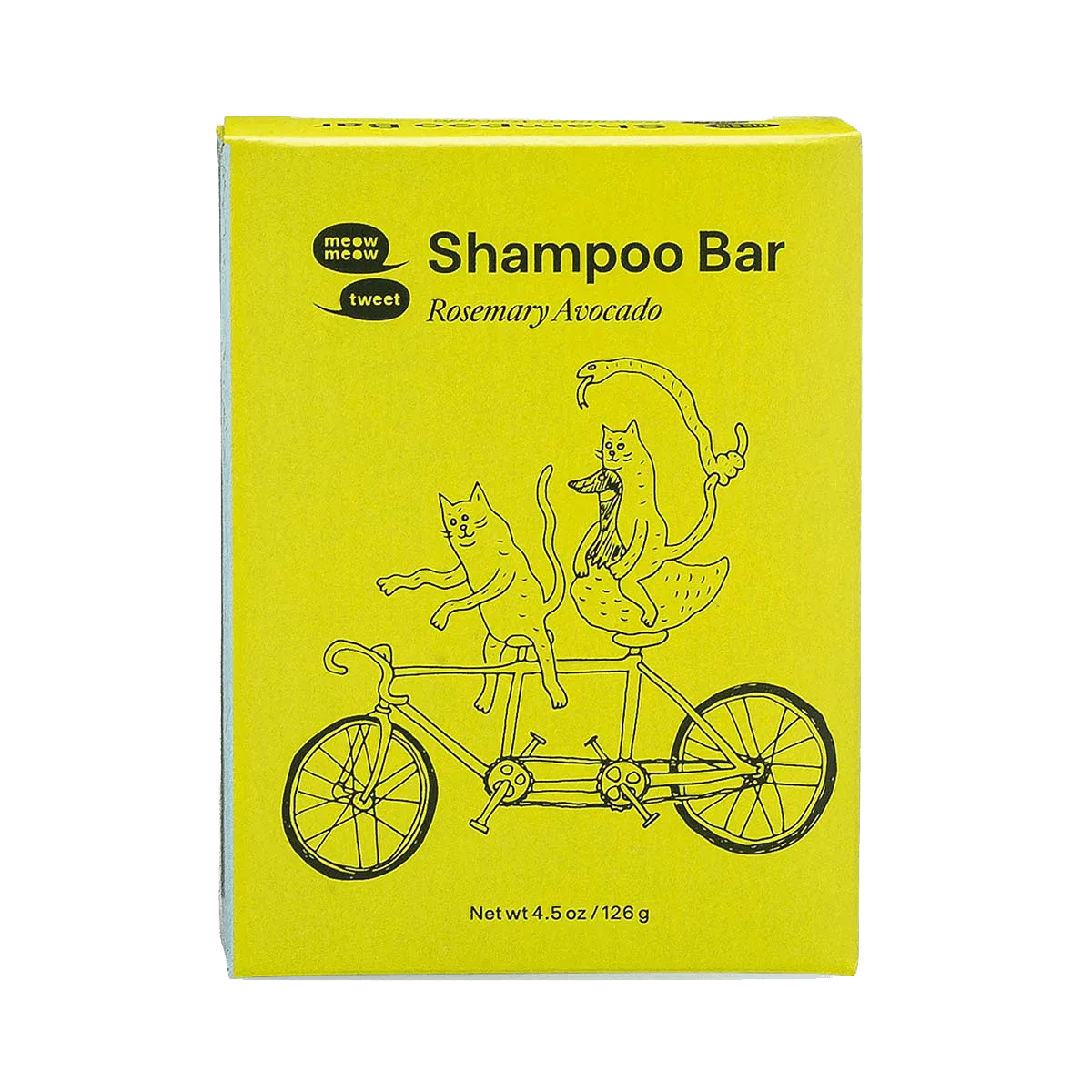
Shampoo Bar
-
Shampoo Bar: Contains rosemary and hops flowers to promote shiny, bright hair. These are the botanical ingredients behind the bar's herbal scent and its hair-focused positioning.
-
Shampoo Bar: Designed to produce a rich lather with a sweet, herbal scent. If you're not getting that lather, the issue is likely technique or water rather than the formula's intent.
-
Shampoo Bar: Can be used on your whole body as well as your hair. A bar that doubles as a body soap can be a practical way to test lather without wasting a hair wash.
Using a shampoo bar correctly: what to avoid
A few habits can make a shampoo bar underperform. Storing it in a puddle of water between uses can soften it and reduce its effectiveness. Leaving it in direct shower spray can waste product. And rubbing it vigorously against tangled hair can cause breakage without improving lather. Instead, keep the bar dry between uses, apply it to wet hair in gentle strokes, and let water and friction do the work.
The Shampoo Bar comes in a 4.5 oz size in the Rosemary Avocado scent. Because it's a solid bar without a bottle, it produces less waste than a standard liquid shampoo—but that also means it needs to be kept dry to last. A draining soap dish or a soap saver bag can help.
Quick troubleshooting checklist
- Lather is thin or disappears quickly: Add more water and more friction. Wet the bar, wet your hair, and massage longer before adding more product.
- Hair feels waxy after rinsing: Rinse more thoroughly and check for hard water. A second rinse with soft water can help.
- Bar feels slippery and won't deposit product: The bar may be too wet or stored in water. Let it dry between uses and try again on freshly wet hair.
- Lather works on body but not hair: Hair can carry more buildup than skin. Try a second pass with the bar, or use a clarifying rinse if you have hard water.
- Scent seems faint: The sweet, herbal scent is part of the formula. If it seems weak, the bar may be older or stored in a humid spot; keep it dry to preserve the scent.
When to consider a different approach
If you've tried more water, more friction, and a soft-water rinse and your shampoo bar still won't lather, your water may be very hard, or your hair may have heavy buildup from other products. In that case, a occasional clarifying wash with a liquid shampoo can reset your hair, and you can return to the bar afterward. The Shampoo Bar is also designed for whole-body use, so you can still get value from it as a body bar even if it's not your ideal hair wash.
Remember that the supplied information for this bar does not include specific instructions for hard-water treatment, vinegar rinses, or frequency of use. Use the troubleshooting steps above as general guidance, and patch-test any new rinse on a small area first.