Quick answer
For most people with thin hair, a liquid volumizing shampoo is the easier place to start because it lathers quickly and is simple to distribute through fine strands. Choose a volumizing shampoo bar if you want less plastic packaging and don’t mind a slightly different washing routine that takes a few tries to master.
Why the format changes more than the ingredients
Both options here are designed for thin hair and contain volumizing ingredients, but the bar format asks you to build lather in your hands rather than directly on your scalp. That extra step can feel slower at first, yet it also gives you more control over how much product you use—a real advantage if liquid shampoo tends to weigh down fine hair.
Liquid shampoo, by contrast, is familiar and fast: you pour, massage, and rinse. The trade-off is packaging. If reducing plastic waste is a priority, the bar has a clear edge, but you’ll need to store it dry between uses so it doesn’t dissolve prematurely.
The volumizing ingredients are similar, but the experience differs
The liquid shampoo uses soy protein for shine and volume, plus cranberry extract and watercress to support healthy-looking hair. The conditioner bar (a common companion to bar shampoo) relies on argan oil and Indian cress extract to hydrate without heaviness.
Neither format is inherently better for volume; the difference is in how you apply them. A bar can be more concentrated, so you may need less product per wash, while a liquid is easier to spread evenly through long or dense hair. If your hair is very fine and prone to buildup, start with a small amount and adjust.
A note on fragrance and options
Both products come in a choice of fragrance and format, so you can match your preference. If you’re sensitive to scent, check the specific fragrance option before buying—neither product is fragrance-free by default.
Key trade-offs to weigh
- Ease of use: Liquid shampoo wins for speed and familiarity: pour, lather, rinse. A shampoo bar requires rubbing between hands or directly on hair to build lather, which can take practice. If you value a fast, no-fuss wash, start with liquid.
- Packaging waste: A shampoo bar typically comes with minimal or no plastic packaging, while liquid shampoo comes in a bottle. The bar is the lower-waste option if that matters to you. Choose the bar if reducing plastic is a top priority.
- Travel and storage: Bars are solid and leak-proof, making them ideal for travel, but they need a draining dish at home to stay dry. Liquid bottles can leak but are resealable and familiar. Frequent travelers may prefer the bar; home users should plan for proper storage.
- Cost per wash: The liquid shampoo is priced at $14.76 for 32 fl. oz., while the conditioner bar is $11.17 for 3 oz. A little bar goes a long way, but how long it lasts depends on use. Compare price per use rather than sticker price alone.
Product facts
-
Volumizing Shampoo -32 FL. OZ.: Formula contains soy protein for shine and volume, plus cranberry extract and watercress. These ingredients target volume and healthy-looking hair, making it a straightforward choice if you want a traditional liquid format.
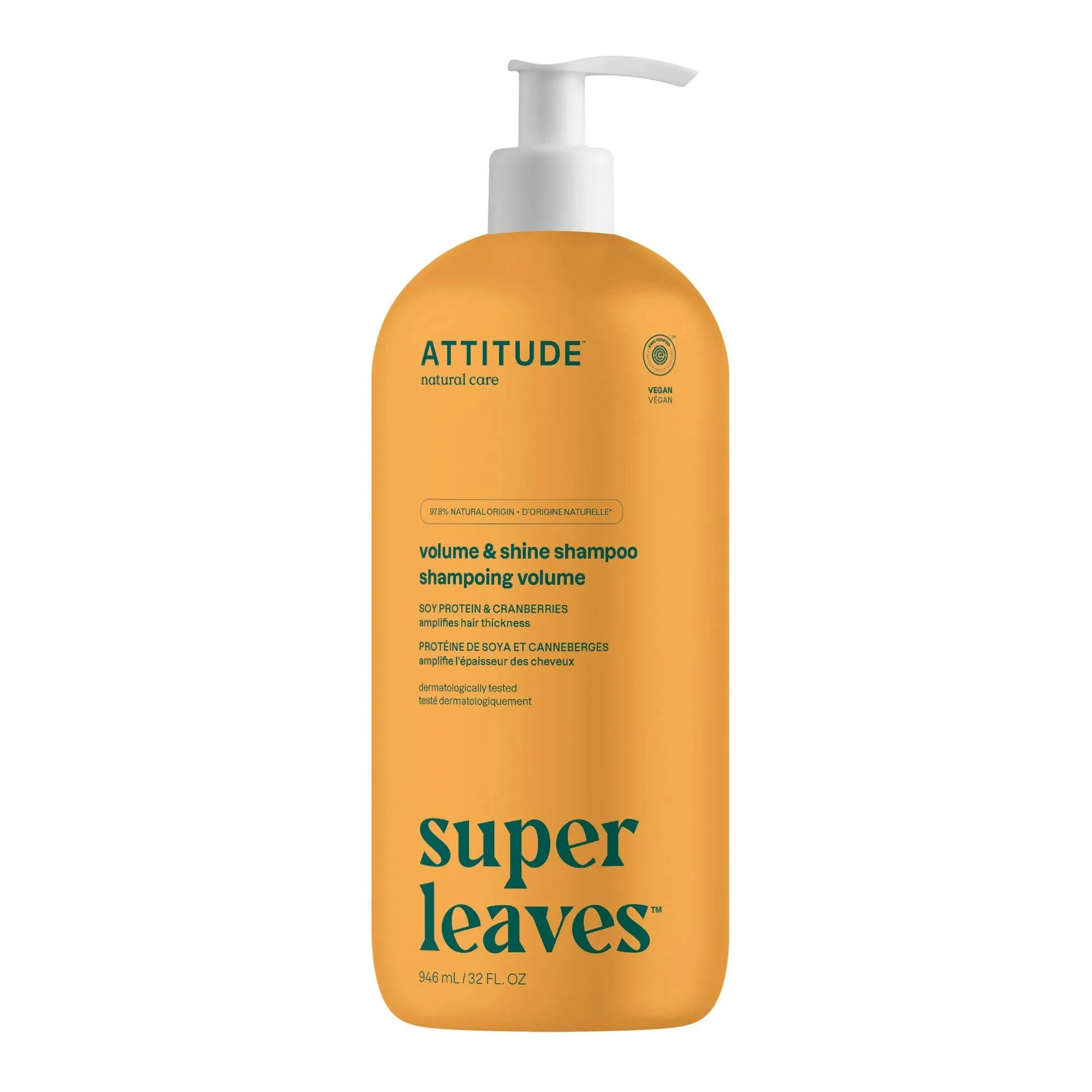
Volumizing Shampoo -32 FL. OZ.
-
Volumizing Conditioner - Bar -3 OZ.: Conditioner bar is vegan, made with 95% naturally derived ingredients, and enriched with argan oil and Indian cress extract. It offers a plastic-free conditioning step that hydrates without weighing down fine hair, pairing well with a bar shampoo routine.
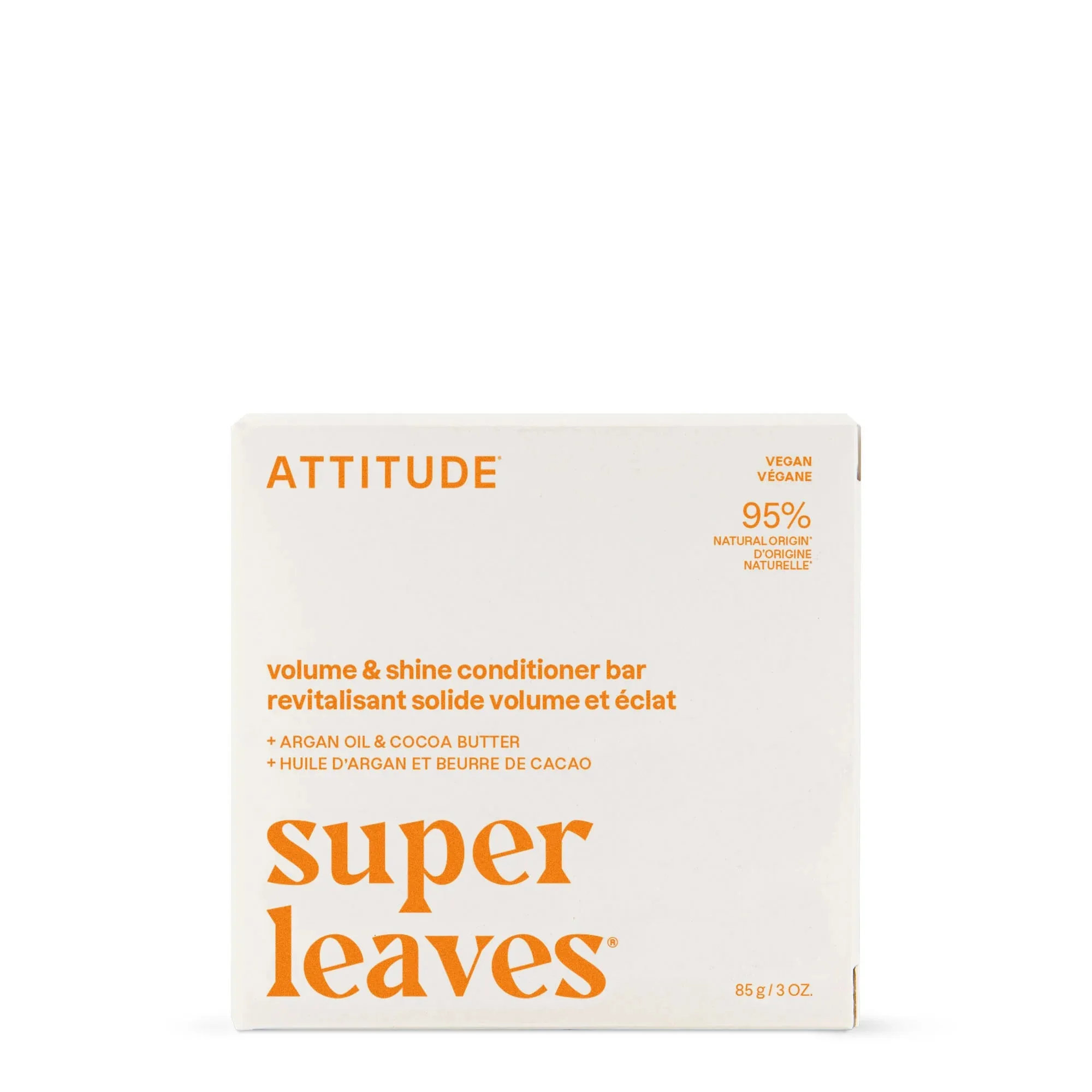
Volumizing Conditioner - Bar -3 OZ.
Which should you choose?
Best for
- People who want a quick, familiar washing routine with easy lathering
- Those who prefer a liquid format and don’t mind plastic packaging
Not for
- Anyone prioritizing zero-waste packaging
- Travelers who want a leak-proof, solid option