Quick answer
Shampoo and conditioner serve different jobs: shampoo removes oil, dirt, and product buildup from your scalp and strands, while conditioner replenishes moisture and smooths the hair cuticle. Most people benefit from using both, but if you have very fine hair or wash daily, you might condition only the mid-lengths and ends. Skipping shampoo entirely (co-washing) works for some curly or coily types, but it can lead to buildup on the scalp over time.
If you've ever stood in the shower staring at two bottles and wondered whether you really need both, you're not alone. Shampoo and conditioner are the most basic hair care duo, yet their roles are often misunderstood. The short version: shampoo is a cleanser, and conditioner is a moisturizer. They address different needs, and using them correctly makes a noticeable difference in how your hair looks and feels.
This guide breaks down the difference between shampoo and conditioner, explains whether you can use conditioner without shampoo, and helps you decide on a shampoo and conditioner routine that fits your hair type and lifestyle.
What Does Shampoo Do?
Shampoo is formulated with cleansing agents (surfactants) that lift away sebum, sweat, styling products, and environmental dirt from your scalp and hair. It creates foam that traps oil and debris so water can rinse them away. Without shampoo, residue builds up, which can make hair look flat, dull, or greasy.
Not all shampoos are the same. Some are clarifying and remove heavy buildup, while others are moisturizing and gentle for dry or color-treated hair. For example, the https://jvnhairstore.shop/products/embody-volumizing-shampoo-jumbo-258714Embody Volumizing Shampoo Jumbo is designed for thin or fine hair—it gently clarifies to remove buildup without weighing hair down, which is key for adding volume. In contrast, the https://jvnhairstore.shop/products/nurture-hydrating-shampoo-travel-258716Nurture Hydrating Shampoo Travel focuses on moisturizing dry, coarse, or damaged hair while being color-safe.
- Shampoo cleanses the scalp and hair, but it can strip natural oils if used too often or with harsh formulas.
- Choose a shampoo that matches your scalp and hair type: volumizing for fine hair, hydrating for dry hair.
What Does Conditioner Do?
Conditioner works after shampoo to restore moisture and smooth the hair cuticle. Shampoo can leave the hair slightly rough and stripped of natural oils, especially if you have dry or textured hair. Conditioner coats the strands with emollients and humectants, which helps reduce frizz, increase softness, and make detangling easier.
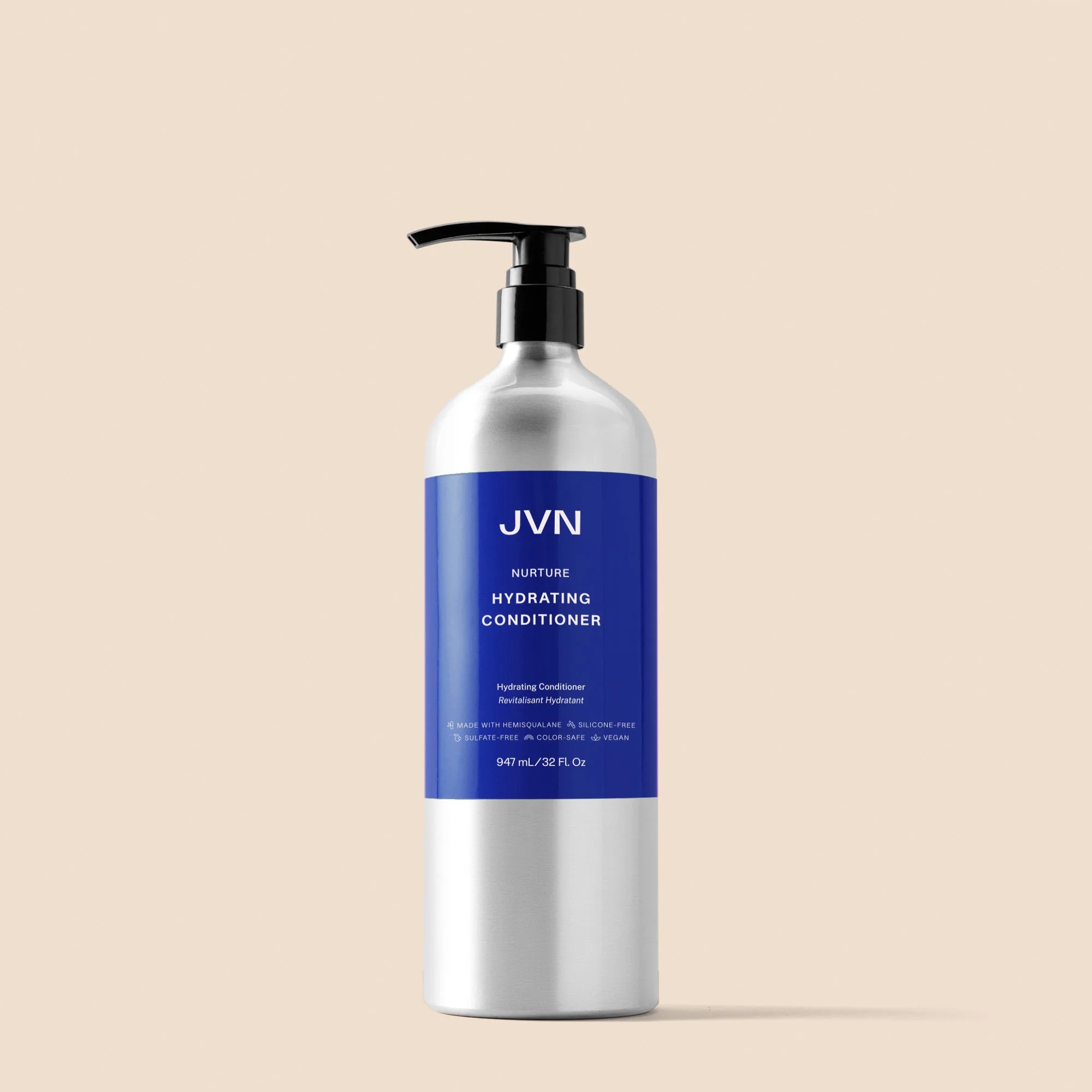
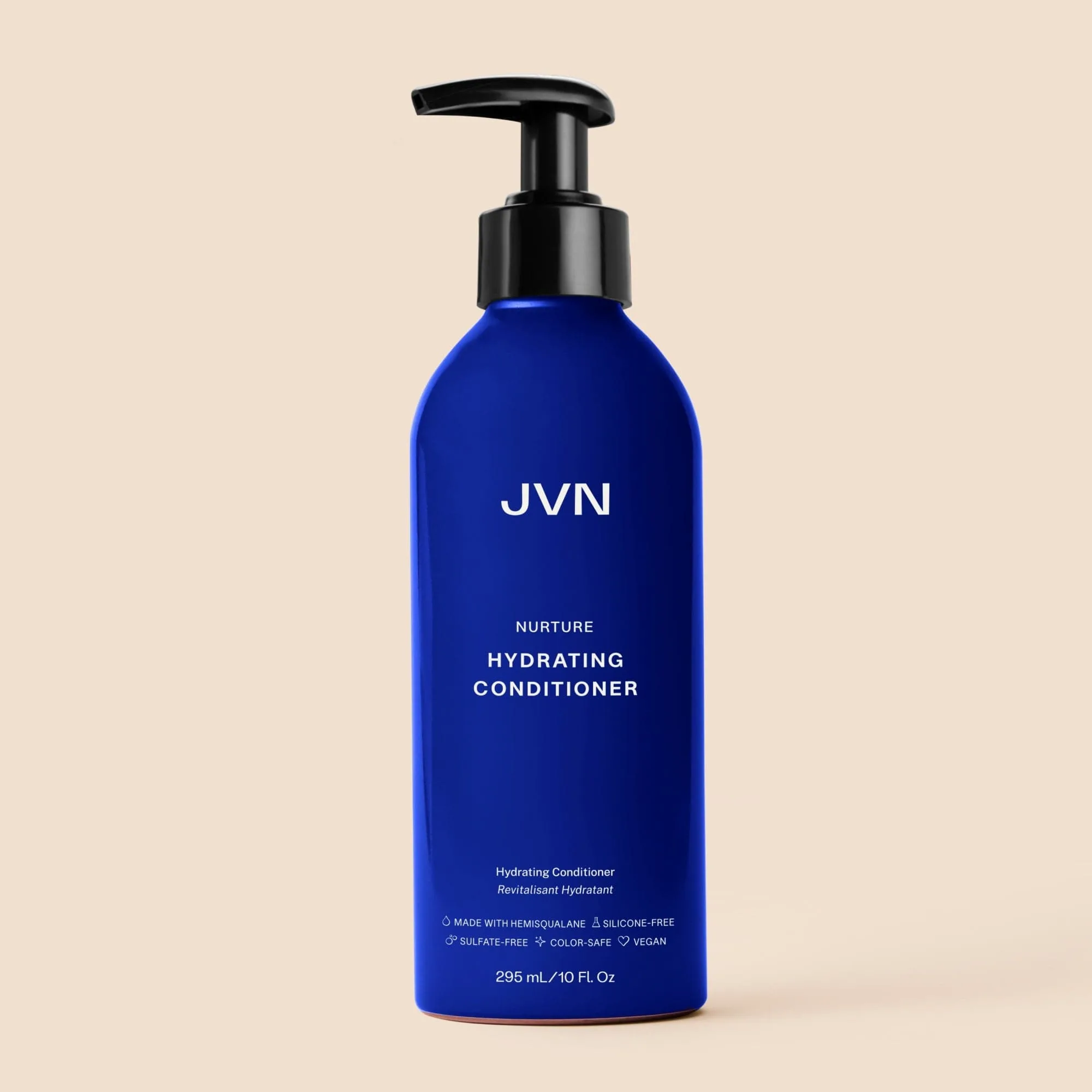
Conditioners vary in weight. A heavy conditioner is ideal for coarse, curly, or damaged hair, while a light formula suits fine hair that gets weighed down easily. For instance, the Nurture Hydrating Conditioner Jumbo is formulated for coarse, coily, wavy, and thinning hair types. It's silicone-free and color-safe, so it deeply nourishes without leaving buildup.
- Apply conditioner mainly to the mid-lengths and ends, not the scalp, unless your scalp is very dry.
- Leave it on for 1-3 minutes for deeper hydration, then rinse thoroughly.
Do You Really Need Both?
The short answer is: for most hair types, yes. Shampoo and conditioner are a system—one cleanses, the other replenishes. Skipping conditioner can leave hair dry and tangly, especially if you have curly or color-treated hair. Skipping shampoo (co-washing) can save moisture but may lead to scalp buildup, which can cause itching or dullness.
However, the frequency and combination depend on your hair. If you have very fine hair that gets oily quickly, you might shampoo daily and use conditioner only on the ends. If you have thick, curly, or dry hair, you might shampoo less often and rely on a rich conditioner each time. The key is to listen to your hair and adjust.
A practical approach is to keep a travel-size shampoo and conditioner for on-the-go, and a jumbo size for home to save money and reduce waste. For example, the Embody Volumizing Shampoo Travel and Nurture Hydrating Conditioner Jumbo can cover both needs if you have fine hair that needs volume but dry ends that need moisture.
- If you have oily scalp but dry ends, shampoo the scalp and condition only the ends.
- If you have curly or coily hair, consider washing with conditioner more often and using shampoo once a week.
The trade-off: cleansing vs. moisturizing
- Shampoo-first approach: Shampoo cleanses the scalp and removes buildup, which is essential for healthy hair growth. But it can strip natural oils, leaving hair dry and brittle if you don't follow with conditioner. Always condition after shampooing to restore moisture.
- Conditioner-only (co-washing): Skipping shampoo preserves natural oils and moisture, which is great for very dry or curly hair. However, it doesn't remove product buildup or excess oil from the scalp, which can lead to clogged follicles and an itchy scalp over time. If you co-wash, use a clarifying shampoo once a week or every other week.
- Balanced routine: Using a gentle shampoo and a conditioner matched to your hair type gives you the best of both: a clean scalp and hydrated strands. Adjust frequency based on your oiliness and dryness. Most people benefit from washing 2-3 times a week and conditioning each time.
Real product examples
- Embody Volumizing Shampoo Jumbo: Thickening and volumizing shampoo designed for thin or fine hair. Gently clarifies to remove buildup without weighing hair down. Paraben-free, silicone-free, and vegan. Jumbo size offers more value. If your hair falls flat quickly, this shampoo helps remove residue that can make fine hair look limp, while still being gentle enough for regular use.
- Nurture Hydrating Conditioner Jumbo: Instantly moisturizing and deeply nourishing, formulated for coarse, coily, wavy, and thinning hair types. Safe for color-treated hair, silicone-free, and vegan. Jumbo size for extended use. For dry or textured hair, this conditioner provides the heavy hydration needed to prevent breakage and frizz, and the jumbo size means you won't run out quickly.
Which routine is right for you?
Best for
- People with normal to oily hair who need daily or every-other-day cleansing without weight.
- Those with fine hair that needs volume and lightweight moisture from a conditioner.
Not for
- People with very dry, curly, or coily hair who may need to skip shampoo more often and rely on heavy conditioners.
Understanding the difference between shampoo and conditioner helps you build a routine that keeps your scalp clean and your hair hydrated. You don't always need both every day, but having the right pair for your hair type makes a big difference. Start by evaluating your scalp's oiliness and your hair's dryness, then choose products that address those needs—and don't be afraid to adjust as the seasons change.