When it comes to protecting your valuable tech, the choice between a shield case insert and a standard laptop sleeve can feel overwhelming. Both promise to safeguard your device from bumps, scratches, and drops, but they approach protection in fundamentally different ways. Whether you’re a frequent traveler, a student, or a gaming enthusiast, understanding these differences is key to making the right purchase.
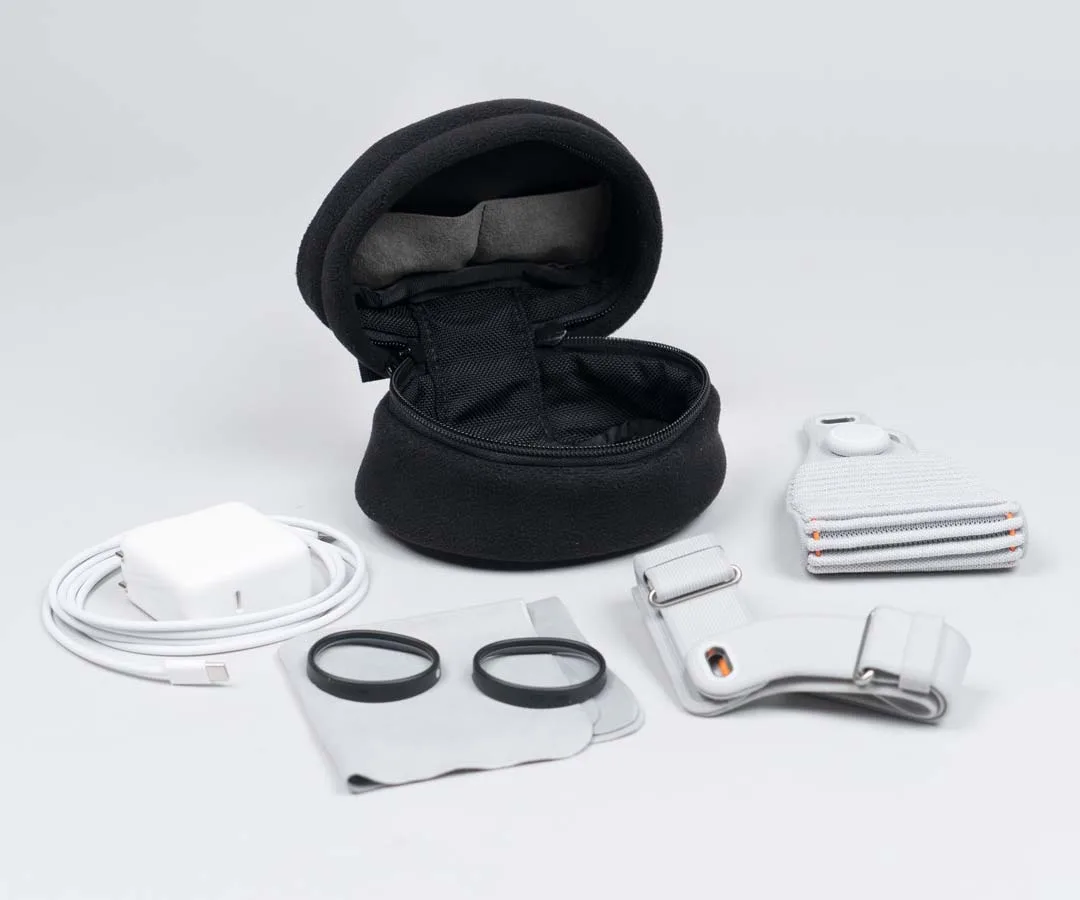
shield case insert
In this article, we break down the design, materials, and real-world performance of shield case inserts versus standard sleeves. We’ll also highlight how products like the CitySlicker Case for Steam Deck and the Magnetic Case for ROG Xbox Ally X fit into the protection landscape, helping you decide which solution best matches your lifestyle.
What Is a Shield Case Insert?
A shield case insert is a rigid or semi-rigid protective shell designed to encase your device completely. Unlike a standard sleeve, which is essentially a padded pouch, a shield case insert offers 360-degree protection. It typically features a hard outer shell made from materials like polycarbonate or reinforced ABS plastic, combined with a soft inner lining to prevent scratches. The insert often includes precise cutouts for ports, buttons, and ventilation, ensuring you can use your device without removing the case.
This type of protection is ideal for gaming handhelds like the Steam Deck, ROG Ally X, and Lenovo Legion Go 2, where drop protection and dust resistance are critical. Many shield case inserts also incorporate a magnetic closure or a zippered lid for added security. For example, the CitySlicker Case for Steam Deck provides a tailored fit that protects against impacts while maintaining a slim profile, making it a favorite among gamers who travel.
- Rigid outer shell absorbs and disperses impact force
- Precise cutouts allow full access to ports and controls
- Often includes magnetic or zippered closure for secure storage
What Is a Standard Laptop Sleeve?
A standard laptop sleeve is a soft, padded pouch designed to slide your laptop into for basic protection. It is typically made from neoprene, polyester, or leather with a layer of foam padding to cushion against minor bumps and scratches. Sleeves are lightweight, affordable, and easy to slip into a larger bag, making them a popular choice for everyday commuters. They offer adequate protection for brief trips between home and office but lack the structural integrity needed for high-impact drops or heavy compression.
Standard sleeves are best suited for laptops, tablets, and e-readers that are already housed in a protective bag. They are not ideal for gaming handhelds or devices with protruding joysticks, as the soft material can put pressure on analog sticks during transport. For instance, while a sleeve might work for a MacBook, it would not provide the same level of security for a ROG Ally X with its intricate controls.
- Lightweight and easy to carry inside a backpack or tote
- Foam padding protects against light bumps and scratches
- Not recommended for devices with fragile joysticks or buttons
Key Differences in Protection Levels
The primary difference between a shield case insert and a standard sleeve lies in impact resistance. Shield case inserts are designed to withstand drops from waist height, thanks to their rigid construction and shock-absorbing materials. Standard sleeves, on the other hand, offer minimal drop protection—they are more about preventing surface scratches and dust accumulation. For example, dropping a laptop in a sleeve from a desk can still result in damage, whereas a shield case insert for a device like the Magnetic Case for ROG Xbox Ally X can absorb the impact and keep the device safe.
Another key factor is compression resistance. Shield case inserts maintain their shape under pressure, protecting your device from being crushed in a crowded bag. Standard sleeves collapse easily, offering little defense against heavy books or water bottles. Additionally, shield case inserts often include a raised lip around the screen or display area, preventing direct contact with flat surfaces. This is especially important for devices with glass screens, like the Lenovo Legion Go 2, where a sleeve might not provide adequate screen protection.
- Shield inserts: drop-tested from up to 4 feet; sleeves: no drop rating
- Shield inserts: rigid structure prevents crushing; sleeves: compressible
- Shield inserts: raised edges protect screen; sleeves: no screen protection
Which Devices Benefit Most from Each?
For laptops, a standard sleeve is often sufficient if you already carry your device in a padded backpack or messenger bag. However, if you frequently travel with your laptop in a duffel or tote without dedicated padding, a shield case insert offers superior peace of mind. For gaming handhelds like the Steam Deck, ROG Ally X, or Lenovo Legion Go 2, a shield case insert is highly recommended due to the exposed joysticks, triggers, and screen. The CitySlicker Case for Steam Deck is a prime example of a shield case insert that provides precise protection without adding bulk.
For tablets and e-readers, a standard sleeve may be adequate for light use, but a shield case insert can prevent damage from accidental drops. The choice ultimately depends on your lifestyle. If you’re a student or professional who commutes by car, a sleeve might work. But if you’re a cyclist, traveler, or gamer who throws your bag into overhead bins or train racks, a shield case insert is the smarter investment.
- Laptops: sleeve for light commutes, shield insert for heavy travel
- Gaming handhelds: shield insert essential for joystick and screen safety
- Tablets: shield insert recommended for outdoor or high-traffic use
Material and Build Quality Comparison
Shield case inserts are built with durability in mind. They use hard plastics, reinforced corners, and often a soft microfiber interior to prevent scratches. Some models also feature water-resistant coatings. Standard sleeves rely on softer materials like neoprene or polyester, which are comfortable to touch but wear out faster over time. The stitching on sleeves can fray after repeated use, whereas shield inserts are typically molded or bonded for long-term resilience.
In terms of weight, shield case inserts are heavier due to their rigid structure, but this trade-off is worth it for the added protection. Standard sleeves are lighter and more flexible, making them easier to pack. However, for devices like the ROG Ally X, where control sticks are vulnerable, the extra weight of a shield insert like the Magnetic Case for ROG Xbox Ally X is a small price to pay for preventing costly repairs.
- Shield inserts: hard shell, microfiber lining, water-resistant options
- Sleeves: neoprene or polyester, foam padding, lightweight
- Shield inserts: longer lifespan; sleeves: prone to wear and tear
Portability and Everyday Use
Standard sleeves excel in portability—they slide easily into any bag and add minimal weight. They are perfect for quick trips where you just need a scratch barrier. Shield case inserts, while bulkier, often include a carrying handle or a slim design that fits into a larger bag without taking up excessive space. For example, the CitySlicker Case for Steam Deck is designed to be compact enough to fit into a backpack or messenger bag while still offering robust protection.
If you prefer a minimalist carry, a sleeve might suit you. But if you want to grab your device and go without worrying about a drop, a shield case insert is more practical. Many users find that a shield insert actually simplifies their routine—they can toss the insert into any bag without needing additional padding. This is especially true for gamers who switch between handheld and docked modes frequently.
- Sleeves: ultra-portable, easy to store in any bag
- Shield inserts: slightly bulkier but offer standalone protection
- Shield inserts: often include handles for easy carrying
Price and Value Considerations
Standard laptop sleeves are generally more affordable, ranging from $15 to $50 depending on material and brand. Shield case inserts are more expensive, typically costing between $40 and $100, but they offer significantly better protection. When you consider the cost of repairing a cracked screen or a damaged joystick, the investment in a shield insert pays for itself. For instance, the CitySlicker Case for Steam Deck and the Magnetic Case for ROG Xbox Ally X are premium options that justify their price with precision engineering and durable materials.
Value also depends on how often you travel or handle your device. If you rarely leave the house with your tech, a sleeve is fine. But if your device is always on the go, a shield case insert is a smart long-term investment. Additionally, shield inserts often come with a warranty, reflecting their build quality and manufacturer confidence.
- Sleeves: $15-$50, budget-friendly but limited protection
- Shield inserts: $40-$100, premium protection with warranty
- Long-term value: shield inserts prevent costly repairs
Choosing between a shield case insert and a standard laptop sleeve comes down to your device, lifestyle, and risk tolerance. For maximum protection, especially for gaming handhelds and high-value laptops, a shield case insert is the clear winner. Explore the CitySlicker Case for Steam Deck to see how precision-engineered protection can keep your tech safe without sacrificing style.