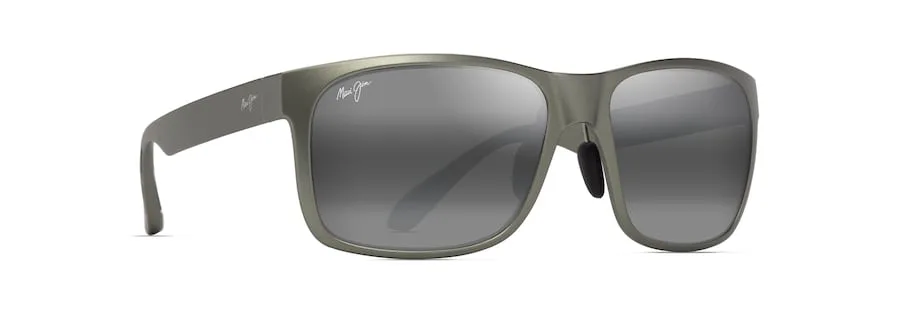
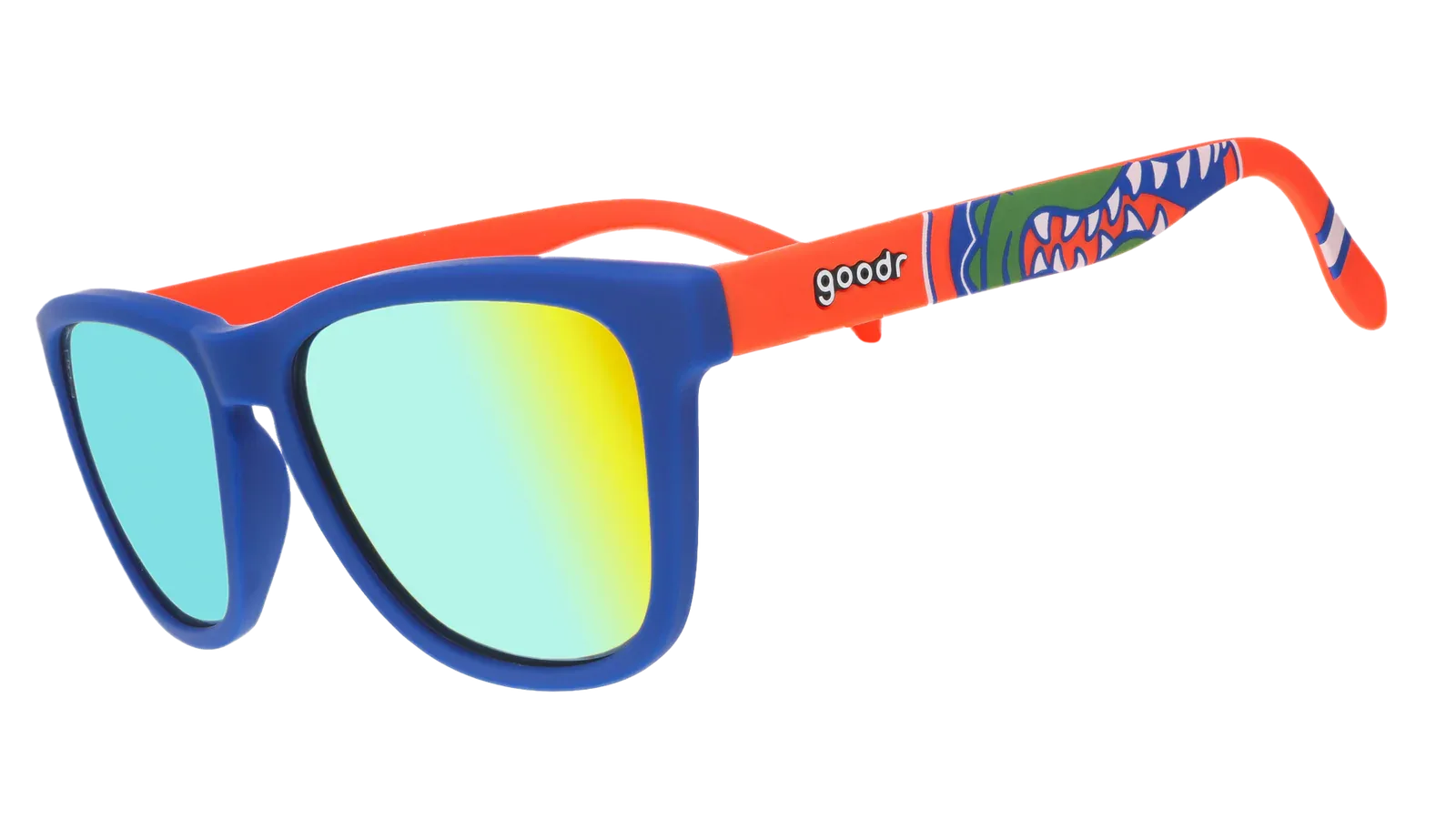
The real difference on a bright day: coverage, not just darkness
On a bright day, the tint of your lenses matters, but the shape of your frame often matters more. Shield sunglasses use a single, continuous lens that wraps across your face, while regular sunglasses—including aviators and classic frames—use two separate lenses with a gap at the bridge and often more exposed area around the sides. That structural difference changes how much light reaches your eyes from the periphery, which is exactly where glare sneaks in when the sun is low or bouncing off water, snow, or pavement.
This isn’t about one style being universally better. It’s about matching the frame to the conditions you actually face. If you spend long hours outside in bright, reflective environments, a shield’s wide coverage can be a genuine advantage. If you need to switch between indoors and outdoors frequently, or you prefer a more traditional look, regular frames may serve you better. The key is to understand the tradeoffs before you buy.
Where shield sunglasses shine: wide coverage and wrap-around benefits
Shield sunglasses are designed to block light from multiple angles. The continuous lens and wrap-around shape reduce the amount of unfiltered light entering from the sides and above, which can help reduce squinting and eye fatigue in bright, open environments. This is the core of the wrap-around sunglasses benefits you’ll hear about: less peripheral glare means your eyes work less to see clearly.
That said, not all shield sunglasses are created equal. The fit and lens quality determine how well the coverage works in practice. A shield that sits too far from your face or has gaps at the temples won’t deliver the same benefit. Look for a frame that hugs your brow and cheeks without pressing uncomfortably, and check that the lens extends far enough to the sides to actually block angled light.
Where regular frames still win: versatility and everyday wear
Regular sunglasses—whether aviators, round, or square—offer advantages that shields can’t match. They’re generally easier to fold and store, they work with a wider range of face shapes and personal styles, and many people find them more comfortable for all-day wear because they don’t wrap as tightly. If you often take your sunglasses on and off—running into a store, driving, or switching between indoor and outdoor tasks—regular frames can be more convenient.
Aviators, in particular, have a timeless look and often provide good coverage for their size, but they still have a gap at the bridge and typically less side coverage than a shield. For moderate brightness or mixed conditions, that’s often perfectly fine. The question is whether you regularly face intense, prolonged sun exposure where that extra coverage would make a difference.
Shield vs regular frames: a practical comparison
- Coverage: Shield sunglasses typically offer wider, continuous coverage that reduces peripheral glare. Regular frames leave more exposed area around the sides and bridge.
- Glare reduction: The wrap-around shape of shields can block angled light that regular frames let in, which may be noticeable in bright, reflective settings.
- Fit and comfort: Shields often fit closer to the face, which can feel secure but may not suit everyone. Regular frames are usually more relaxed and easier to wear for long periods.
- Style and versatility: Regular frames come in a wider variety of shapes and are easier to match with everyday outfits. Shields have a sportier, more purposeful look.
- Convenience: Regular frames fold and store more compactly. Shields can be bulkier and may require a larger case.
A real shield option: My Sweat Has an Octane Rating
-
My Sweat Has an Octane Rating: Black shield sunglasses with black gradient lenses, designed for intense workouts and bright conditions. This is a concrete example of a shield frame that prioritizes wide coverage and a secure fit for active use, illustrating the benefits discussed above.
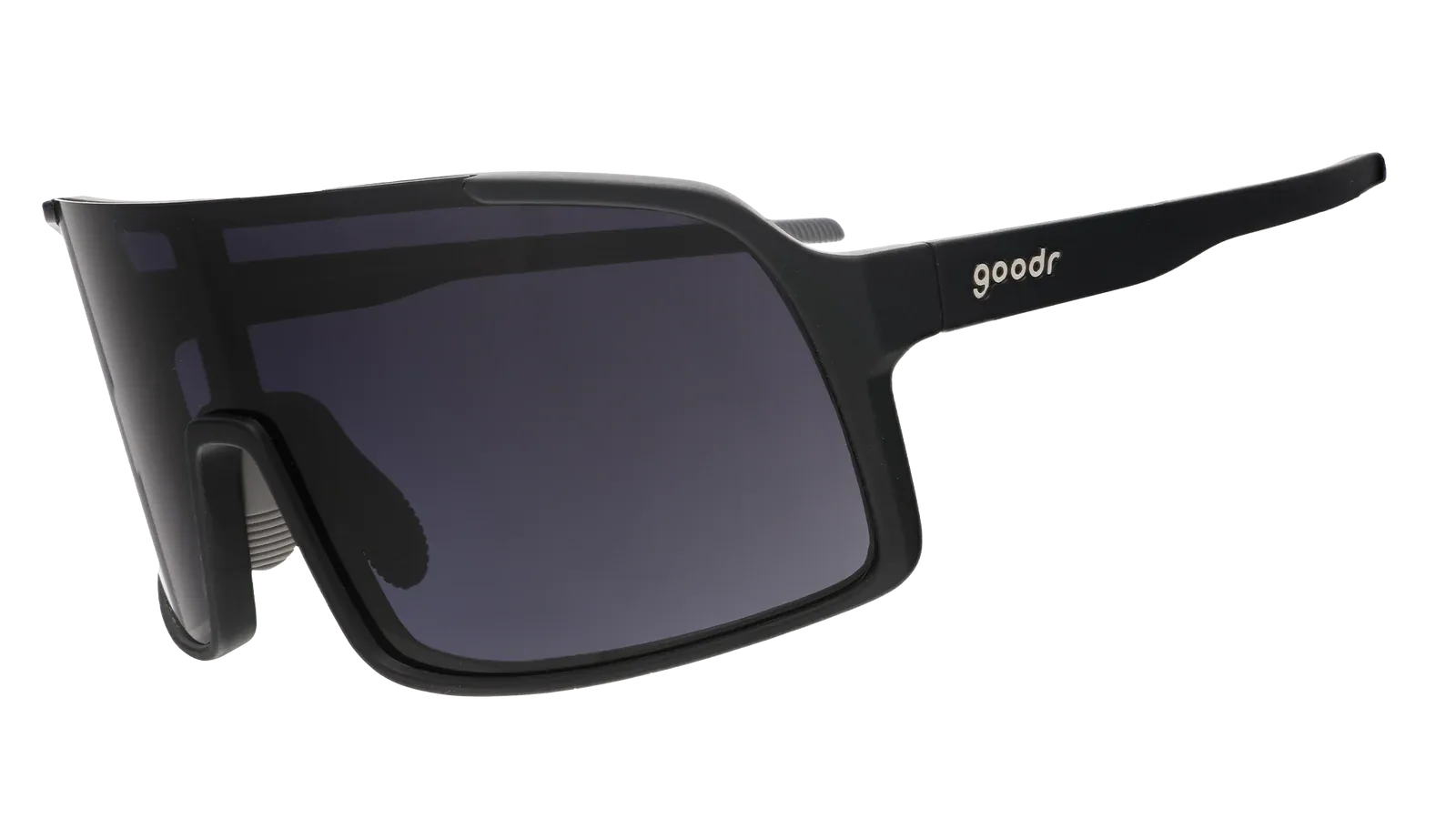
My Sweat Has an Octane Rating
-
My Sweat Has an Octane Rating: The product description jokes about sweat having an octane rating and warns not to work out near an open flame (extinguisher not included). This playful tone signals that the frame is aimed at hardcore training, where glare reduction and stay-put fit matter more than subtle styling.
How to decide: match the frame to your bright-day routine
If your typical bright day involves long stretches of outdoor activity—running, cycling, hiking, or working in open sun—a shield’s wide coverage and wrap-around benefits are worth considering. They can reduce the urge to squint and help you stay focused on the task. On the other hand, if you need sunglasses for commuting, casual outings, or mixed indoor-outdoor use, a regular frame may be more practical and comfortable.
One more factor: face shape and fit. Shields tend to work best on medium to larger faces where the wrap doesn’t pinch, while regular frames offer more adjustable fits. Try before you buy if possible, or choose a retailer with a good return policy. And remember that no frame is a substitute for proper eye protection—always check that the lenses offer adequate UV protection, which is standard for goodr sunglasses.