Quick answer
Start by replacing worn shifter bushings, then choose a shift knob weight that matches your preference—heavier for smoother throws, lighter for quicker feedback. This two-step approach delivers the biggest improvement in shift feel for the least money and effort.
If your manual transmission feels vague, notchy, or rubbery, the problem is often in the shifter linkage and knob rather than the gearbox itself. Worn rubber bushings allow the shifter assembly to flex under load, while a lightweight or poorly shaped knob can make throws feel imprecise. Upgrading both components is a straightforward DIY project that transforms the driving experience.
This guide walks you through the process step by step, from assessing your current setup to selecting the right parts and installing them correctly. You will learn how shifter bushing replacement and a shift knob upgrade work together, plus the common mistakes that can undo your results.
Why shifter bushings and shift knobs matter
Shifter bushings are small but critical. They secure the shifter linkage to the transmission and chassis, absorbing vibration while keeping the mechanism precise. Over time, rubber bushings degrade, leading to excessive play and a disconnected feel. Replacing them with stiffer polyurethane or solid bushings removes that slop, making each gear engagement more direct.
The shift knob is your primary interface with the transmission. Its weight and shape influence how much effort you apply and how much feedback you receive. A heavier knob adds momentum, smoothing out notchy synchros, while a lighter knob transmits more mechanical detail. Neither is universally better—it depends on your driving style and priorities.
- Inspect bushings for cracks, softness, or missing pieces before ordering replacements.
- Test different knob weights if possible; what feels great to one driver may feel wrong to another.
Step 1: Assess your current shifter feel
Before buying parts, pinpoint where the slop comes from. With the engine off, grab the shift knob and wiggle it side to side and front to back. Excessive movement often indicates worn bushings. Then check the linkage under the hood or under the car for play at the cable or rod ends. If the shifter moves freely but the transmission does not engage crisply, bushings are likely the culprit.
Also consider your goals. If you want a smoother, more luxurious feel, a heavier knob and softer bushings may suit you. If you want a raw, connected feel, stiffer bushings and a lighter knob are the way to go. Knowing your target helps you avoid buying parts that fight each other.
- Common mistake: assuming the transmission is failing when the issue is worn shifter bushings.
- Checkpoint: if the shifter has more than 10–15 mm of lateral play, bushings are probably worn.
Step 2: Choose the right shifter bushings
Shifter bushings come in several materials: rubber (stock), polyurethane, and solid metal. Polyurethane is the most popular upgrade for street cars because it reduces flex without adding excessive noise or vibration. Solid metal bushings are for race cars where precision matters more than comfort. Some kits include both shifter base bushings and cable/rod bushings—replace both for the best result.
When shopping, verify fitment for your specific make, model, and transmission. Many bushings are vehicle-specific, and a generic kit may not fit properly. Look for bushings that are designed for your chassis and include all necessary hardware.
- Common mistake: buying bushings without confirming they fit your exact transmission type.
- Checkpoint: choose a durometer (stiffness) that matches your tolerance for NVH.
Step 3: Select a shift knob that matches your goals
Shift knob weight is measured in grams, and the difference is noticeable. A heavier knob (around 400–500 grams) makes shifting feel smoother and more effortless, which is great for daily driving and reducing notchiness. A lighter knob (under 200 grams) gives a more mechanical, direct feel that hardcore drivers often prefer. Shape also matters: a round knob fits most hands, while a pistol-grip or teardrop shape can change your grip and throw angle.
Material affects temperature and durability. Metal knobs can get hot in summer and cold in winter, while delrin or leather-covered knobs are more temperature-neutral. Consider your climate and whether you park outside.
- Common mistake: choosing a knob solely for looks without considering weight and shape.
- Checkpoint: if you want smoother shifts, go heavier; for quicker, more precise shifts, go lighter.
Step 4: Install the new bushings
Installation difficulty varies by vehicle. On many Hondas and Acuras, the shifter base bushings are accessible after removing the center console trim. Cable-end bushings may require access from under the hood or under the car. Always disconnect the battery and use jack stands if you need to go underneath. Take photos before disassembly to help with reassembly.
Use silicone grease on polyurethane bushings to prevent squeaks. Tighten fasteners to the manufacturer's torque specs—over-tightening can crush bushings and cause binding. After installation, check that the shifter moves smoothly through all gears without excessive effort.
- Common mistake: over-tightening bushing bolts, which deforms the bushing and ruins shift feel.
- Checkpoint: after install, row through all gears with the engine off to ensure nothing binds.
Step 5: Install the new shift knob
Shift knob installation is usually simple: unscrew the old knob and screw on the new one. Some aftermarket knobs use set screws or adapters, so follow the included instructions. If your new knob is significantly heavier, make sure the shifter shaft can support it without sagging—rare, but possible with very heavy knobs on worn mechanisms.
Once installed, sit in the driver's seat and row through the gears. The knob should feel secure and comfortable in your hand. Adjust the knob's orientation if it is not centered or if the shift pattern is misaligned.
- Common mistake: cross-threading the knob, which damages the threads on the shifter shaft.
- Checkpoint: ensure the knob is tight and does not rotate during shifts.
Step 6: Test and fine-tune
After installation, take a test drive in a safe area. Start with gentle shifts to assess the new feel. You should notice reduced play and a more direct connection. If the shifter feels too stiff or noisy, the bushings may be too hard for your taste, or they may need more grease. If the knob feels too heavy or light, consider swapping it.
Give yourself a few days to adapt. What feels strange at first may become natural. If you are still unhappy, revisit your component choices—sometimes a different bushing durometer or knob weight makes all the difference.
- Common mistake: judging the upgrade after only a few minutes; allow time to adjust.
- Checkpoint: if notchiness persists, the issue may be in the transmission itself, not the shifter.
Step-by-step shift feel upgrade
- Inspect bushings and linkage: With the engine off, wiggle the shifter to check for play. Look for cracked or missing rubber bushings at the shifter base and cable ends. If play exceeds 10–15 mm, plan to replace bushings.
- Choose bushing material: Polyurethane for street cars; solid metal for race cars. Match durometer to your NVH tolerance. Softer bushings preserve comfort; harder bushings maximize precision.
- Select shift knob weight and shape: Heavier knobs (400–500 g) smooth out shifts; lighter knobs (under 200 g) increase mechanical feedback. Shape should fit your hand and driving style. Test if possible; weight preference is personal.
- Install bushings: Disconnect battery, remove trim as needed, and replace bushings one at a time. Use silicone grease on polyurethane. Tighten to spec—do not over-torque. Check for smooth movement through all gears before reassembling trim.
- Install shift knob: Thread the new knob on carefully to avoid cross-threading. Use adapters or set screws if required. Ensure it is tight and oriented correctly. The knob should not rotate during shifts.
- Test drive and adjust: Drive gently at first, then progressively shift more aggressively. If notchiness persists, the issue may be internal to the transmission. Allow a few days to adapt to the new feel.
Product facts that matter for shift feel
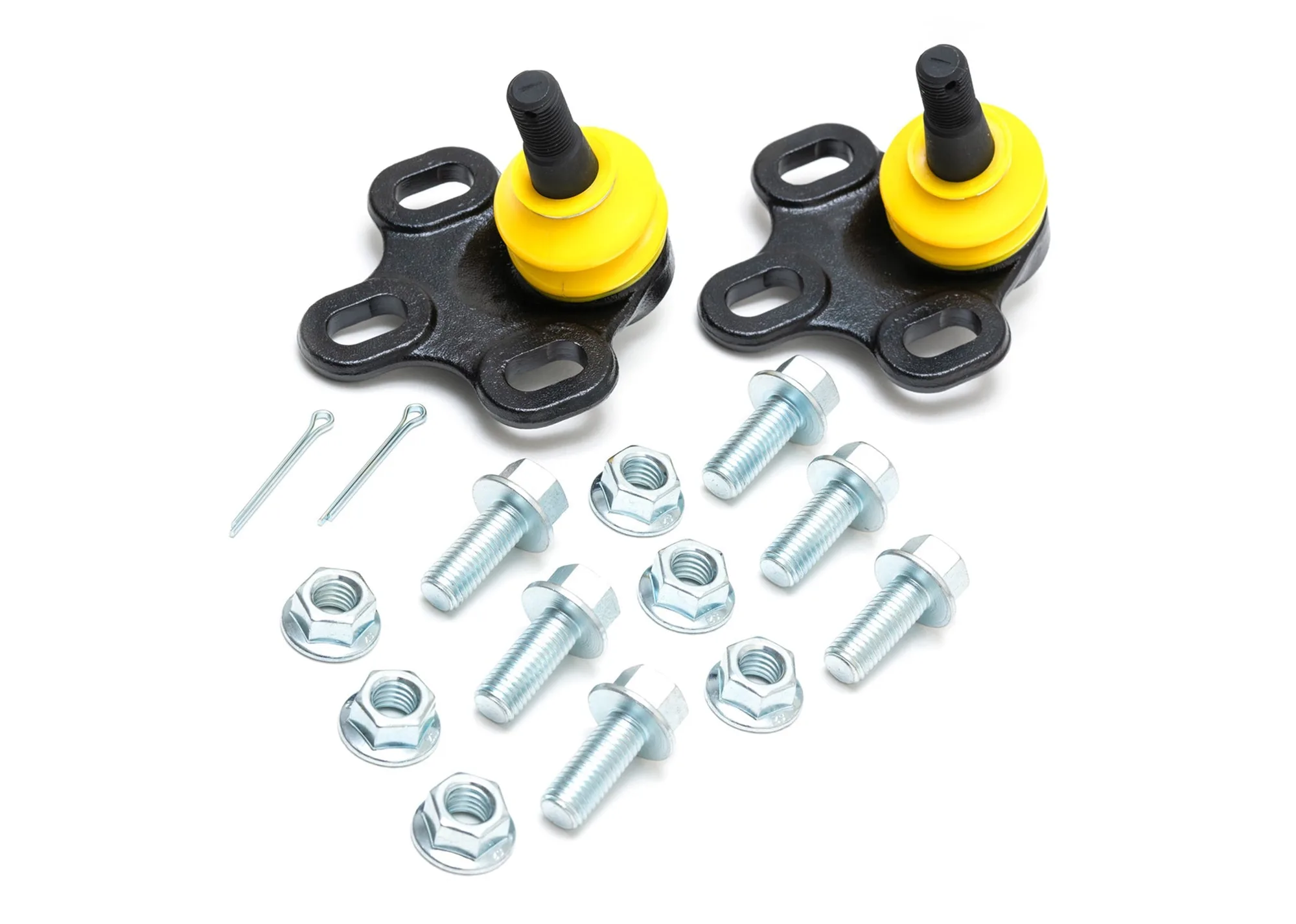
- Whiteline 2016-2021 Honda Civic Lower Ball Joint Front Camber Adjuster Kit (Zero Bump Steer Kit): Fits all 2016-2021 Honda Civic 1.5T and 2.0L, including CVT, 6MT, RHD, and international models. Provides adjustable camber for improved handling and tire life. While not a shifter component, this kit shows Whiteline's application-specific approach. If you own a 10th-gen Civic, you can trust Whiteline parts to fit precisely, which is the same philosophy you should apply when choosing shifter bushings.
- 2023+ Honda Accord 1.5T Front Pipe Upgrade: Fits all 2022+ Honda Civic 1.5T, 2023+ Acura Integra 1.5T, and 2023+ Honda Accord. No ECU calibration required; rear engine mount upgrade recommended for optimal fitment. This front pipe upgrade is an example of a bolt-on that improves flow without tuning. Similarly, shifter bushings and knobs are bolt-on mods that enhance driving feel without affecting engine management.
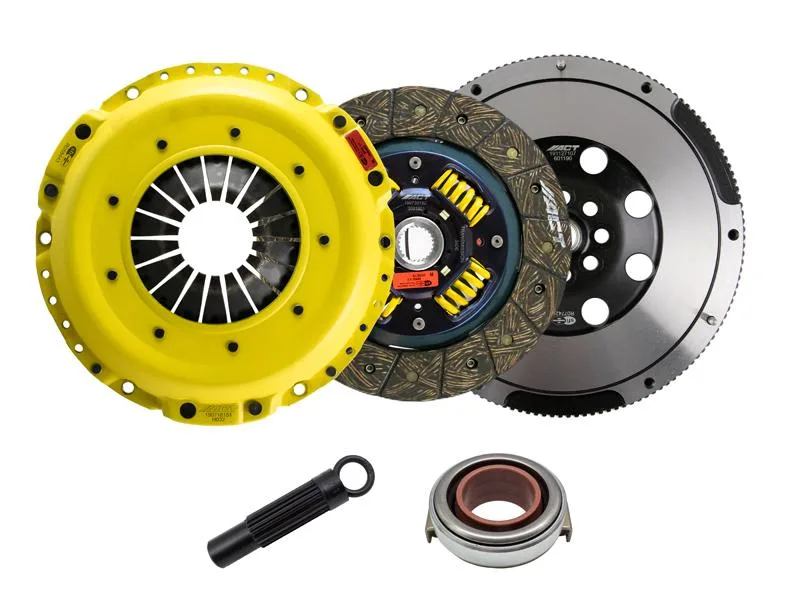
- ACT 2023+ Acura Integra 1.5T Single Disc Clutch Upgrade Kit: Fits all 2016-2021 Honda Civic 1.5T, 2022+ Honda Civic 1.5T, 2018+ Honda Accord 1.5T, and 2023+ Acura Integra 1.5T (manual only). Designed for improved torque capacity. If you are upgrading your clutch, you will already have the shifter assembly apart. That is the perfect time to replace shifter bushings and install a new shift knob, saving labor and improving the overall driving experience.
Upgrading your shifter bushings and shift knob is one of the most cost-effective ways to improve shift feel. By following these steps and avoiding common mistakes, you can enjoy a more precise, connected driving experience. Remember to choose components that match your goals and driving conditions.