Quick answer
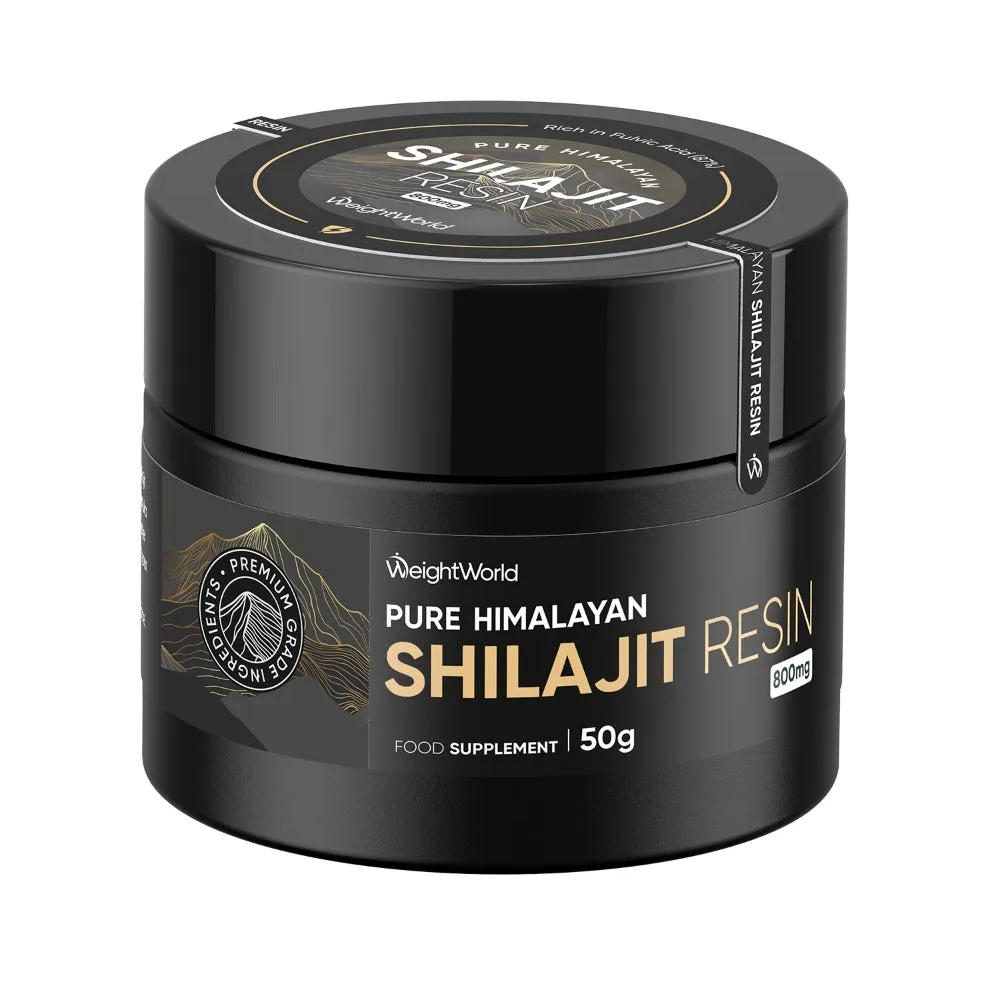
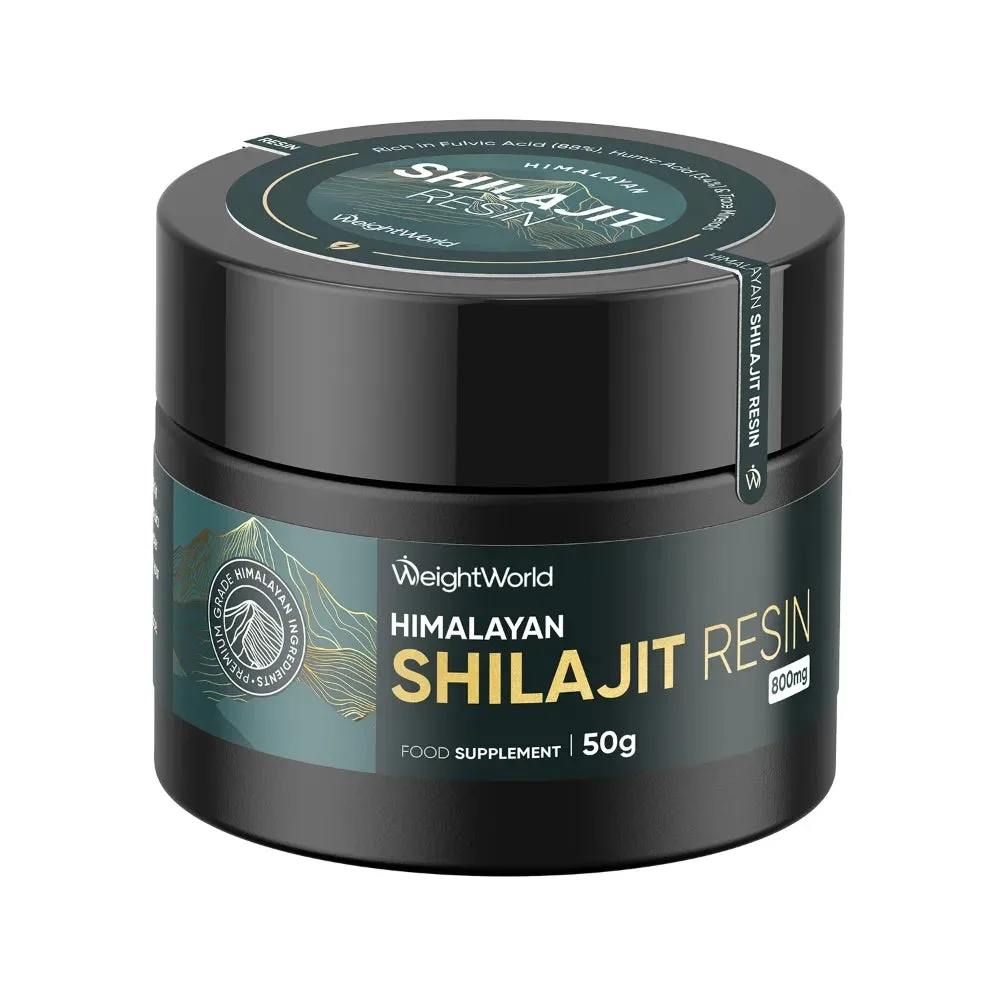
Start with a resin that states its source and serving size, then check whether the label gives you enough detail to judge purity and fulvic acid content. If you want a straightforward option, a pure Himalayan shilajit resin with a clear 800mg serving and Himalayan sourcing is a practical place to begin.
Himalayan shilajit resin
Why resin form changes what you should look for
Shilajit comes as resin, powder, capsules, and liquid drops. Resin is the traditional form, and it usually needs to be softened or dissolved before you take it. That extra step is the trade-off: you get a more hands-on routine, but you can see and smell the product before you commit to a full serving. If you want zero preparation, capsules are easier, but you give up the ability to inspect texture and aroma.
Because resin is concentrated and sticky, packaging matters. A small jar with a secure lid and a clear serving size is easier to use consistently than a pouch or a product that only gives a scoop size without saying how much resin that scoop contains.
Purity: what the label should tell you
Purity in shilajit is mostly about two things: where it came from and what was done to it. A genuine shilajit resin should name its source region and describe the purification method. Himalayan sourcing is common because the resin forms in high-altitude rock layers, but the phrase alone is not a test. Look for a specific region or altitude claim rather than a vague 'mountain' statement.
A shilajit purity test is something you cannot run at home, so you rely on the brand's transparency. If a label lists heavy metals testing, microbial testing, or a fulvic acid percentage, that is useful information. If it lists none of these, treat it as a decision limitation: you are buying on trust, not on documented checks. That is not automatically bad, but it should lower what you are willing to pay.
Grade and fulvic acid: separate claims, not synonyms
Sellers often use 'grade' loosely. In practice, grade usually refers to how clean and concentrated the resin is after purification, while fulvic acid is a measurable compound in shilajit. They are related but not the same. A product can be well purified and still not state a fulvic acid figure, and a product can state a fulvic acid figure without explaining its purification.
When you see a fulvic acid shilajit claim, check whether it is a percentage, a milligram amount per serving, or just a marketing phrase. A percentage is the most useful because it lets you compare products on the same basis. If the label only says 'rich in fulvic acid' with no number, you cannot compare it to anything else, so decide whether the rest of the label is strong enough to justify the purchase.
Serving size and how to compare cost per serving
Serving size is where many shilajit purchases go wrong. A jar may look cheap until you realise each serving is tiny and the jar lasts two weeks. Compare products by cost per serving, not by sticker price. To do that, you need the serving size in milligrams and the number of servings per container.
If a label gives a serving size but not the number of servings, you can estimate by dividing the total resin weight by the serving weight, but only if both numbers are stated. When one is missing, you are guessing. As a rule, a resin that clearly states something like an 800mg serving is easier to plan around than one that says 'take a pea-sized amount'. Pea-sized is not a measurement.
How to spot a genuine shilajit resin before you buy
Genuine shilajit resin softens with warmth and has a strong, earthy, slightly smoky smell. It should not be rock-hard at room temperature or smell like nothing. These are not laboratory tests, but they are useful first checks when your order arrives. If the texture and smell are off, return it rather than forcing yourself to finish it.
Also check the packaging for a batch number and a best-before date. A genuine shilajit resin seller should be able to trace a batch. If there is no batch code and no contact route for questions, that is a reason to choose a different product.
Decision rules for choosing shilajit resin
- If the label names a source region and a serving size in milligrams: You have enough to compare products. Check the serving count next so you can work out cost per serving. Buy only when both source and serving size are stated.
- If the label claims fulvic acid but gives no number: Treat the claim as unverifiable. Decide whether the rest of the label, such as testing or batch codes, is strong enough to compensate. No number means no comparison; do not pay a premium for it.
- If you want the traditional form and do not mind dissolving resin: Choose a resin with a clear milligram serving. If you want no preparation at all, choose capsules instead. Match the format to your routine, not to the marketing.
Product facts that help you decide
- Pure Himalayan Shilajit Resin: Pure Himalayan Shilajit resin is sourced from the high altitudes of the Himalayas, and each serving is 800mg. A stated 800mg serving lets you calculate cost per serving and compare it with other resins instead of guessing a pea-sized dose.
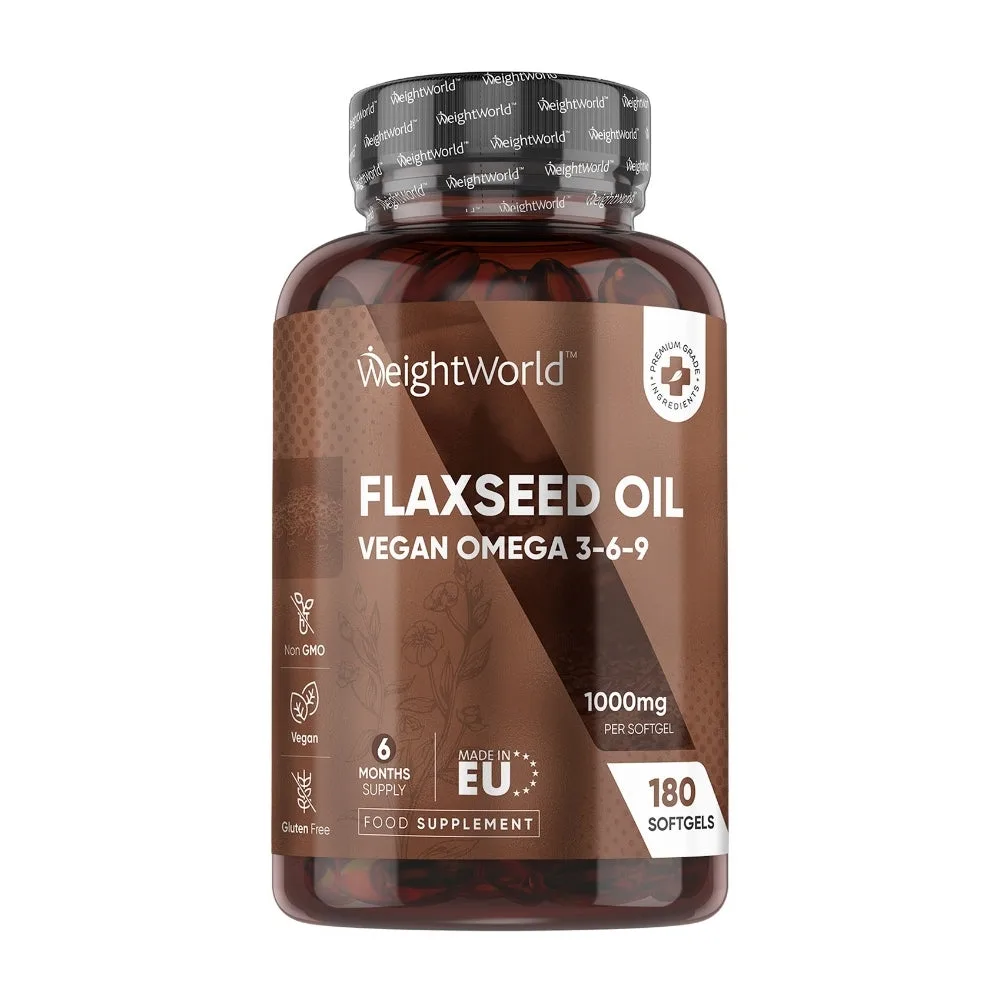
- Flaxseed Oil Softgel Capsules: Flaxseed Oil Softgel Capsules provide 1000mg of cold-pressed flaxseed oil per softgel, offering omega 3, 6, and 9 from linseed plants. If you want omega fatty acids without fish oil or resin preparation, this is a vegan capsule alternative to consider alongside a shilajit routine.
Who should choose shilajit resin
Best for
- People who want the traditional resin form and are willing to measure and dissolve it
- Buyers who compare cost per serving and want a stated milligram dose
- Those who prefer a Himalayan-sourced product with a clear serving size
Not for
- Anyone who wants a no-preparation supplement and would rather swallow a capsule
- Shoppers who need a fulvic acid percentage stated on the label before buying
- People who will not check batch codes or return a product that arrives with the wrong texture