Quick answer
Choose the 9-tip shockwave machine if your main goal is joint pain relief and you want more applicator head options for different treatment areas. Choose the 5-tip, 12-mode model if you need adjustable frequency and intensity for broader physical therapy sessions and want a lower upfront price.
Why tip count alone doesn't decide the better machine
More replacement tips can mean more treatment head shapes, but the supplied catalog does not list the exact size or shape of each tip on either model. That absence matters: a higher tip count is useful only if the extra heads match the body areas you actually treat. The 9-tip model is framed around joint pain relief, while the 5-tip model is framed around physical therapy with 12 modes and adjustable frequency and intensity. Those are different starting points, not a simple upgrade ladder.
The trade-off between joint-focused tips and adjustable session settings
The 9-tip machine gives you more applicator heads to rotate across treatment areas, which can reduce swapping delays in a joint-pain-focused practice. The 5-tip machine gives you frequency control from 1–22 Hz and adjustable intensity, so you can tune each session rather than relying on tip variety alone. Neither catalog entry states which specific conditions each tip is designed for, so treat the tip count as a flexibility signal, not a clinical guarantee.
When the lower price changes the decision
The 5-tip model is listed at USD 718.56 against a USD 998.00 comparison price, while the 9-tip model is listed at USD 936.00 against USD 1300.00. If budget is the deciding factor and your sessions rely more on frequency and intensity changes than on many head shapes, the 5-tip model covers that workflow at a lower entry cost. If your clients mainly present with joint pain and you want more head options on hand, the 9-tip model's higher price buys that flexibility.
Key trade-offs to weigh before buying
- Tip variety vs. session control: The 9-tip model offers more applicator heads; the 5-tip model offers 12 modes plus 1–22 Hz frequency and adjustable intensity. Pick the one that matches how you actually adjust treatments. List your three most common treatment adjustments before comparing tip counts.
- Joint-pain focus vs. general physical therapy: The 9-tip model is positioned for joint pain relief, while the 5-tip model is positioned for physical therapy. Match the machine's stated focus to your client base rather than assuming more tips is always better.
- Upfront cost vs. head inventory: At catalog prices, the 5-tip model costs less upfront. The 9-tip model costs more but reduces the need to source additional heads later if your treatment mix widens. Check whether replacement heads are sold separately before choosing the lower-priced model.
Product facts at a glance
-
Shockwave Therapy Machine With 5 Replacement Tip 12 Modes for Physical Therapy: Five specialized treatment heads with frequency control from 1–22 Hz and adjustable intensity. Lets you tune session strength and swap heads for different muscle groups without changing machines.
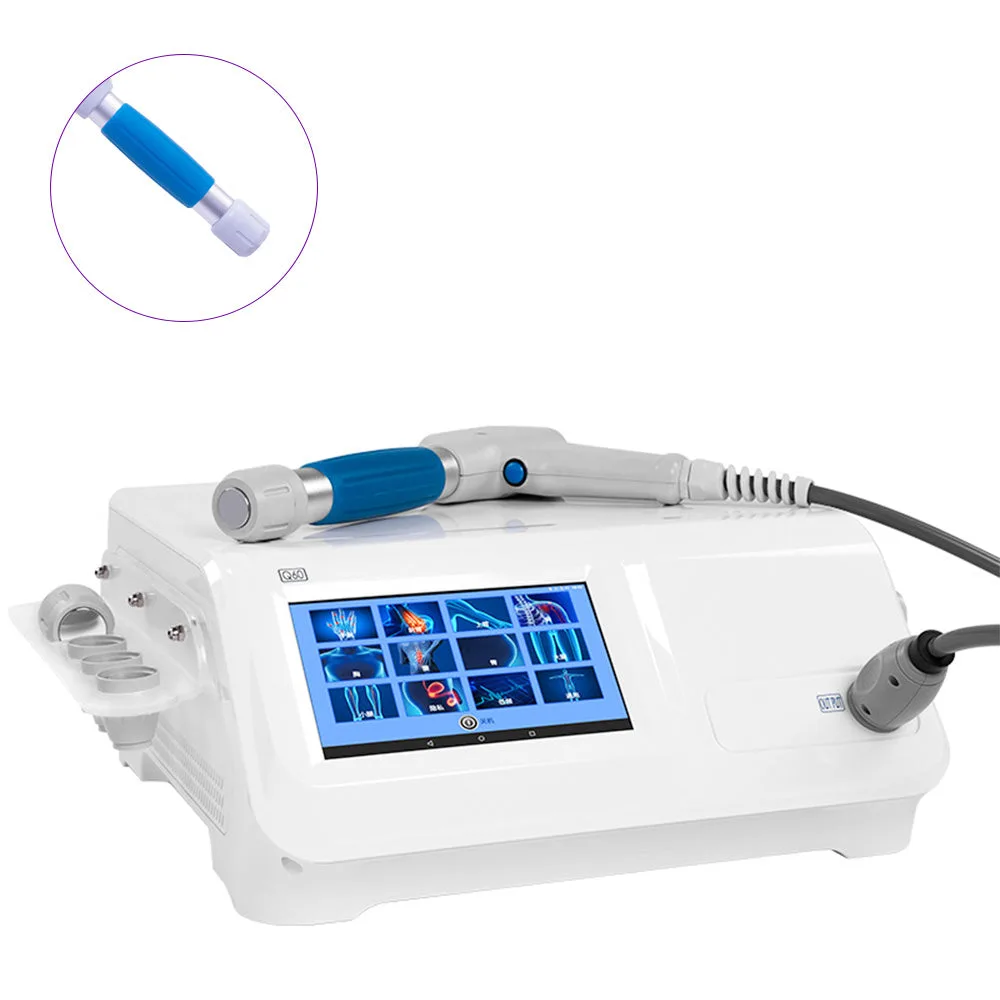
Shockwave Therapy Machine With 5 Replacement Tip 12 Modes for Physical Therapy
-
Shockwave Therapy Machine With 9 Replacement Tips for Joint Pain Relief: Nine replacement tips and radial pressure wave (RPW) delivery aimed at joint pain relief. More head options suit practices that treat varied joint areas and want flexibility between sessions.
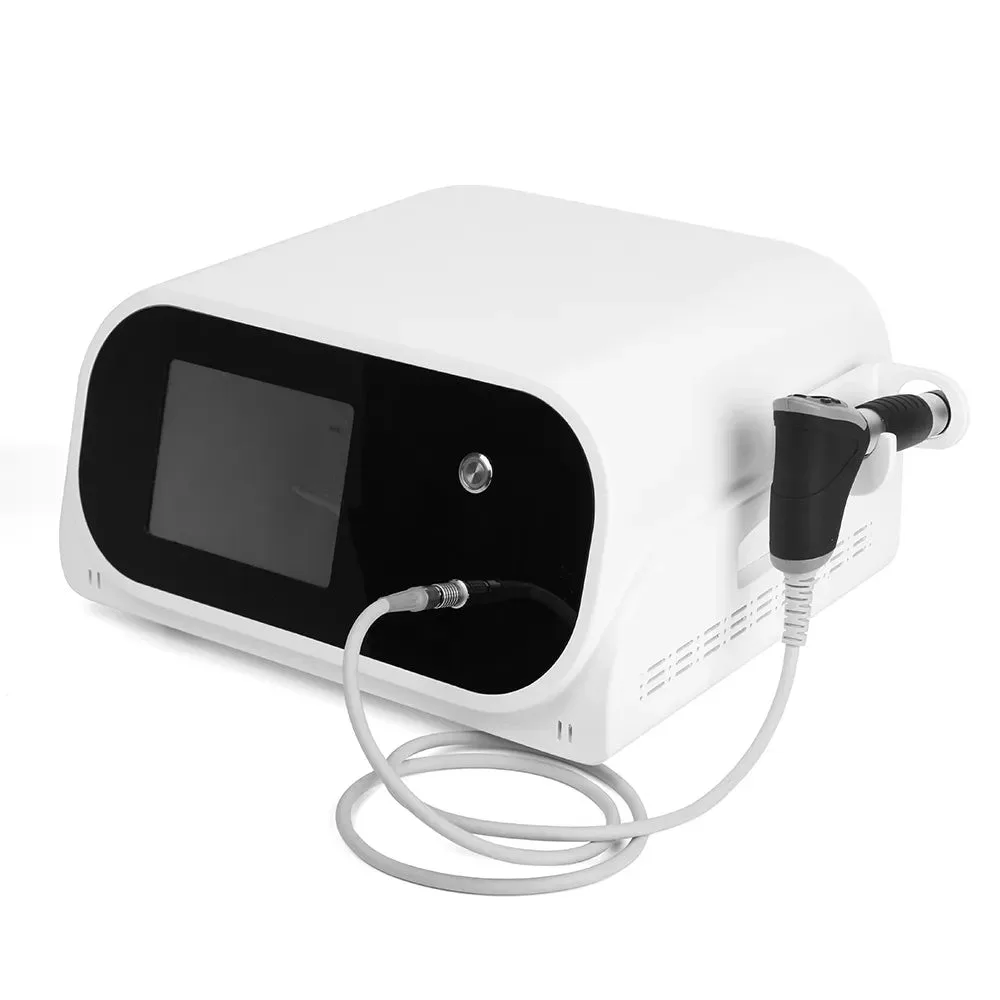
Shockwave Therapy Machine With 9 Replacement Tips for Joint Pain Relief
Which machine fits your practice?
Best for
- Practitioners whose clients mainly seek joint pain relief and who want more applicator head options
- Buyers who prefer a joint-focused setup and are willing to pay more for tip variety
Not for
- Buyers who need adjustable frequency and intensity across general physical therapy sessions
- Budget-focused buyers who do not need nine separate tips