Choosing the correct shoelace length might seem trivial, but it can make or break the comfort and look of your footwear. Laces that are too short can be impossible to tie, while overly long laces create tangles and a messy appearance. This shoe lace length guide will teach you how to measure shoelace length accurately and choose the perfect fit for any footwear, from sneakers to dress shoes. Whether you're upgrading to no-tie laces or simply replacing worn-out pairs, understanding the right length will save you time and frustration.
Why Shoelace Length Matters
Many people overlook the importance of shoelace length when buying new laces. The wrong size can cause several issues:
- Too short: You can't tie a secure knot, and the laces may pull out of the eyelets.
- Too long: Excess lace drags on the ground, becomes dirty, or poses a tripping hazard.
- Improper tension: The wrong length can affect how tightly you can lace your shoes, impacting foot support and comfort.
Using the right length also ensures that your laces look neat and professional, especially with dress shoes or high-end sneakers. For athletes and active individuals, correct length is critical for quick lacing and security during movement.
How to Measure Shoelace Length
There are two reliable methods to determine the correct shoelace length for your footwear. Both are simple and require no special tools.
Method 1: Measure Your Old Laces
If you still have the original laces (even if they are frayed), this is the easiest method:
- Remove the laces from the shoe.
- Lay them flat on a table or floor.
- Using a ruler or tape measure, measure from one aglet (the plastic tip) to the other.
- Round up to the nearest standard size (e.g., 27 inches, 36 inches, 45 inches, etc.).
If the laces are stretched or damaged, add 2-4 inches to the measured length to compensate for wear.
Method 2: Count the Eyelet Pairs
No old laces? No problem. The number of eyelet pairs on your shoe is the most reliable indicator of the lace length you need.
- Count the pairs: Look at one side of the shoe and count the number of holes (or hooks) from the bottom to the top. That's your number of eyelet pairs.
- Use the formula: For standard criss-cross lacing, multiply the number of eyelet pairs by 8 inches (20 cm), then add 12 inches (30 cm) for the bows. For example, 5 eyelet pairs × 8 inches = 40 + 12 = 52 inches. Note: This formula works best for shoes with standard spacing.
Shoelace Sizing Chart: Length by Eyelet Pairs
To make things easier, use this shoelace sizing chart for quick reference. It covers most common footwear types.
Number of Eyelet Pairs
Recommended Lace Length (inches)
Common Footwear
2-3
18-24
Kids' shoes, loafers
4
27-30
Low-top sneakers, canvas shoes
5
30-36
Mid-top sneakers, dress shoes
6
36-45
High-top sneakers, hiking boots
7
45-54
Tall boots, work boots
8
54-63
Extra-high boots, ski boots
Note: If your shoes use alternative lacing methods (e.g., straight bar lacing for dress shoes), you may need slightly longer laces. Always err on the side of longer when in doubt, as you can always trim excess.
How to Choose Shoelace Length for Different Footwear Types
Different shoe styles require different lace lengths. Here's a breakdown by type:
Sneakers and Casual Shoes
Most sneakers have 4-6 eyelet pairs. For standard low-top sneakers (4 pairs), 30-inch laces work well. Mid-tops (5 pairs) need 36-inch laces, while high-top sneakers (6 pairs) typically require 45-inch laces. If you prefer a looser fit or use no-tie laces, consider going up one size.
For those converting to no-tie systems, the length is especially critical because you lose the ability to adjust after tying. Our No-Tie Round Laces come in multiple lengths, so you can find the perfect match for your sneakers. These are ideal for athletes or anyone who wants slip-on convenience without sacrificing security.
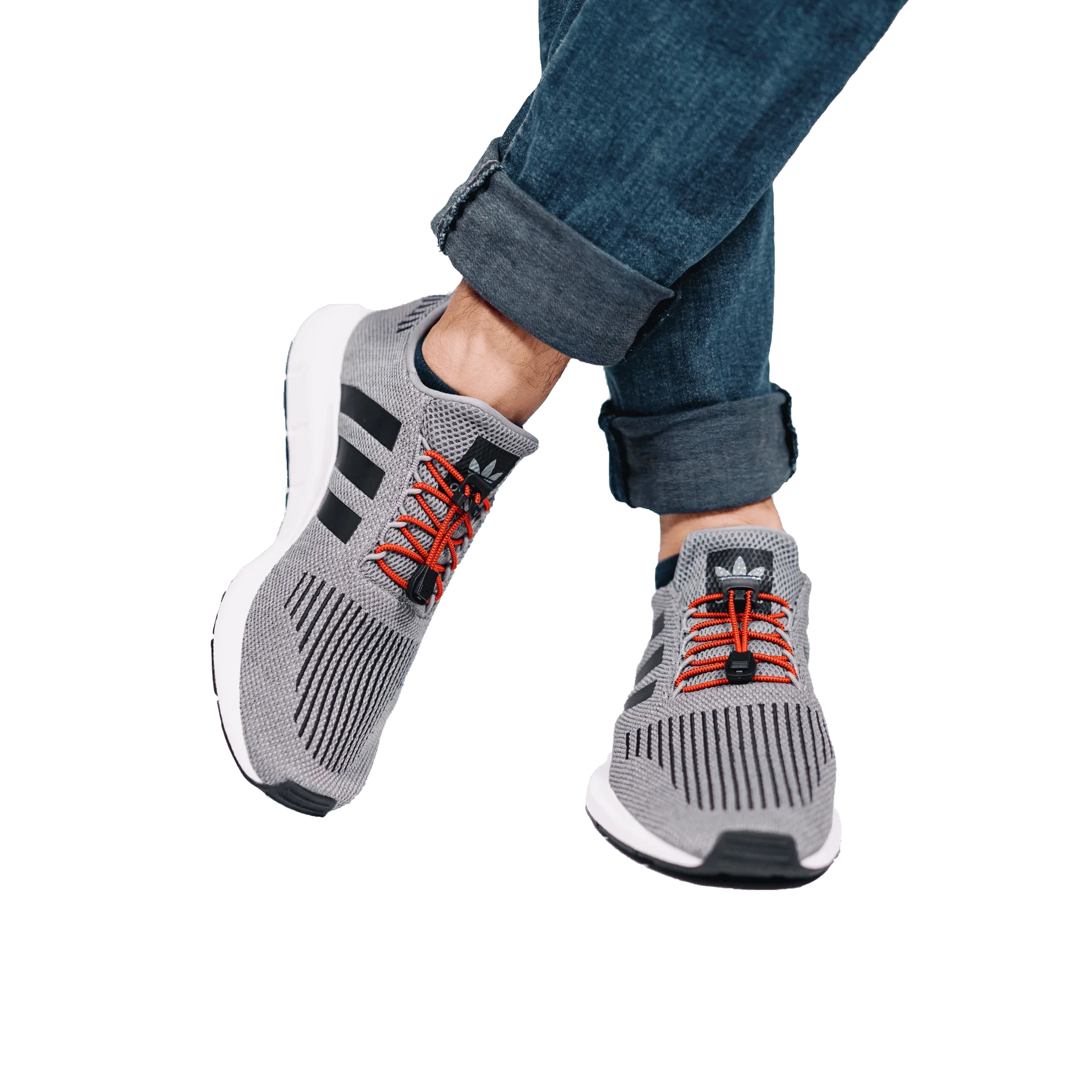
No-Tie Round Laces
Dress Shoes
Dress shoes typically have 3-5 eyelet pairs. Because they are often laced with a straight bar style (which uses more lace), you may need slightly longer laces than the chart suggests. A common choice for 4-pair Oxfords is 36 inches, while 5-pair Derbies often use 45 inches.
If you want a clean, minimalist look, consider Extra Long Round Lacing for a sleek appearance that stays hidden under the shoe tongue.
Extra Long Round Lacing
Boots (Hiking, Work, Fashion)
Boots have more eyelets (usually 6-8 pairs) and often include speed hooks at the top. For 6-pair hiking boots, 45-inch laces are standard, while 7-pair boots need 54 inches. For tall fashion boots with 8 pairs, 63 inches is typical. Always measure before buying, as boot lace lengths vary by brand.
Kids' Shoes
Kids' shoes usually have 2-4 eyelet pairs. For toddlers (2-3 pairs), 18-24 inches works. Older kids' sneakers (4 pairs) take 27-inch laces. If you're looking to simplify your child's morning routine, elastic no-tie laces are a game-changer—just ensure you choose the correct length to avoid loose ends.
Tips for Special Lacing Systems
If you use a quick-release or no-tie lacing system, the length rules change slightly. These systems often require the laces to be longer because they are doubled back or locked in place. For example, a typical 5-eyelet shoe might need 45-inch laces instead of 36 inches.
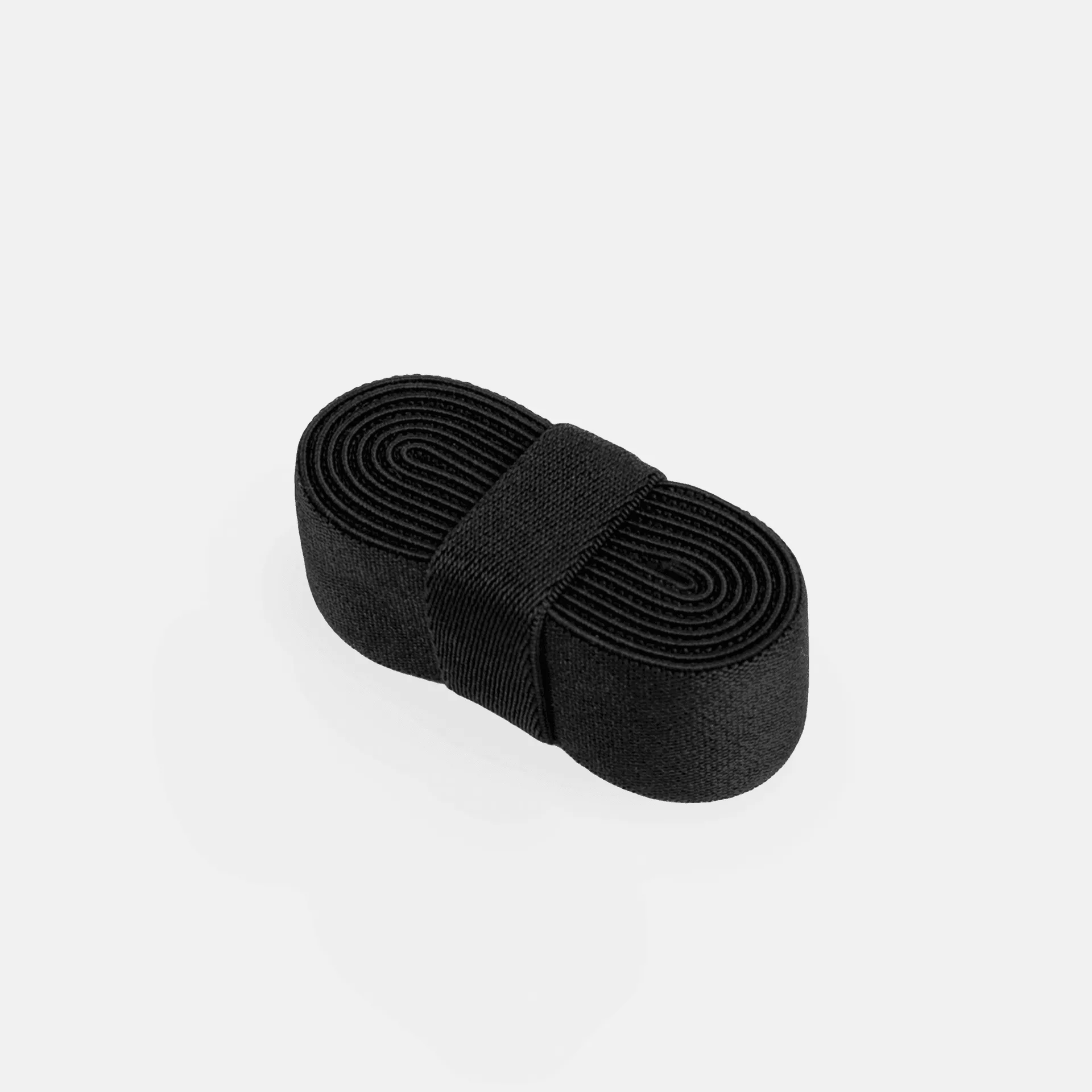
Our Belt Loop (Pack of 2) is an accessory that can help secure excess lace on boots or shoes with extra-long laces, keeping everything tidy. It's a simple solution for anyone who dislikes dangling ends.
Common Mistakes to Avoid
- Assuming all laces are the same: Different materials (cotton, polyester, elastic) stretch differently. Elastic laces may feel shorter once stretched, so always go longer.
- Using the wrong thickness: Laces come in different widths. Flat laces for dress shoes won't fit thick eyelets on boots. Always match the width to your eyelet size.
- Ignoring the lacing pattern: Straight bar lacing uses more lace than criss-cross. If you switch patterns, your length needs may change.
FAQs About Shoelace Length
Can I use laces that are too long?
Yes, but you'll have extra length to manage. You can tuck the ends into the shoe or use lace locks. However, for safety and aesthetics, buying the right length is preferable.
What if my shoes have an odd number of eyelets?
Count the pairs as usual. If you have 7 eyelets total (3 pairs plus one top eyelet), count it as 3.5 pairs. In that case, round up to the next standard length.
How often should I replace my shoelaces?
Replace laces when they become frayed, stretched, or dirty. For frequent runners or hikers, every 3-6 months is a good rule of thumb.
Final Thoughts: Get the Perfect Lace Length Every Time
Choosing the right shoelace length doesn't have to be a guessing game. By counting your eyelet pairs, using the sizing chart, and considering your lacing style, you can find the perfect fit for any shoe. Whether you're dressing up for work or hitting the trail, the correct length enhances both comfort and style.
Ready to upgrade your laces? Check out our No-Tie Round Laces for a hassle-free experience that works with almost any footwear. With multiple lengths available, you'll find the perfect match in minutes. Explore the collection today and never struggle with laces again!