If you've ever stepped out of the shower with itchy skin, dry hair, or a flaky scalp, you might have wondered whether your water is the culprit. Hard water and chlorinated water are common issues that affect millions of households, and the solution often comes down to filtration. But when you start shopping, you'll quickly encounter two similar-sounding products: a shower filter and a shower head filter. Are they the same thing? Not exactly.
In this comparison guide, we'll clarify the differences between a shower filter and a shower head filter, explain how each works, and help you decide which one is the right choice for your home. Whether you're dealing with hard water damage, chlorine sensitivity, or just want softer water for your daily routine, understanding these options will make your decision much easier.
What Is a Shower Filter?
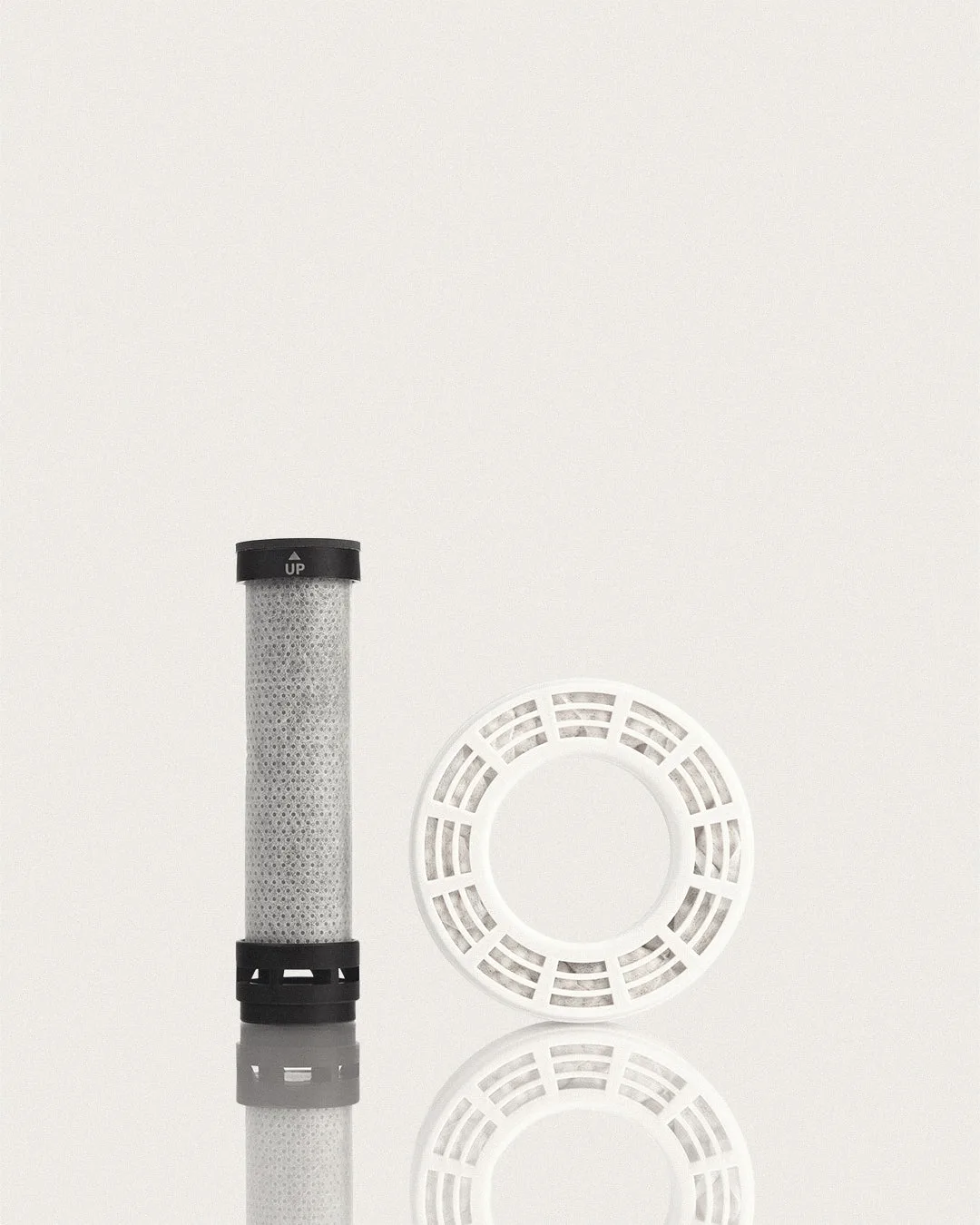
A shower filter is a standalone filtration device that attaches to your existing shower arm, typically between the wall pipe and your shower head. It uses a replaceable cartridge filled with media like activated carbon, KDF (kinetic degradation fluxion), or calcium sulfite to reduce chlorine, heavy metals, and other impurities from your water supply. These filters are designed to improve water quality without changing the look or feel of your shower head.
The key advantage of a shower filter is its flexibility. You can keep your current shower head—whether it's a rainfall, handheld, or fixed model—and simply add the filter in-line. Many modern shower filters are compact and sleek, blending seamlessly with most bathroom aesthetics. They also allow you to swap out the filter cartridge periodically, typically every 3 to 6 months, depending on your water quality and usage.
- Attaches between shower arm and existing shower head
- Uses replaceable cartridge to reduce chlorine and impurities
- Compatible with most standard shower head types
- Requires periodic cartridge replacement (every 3–6 months)
What Is a Shower Head Filter?
A shower head filter is a combination unit that integrates the filtration system directly into the shower head itself. Instead of a separate filter housing, the filtration media is built into the shower head's body or a detachable cartridge within the head. This means you replace the entire shower head or a specific component when the filter needs changing, rather than adding a separate device.
Shower head filters are often more user-friendly because they require fewer parts and less installation effort. Many come as complete kits that include the shower head, a filter cartridge, and sometimes even extra refills. They are especially popular for renters or people who want a simple, all-in-one solution. However, because the filter is integrated, you may have fewer options for customizing your shower head's spray pattern or style compared to using a separate shower head of your choice.
- Filtration system built directly into the shower head
- Often sold as a complete kit with cartridge included
- Easy to install—no separate housing needed
- Limited shower head style options compared to standalone filters
Key Differences Between Shower Filter and Shower Head Filter
While both products aim to improve your shower water quality, the main difference lies in their design and installation. A standalone shower filter gives you the freedom to pair it with any shower head you like, whether that's a high-pressure rainfall head or a handheld model. A shower head filter, on the other hand, combines the filter and the head into one unit, which simplifies setup but limits your ability to choose a different shower head later.
Another important distinction is maintenance. With a standalone shower filter, you only replace the filter cartridge, while the shower head itself remains unchanged. With a shower head filter, you may need to replace the entire head or a specialized cartridge that fits only that model. This can affect long-term costs and convenience. Additionally, standalone filters often have larger cartridges with higher contaminant-removal capacity, potentially lasting longer between changes.
- Standalone filter: compatible with any shower head; separate cartridge replacement
- Shower head filter: all-in-one design; may require replacing the whole unit
- Standalone filters often have higher filtration capacity per cartridge
- Shower head filters are typically easier to install for beginners
Which One Is Better for Your Skin and Hair?
Both types of filters can significantly improve water quality for your skin and hair. The choice really depends on your specific needs and preferences. If you already own a high-quality shower head that you love, a standalone shower filter like the Hello Klean Shower Head (which is actually a shower head filter unit) would not be the right fit—you'd want a separate filter instead. However, if you're starting from scratch and want a streamlined solution, an integrated shower head filter can be a great choice.
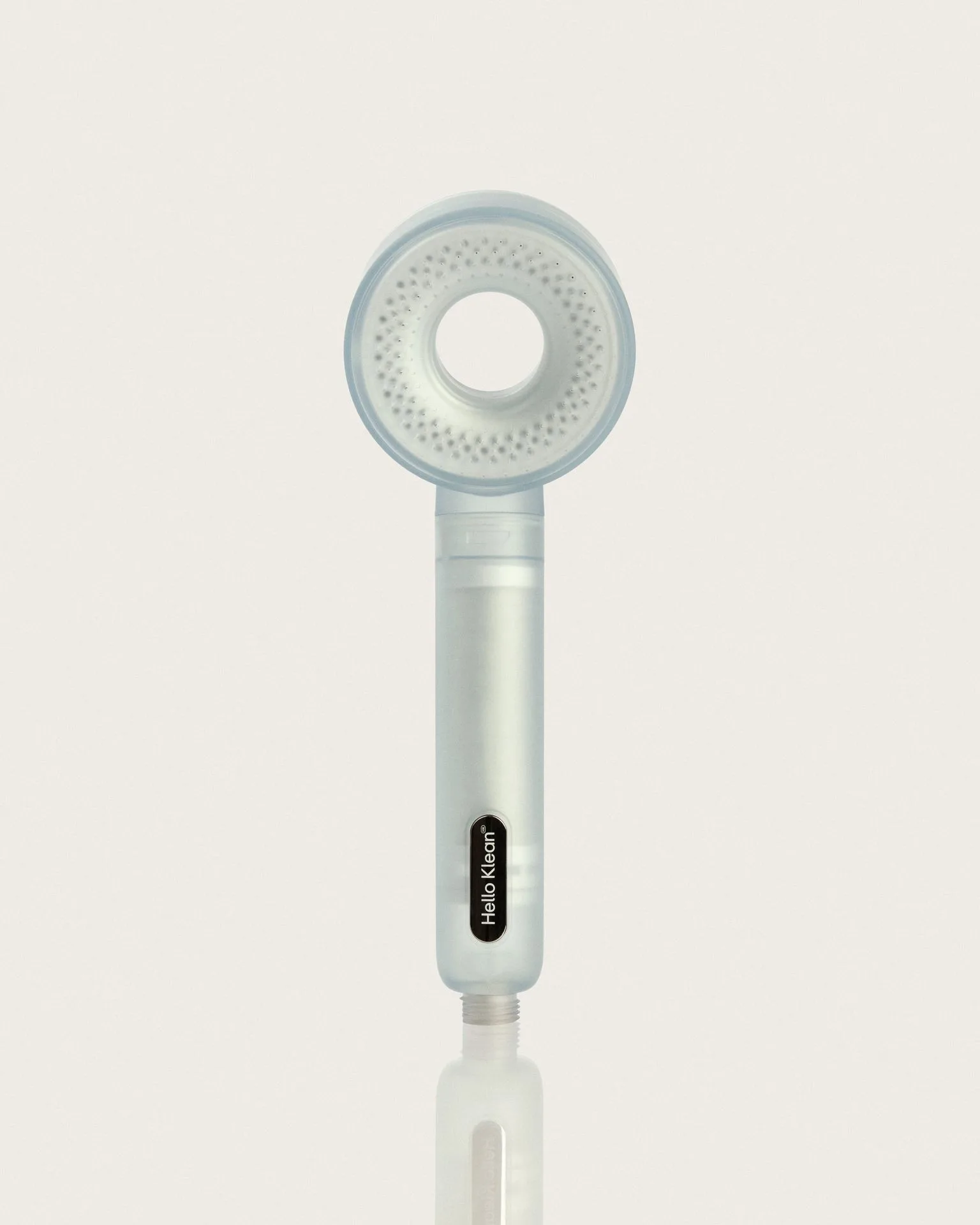
Hello Klean Shower Head
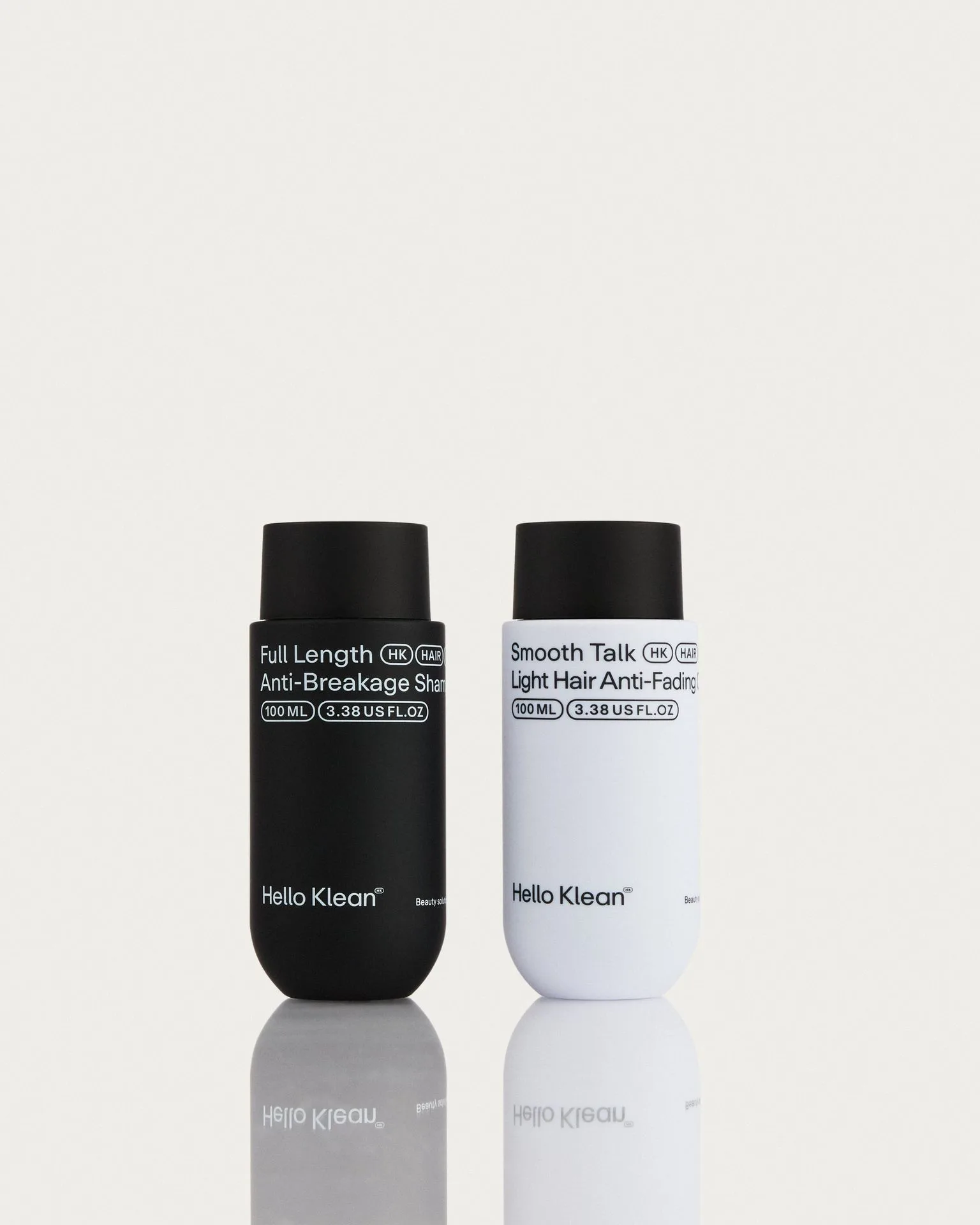
For those dealing with hard water issues, such as dry skin, brittle hair, or even scalp irritation, a good filter can make a noticeable difference. Products like the Full Cover Anti-Thinning Hard Water Shampoo are designed to work in tandem with filtered water for best results. If you're concerned about chlorine exposure, both standalone and integrated filters reduce chlorine effectively. The key is to choose a filter with a high-quality media like activated carbon or KDF, and to replace the cartridge regularly.
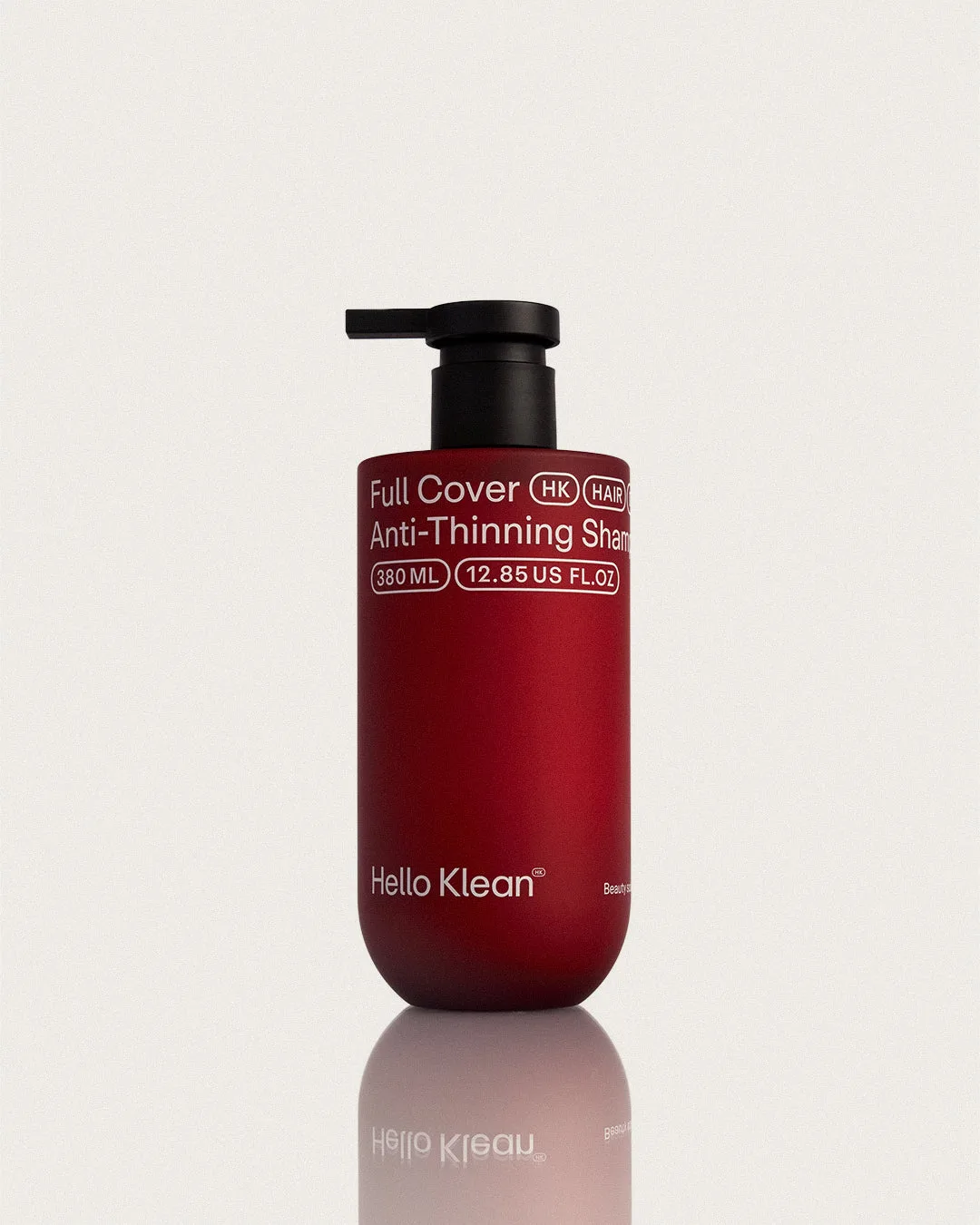
Full Cover Anti-Thinning Hard Water Shampoo
- Standalone filters: best if you want to keep your current shower head
- Integrated filters: ideal for a simple, all-in-one upgrade
- Both reduce chlorine and improve water feel for skin and hair
- Pair with a targeted shampoo or conditioner for maximum benefit
How to Choose the Right Filtration Solution for Your Home
When deciding between a shower filter and a shower head filter, consider your bathroom setup, budget, and maintenance preferences. If you have a standard shower arm and want to keep your existing shower head, a standalone filter is the way to go. If you're looking for a quick upgrade with minimal fuss, an integrated shower head filter might be more appealing.
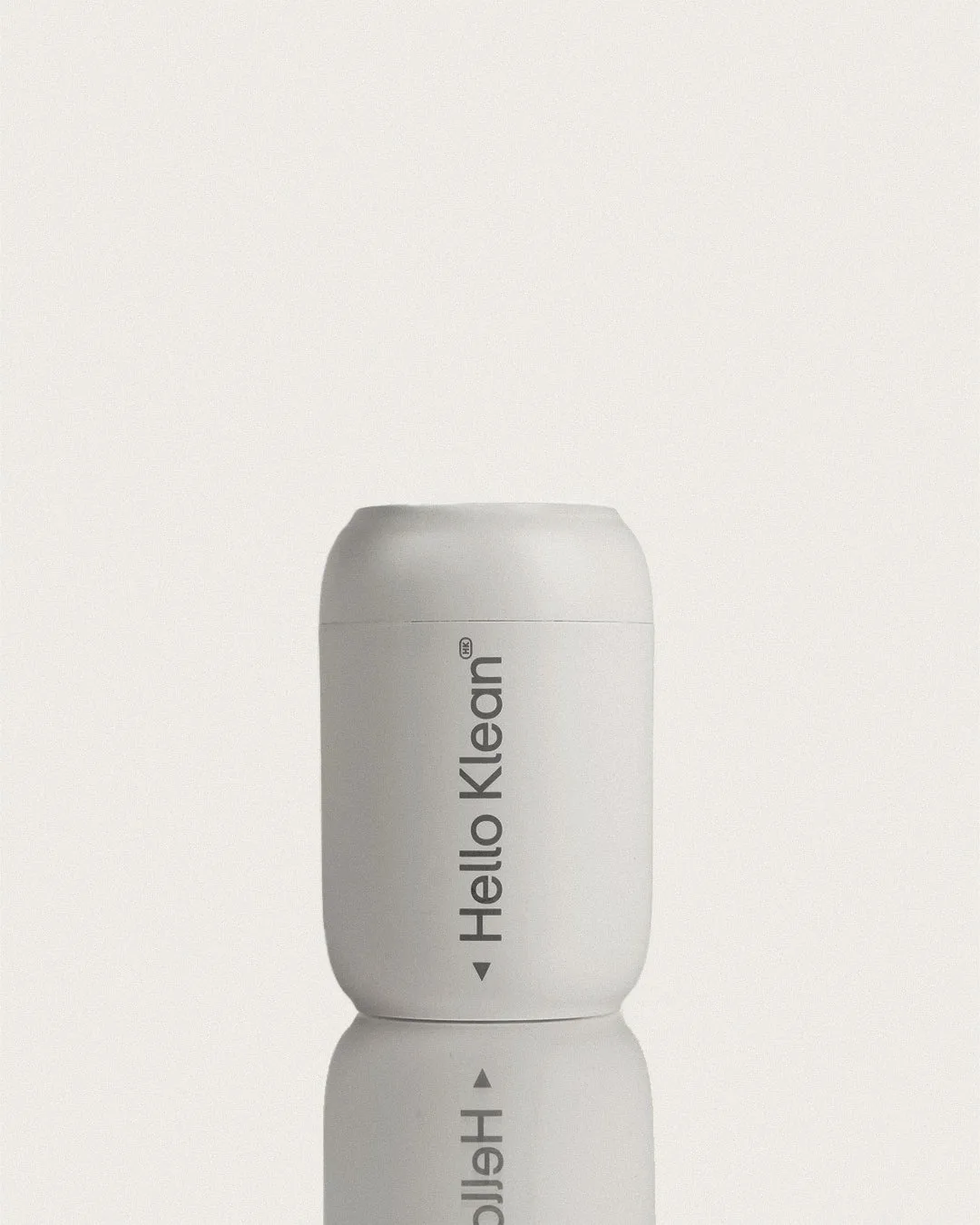
Also think about the long-term cost. Standalone filters usually require buying replacement cartridges every few months, while shower head filters may need a new head or specialized refill. Check the specifications of each product to see how often the filter needs changing and what the replacement cost is. For example, the Hello Klean Shower Head comes with a built-in filter that is easy to replace with the Hello Klean Refill Capsule, offering a convenient all-in-one solution.
- Check your shower arm compatibility before purchasing
- Compare cartridge lifespan and replacement costs
- Consider whether you value design flexibility or simplicity
- Read reviews from users with similar water quality issues
Ultimately, both shower filters and shower head filters can transform your daily shower into a healthier experience for your skin and hair. The best choice depends on your existing setup and personal preference. If you're ready to upgrade your shower experience, explore the Hello Klean Shower Head for an easy, integrated filtration solution that pairs perfectly with your favorite hair and body care products.