If you've noticed your hair feeling dry, brittle, or looking dull after washing, hard water might be the culprit. Hard water contains high levels of calcium and magnesium that leave mineral deposits on your hair, making it harder to manage and prone to breakage. Many people turn to either a shower filter or a whole house water softener to solve this problem, but which one is actually better for your hair?
In this comparison guide, we'll break down the key differences between a shower filter and a whole house water softener, focusing specifically on how each affects your hair. We'll also explore which option is more practical, cost-effective, and effective for common hair concerns like dryness, frizz, and thinning. By the end, you'll have a clear answer for your home and hair care routine.
How Hard Water Damages Your Hair
Hard water is packed with dissolved minerals like calcium, magnesium, and sometimes iron. When you wash your hair with hard water, these minerals cling to the hair shaft and scalp, creating a film that blocks moisture absorption. This leads to dryness, brittleness, and a dull appearance. Over time, the buildup can also weigh down your hair, making it look limp and lifeless.
Additionally, hard water can react with hair products like shampoos and conditioners, reducing their effectiveness. The minerals can cause soap scum to form, which clogs the hair follicles and may contribute to scalp issues such as itchiness or flaking. For people with color-treated hair, hard water can strip color faster, leading to premature fading.
- Dry, brittle hair that breaks easily
- Dull, lackluster appearance even after washing
- Reduced lather and effectiveness of shampoos
- Scalp irritation and buildup
What Is a Shower Filter and How Does It Help Hair?
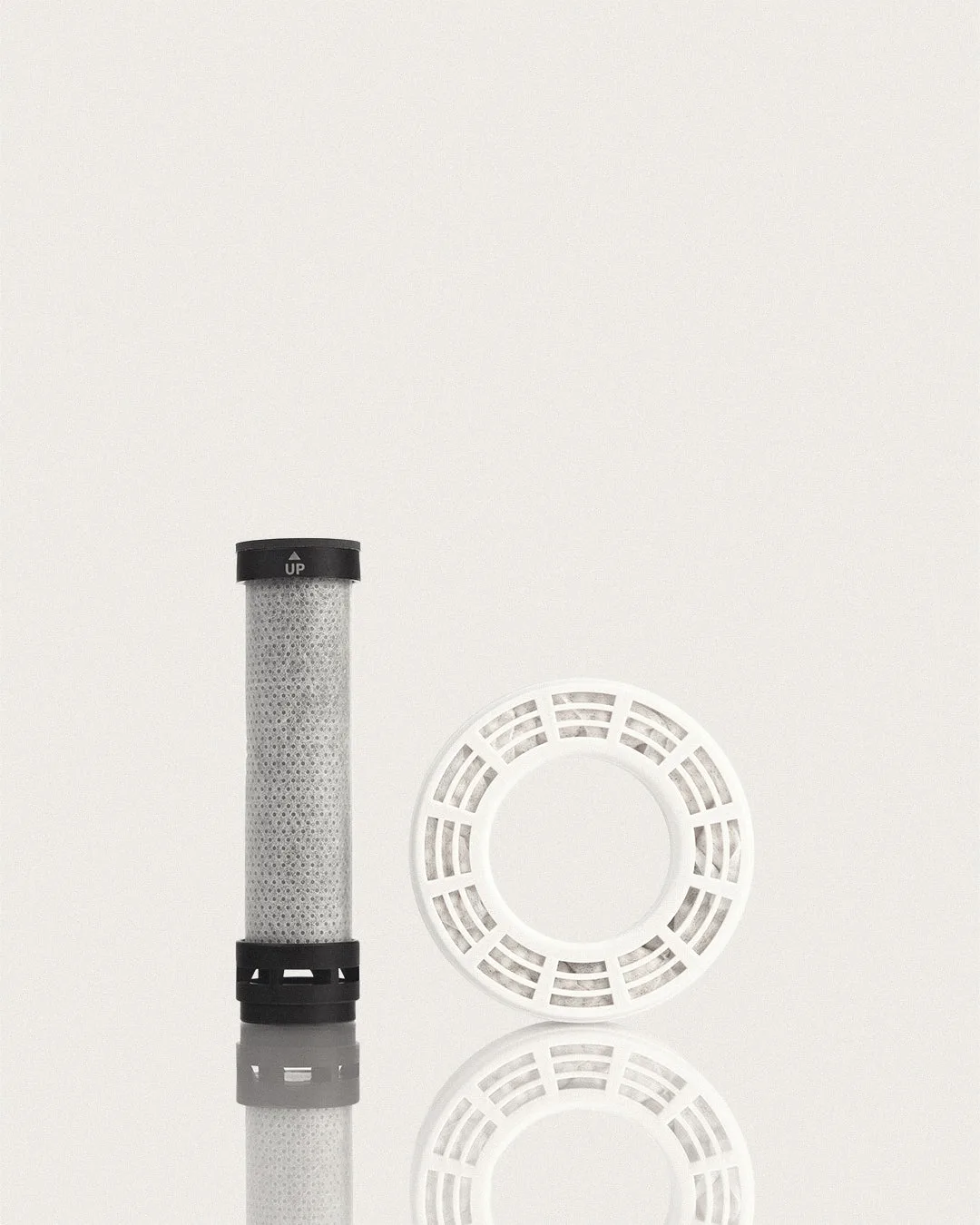
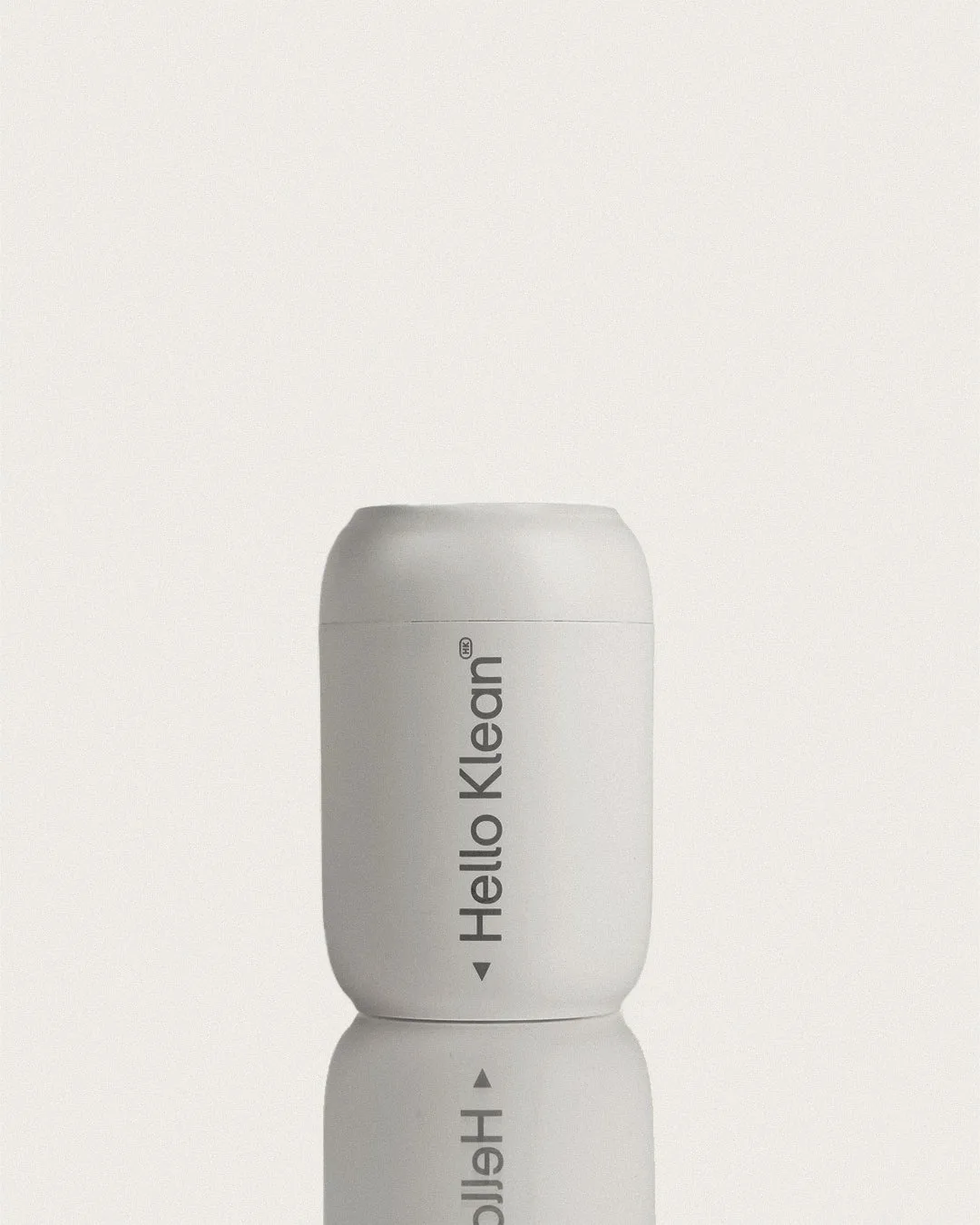
A shower filter is a point-of-use device that attaches directly to your showerhead or shower arm. It typically contains a combination of activated carbon, KDF media, and sometimes vitamin C or ceramic beads to reduce chlorine, chloramines, and some heavy metals from the water. The Hello Klean Shower Filter is a popular example that targets chlorine and sediment, which are common culprits behind dry hair and irritated scalps.
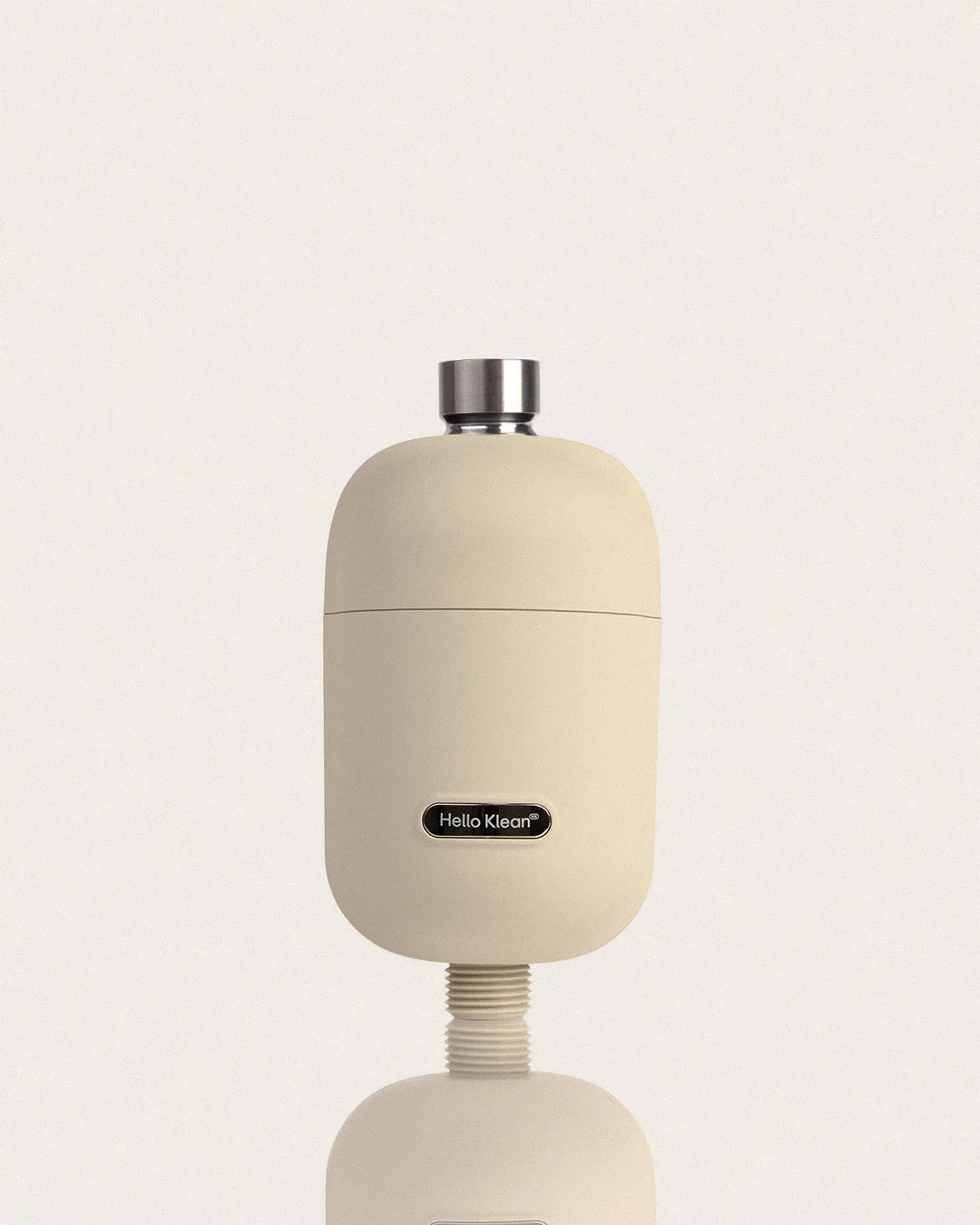
Hello Klean Shower Filter
Shower filters are excellent for removing chlorine, which is added to municipal water supplies as a disinfectant. Chlorine strips the natural oils from your hair and scalp, leading to frizz, dryness, and even color fading. By filtering out chlorine and other chemicals, a shower filter can help restore moisture balance, reduce frizz, and make your hair feel softer after just a few washes.
- Easy to install — no plumbing skills needed
- Affordable upfront cost compared to water softeners
- Targets chlorine and sediment, not hard water minerals
- Portable and ideal for renters or apartments
What Is a Whole House Water Softener and How Does It Help Hair?
A whole house water softener is a larger system installed at the main water line of your home. It uses an ion-exchange process to replace calcium and magnesium ions with sodium or potassium ions, effectively removing the minerals that cause water hardness. This means every tap in your home — including your shower — receives soft water.
For hair, a water softener can be transformative. Soft water allows shampoos and conditioners to lather more easily and rinse out completely, leaving no mineral residue behind. Hair feels cleaner, softer, and more manageable. It also reduces tangles and frizz, and helps color-treated hair retain its vibrancy longer. However, the system requires regular maintenance, including adding salt and periodic backwashing.
- Removes calcium and magnesium — the cause of hard water
- Benefits every water outlet in your home
- Requires professional installation and ongoing salt refills
- Higher upfront cost but long-term solution
Shower Filter vs Water Softener: Key Differences for Hair
The main difference lies in what each system removes. A shower filter like the Hello Klean Shower Filter excels at removing chlorine and sediment, which are primary causes of dryness and irritation. However, it does not remove the calcium and magnesium that cause water hardness. If your main issue is dry, frizzy hair from chlorine exposure, a shower filter is a great solution.
A water softener, on the other hand, tackles the root cause of hard water by removing the minerals themselves. This is ideal if you live in an area with very hard water (above 7 grains per gallon). Soft water can dramatically improve hair texture and health, but it comes with a higher price tag and more maintenance. For many people, a shower filter is sufficient for hair concerns, especially if the water hardness is moderate.
- Shower filter: best for chlorine and chemical removal
- Water softener: best for hard mineral removal
- Shower filter: lower cost, easier to install
- Water softener: higher cost, whole-home benefit
Which Option Is Better for Your Hair Type and Budget?
For people with dry, color-treated, or chemically processed hair, a shower filter is often the better first step. It's affordable, easy to install, and directly targets the chlorine that causes dryness. You can pair it with products like the Press Reset Anti-Dryness Body Wash for extra moisture support. If you're on a budget or renting, a shower filter is a no-brainer.
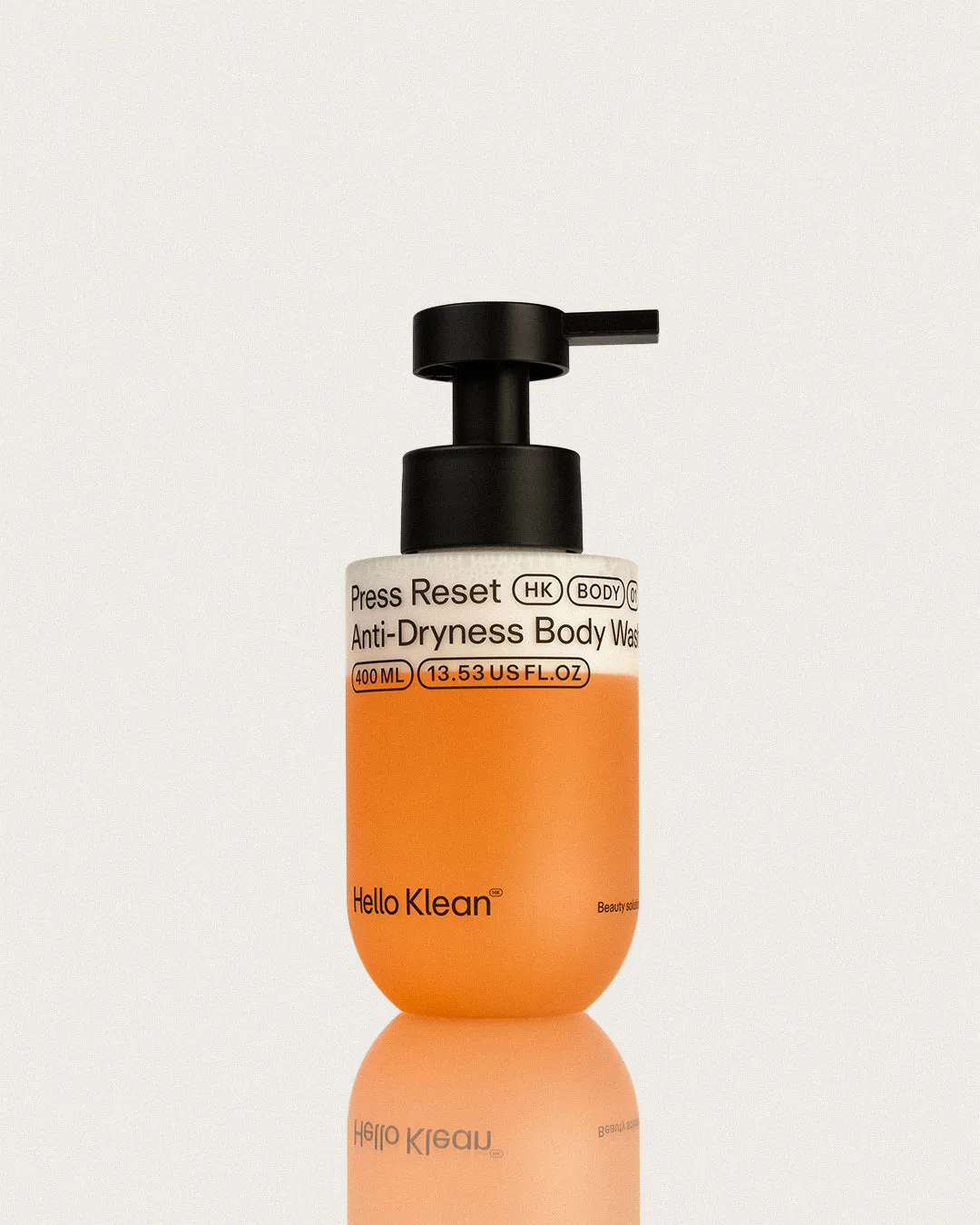
Press Reset Anti-Dryness Body Wash
If you have very hard water and notice persistent issues like scalp buildup, limp hair, or difficulty lathering soap even after filtering chlorine, a whole house water softener may be worth the investment. It provides soft water throughout your home, which can also benefit your skin and appliances. However, for most hair-focused concerns, a high-quality shower filter delivers noticeable results without the complexity of a softener.
- Shower filter: $30–$80 upfront, easy DIY install
- Water softener: $500–$3,000 plus installation and salt
- Shower filter: great for renters and apartments
- Water softener: better for homeowners with severe hard water
Can You Use Both a Shower Filter and Water Softener Together?
Yes, using both a shower filter and a water softener can provide the ultimate water quality for your hair. The water softener removes the hardness minerals, while the shower filter removes chlorine and other chemicals that may remain after softening. This combination ensures your hair is exposed to the cleanest, most balanced water possible.
If you already have a water softener but still notice chlorine smell or dryness, adding a shower filter like the Hello Klean Shower Filter can make a noticeable difference. Conversely, if you have a shower filter and still struggle with hard water issues, upgrading to a softener might be the next step. For most people, however, a standalone shower filter is enough to see significant hair improvement.
- Shower filter + softener = maximum hair protection
- Start with a shower filter for quick, affordable results
- Upgrade to a softener if hard water persists
Choosing between a shower filter and a whole house water softener depends on your specific hair concerns, water hardness level, and budget. For most people dealing with dry, frizzy hair from chlorine and mild hard water, a shower filter like the Hello Klean Shower Filter is the most practical and effective solution. It's affordable, easy to install, and delivers noticeable results without the commitment of a whole-home system. If you're ready to give your hair the care it deserves, explore the Hello Klean Shower Filter today and start enjoying softer, healthier hair with every shower.