Quick answer
Choose the Sigma 16-28mm f/2.8 DG DN Contemporary for wide-angle travel, landscapes, and interiors where size and width matter most. Choose the Sigma 28-105mm f/2.8 DG DN Art for events, portraits, and everyday versatility when you need a longer reach and can accept a larger lens.
Focal range: ultrawide vs extended standard
The 16-28mm covers ultrawide to wide-normal, making it ideal for sweeping vistas, tight interiors, and dramatic perspectives. The 28-105mm starts at a modest wide angle and stretches to medium telephoto, which is far more flexible for isolating subjects and shooting from a distance. Neither lens replaces the other; they solve different framing problems.
Aperture and low light: both f/2.8, different strengths
Both lenses maintain a constant f/2.8 aperture, so you get consistent exposure and shallow depth of field throughout the zoom range. The 16-28mm's wide field of view lets you shoot handheld at slower shutter speeds in low light, while the 28-105mm's longer focal lengths give you tighter framing and more background compression at f/2.8. Your choice depends on whether you need width or reach in dim conditions.
Size and weight: portability vs presence
The 16-28mm is described as small and lightweight, which makes it easy to carry all day and well-suited to travel and gimbal work. The 28-105mm is a larger, pro-level lens with a durable build, so it balances better on bigger bodies and handles more demanding environments. If you prioritize a compact kit, the 16-28mm has a clear advantage; if you need one lens that covers more ground, the 28-105mm earns its size.
Optical series: Contemporary vs Art
Sigma positions the 16-28mm in its Contemporary line, emphasizing portability and everyday performance, while the 28-105mm belongs to the Art line, which targets top-tier optical performance and pro-level build. That distinction matters if you frequently print large or shoot in challenging light, but for many users the Contemporary lens is more than sufficient.
Trade-offs to weigh
- Width vs reach: The 16-28mm gives you dramatic ultrawide views but stops at 28mm; the 28-105mm starts at 28mm and goes much longer. Pick based on whether you more often need to fit more in or zoom closer. If you shoot interiors or landscapes, go wide; if you shoot people or details, go long.
- Portability vs versatility: The 16-28mm is compact and easy to carry; the 28-105mm is larger but replaces multiple lenses. Consider how much weight you'll tolerate for the sake of fewer swaps. Travel light with the 16-28mm; travel flexible with the 28-105mm.
- Contemporary vs Art: The 16-28mm prioritizes size and everyday performance; the 28-105mm prioritizes optical quality and pro build. Match the series to your output and working conditions. For critical work or harsh environments, the Art lens is the safer bet.
Key specs at a glance
-
Sigma 16-28mm f/2.8 DG DN Contemporary Lens for Leica L: Constant f/2.8 aperture in a small, lightweight ultrawide zoom. You get fast low-light performance and shallow depth of field without a heavy bag.
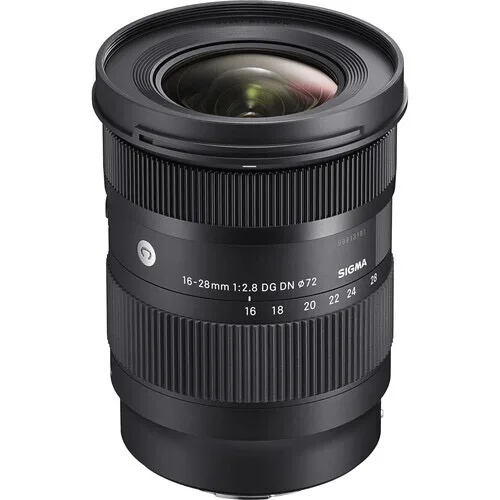
Sigma 16-28mm f/2.8 DG DN Contemporary Lens for Leica L
-
Sigma 28-105MM F2.8 DG DN ART for L Mount: 28-105mm focal range with a constant f/2.8 aperture and Art-series build. One lens covers wide-angle to medium telephoto, reducing the need to swap lenses during events or travel.
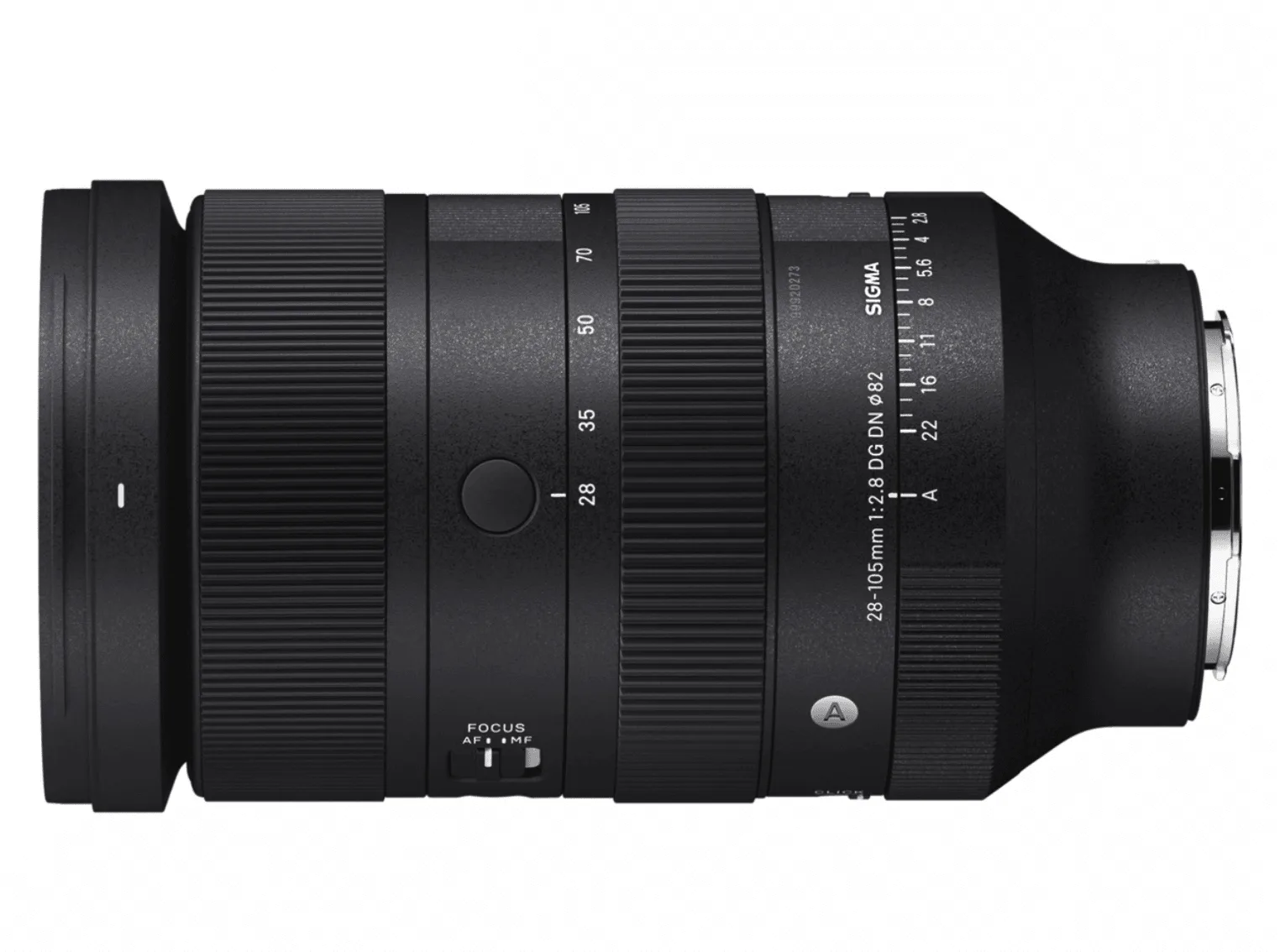
Sigma 28-105MM F2.8 DG DN ART for L Mount
Who should choose which
Best for
- Landscape and architecture photographers who need ultrawide framing
- Travelers and vloggers who want a compact, lightweight f/2.8 zoom
- Shooters who often work in tight interiors or at close range
Not for
- Photographers who need a single lens for portraits and distant subjects
- Event shooters who can't swap lenses and need more reach
- Users who prefer a larger, pro-style lens for balanced handling