Two Different Zoom Philosophies for Sony E-Mount
If you're building a Sony FE lens kit, the Sigma 20-200mm F3.5-6.3 DG C and the Tamron 17-28mm f/2.8 Di III RXD represent two fundamentally different approaches to zoom coverage. The Sigma is a world-first superzoom that spans from ultra-wide 20mm to telephoto 200mm, aiming to be your only lens for travel, events, and everyday shooting. The Tamron, by contrast, is a dedicated ultra-wide-to-wide-angle zoom with a constant f/2.8 aperture, built for landscape, architecture, and astrophotography where speed and low-light performance matter more than reach.
Key Specs at a Glance
-
Sigma 20-200mm F3.5-6.3 DG C For Sony E: Focal length: 20–200mm; aperture: F3.5–6.3; weight: 550g; length: 115.5mm; filter size: 72mm. The Sigma covers a 10x zoom range in a compact, lightweight body, making it a versatile all-in-one option for travel and everyday photography.
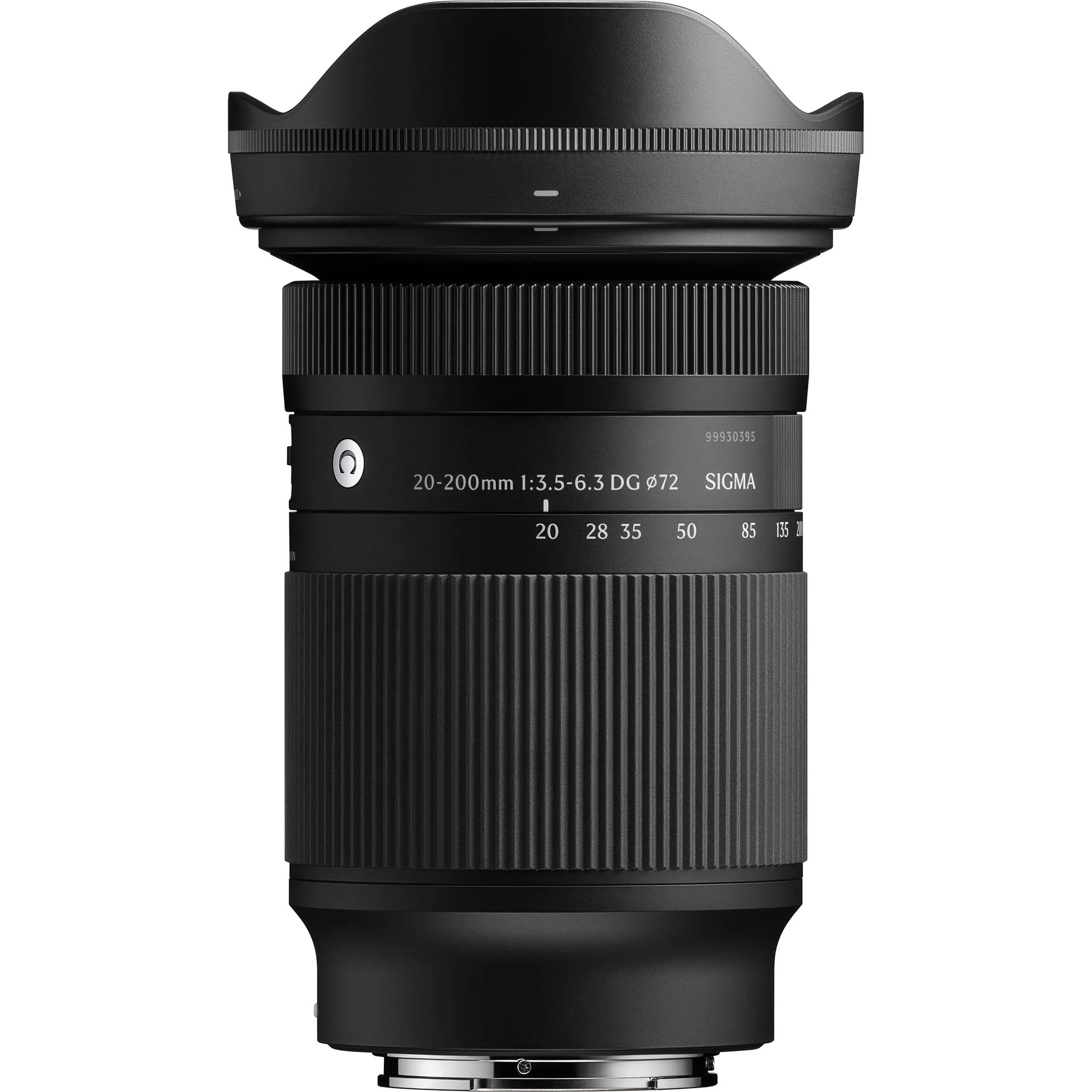
Sigma 20-200mm F3.5-6.3 DG C For Sony E
-
Tamron 17-28mm f/2.8 Di III RXD For Sony E: Focal length: 17–28mm; aperture: f/2.8 constant; minimum focus: follow the supplied product instructions; moisture-resistant construction. The Tamron offers an ultra-wide perspective with a bright constant aperture, ideal for low-light interiors, landscapes, and astrophotography.
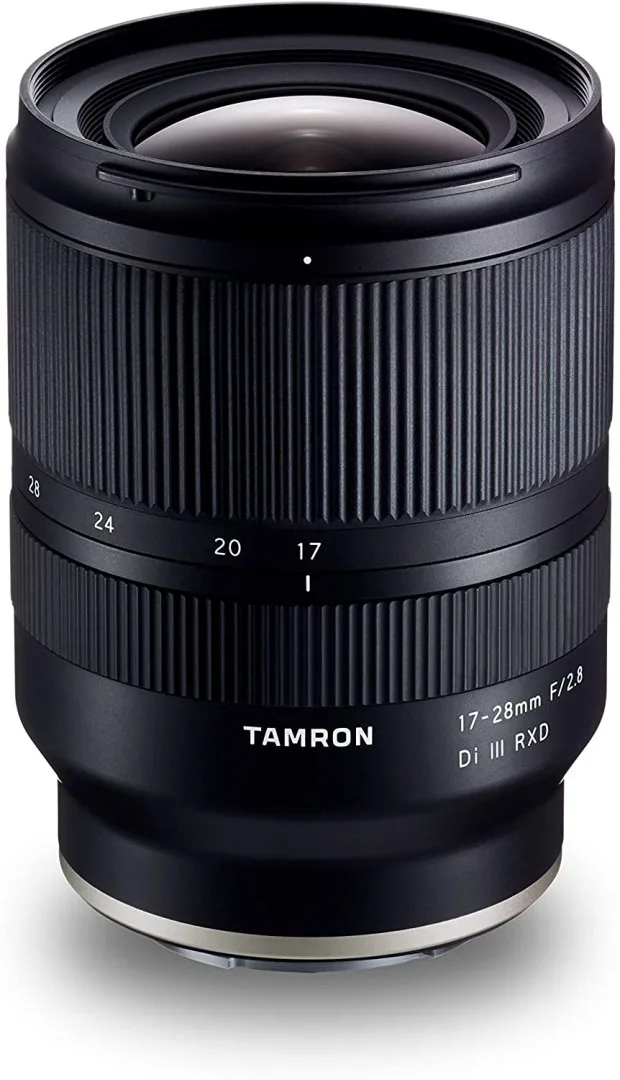
Tamron 17-28mm f/2.8 Di III RXD For Sony E
Focal Length and Aperture: Reach vs. Speed
The Sigma's 20-200mm range lets you shoot wide landscapes at 20mm, then zoom in to 200mm for portraits or distant subjects without changing lenses. Its variable aperture (F3.5 at wide, F6.3 at tele) is a practical trade-off for such a broad range. The Tamron's 17-28mm focal length adds a slightly wider field of view at 17mm, but its real advantage is the constant f/2.8 aperture, which lets in more light and gives you consistent exposure as you zoom. For low-light interiors or night sky photography, the Tamron's f/2.8 is a clear benefit.
- Sigma 20-200mm: 20-200mm zoom range, variable F3.5-6.3 aperture. Maximum magnification of 1:2 at 28-85mm for half-macro shots.
- Tamron 17-28mm: 17-28mm ultra-wide zoom, constant f/2.8 aperture. Minimum focus distance: follow the supplied product instructions for close-up wide shots.
Build and Portability for Field Use
Both lenses are designed for travel, but they prioritize different aspects. The Sigma 20-200mm weighs only 550g and measures 115.5mm in length, making it remarkably compact for a 10x zoom. It includes a dust- and splash-resistant structure and a water- and oil-repellent coating on the front element, so you can use it confidently in light rain or dusty conditions. The Tamron 17-28mm is also lightweight and compact, with a moisture-resistant construction and a fluorine-coated front element to repel fingerprints. Neither lens is fully weather-sealed, but both offer practical protection for outdoor shooting.
Optical Design and Image Quality
The Sigma 20-200mm uses 18 elements in 14 groups, including four double-sided aspherical lenses, one FLD glass, and three SLD elements. This complex design helps maintain sharpness across the zoom range and reduces flare and ghosting. The Tamron 17-28mm employs XLD and LD elements along with BBAR coating to suppress chromatic aberrations and flare. Both lenses deliver good image quality for their respective classes, but the Sigma's wider zoom range means you may notice more optical compromises at the extremes compared to the Tamron's narrower, specialized range.
Autofocus and Handling
- Sigma 20-200mm F3.5-6.3 DG C For Sony E: The Sigma uses a High-response Linear Actuator (HLA) for high-speed autofocus with excellent drive accuracy. Fast, accurate AF is crucial for capturing fleeting moments like sports or wildlife, even at the telephoto end.
- Tamron 17-28mm f/2.8 Di III RXD For Sony E: The Tamron uses an RXD stepping motor for quick, near-silent autofocus, suitable for both stills and video. Silent AF is a major advantage for video recording, as it won't be picked up by the camera's microphone.
Which Lens Should You Choose?
Your choice depends on your primary shooting needs. If you want one lens that covers everything from wide landscapes to telephoto portraits, the Sigma 20-200mm is the clear pick. Its 10x zoom range and half-macro capability make it incredibly versatile for travel, events, and everyday photography. If you shoot primarily ultra-wide subjects like architecture, interiors, or the night sky, and you value a bright constant aperture for low light, the Tamron 17-28mm f/2.8 is a better fit. It's a specialized tool that excels in its narrower range, while the Sigma is a jack-of-all-trades that can handle almost any situation.